

Symptoms We See
When something feels off
Parents come to us because they notice something — a baby who won't settle, a pregnancy that hurts in ways nobody prepared them for, a child who can't slow down. Here's what those things look like from our end, and how nervous-system chiropractic fits into the picture.
Trust your gut
You noticed it first.
Let's look together.
Infants & Babies
What we see in newborns & babies
Breathing Difficulty
Noisy breathing, nasal congestion, or a baby who always sounds a little stuffed up can all trace back to upper-airway tension from birth. Gentle care often opens up the drainage pathways and makes breathing easier.
Learn more →
Cough (Infant)
A persistent cough in a baby — especially one that lingers after other symptoms clear — often has a structural component that gentle chiropractic can help with.
Learn more →
Frequent Crying
Frequent, inconsolable crying in a baby isn't a personality trait — it's a communication. Almost always, it's a nervous system that doesn't know how to downshift. Gentle care gives it a way out.
Learn more →
Motor Delays
Rolling, sitting, tummy time, reaching — when these windows come and go without the expected movement, there's often a structural piece in the picture alongside the developmental one.
Learn more →
Nasal Congestion (Infant)
Babies who always sound congested — not sick, just perpetually snuffly — often have cranial drainage that isn't flowing freely. Gentle work to release upper-neck and cranial tension makes a noticeable difference.
Learn more →Moms & Pregnancy
What mamas come to us for
Mom Stress
Prenatal and postpartum stress isn't just emotional — it lives in the body. A nervous system running on high alert affects sleep, hormones, milk supply, and how you show up for your baby. Gentle care helps you come down.
Learn more →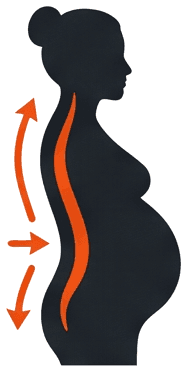
Pain During Pregnancy
Back, hip, rib, and sciatic pain during pregnancy are common — but 'common' doesn't mean you have to accept them. Webster-certified care helps the pelvis stay aligned as your body changes, so you can actually sleep and move.
Learn more →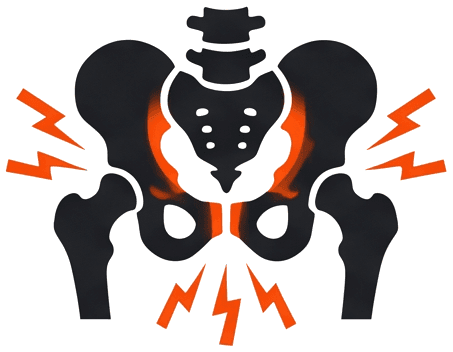
Pelvic Pain During Pregnancy
Symphysis pubis dysfunction and SI joint pain during pregnancy are real, often debilitating, and very responsive to Webster Technique. You don't have to white-knuckle it until delivery.
Learn more →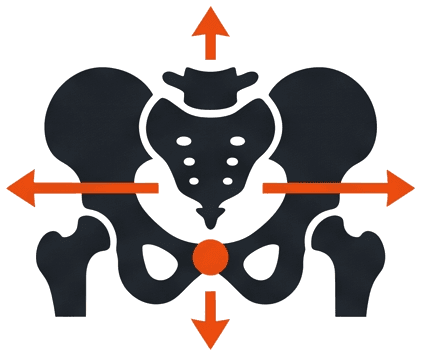
Pubic Bone Pain During Pregnancy
A sharp ache or feeling of instability at the front of the pelvis — the pubic symphysis — is one of pregnancy's most disabling symptoms. Webster Technique and gentle soft-tissue work can shift it significantly.
Learn more →
Round Ligament Pain
The sudden sharp pull in your lower abdomen or groin when you move too fast — round ligament pain is normal, but when it's constant or debilitating it's a sign the pelvis needs attention.
Learn more →Children & Kids
What we see in children & toddlers

Chronic Illness (Pediatric)
Kids with chronic conditions — frequent illness, ongoing digestive issues, headaches, fatigue — often have a nervous system in a constant state of low-grade stress. Structural care isn't a cure, but it's a meaningful support layer.
Learn more →
Emotional Control Difficulty
Kids who go zero to 60 over small things, stay dysregulated long after a trigger, or seem to have no medium setting — their nervous system is running without enough of a safety net. Care builds the net.
Learn more →
Hyperactivity
Kids who can't slow down, seem wired even when exhausted, or crash only at the end of a meltdown — their nervous systems are running in overdrive. Care that helps them regulate is the missing structural piece.
Learn more →
Impulsivity
Impulsive kids aren't choosing not to think before they act — their nervous systems are reacting faster than their frontal lobes can intervene. Care that helps the system downshift creates a longer runway between trigger and response.
Learn more →
Inattention
Kids who can't filter what matters — who jump between tasks, miss instructions, and seem to drift — often have a nervous system taking in everything at once. Structural care gives the brain's filter a chance to work.
Learn more →These pages are educational, not medical advice. For anything serious — difficulty breathing, seizures, sudden changes in development — call your pediatrician or 911 first. Chiropractic care complements but never replaces primary medical care, OT, speech therapy, or any other specialty your child or family needs.
Want us to take a look
at what's happening?
Start with a complimentary consultation. We listen first, evaluate gently, and recommend only if there's something we can genuinely help with.