

Condition
Sleep Issues (Toddlers & Kids)
When bedtime becomes the hardest part of the day
Bedtime battles, frequent night wakings, and 2 a.m. visits to your room aren't just phases — they're signals that a toddler or child's nervous system isn't downshifting the way it should. Gentle care helps it find the transition the body needs to rest.
By Dr. Logan Swaim · Last updated July 17, 2026
Get help with Sleep Issues (Toddlers & Kids)
Three quick questions — we'll call you within 24 business hours.
Understanding Sleep Issues (Toddlers & Kids)
What it is & why it shows up
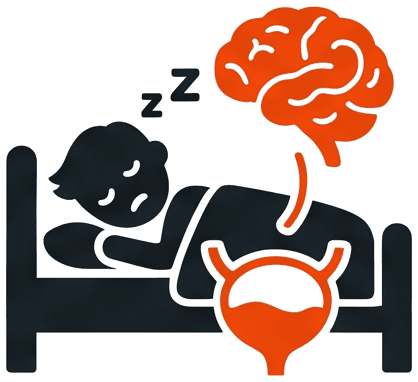
This page is for the parents of toddlers and school-age kids — not newborns (see our sleep regulation page for infants). Your child knows how to sleep. They've done it. But something keeps interrupting: bedtime resistance that stretches an hour, night wakings that land them in your room, restless thrashing that leaves them tired by morning. And the pattern hasn't resolved on its own.
From a nervous-system lens, older kids have the same challenge as younger ones — a sympathetic system (fight-or-flight) that won't hand off to the parasympathetic (rest-and-digest) at night. In toddlers and school-age kids, this is often driven by accumulated sensory load, screen stimulation close to bedtime, and physical tension that didn't resolve during the day. Growth spurts add their own load as the spine and sacrum adapt to a fast-changing body.
Gentle adjustments that release that accumulated tension, paired with a family conversation about what's loading the system during the day, often shift sleep within a few weeks. We're not a replacement for sleep consultants or your pediatrician's advice — we're the structural layer that those approaches work on top of.
What parents notice
Signs that bring families in
- Bedtime resistance that stretches beyond 30–45 minutes
- Frequent night wakings — coming to parents' room, calling out
- Restless, thrashing sleep — kicks, rolls, nightmares
- Early morning waking — fully alert before 5:30 a.m.
- Tired and irritable during the day but fights naps or quiet time
- Grinding teeth (bruxism) during sleep
- Difficulty separating at bedtime — anxiety, clinging
How we help
Our approach to sleep issues (toddlers & kids)
- Full sleep history + typical daily schedule conversation
- Structural assessment — upper cervical, sacral, and cranial tension
- Gentle, child-appropriate adjustments paced to the child's comfort
- Screen and sensory load coaching for the hours before bed
- Parent coaching on co-regulation — your calm is part of the equation
- Coordination with sleep consultants, pediatricians, or therapists as needed
From the Clinic
Hear it from our doctors
Dr. Grayson Fox — Why Pediatric Chiropractic”
Inside Little Roots
What gentle care looks like.
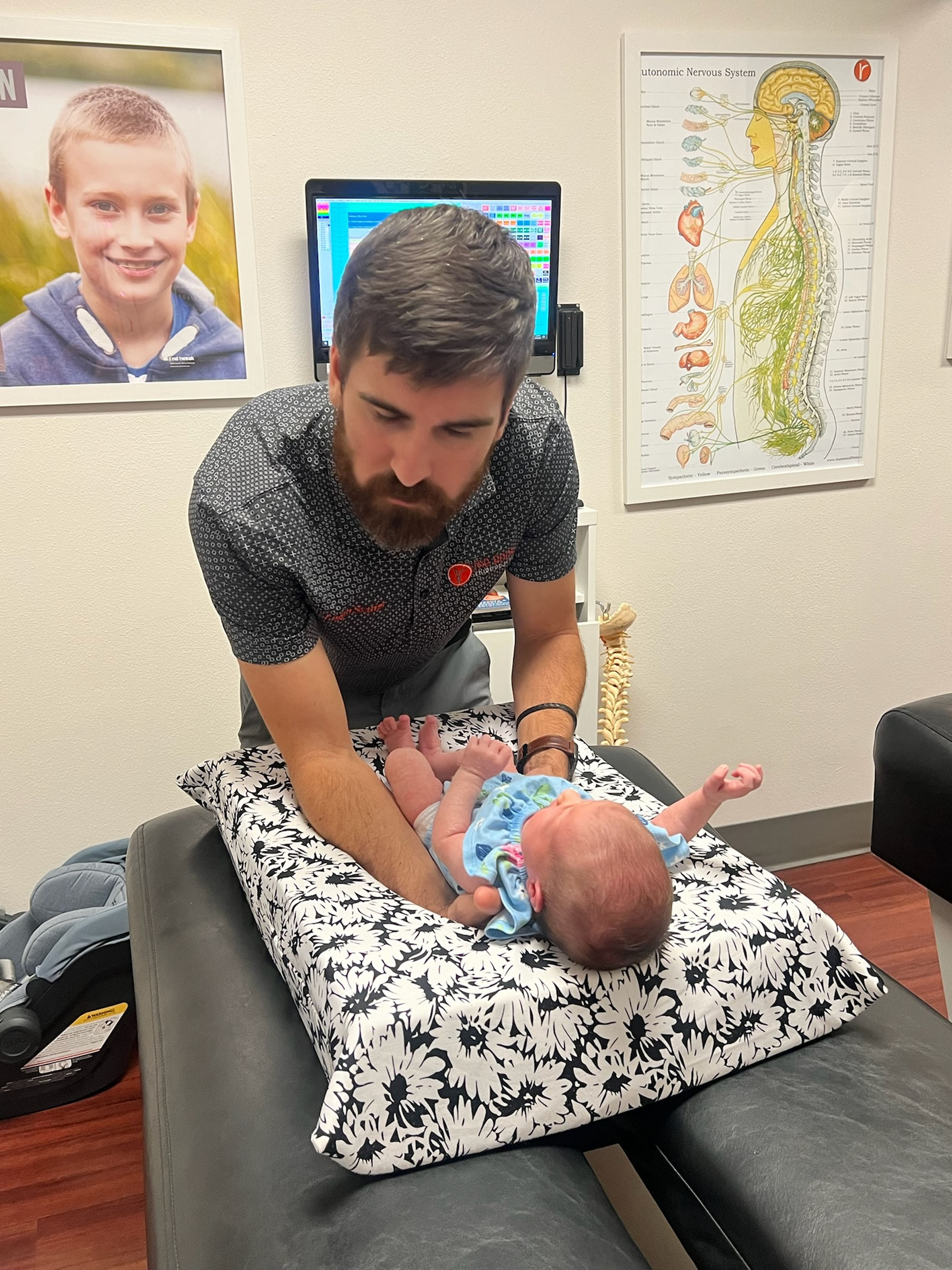
Nervous-system first. Always.
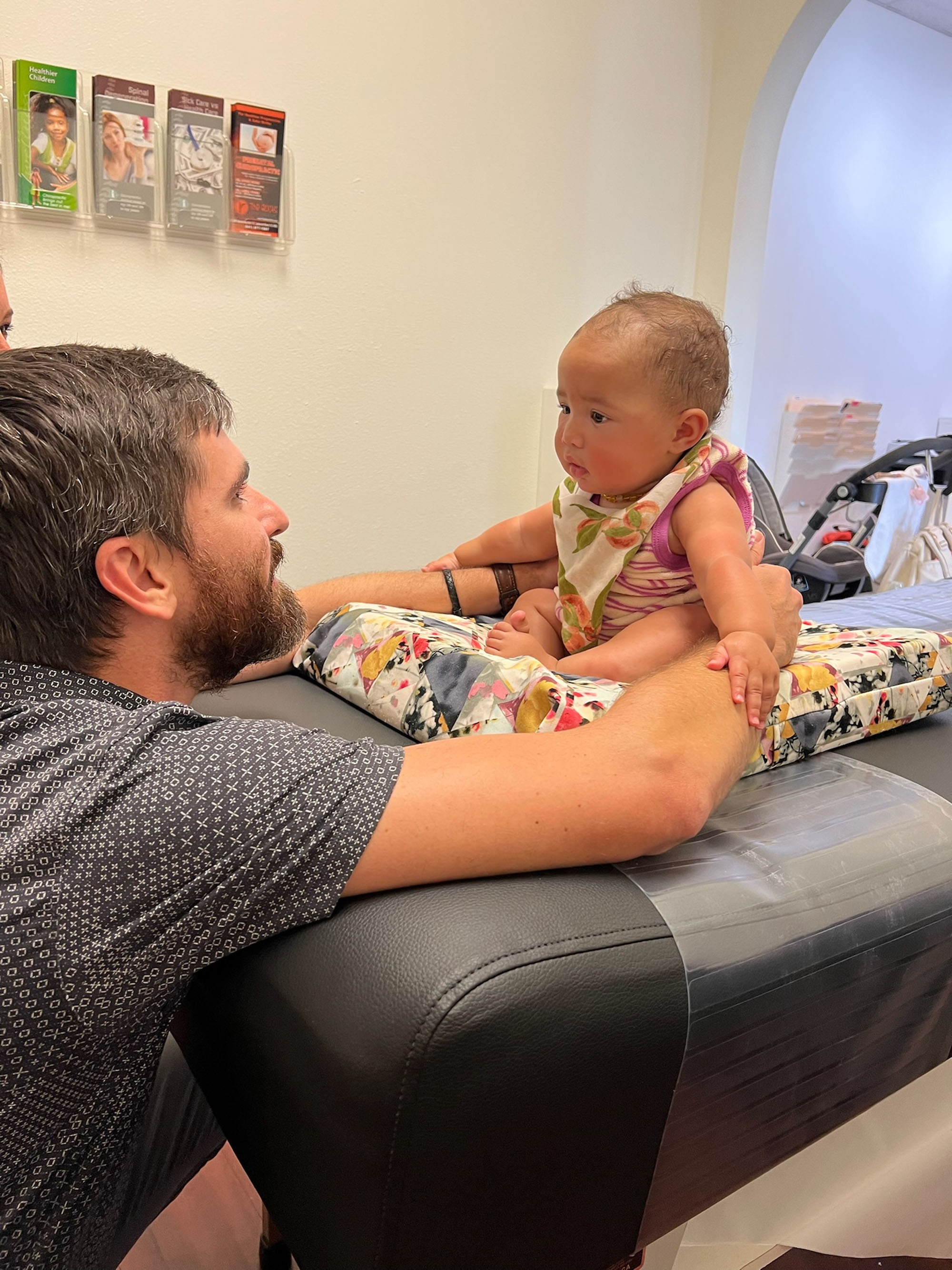
Connection before care.
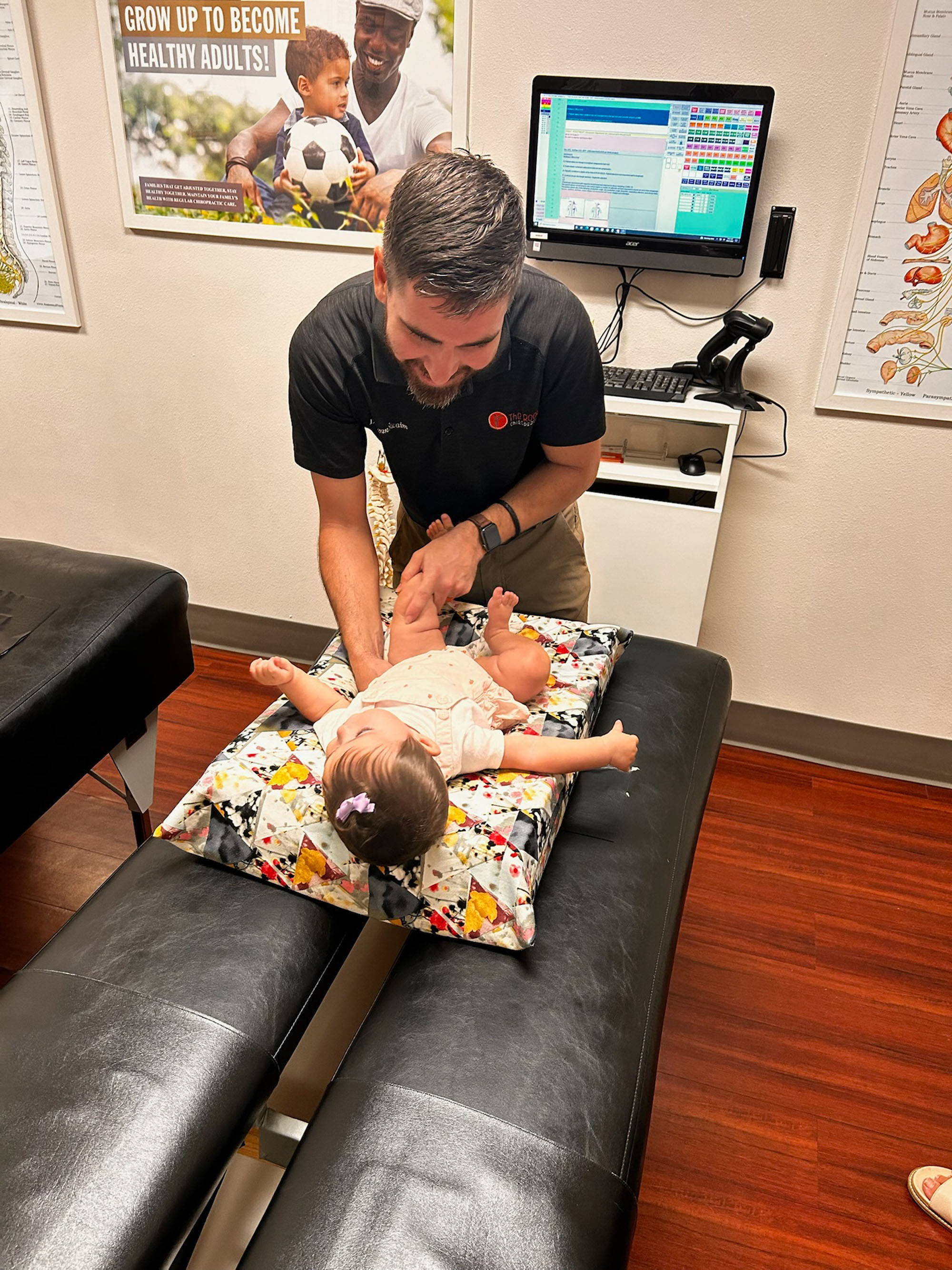
Feather-light from the first visit.
Keep Exploring
Meet our team
Services that support this
Care we offer for sleep issues (toddlers & kids)

Pediatric Wellness
Neurologically-focused chiropractic care for kids and teens — supporting healthy development, immune function, sleep, focus, and behavior.
Learn more →
Developmental Support
Specialized neurodevelopmental chiropractic for children navigating autism, ADHD, sensory processing, and other complex developmental needs.
Learn more →Other conditions we help with
You may also be looking at


Common questions
Frequently asked questions
Our Doctors
A pediatric-trained team behind every visit
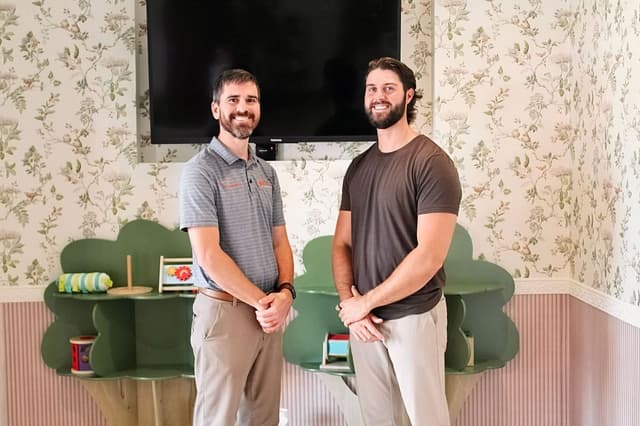
Little Roots is led by co-directors Dr. Logan Swaim, MS, DC and Dr. Laura Swaim, DC — both Webster Certified, Dr. Laura through the ICPA — alongside Dr. Grayson Fox, DC, who is PX-Certified with advanced training in chiropractic neurology and a dedicated pediatric focus. Carly Lovato, our office and lead case manager, and Yohanna Miller, our patient care coordinator, complete the team your family sees at every visit.
Meet the whole team →Want a personalized look at
your child's nervous system?
Start with a complimentary consultation. We listen first, evaluate gently, and recommend only if there's something we can help with.