

Developmental Support
Chiropractic for Autism, ADHD & Sensory Needs
You've done the OT. You've done the speech therapy. Maybe ABA, maybe medication, maybe all of it. And still, something feels like it hasn't come online yet. We work with families like yours every week — gently, honestly, and alongside the rest of your care team.
Tell us about your child
Three simple questions. A member of our care team will follow up within 24 hours.
For Families Who've Been Everywhere
A Humble, Honest Place to Start
Families come to us after years of trying the right things. OT, speech, feeding therapy, ABA, behavioral plans, medication trials, dietary changes. Whether it's ADHD and nervous system regulation, autism spectrum challenges, or sensory processing difficulties — some of it helped. Some of it changed everything. And still — sleep is hard, focus is hard, regulation is hard, and you've been told to keep going.
We're not here to tell you that chiropractic care replaces any of that. It doesn't. What we've seen, in hundreds of kids, is that when the nervous system is stuck in a high-stress, always-on pattern, the other therapies have more work to do than they should. Gentle, specific chiropractic care can help the nervous system settle — and when it does, the other therapies often land differently.
Our doctors have worked with many families on the spectrum and with neurodivergent kids. They listen first. They coordinate with your therapy team. And they'll be honest with you if they don't think we're the right fit — whether that's ongoing pediatric wellness care with us or a referral elsewhere.
We are a piece of a larger plan, not the whole plan. That framing matters to us, and we think it'll matter to you.
What Families Often Notice
Small Shifts, Real Differences
Better Sleep
When the nervous system isn't stuck in fight-or-flight, falling asleep and staying asleep gets easier. Many parents notice this first.
Better Focus
Kids whose nervous systems are calmer have more capacity to hold attention, follow through, and engage with the tasks their therapists are asking of them.

Better Sensory Regulation
Overwhelm happens less often, and when it happens, kids often come back down faster. Clothing textures, loud environments, and transitions can feel less activating.
A Calmer Nervous System
A settled baseline means more availability for connection, learning, and play. It also often means fewer meltdowns and shorter recovery times.
These are the patterns we see most often in our practice. Every child is different, and we never promise a specific outcome.
Explore More
Dig Into the Details
Our Approach
What we actually do — and what we don't claim. A clear look at our methodology and where chiropractic fits in a larger plan.
Read more
Conditions We Help With
Autism, ADHD, sensory processing, anxiety, sleep. What we commonly see and how we talk about it with families.
Read more
What to Expect
Your first visit, the neurological evaluation, what a gentle adjustment looks like for these kids, and how we coordinate with your team.
Read moreCommon Questions
Questions From Parents
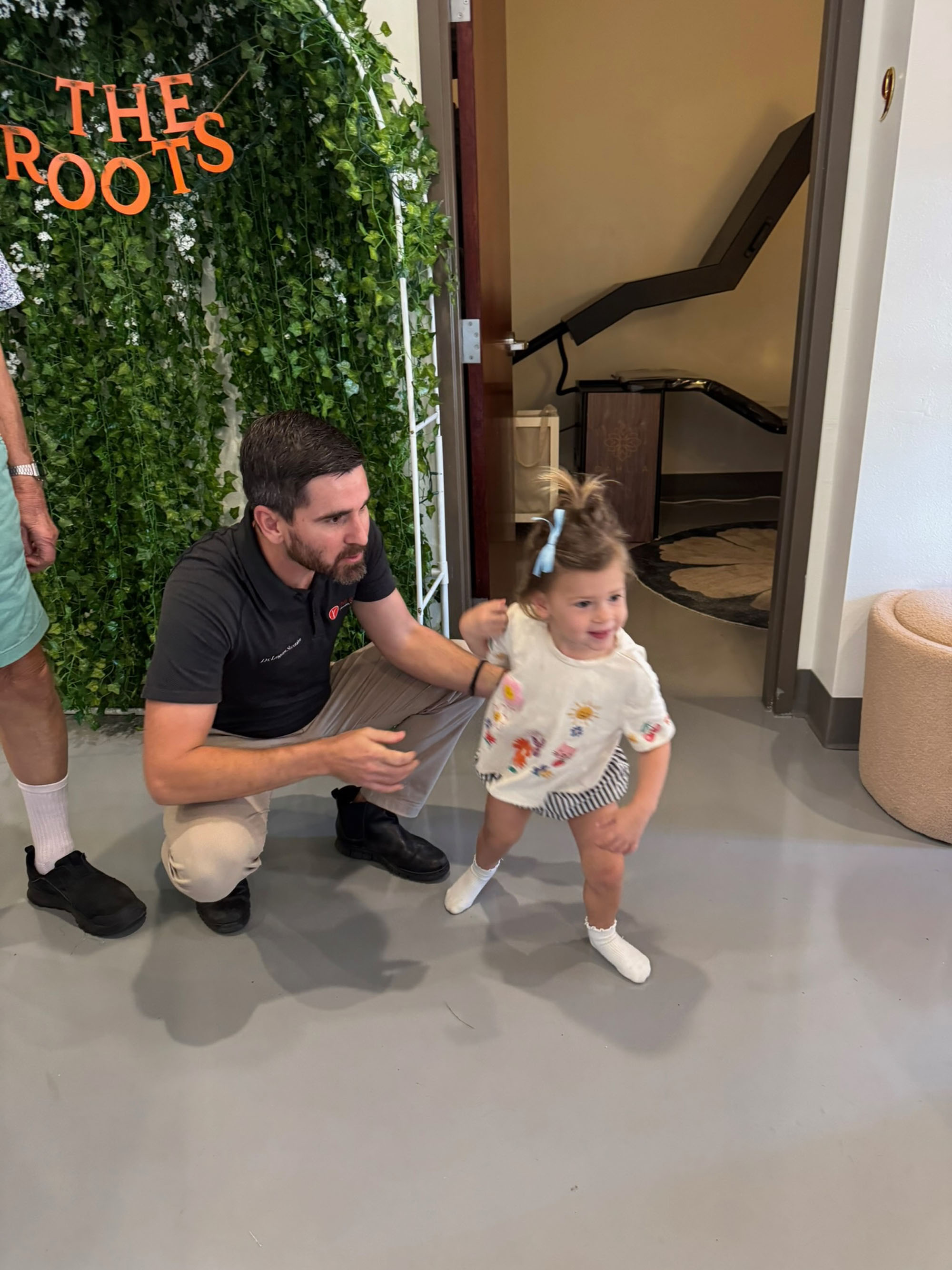
You know your child
The parent's
gut is rarely wrong.
Where regulation begins
A different kind of kid visit.
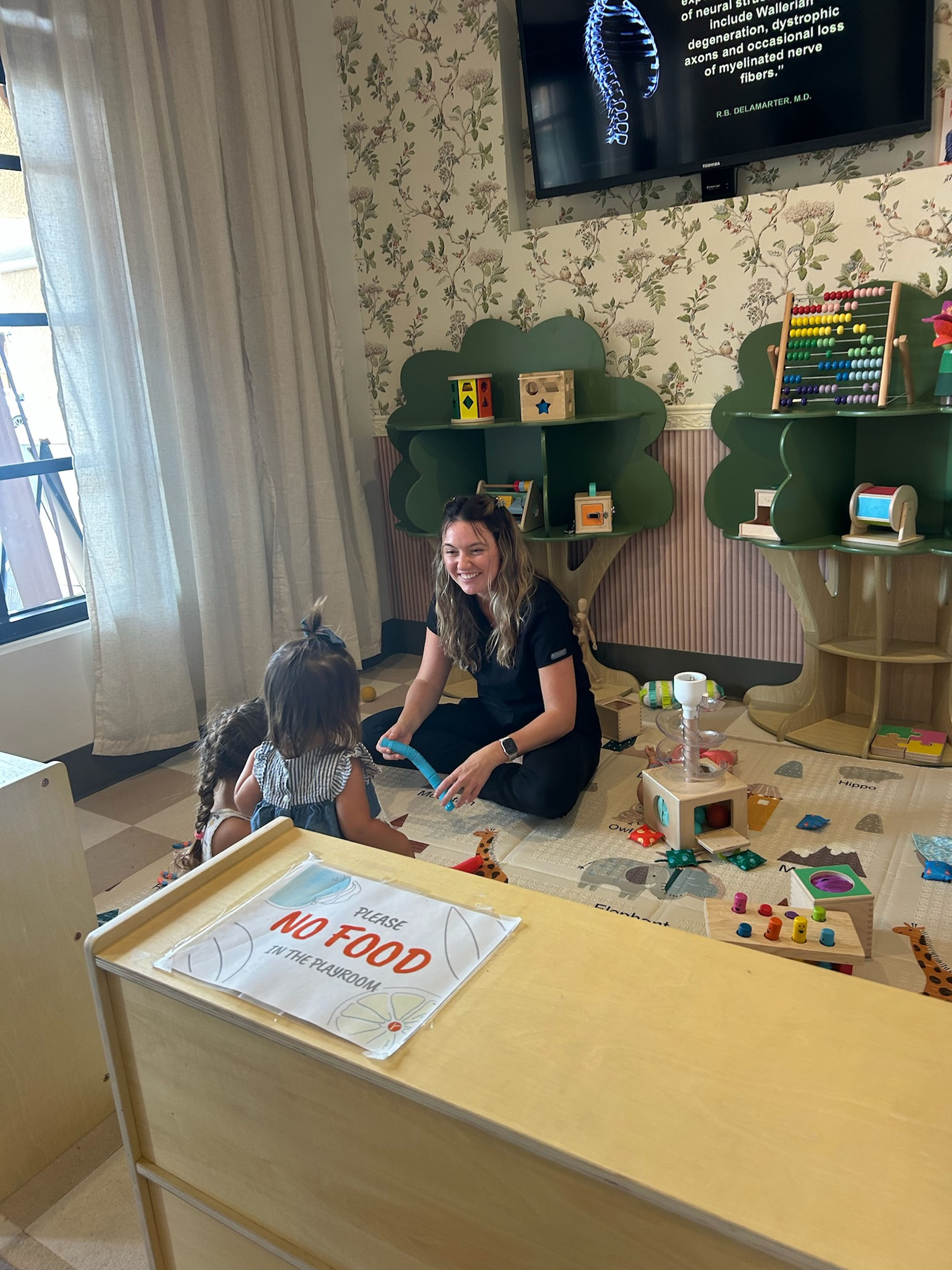
Carly — our favorite kid whisperer.
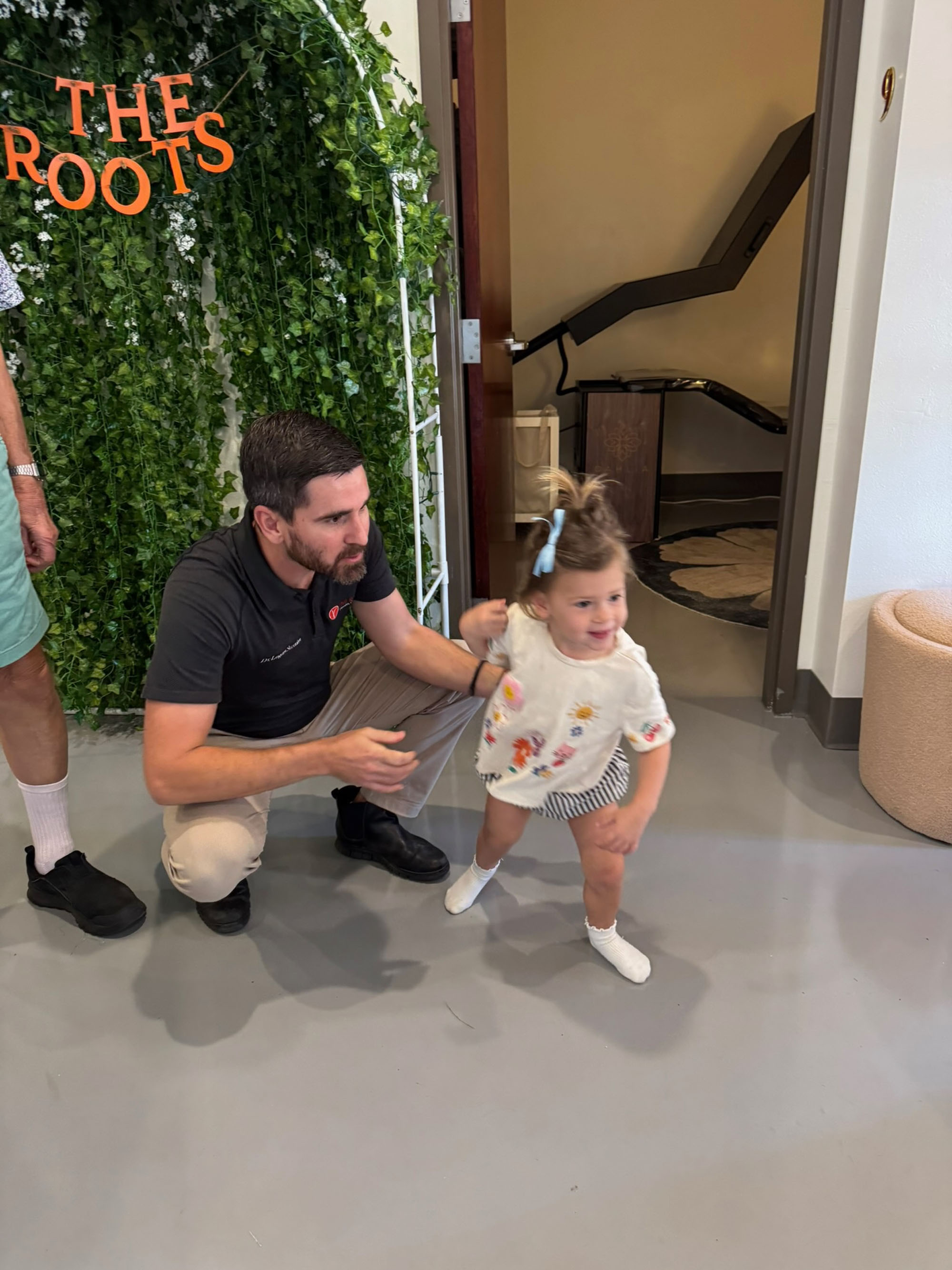
Family day — a Roots tradition.
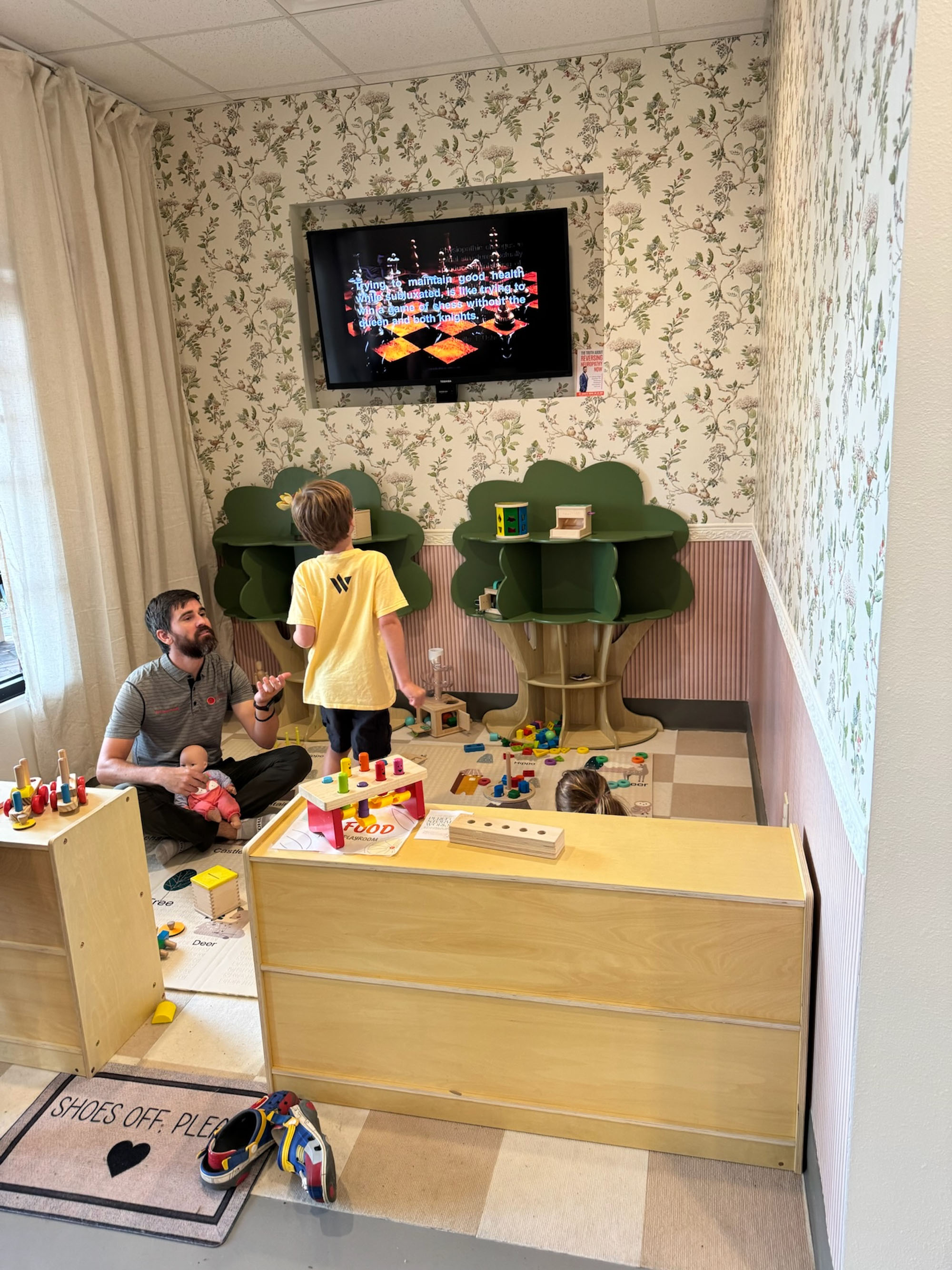
Play-based, never pushy.
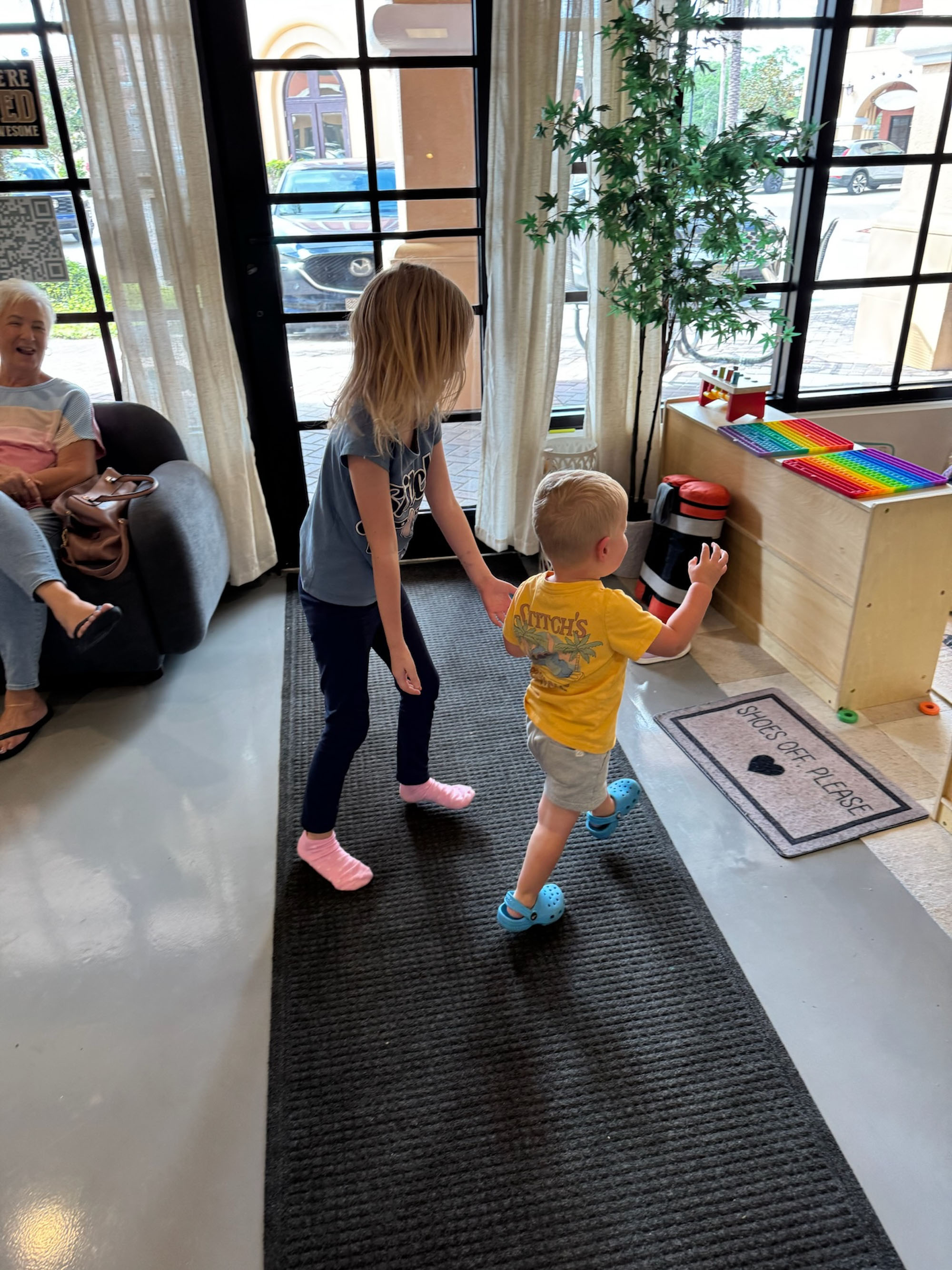
A lobby kids actually want to visit.
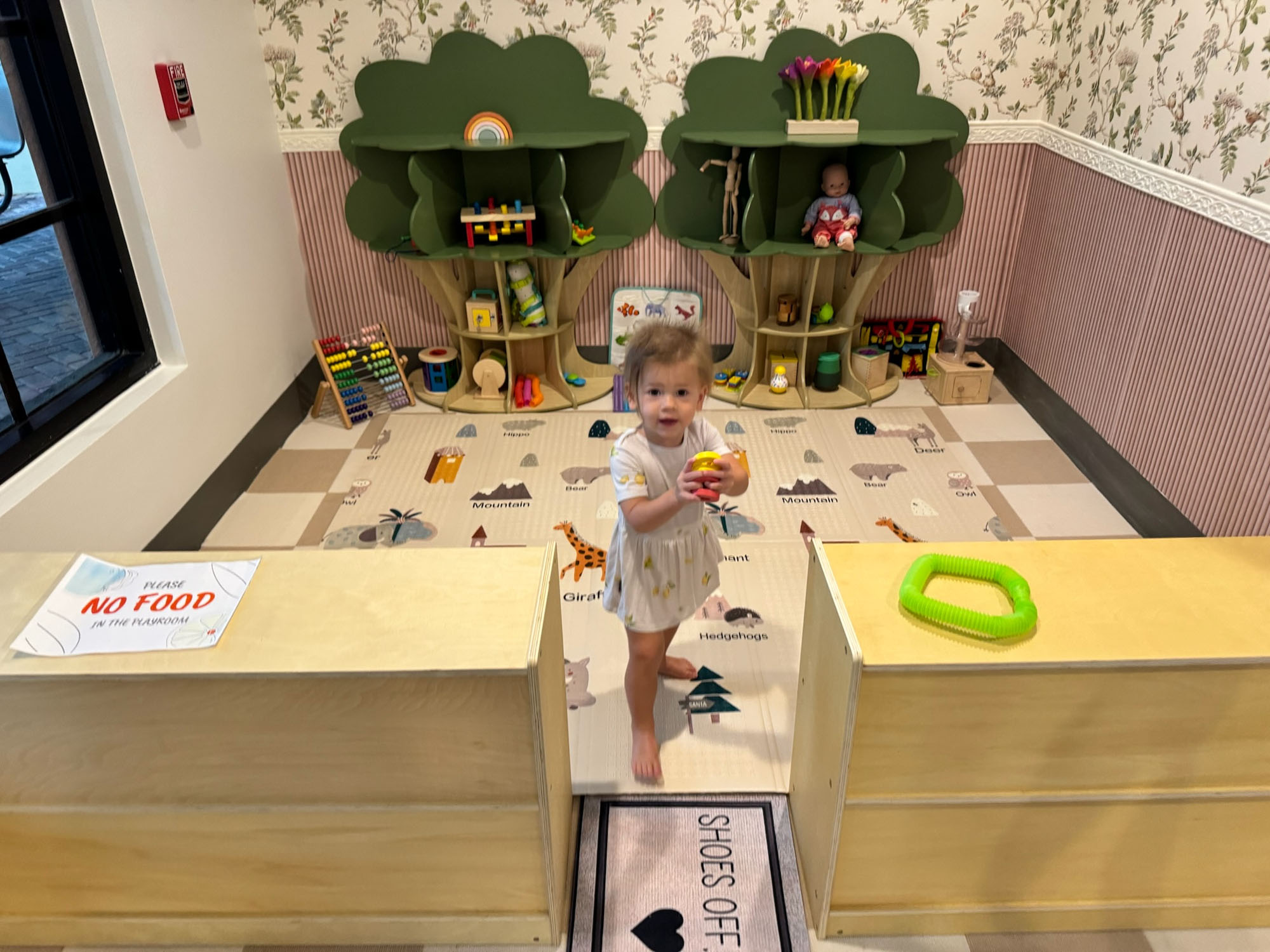
The treehouse — built for imagination.
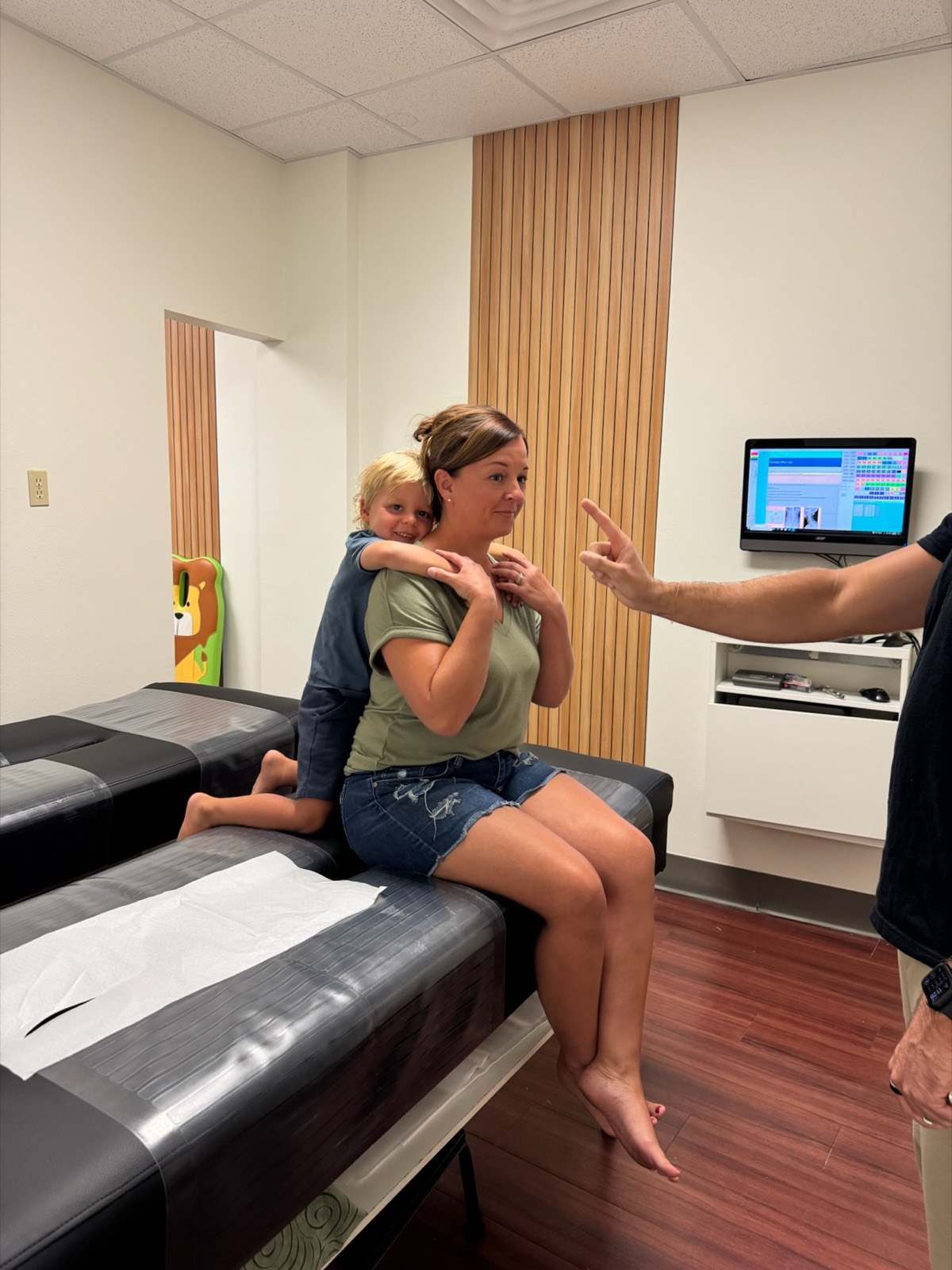
Care that grows with your family.
Keep Exploring
Conditions we help with
Related Care
More Ways We Support Your Family
Pediatric Wellness
Ongoing, nervous-system-focused care for sleep, focus, and immune resilience as your child grows.
Explore
Conditions We Help
Browse the specific challenges — ADHD, autism, sensory processing, and more — and how we approach each.
Explore
Meet Our Doctors
Our team's experience with autism, ADHD, and sensory needs is why so many families find their way to us.
ExploreReal Patient Stories
The stories parents
tell their friends.
Ready to talk
about your child?
Start with a conversation — we'll listen to the whole story before we recommend anything.