

Condition
Sensory Processing
When the world feels too loud, too bright, too much
Sensory processing isn't a personality quirk — it's the nervous system trying to filter a world that feels overwhelming. Care that calms the system gives your child more room to be themselves.
By Dr. Logan Swaim · Last updated July 17, 2026
Get help with Sensory Processing
Three quick questions — we'll call you within 24 business hours.
Understanding Sensory Processing
What it is & why it shows up
Sensory processing differences look different in every kid. Some are sensory-seeking — they crash into things, spin, chew on shirts, and seem to never run out of go. Others are sensory-avoiding — tags itch, seams hurt, loud rooms send them into a corner, and certain foods are off-limits because of texture. Many kids are both, depending on the day.
What's actually happening is a nervous system that hasn't built reliable filters yet. Every kid is taking in input from eight sensory channels at once; a regulated system filters most of it out so the brain can focus on what matters. A dysregulated system lets it all in — which is exhausting and overwhelming.
Chiropractic care from a nervous-system lens isn't a sensory therapy in the OT sense (and we work happily with OT — we're not a replacement). It's the structural layer underneath. When the nervous system has less tension to manage, it has more capacity to integrate sensory input. Many parents notice fewer meltdowns, more flexibility around clothes / foods / transitions, and better recovery from sensory overload after a few weeks of care.
What parents notice
Signs that bring families in
- Meltdowns triggered by loud sounds, bright lights, or busy rooms
- Strong reactions to clothing — tags, seams, textures, sock lines
- Limited food range — texture aversions, picky eating beyond typical
- Constant movement — spinning, crashing, climbing, chewing
- Difficulty with transitions or unexpected changes
- Sensitive to smells, temperatures, or being touched lightly
- Sleep difficulty or trouble settling at the end of a busy day
How we help
Our approach to sensory processing
- Detailed sensory history — what triggers what, what helps, what doesn't
- Nervous system assessment from a structural lens
- Gentle, kid-paced adjustments — never anything that overloads the system
- Coordinate with OT, speech, or other therapists already on the team
- Parent education — sensory diet ideas, what to watch for, when to push and when to wait
From the Clinic
Hear it from our doctors
Dr. Grayson Fox — Why Pediatric Chiropractic”
Inside Little Roots
What gentle care looks like.
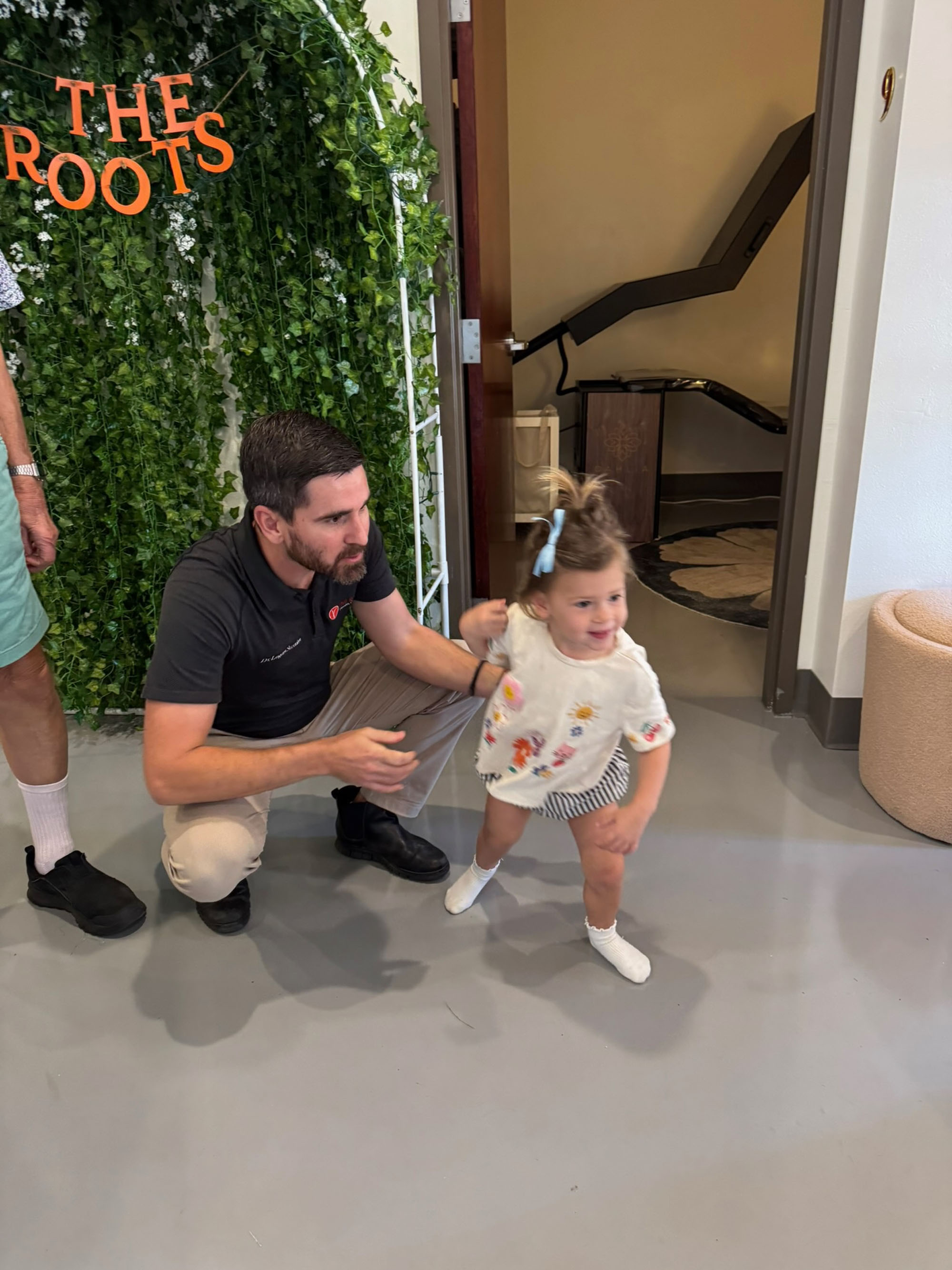
Family day — a Roots tradition.
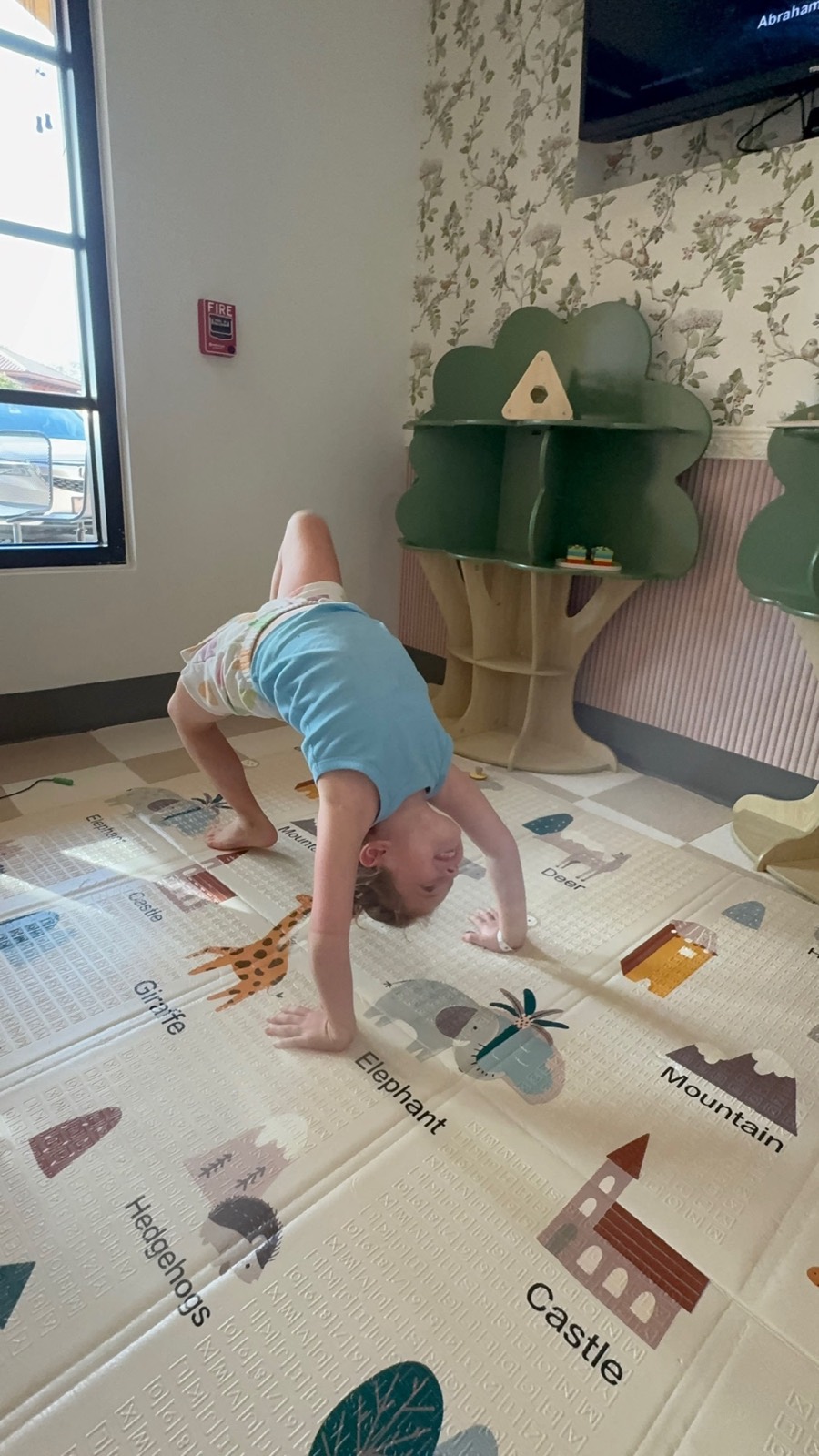
Strong, moving, thriving.
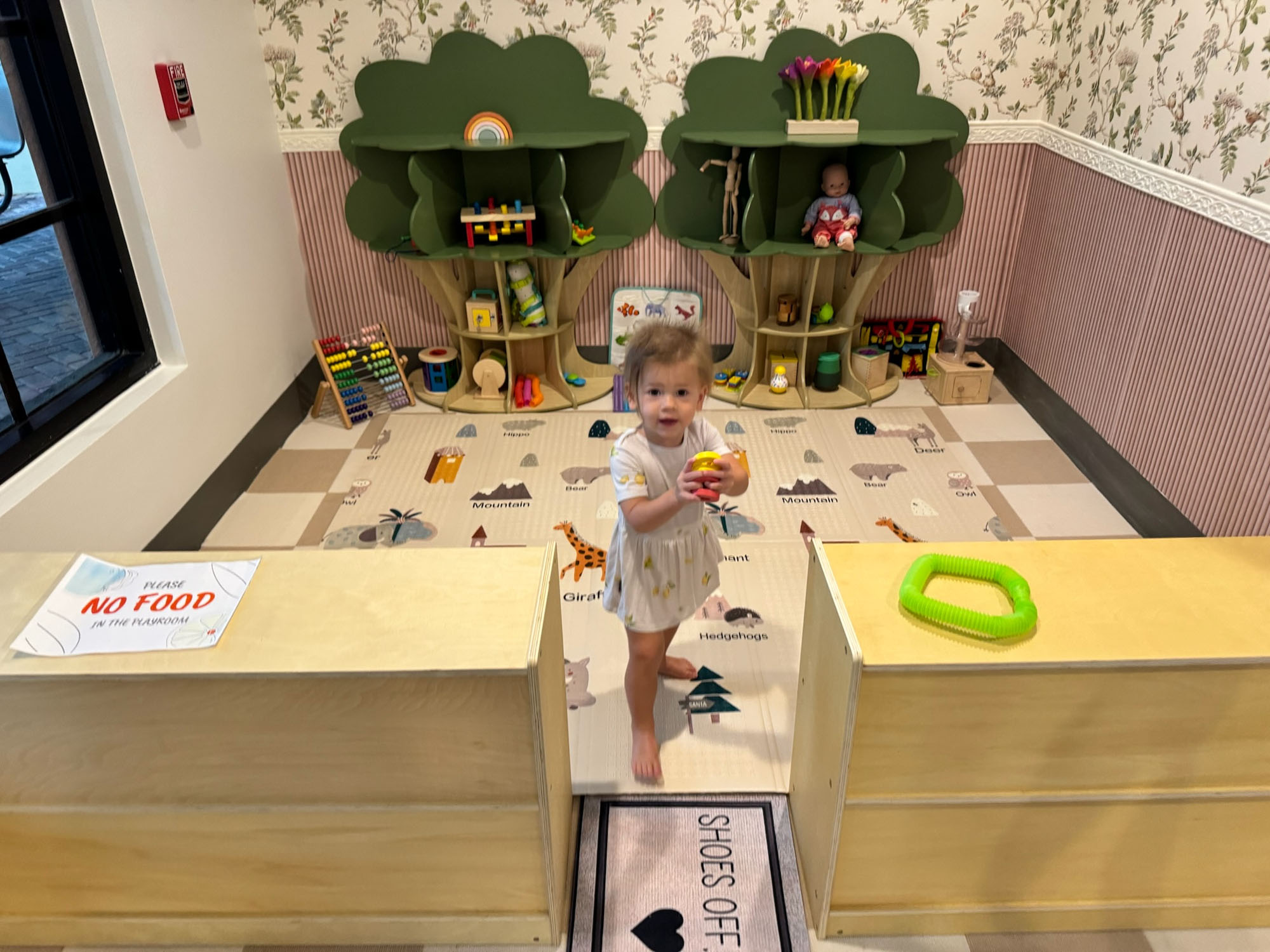
The treehouse — built for imagination.
Keep Exploring
Meet our team
Services that support this
Care we offer for sensory processing
Developmental Support
Specialized neurodevelopmental chiropractic for children navigating autism, ADHD, sensory processing, and other complex developmental needs.
Learn more →
Pediatric Wellness
Neurologically-focused chiropractic care for kids and teens — supporting healthy development, immune function, sleep, focus, and behavior.
Learn more →Other conditions we help with
You may also be looking at

Common questions
Frequently asked questions
Our Doctors
A pediatric-trained team behind every visit
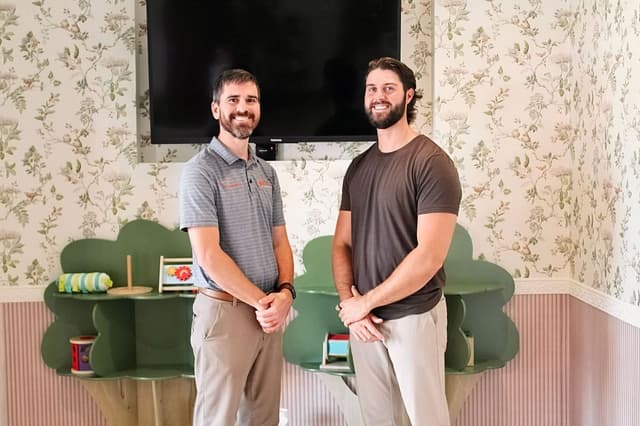
Little Roots is led by co-directors Dr. Logan Swaim, MS, DC and Dr. Laura Swaim, DC — both Webster Certified, Dr. Laura through the ICPA — alongside Dr. Grayson Fox, DC, who is PX-Certified with advanced training in chiropractic neurology and a dedicated pediatric focus. Carly Lovato, our office and lead case manager, and Yohanna Miller, our patient care coordinator, complete the team your family sees at every visit.
Meet the whole team →Want a personalized look at
your child's nervous system?
Start with a complimentary consultation. We listen first, evaluate gently, and recommend only if there's something we can help with.