

Condition
Breech Positioning
Give your baby room to find the right position
When a baby is breech, it usually means the uterus has uneven tension — not that your baby is stuck. Webster Technique, performed by Dr. Laura Swaim (ICPA Webster Certified), addresses that tension so your baby has the space to turn on their own.
By Dr. Logan Swaim · Last updated July 17, 2026
Get help with Breech Positioning
Three quick questions — we'll call you within 24 business hours.
Understanding Breech Positioning
What it is & why it shows up
A breech diagnosis — your baby is feet- or bottom-down instead of head-down — can feel like a fast-moving situation, especially in the third trimester. Your care provider is watching the position, the calendar is ticking toward your due date, and you're wondering what you can actually do. Webster Technique is one of the most well-researched chiropractic interventions in prenatal care, specifically designed for this situation.
Webster Technique isn't a manual turning procedure. The goal isn't to physically move the baby — it's to address the sacral and uterine ligament tension that may be limiting the space available for the baby to turn on their own. When the sacrum is misaligned and the round ligaments are taut, the uterus can become asymmetric. Babies often don't turn because there isn't room, not because they aren't trying. Gentle adjustments restore that symmetry and balance, and many babies turn in the days and weeks that follow.
Dr. Laura Swaim is ICPA Webster Certified and has worked with dozens of families navigating late-pregnancy breech. She works as a complement to your OB or midwife — never in opposition to their recommendations. If an external cephalic version (ECV) is being recommended, Webster care can be done in parallel with your provider's knowledge.
What parents notice
Signs that bring families in
- Baby confirmed breech at 32 weeks or later via ultrasound
- Feeling kicks and movement in the lower pelvis rather than upper abdomen
- Sacral tightness, hip discomfort, or round ligament pain in pregnancy
- History of a previous breech pregnancy
- Tight hip flexors or asymmetric pelvic alignment noted by your OB or midwife
How we help
Our approach to breech positioning
- Gentle sacral analysis and Webster-specific adjustment
- Round ligament and associated soft-tissue work to restore uterine symmetry
- Postural coaching — positions and stretches that support optimal fetal positioning
- Coordination with your OB, midwife, or birth team throughout
- Care continues postpartum if needed — pelvic and sacral recovery
From the Clinic
Hear it from our doctors
Dr. Grayson Fox — All Ages Prenatal”
Inside Little Roots
What gentle care looks like.
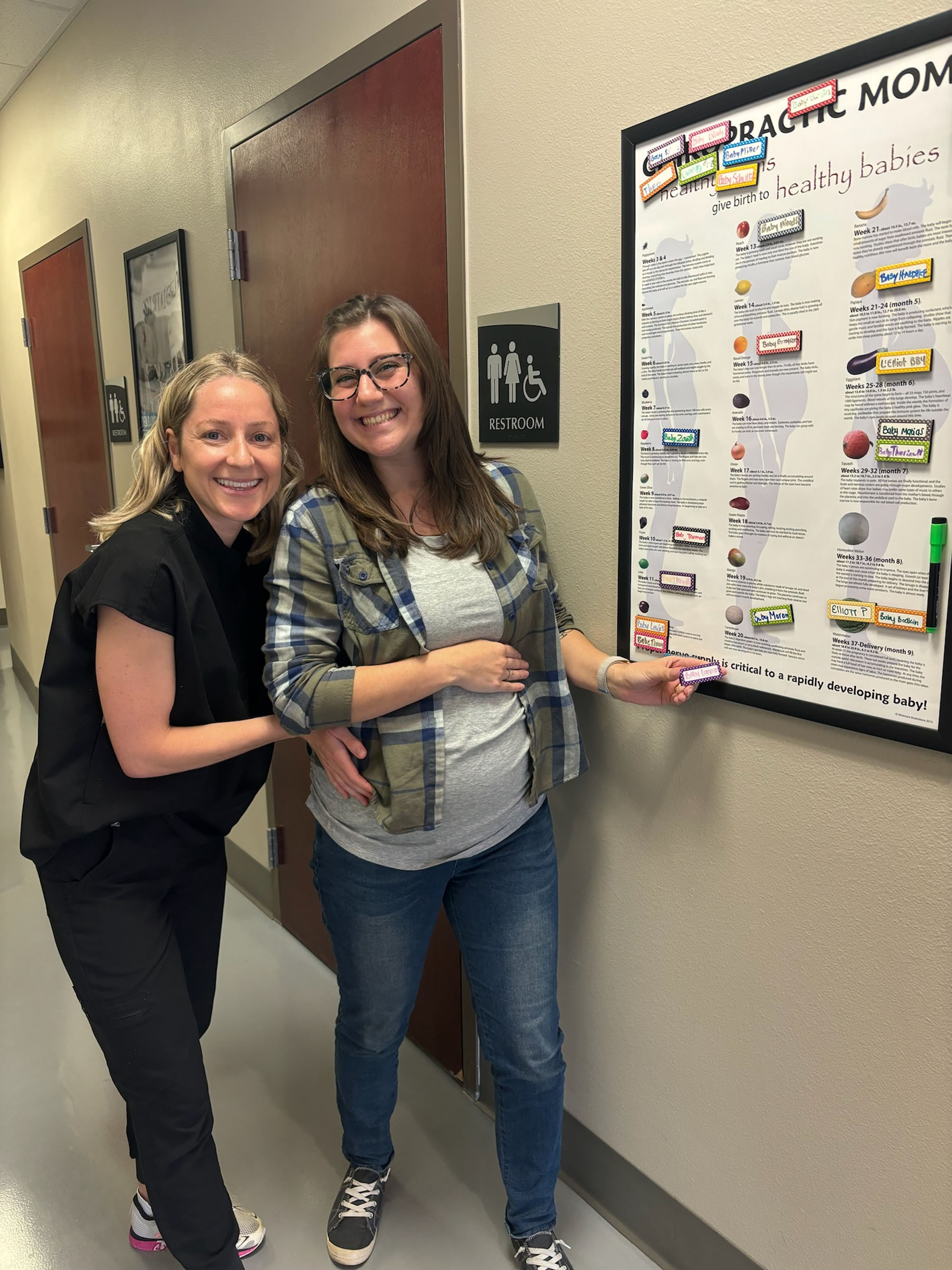
Webster-certified prenatal care.
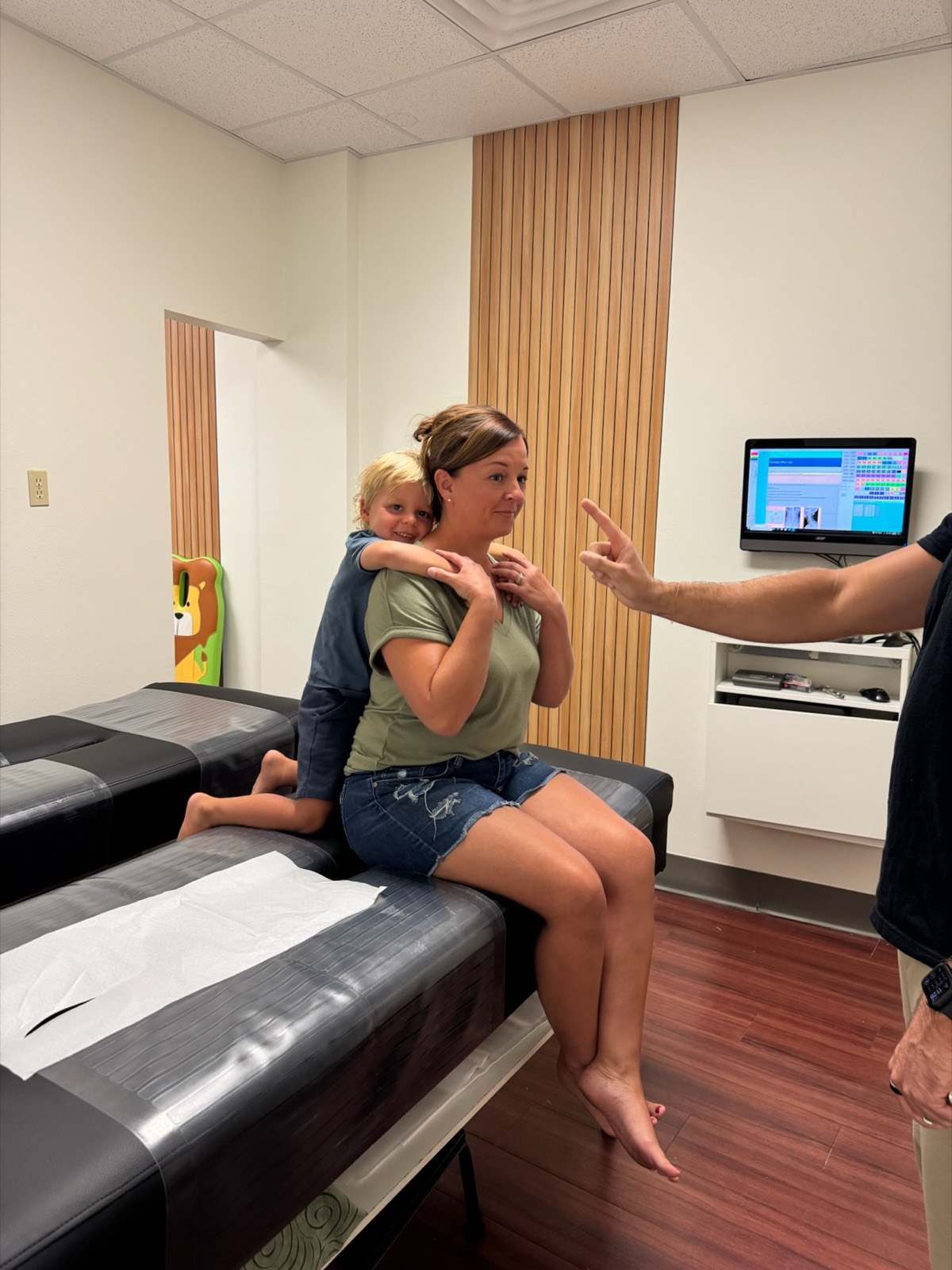
Care that grows with your family.
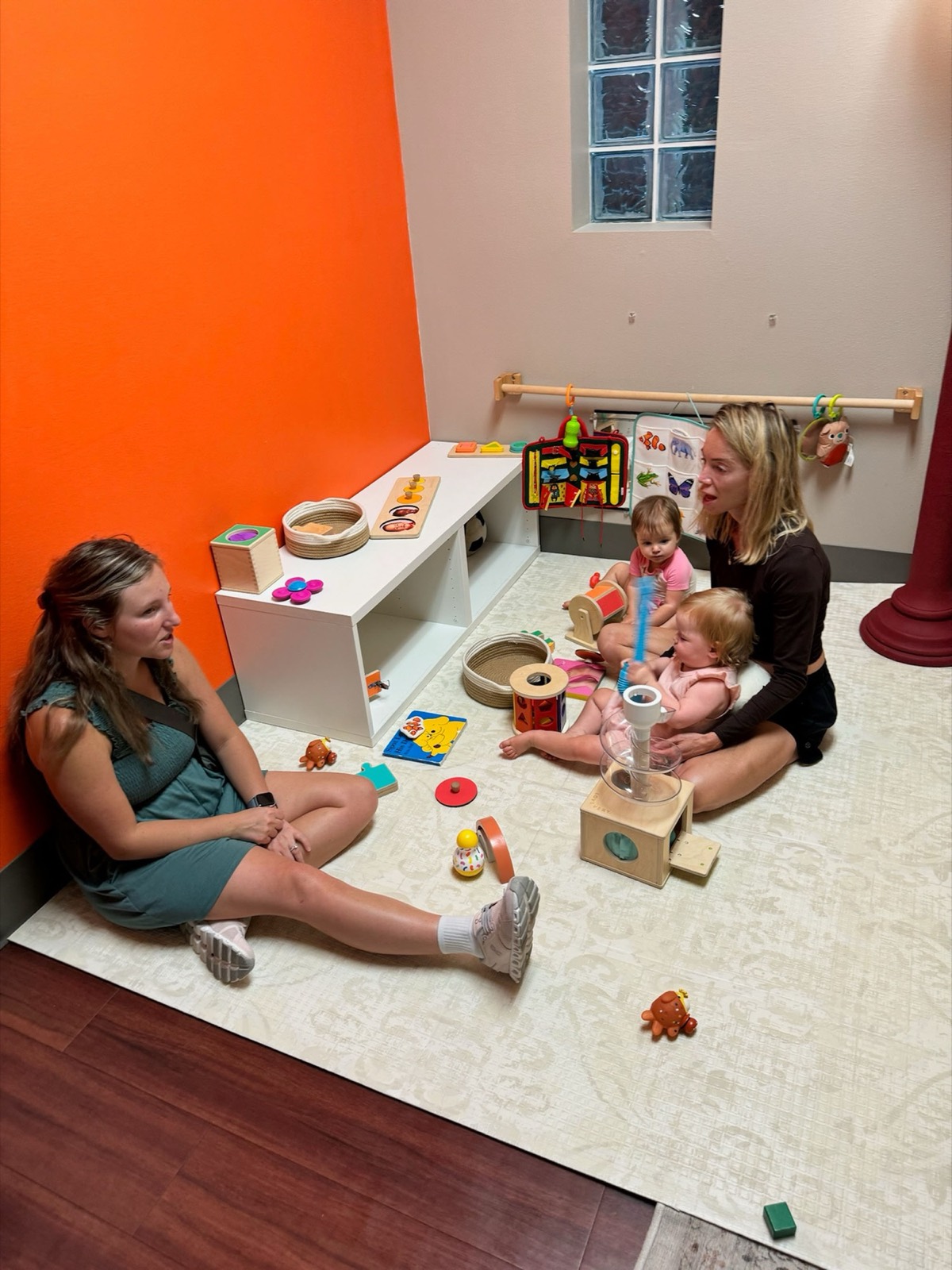
Moms supporting moms — every visit.
Keep Exploring
Meet our team
Services that support this
Care we offer for breech positioning

Read more
Articles for parents
Breech Baby? How the Webster Technique Supports Natural Turning
The Webster Technique does not turn a breech baby. It restores pelvic balance so your baby has room to move into a head-down position on their own.
The Webster Technique: A Complete Guide for Expecting Moms
The Webster Technique is a specific chiropractic approach that supports pelvic balance during pregnancy. Here's what it is, how it works, and what to expect from a Webster certified chiropractor.
First Trimester Chiropractic Care: What Every Expecting Mom Should Know
Is chiropractic safe during the first trimester? Yes — and for many moms, it's exactly when care matters most. Here's what happens at a prenatal visit and why starting early supports a more comfortable pregnancy.

Common questions
Frequently asked questions
Our Doctors
A pediatric-trained team behind every visit
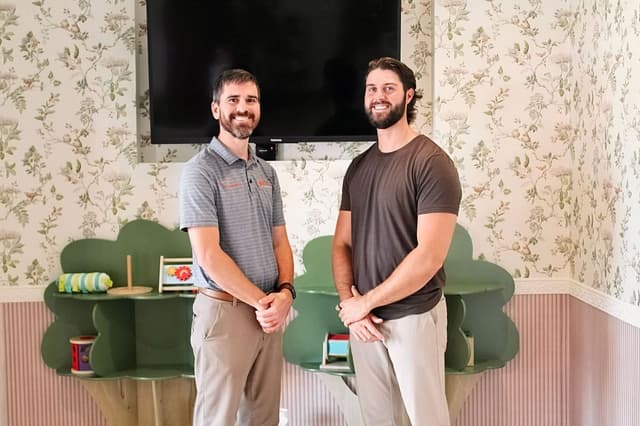
Little Roots is led by co-directors Dr. Logan Swaim, MS, DC and Dr. Laura Swaim, DC — both Webster Certified, Dr. Laura through the ICPA — alongside Dr. Grayson Fox, DC, who is PX-Certified with advanced training in chiropractic neurology and a dedicated pediatric focus. Carly Lovato, our office and lead case manager, and Yohanna Miller, our patient care coordinator, complete the team your family sees at every visit.
Meet the whole team →Want a personalized look at
your child's nervous system?
Start with a complimentary consultation. We listen first, evaluate gently, and recommend only if there's something we can help with.