

Condition
Sciatica During Pregnancy
You shouldn't have to white-knuckle through pregnancy pain
The sharp, shooting pain down your leg isn't just 'part of pregnancy.' Prenatal chiropractic care — gentle, safe, and performed with proper positioning — addresses the sacral and lumbar mechanics that compress the sciatic nerve as your body changes.
By Dr. Logan Swaim · Last updated July 17, 2026
Get help with Sciatica During Pregnancy
Three quick questions — we'll call you within 24 business hours.
Understanding Sciatica During Pregnancy
What it is & why it shows up
Sciatica during pregnancy is one of the most common things we see in our prenatal practice — a sharp, shooting, burning, or aching pain that starts in the low back or buttock and travels down one leg, sometimes all the way to the foot. It can be a dull background ache or a lightning bolt that stops you mid-step. Either way, you shouldn't have to manage nine months of it with ice packs and gritted teeth.
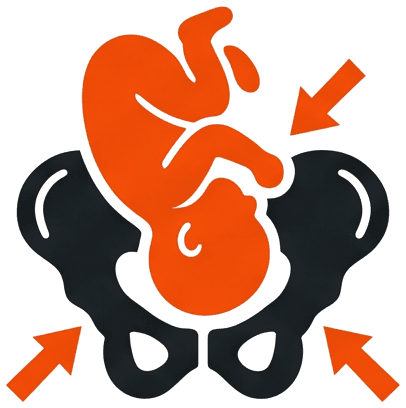
As your center of gravity shifts, your pelvis tilts forward, your lumbar curve deepens, and the baby's growing weight increases pressure on the sacrum and lower spine. The sciatic nerve — the largest nerve in the body — runs right through that neighborhood. When the sacroiliac joint or piriformis muscle is stressed by those changes, the nerve gets compressed. Prenatal chiropractic care specifically addresses that mechanical load with adjustments designed for a pregnant body.
Dr. Laura Swaim performs all prenatal care with specialized pregnancy pillows and positioning supports so you're completely comfortable face-down (yes, actually face-down and comfortable) throughout the visit. Care is coordinated with your OB or midwife, and we ask every new prenatal patient for a provider sign-off at the first visit.
What parents notice
Signs that bring families in
- Sharp, shooting pain from the low back down one leg
- Burning or aching sensation in the buttock, hip, or thigh
- Pain that worsens with prolonged sitting or standing
- Difficulty walking, rolling over in bed, or getting out of a car
- Numbness or tingling down the leg or into the foot
- Low back stiffness that's worse in the morning or after rest
How we help
Our approach to sciatica during pregnancy
- Full pregnancy and posture history — when did it start, what makes it worse
- Sacroiliac joint and lumbar assessment with pregnancy-specific positioning
- Gentle sacral and lumbar adjustments using a pregnancy pillow table
- Soft-tissue work on the piriformis and surrounding hip musculature
- Home exercises and positioning modifications to manage between visits
- Coordination with your OB, midwife, or physical therapist
From the Clinic
Hear it from our doctors
Dr. Grayson Fox — All Ages Prenatal”
Inside Little Roots
What gentle care looks like.
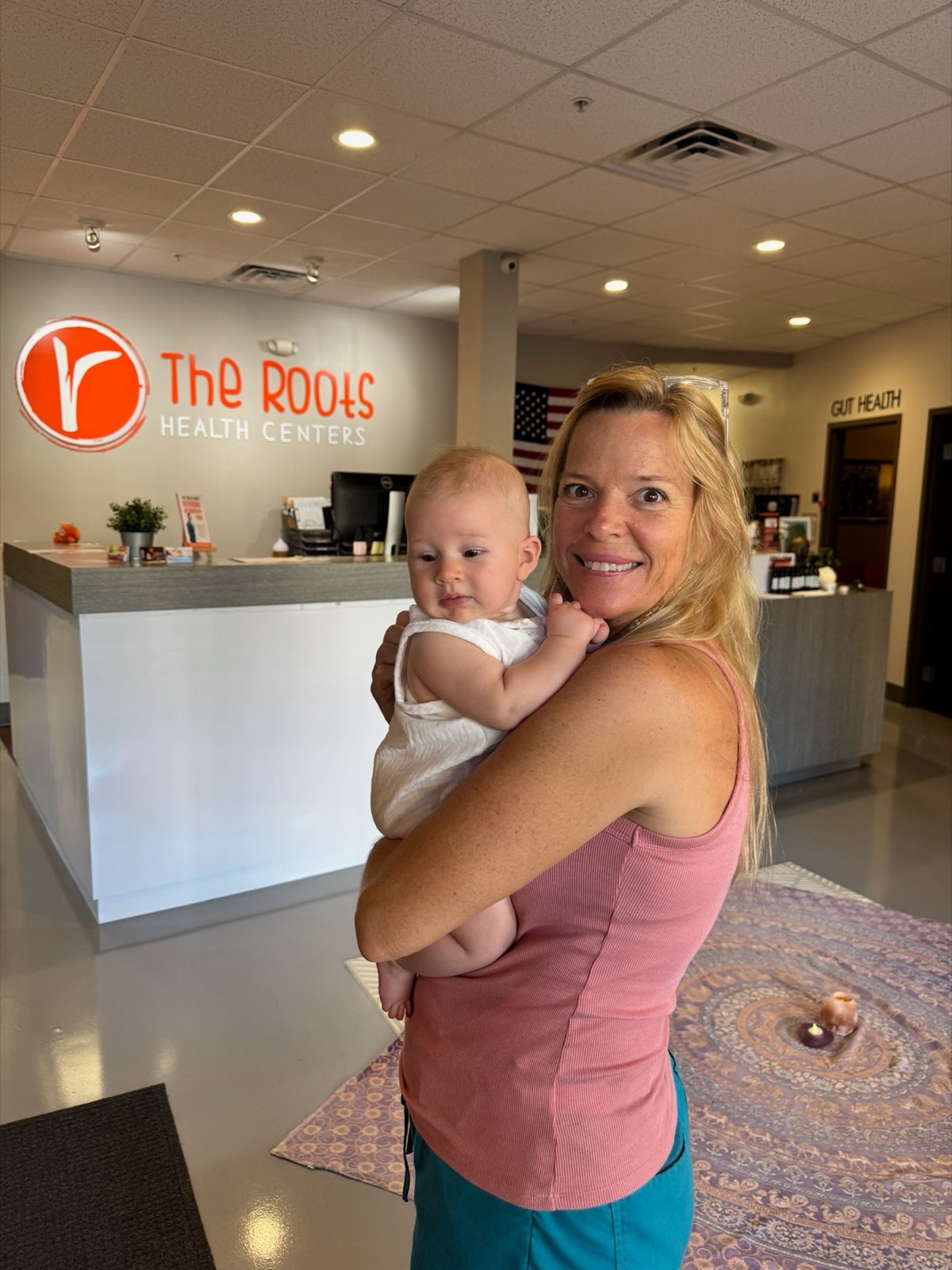
When mom is supported, the whole family thrives.
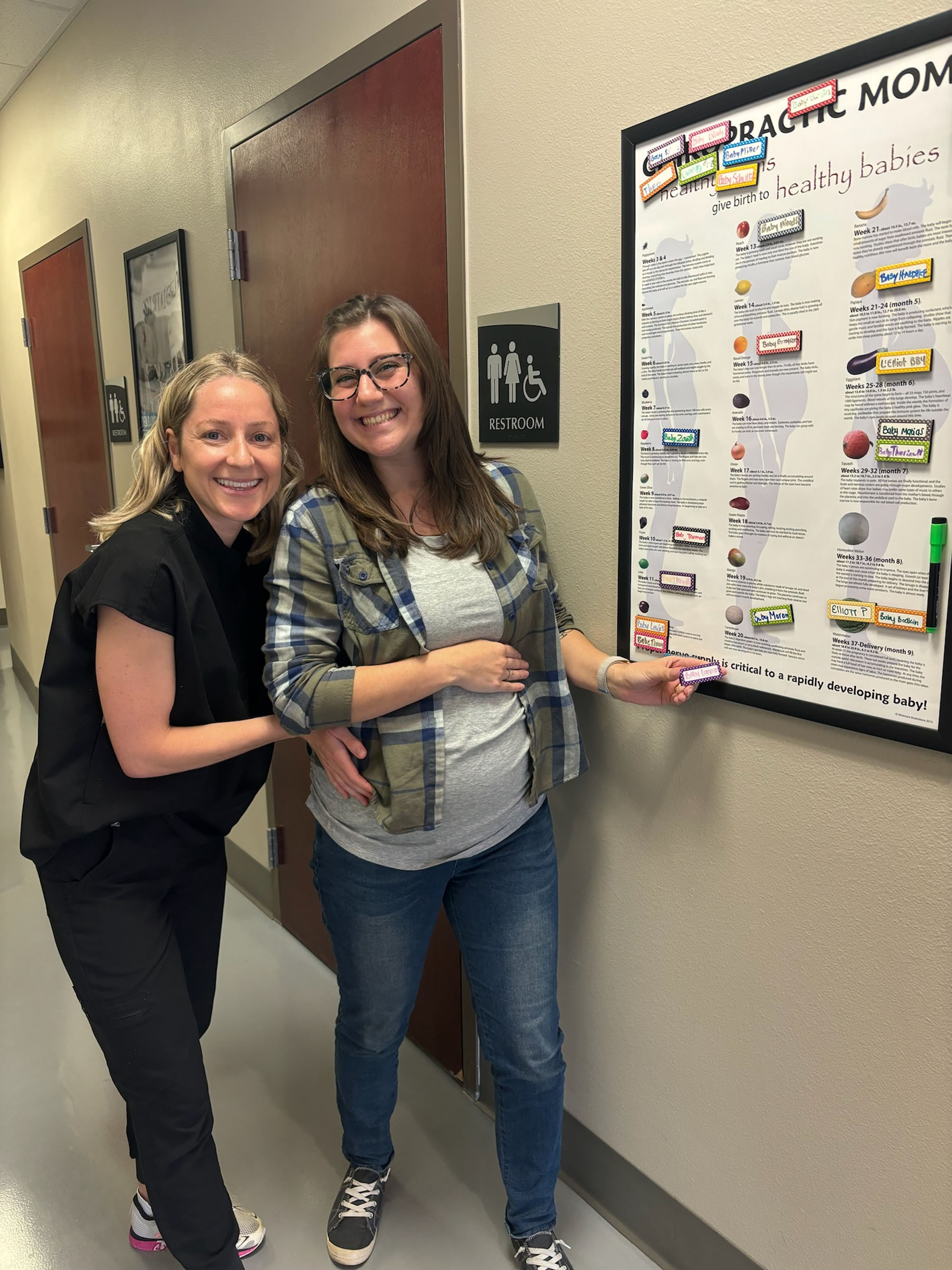
Webster-certified prenatal care.
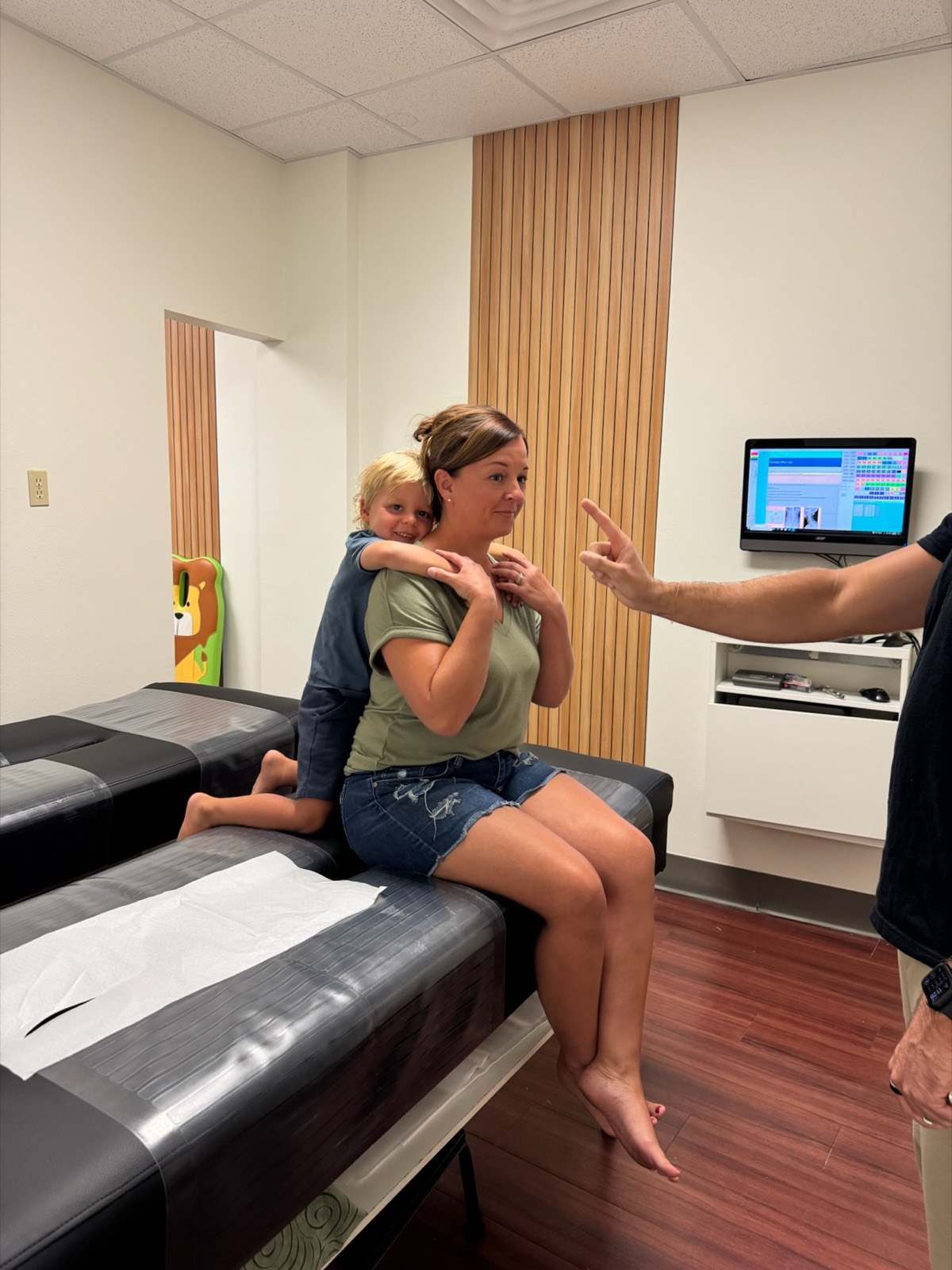
Care that grows with your family.
Keep Exploring
Meet our team
Services that support this
Care we offer for sciatica during pregnancy
Read more
Articles for parents
Pregnancy Back Pain Relief: Why It Happens and How Prenatal Chiropractic Helps
Back pain during pregnancy is one of the most common complaints — and one of the most dismissed. Here's what's actually happening in your body and how prenatal chiropractic care can help.
First Trimester Chiropractic Care: What Every Expecting Mom Should Know
Is chiropractic safe during the first trimester? Yes — and for many moms, it's exactly when care matters most. Here's what happens at a prenatal visit and why starting early supports a more comfortable pregnancy.
The Webster Technique: A Complete Guide for Expecting Moms
The Webster Technique is a specific chiropractic approach that supports pelvic balance during pregnancy. Here's what it is, how it works, and what to expect from a Webster certified chiropractor.
Common questions
Frequently asked questions
Our Doctors
A pediatric-trained team behind every visit
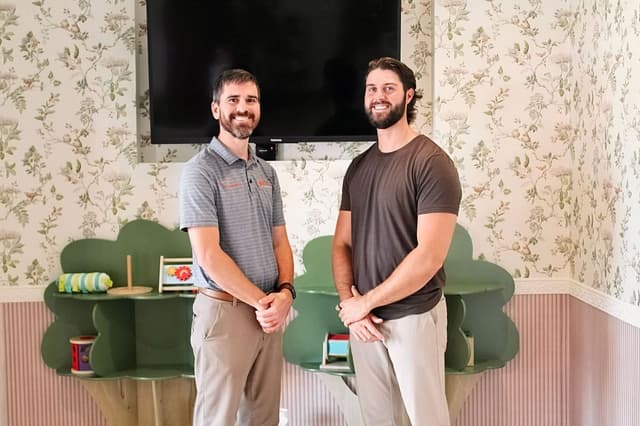
Little Roots is led by co-directors Dr. Logan Swaim, MS, DC and Dr. Laura Swaim, DC — both Webster Certified, Dr. Laura through the ICPA — alongside Dr. Grayson Fox, DC, who is PX-Certified with advanced training in chiropractic neurology and a dedicated pediatric focus. Carly Lovato, our office and lead case manager, and Yohanna Miller, our patient care coordinator, complete the team your family sees at every visit.
Meet the whole team →Want a personalized look at
your child's nervous system?
Start with a complimentary consultation. We listen first, evaluate gently, and recommend only if there's something we can help with.