

Condition
Ear Infections
Recurring ear infections deserve a different question
When a child gets four, six, eight ear infections in a year, the question isn't just 'which antibiotic?' — it's why drainage keeps failing. Gentle chiropractic care targets the eustachian tube mechanics and vagal tone that make drainage possible in the first place.
By Dr. Logan Swaim · Last updated July 17, 2026
Get help with Ear Infections
Three quick questions — we'll call you within 24 business hours.
Understanding Ear Infections
What it is & why it shows up
Recurring ear infections are one of the most common reasons children end up in our office after their pediatrician conversation reaches a standstill. Antibiotics clear the infection, but they don't change the drainage picture — and if the eustachian tubes aren't draining well, fluid just accumulates again. The ENT conversation comes next. Tubes are sometimes the right answer. But many families want to know whether there's a structural reason drainage is failing before going surgical.
The eustachian tube angle in young children is nearly horizontal — which makes drainage harder than in older kids and adults. The tube is controlled partly by a muscle (the tensor veli palatini) that attaches near the base of the skull and is innervated by the vagus nerve. When the upper cervical spine or cranial base holds tension from birth or repeated illness, the mechanical and neurological picture for drainage gets worse. Gentle work in that area — especially the atlas (C1), jaw, and occiput — can improve drainage significantly.
We're not asking you to skip your pediatrician or delay urgent care. Acute infections with fever and severe pain need medical evaluation first. What we offer is the structural layer that addresses why infections keep happening, working alongside your pediatrician's plan, not instead of it.
What parents notice
Signs that bring families in
- Recurring ear infections — 4 or more in a year
- Persistent fluid in the ears between infections
- Pulling at ears, especially at night or after lying down
- Mild hearing changes or muffled speech
- Difficulty with sleep during and after infection
- Balance issues or dizziness with repeated ear infections
How we help
Our approach to ear infections
- Full infection and birth history — pattern, timing, treatment response
- Structural assessment of the atlas, occiput, and jaw mechanics
- Gentle upper cervical and cranial work to improve eustachian tube drainage angle
- Intraoral palate assessment when indicated
- Coordination with your pediatrician and ENT regarding timing and surgical decision-making
From the Clinic
Hear it from our doctors
Dr. Grayson Fox — Why Pediatric Chiropractic”
Inside Little Roots
What gentle care looks like.
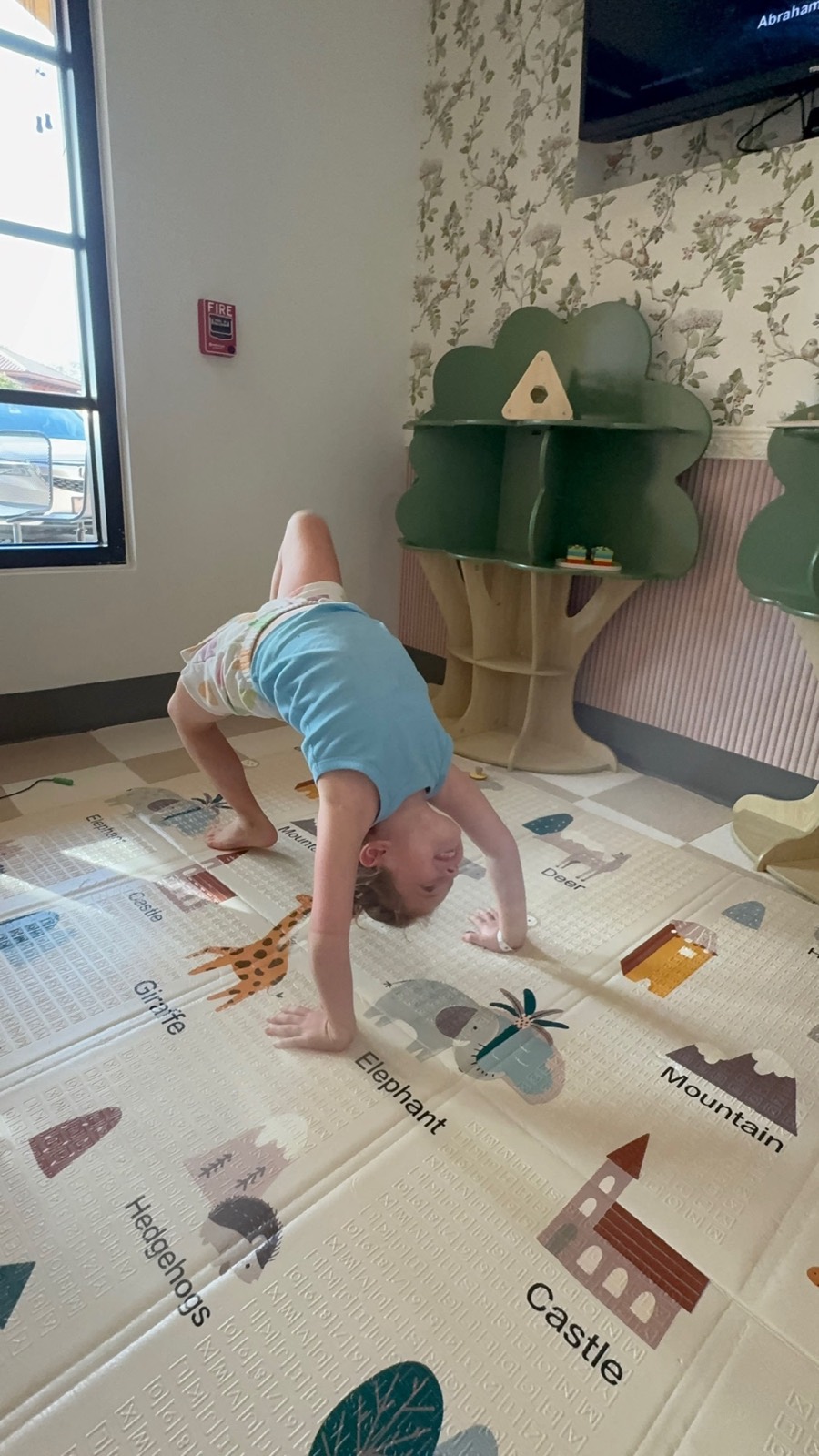
Strong, moving, thriving.
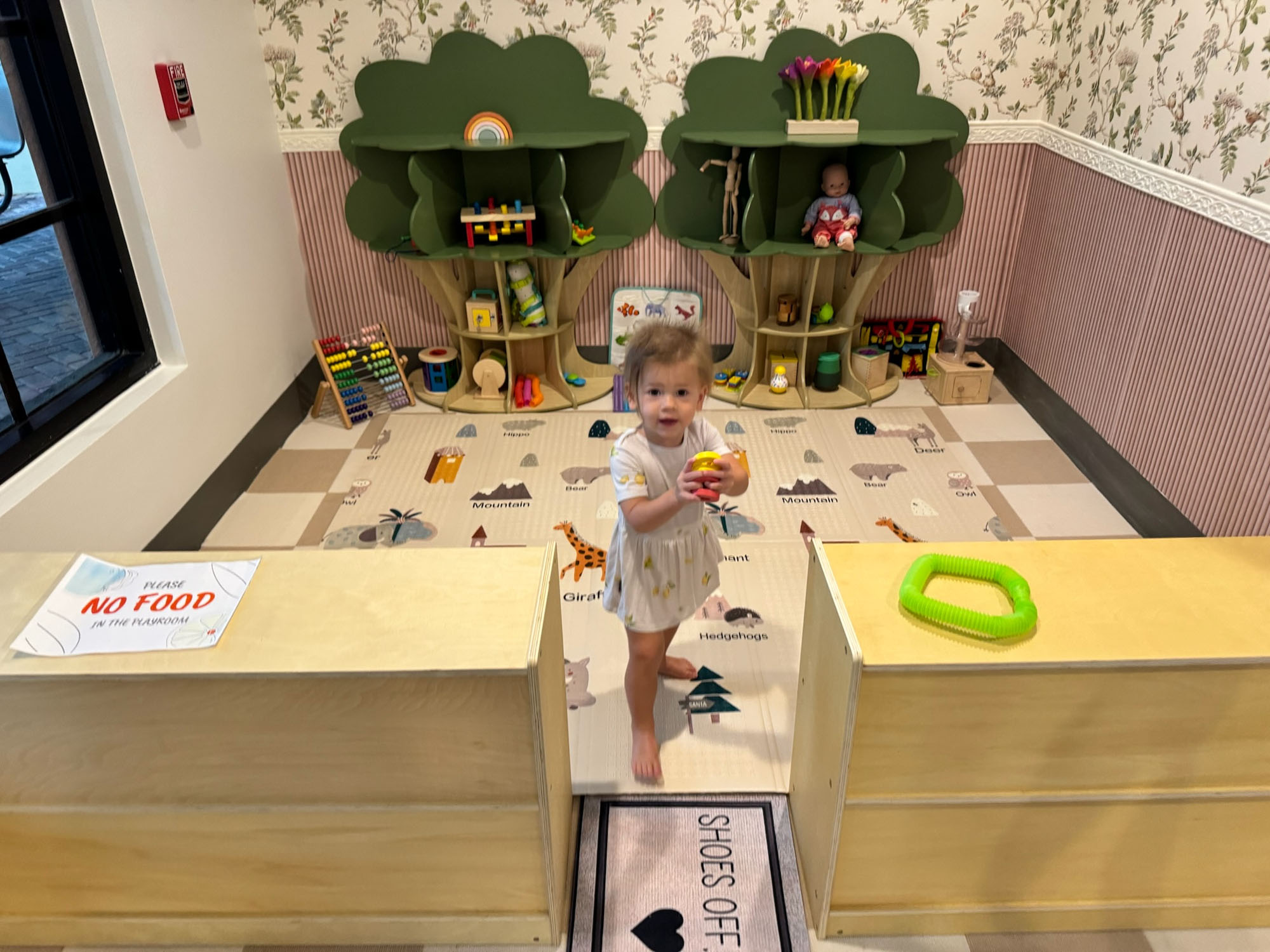
The treehouse — built for imagination.
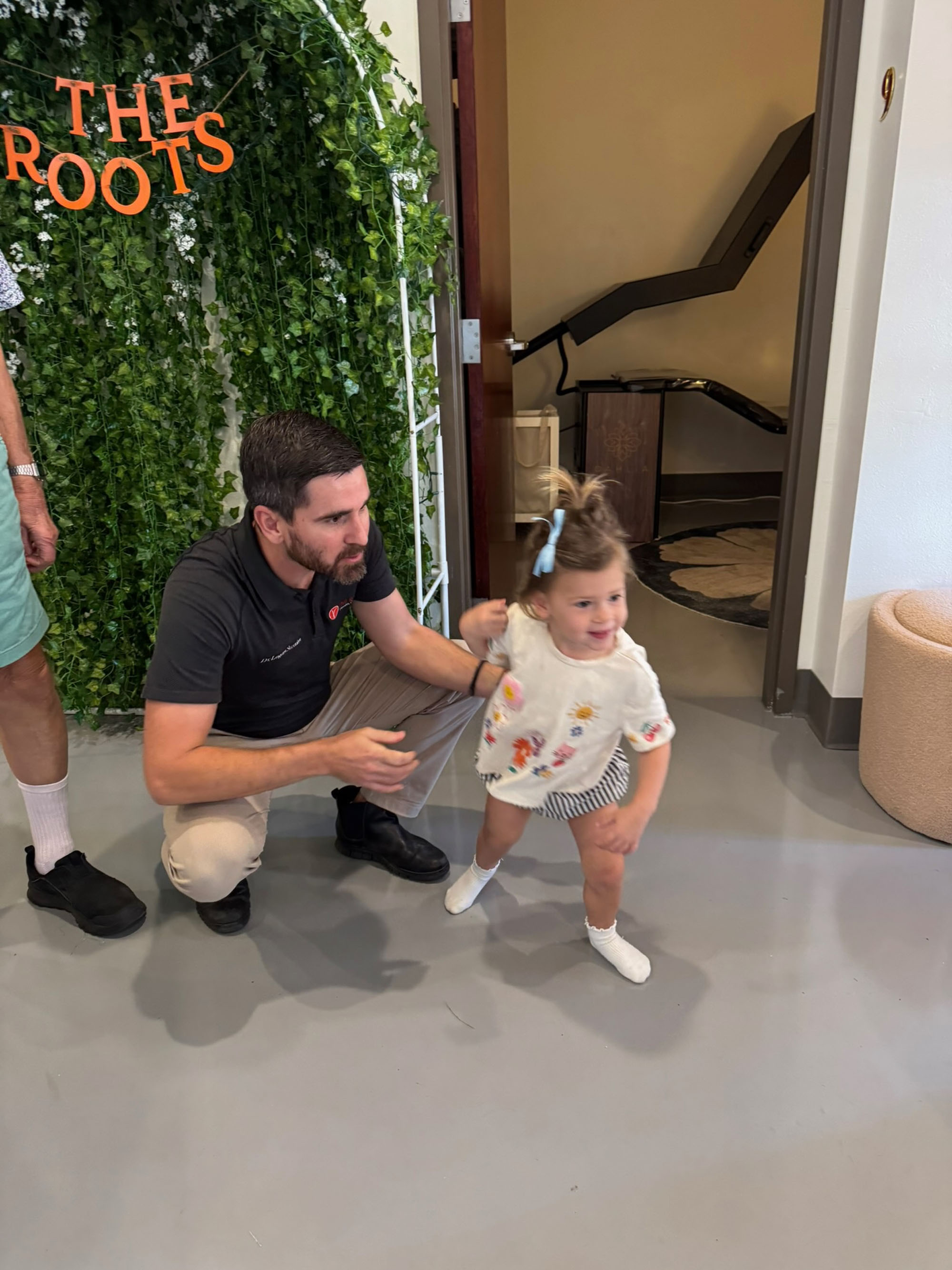
Family day — a Roots tradition.
Keep Exploring
Meet our team
Services that support this
Care we offer for ear infections
Infant & Newborn Care
Specialized chiropractic care for newborns and infants, using pressure as light as testing the ripeness of a tomato.
Learn more →
Pediatric Wellness
Neurologically-focused chiropractic care for kids and teens — supporting healthy development, immune function, sleep, focus, and behavior.
Learn more →Read more
Articles for parents
Ear Infections and Chiropractic: Why Your Child's Ears Keep Getting Infected
Chronic ear infections in kids often follow a frustrating cycle of antibiotics and ENT referrals. Here's what the nervous system has to do with it — and how pediatric chiropractic care can support your child's ability to drain and heal naturally.
Is Chiropractic Safe for Babies? What the Research Actually Shows
Parents ask us every week: is chiropractic safe for my baby? Here is what the published safety data says, what a newborn adjustment actually looks like, and how to find a qualified pediatric chiropractor in Lakewood Ranch.



Common questions
Frequently asked questions
Our Doctors
A pediatric-trained team behind every visit
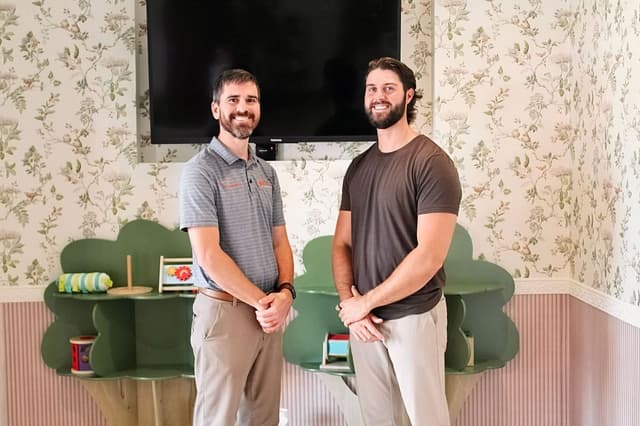
Little Roots is led by co-directors Dr. Logan Swaim, MS, DC and Dr. Laura Swaim, DC — both Webster Certified, Dr. Laura through the ICPA — alongside Dr. Grayson Fox, DC, who is PX-Certified with advanced training in chiropractic neurology and a dedicated pediatric focus. Carly Lovato, our office and lead case manager, and Yohanna Miller, our patient care coordinator, complete the team your family sees at every visit.
Meet the whole team →Want a personalized look at
your child's nervous system?
Start with a complimentary consultation. We listen first, evaluate gently, and recommend only if there's something we can help with.