

Webster Certified Chiropractor
Webster Certified chiropractor — specific care for a changing body
Webster isn't a cracking technique, and it isn't something you can do at home. It's a specific analysis and gentle correction developed for pregnant bodies — and it's the heart of prenatal care at Little Roots.
The Short Version
What is the Webster Technique?
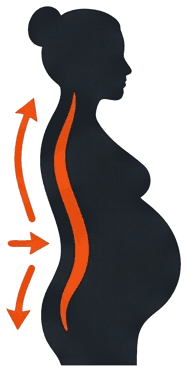
The Webster Technique was developed by Dr. Larry Webster in the 1980s and is now taught through the International Chiropractic Pediatric Association (ICPA). It's a specific chiropractic analysis designed to evaluate and balance a pregnant woman's sacrum and pelvis.
The goal isn't dramatic — it's precise. Webster addresses the small rotational imbalances that commonly show up in the sacrum and pelvis as pregnancy hormones soften your ligaments and your baby grows. When those structures move easier, everything else gets easier too.
It's used by ICPA-trained chiropractors all over the world, and it's the technique Dr. Laura trained in specifically for the mamas at Little Roots.
What Actually Happens
How it works on the table
You lie comfortably on a table designed for pregnant bodies — with proper support and no pressure on your belly. Our doctors use their hands to find the specific pattern of sacral and pelvic tension your body is holding that day.
The correction itself is gentle. A small, specific contact. No twisting. No cracking. No forceful movement. Most mamas say it feels like the most relaxing 10 minutes of their week, and many fall asleep on the table by their third or fourth visit.
Our doctors also work on soft tissue around the round ligaments — the band-like structures that stretch and tug as your uterus grows. Releasing that tension can relieve the sharp, pulling pain a lot of mamas feel in the second and third trimesters.
About Breech Babies
Webster doesn't turn your baby. Your body does.
This is the question we hear most: “If my baby is breech, will Webster turn them?” The honest answer is: no, not directly. Webster isn't a maneuver that moves your baby. It's a technique that balances the pelvis and releases the ligaments that may be restricting your baby's movement.
When those restrictions release, your baby often finds the head-down position on their own. It's their body doing what it naturally wants to do — they just needed a little more room. Many mamas with breech or transverse babies do turn after consistent Webster-based care.
We always work alongside your OB or midwife, we don't promise outcomes, and we're glad to coordinate with your whole birth team.
Meet Dr. Laura
Webster trained. Mama focused.
Dr. Laura Swaim graduated Cum Laude from Life University and earned her ICPA Webster Technique Certification through dedicated post-graduate training. Her specialty from day one has been expecting mothers, pregnancy recovery, and the littlest patients.
She co-founded Little Roots with her husband Dr. Logan after realizing how many mamas in Lakewood Ranch needed a soft, specialized space — not a general chiropractic office that happened to take pregnant patients. Her care is unhurried, warm, and built entirely around you.
In Her Words
Hear it from Dr. Laura
“Dr. Grayson Fox — All Ages Prenatal”
Keep Reading
What care looks like through your pregnancy
Every trimester has a rhythm. Here's how Webster-based care flexes with your body from those first weeks all the way through postpartum.
Explore the Trimester GuideWebster visits
Calm rooms. Unrushed visits.
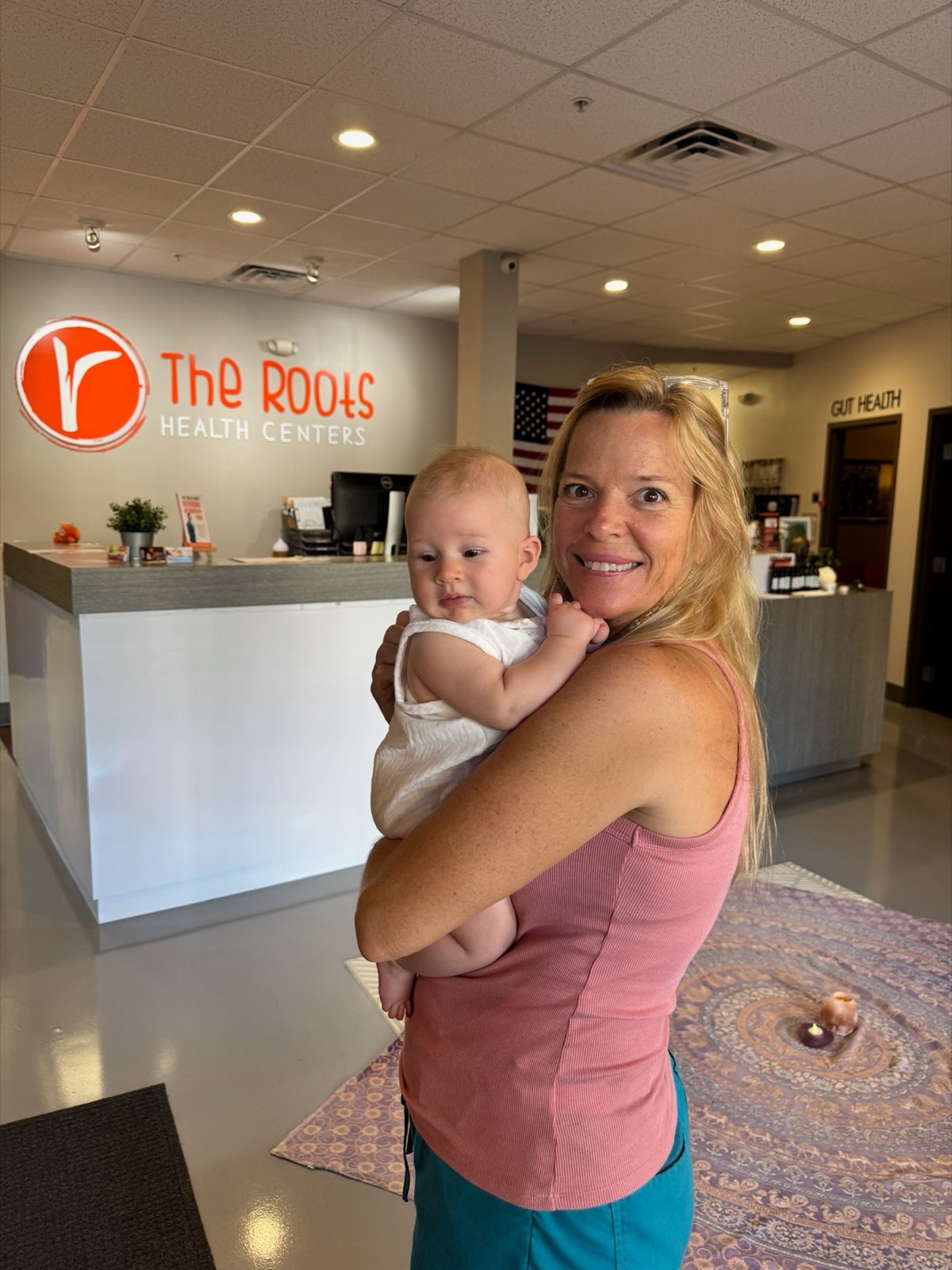
When mom is supported, the whole family thrives.
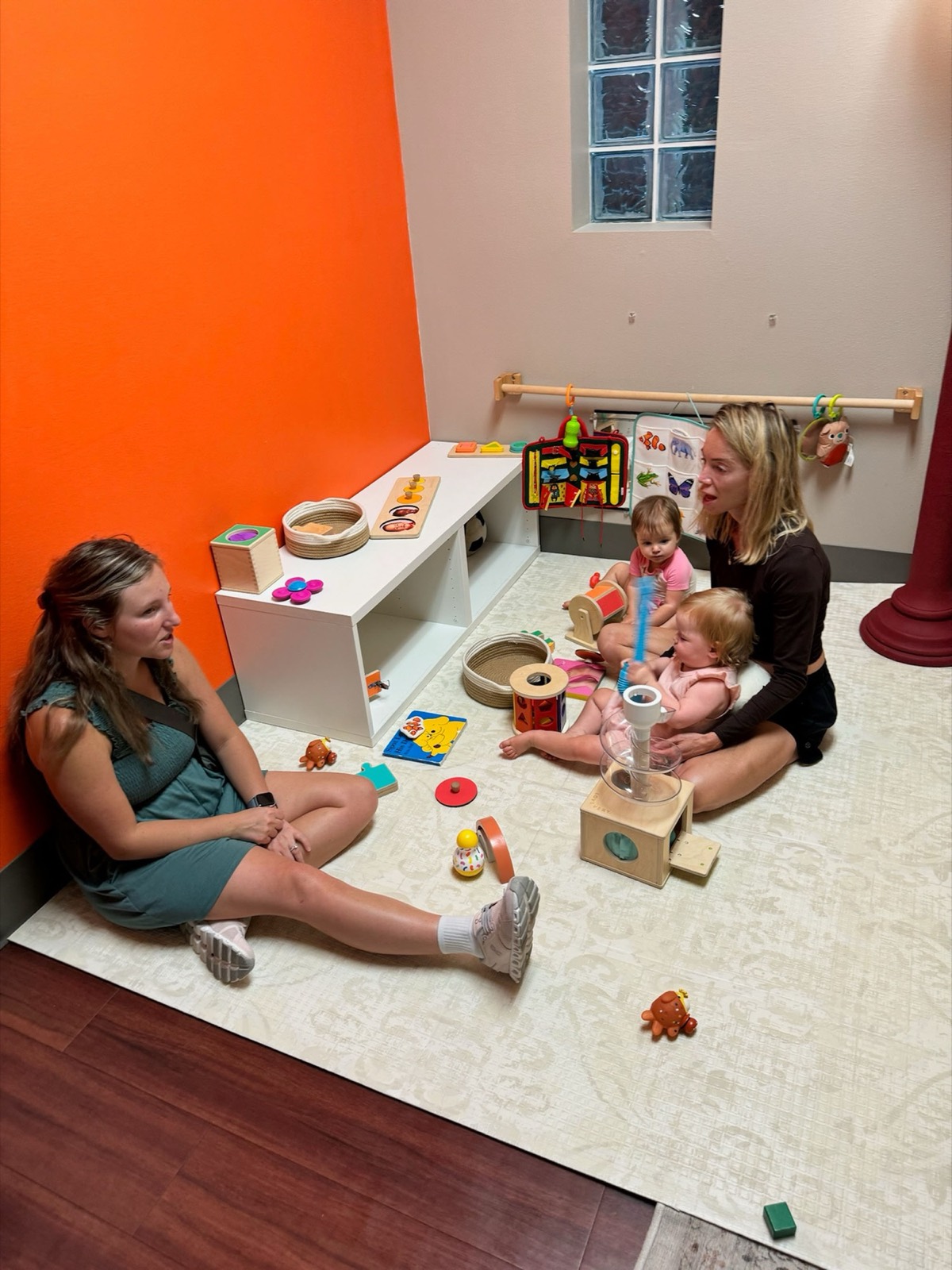
Moms supporting moms — every visit.
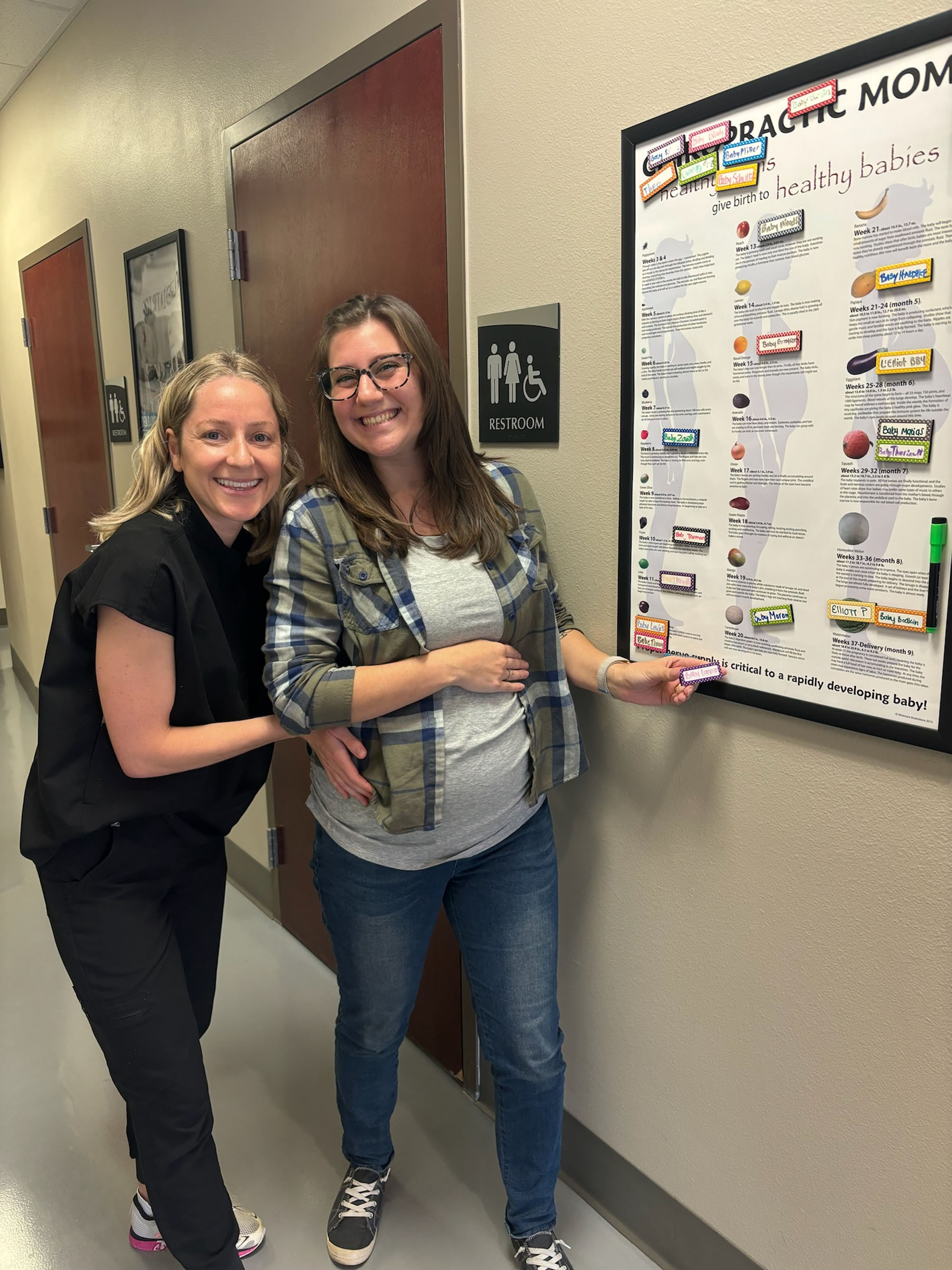
Webster-certified prenatal care.
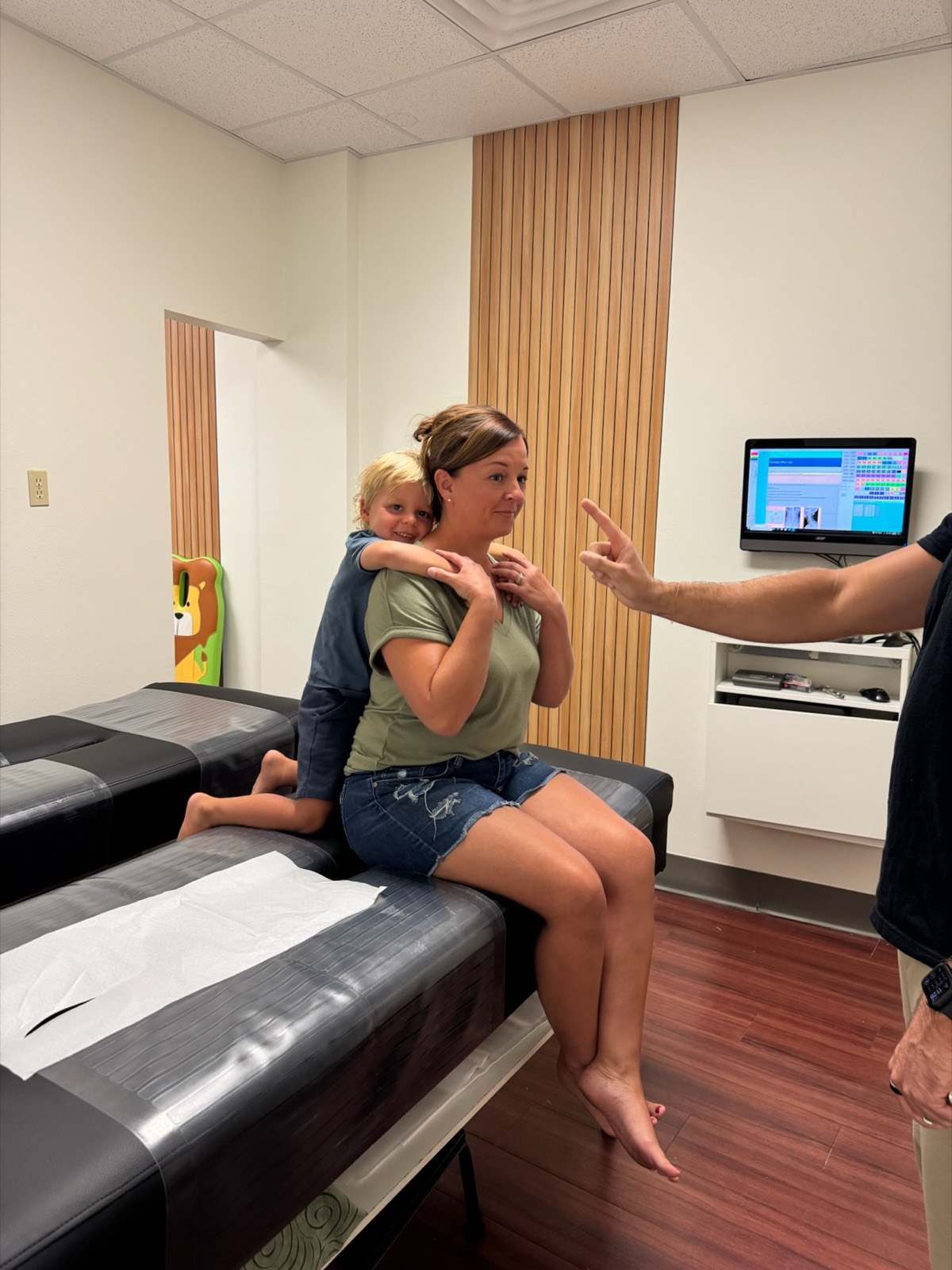
Care that grows with your family.
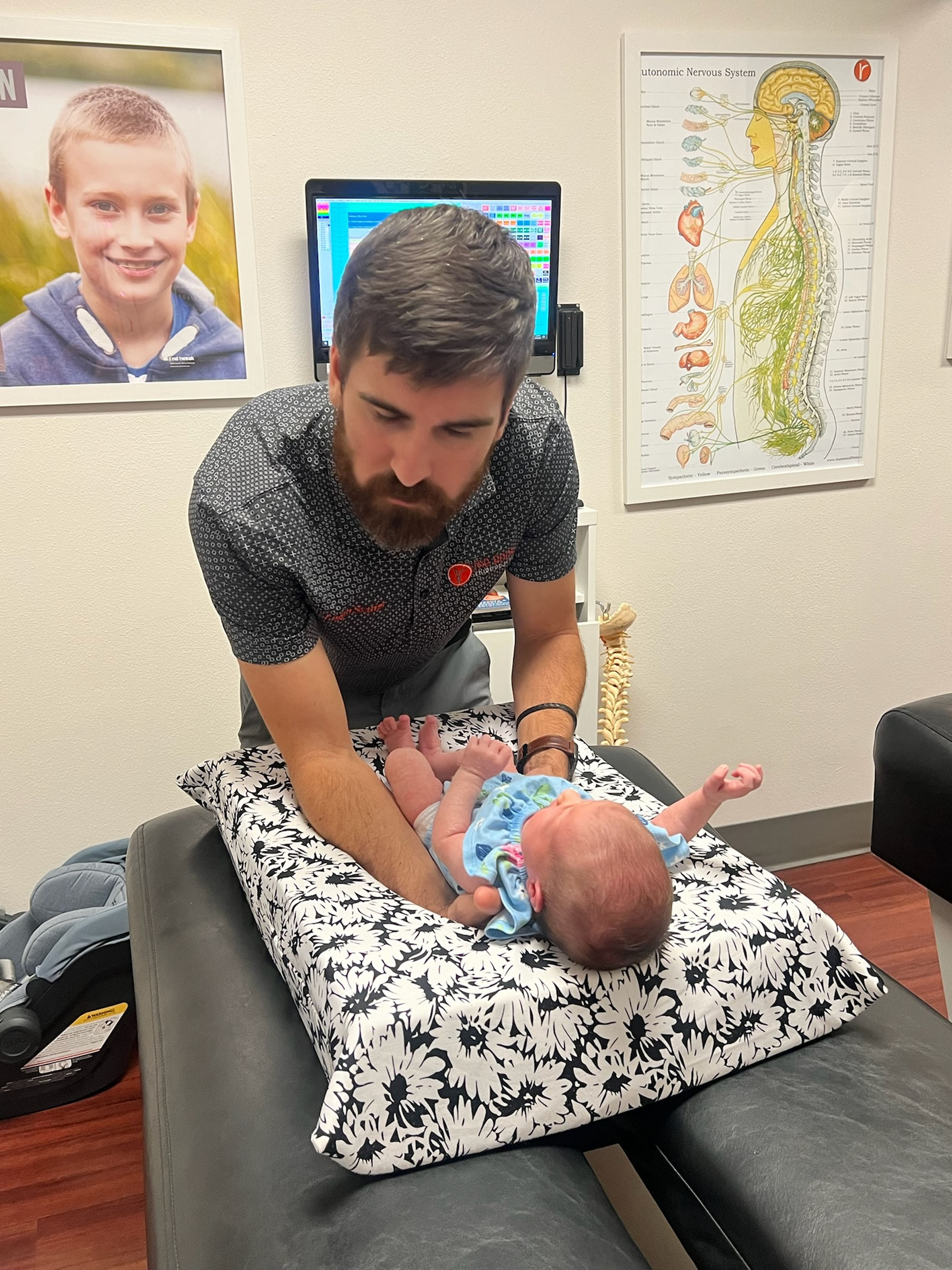
Nervous-system first. Always.
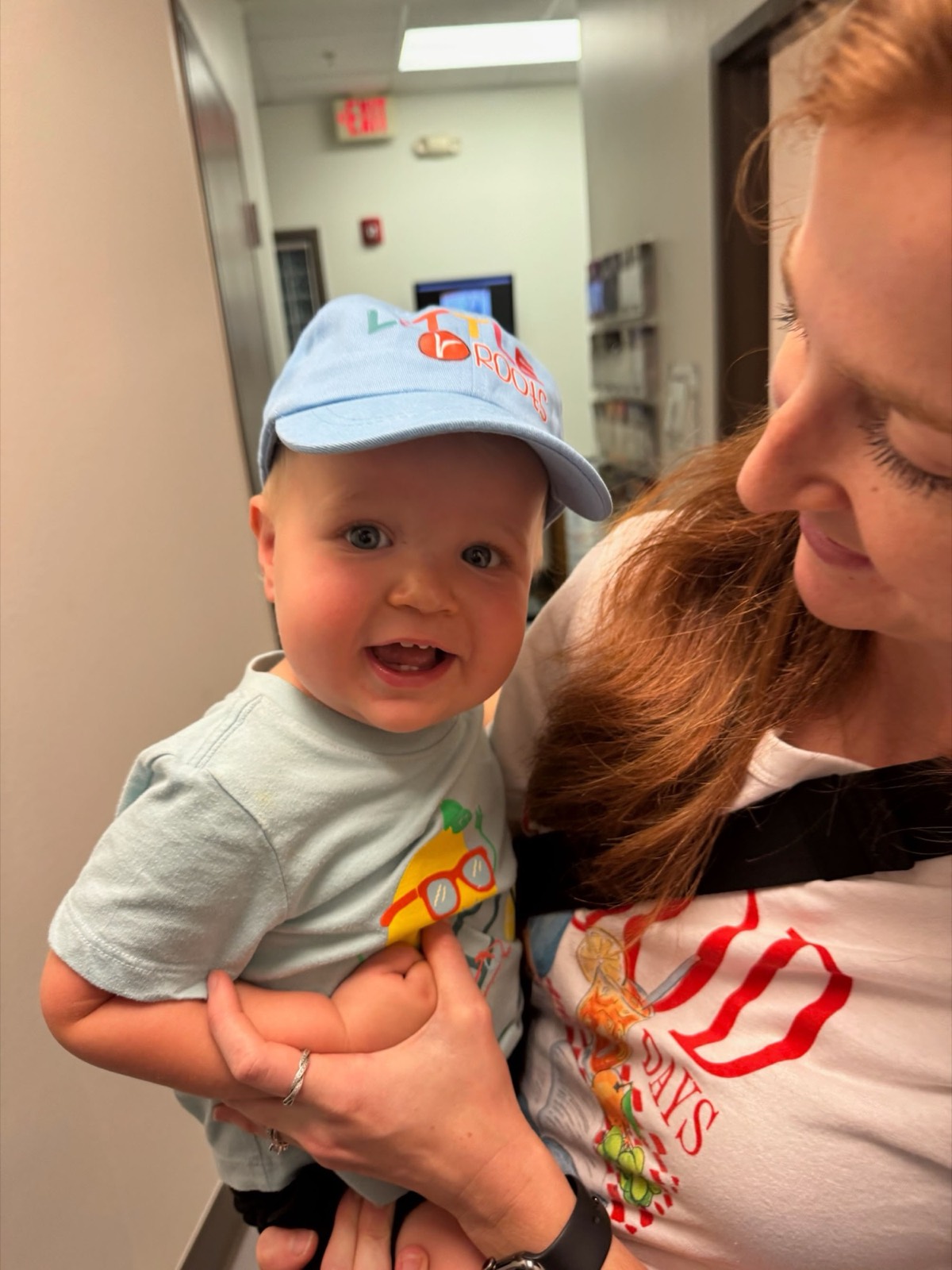
Little Roots, littlest fans.
Keep Exploring
Your pregnancy journey
Ready to feel the difference?
Book a visit and Dr. Laura will walk you through everything on your first consultation — no pressure to start.