

Your Pregnancy Journey
Care that flexes with every stage
Every trimester asks something different of your body. Here's how Webster-based prenatal care adapts — from those first quiet weeks through delivery and the season that follows.
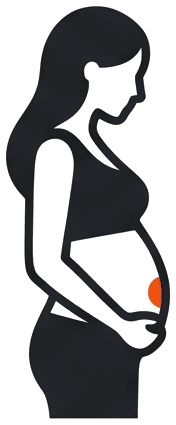
First Trimester
Hormones shift. The nervous system resets.
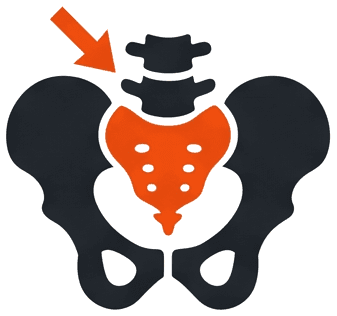
The first trimester doesn't look like much from the outside — but on the inside, your body is doing incredible work. Relaxin, the hormone that loosens your ligaments for later pregnancy, is already ramping up. Your pelvis is starting to adapt, even if your belly hasn't shown yet.
This is a beautiful window to address pre-existing tension before it has a chance to flare. Small imbalances in your sacrum, hips, and upper back respond quickly in early pregnancy — often faster than they would later on.
We also focus on the nervous system. Pregnancy asks a lot of your body, and a well-regulated nervous system means better sleep, steadier digestion, and a calmer reaction to the hormone changes ahead.

Second Trimester
Your belly grows. Your center of gravity shifts.
This is often the trimester mamas feel best — morning sickness eases, energy comes back, and you actually look pregnant. But your center of gravity is shifting forward as baby grows, which starts to pull on your lower back, hips, and round ligaments.
Webster-based care in the second trimester keeps your pelvis balanced as that shift happens. We release the round ligaments gently, keep your sacrum mobile, and work on the upper back tension that shows up as your posture changes.
If you're experiencing sciatica, pubic-symphysis pain, or sharp pulling in your sides, this is the trimester where gentle, consistent prenatal care makes the biggest difference.

Third Trimester
Prepping the pelvis. Creating room for baby.
In the final stretch, Webster Technique really earns its name. Your baby is filling up the space they've been given, and a balanced pelvis is the best gift you can offer them as they settle into position for delivery.
We step up the frequency of visits in the third trimester — often weekly — and focus specifically on pelvic and sacral balance. Mamas with breech or transverse babies often use this time to give their little one every chance to find head-down on their own.
We also talk about labor prep: positioning that feels good to you, how to listen to your body's signals, and the small things you can do at home between visits. When moms arrive at delivery with a balanced, mobile pelvis, labor often unfolds more smoothly.

After Baby Arrives
Recovery isn't just for the baby.
Your body just did something incredible, and recovery deserves the same care pregnancy got. Your pelvis, your core, and your nervous system all need a soft, unhurried path back to alignment — not a rushed one.
Postpartum care at Little Roots is gentle, specific, and tailored to what your delivery looked like. Whether you had a smooth vaginal birth, a long labor, an induction, or a C-section, we meet you exactly where your body is.
Many mamas also bring their newborns in for their own gentle assessment around this time — the perfect way to stay on top of your own care while also giving baby a great start.
Keep Going
Continue Your Research

Every trimester has a rhythm
From the first appointment to postpartum.
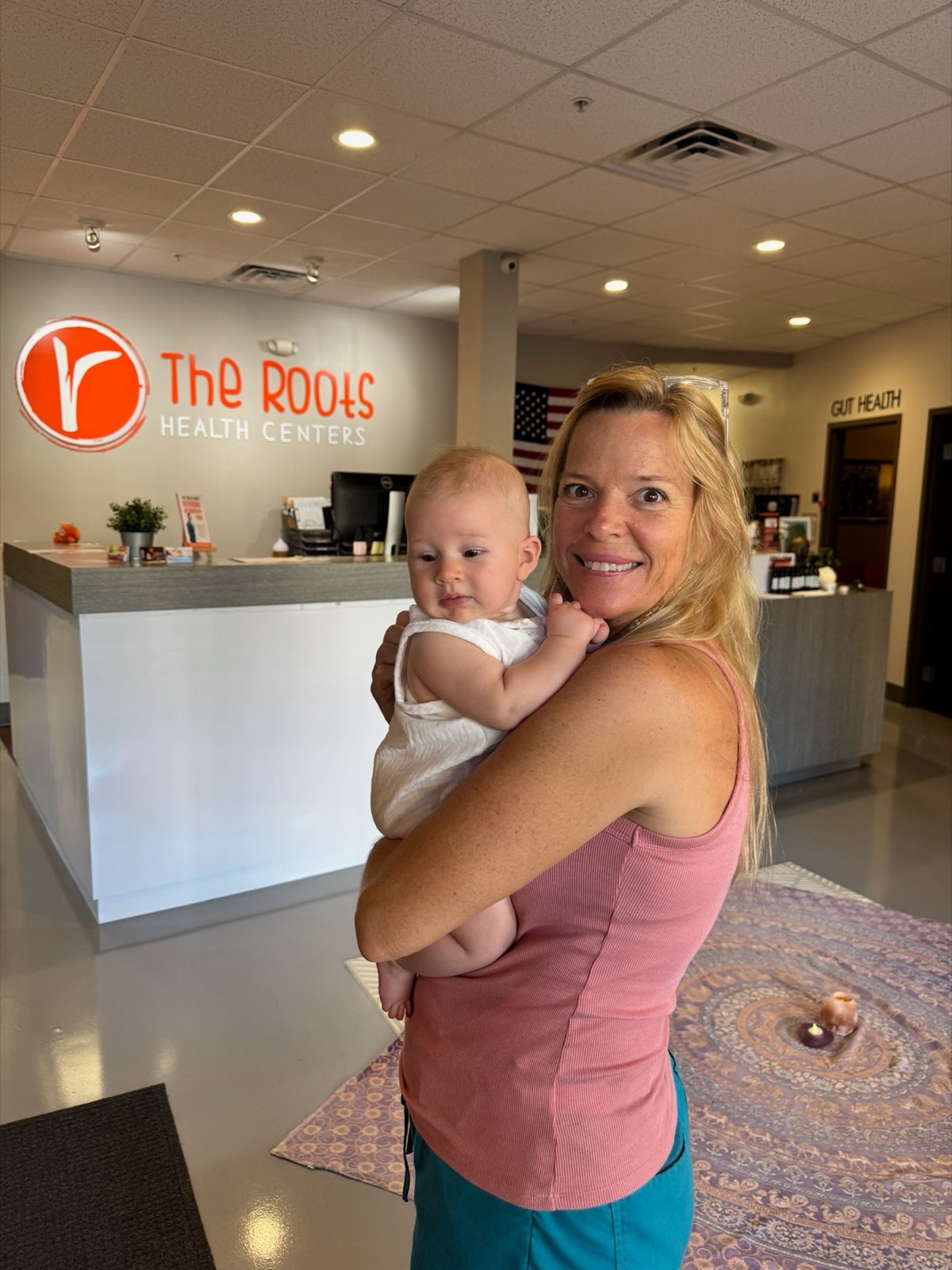
When mom is supported, the whole family thrives.
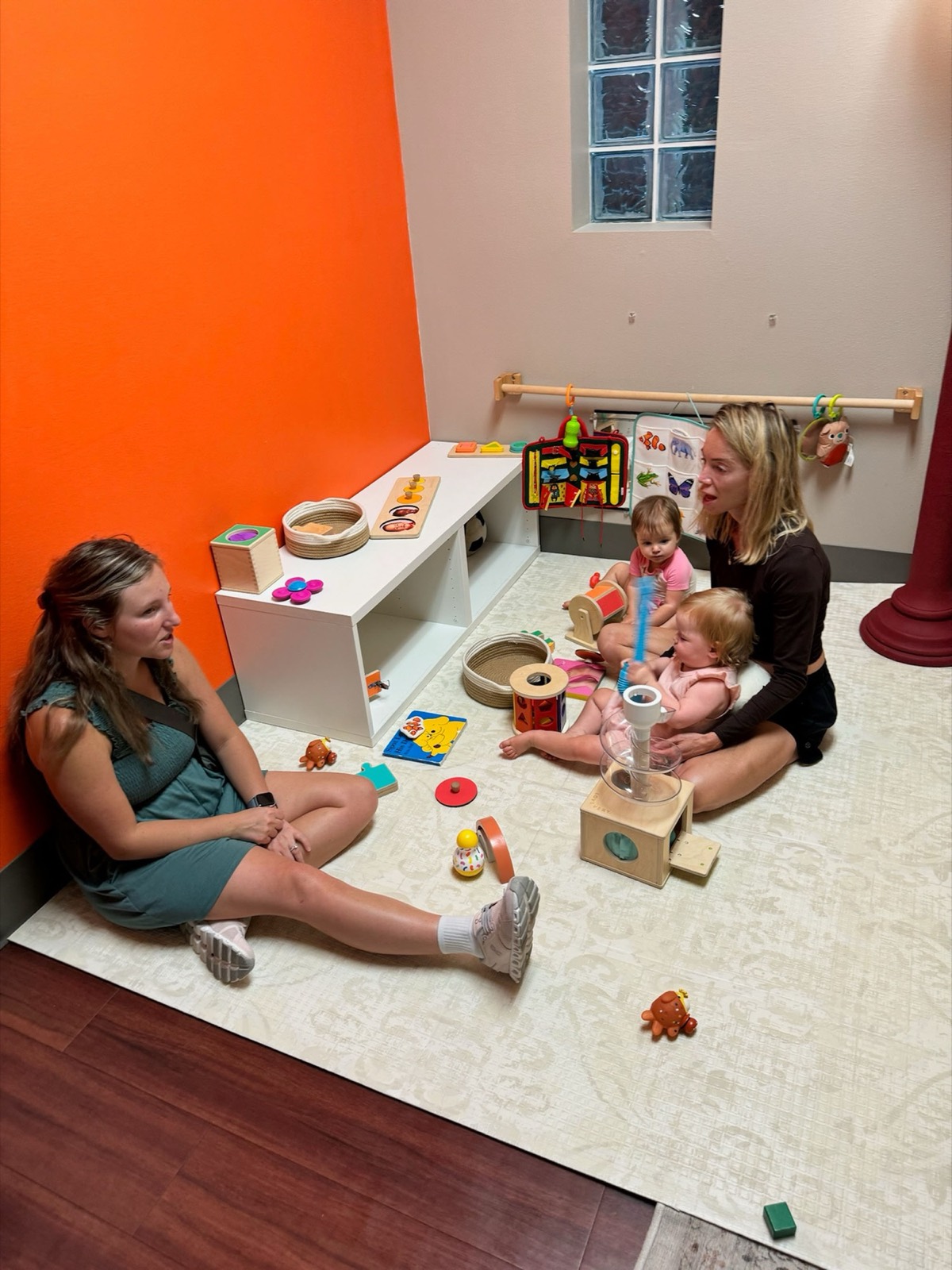
Moms supporting moms — every visit.
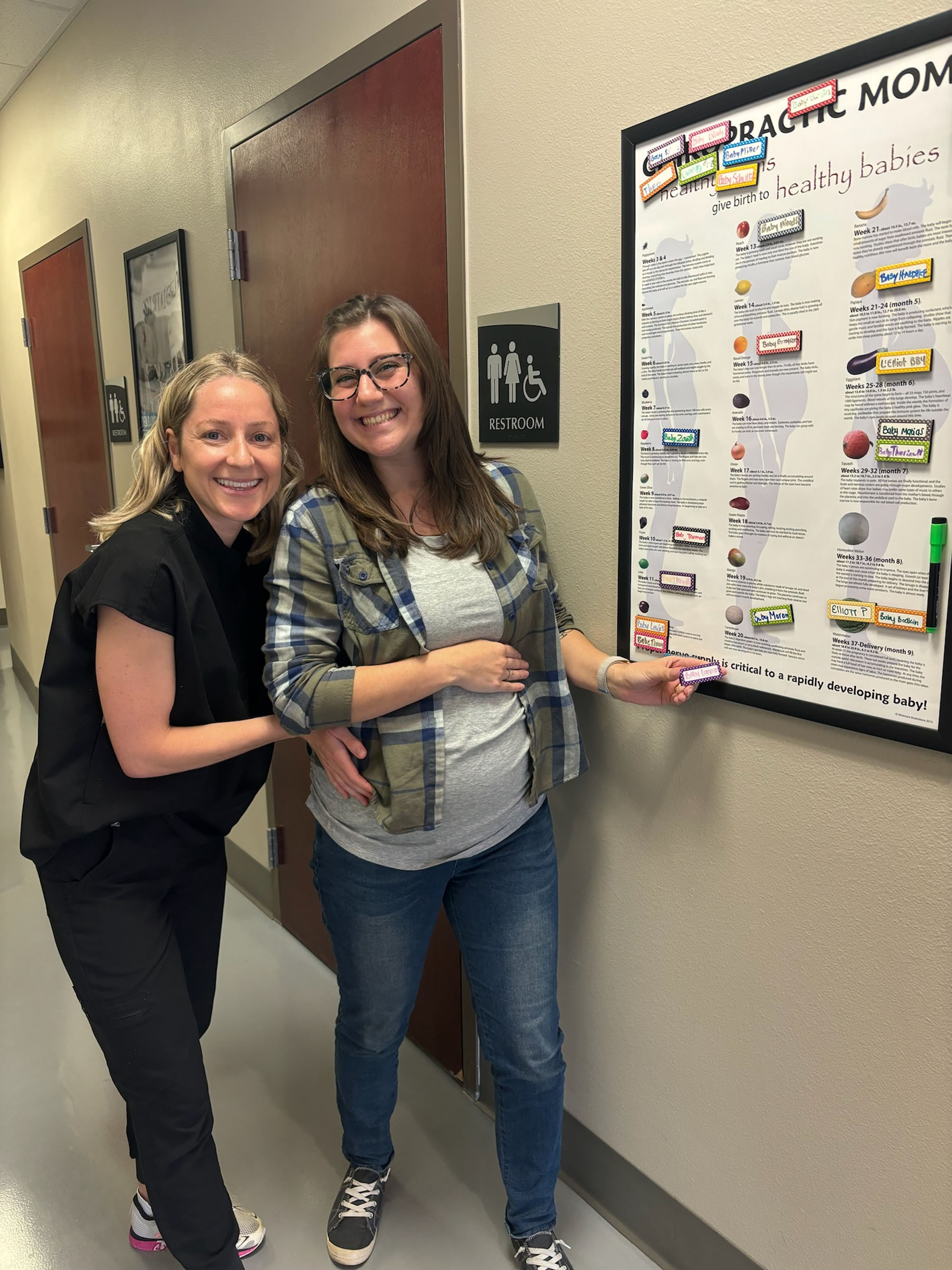
Webster-certified prenatal care.
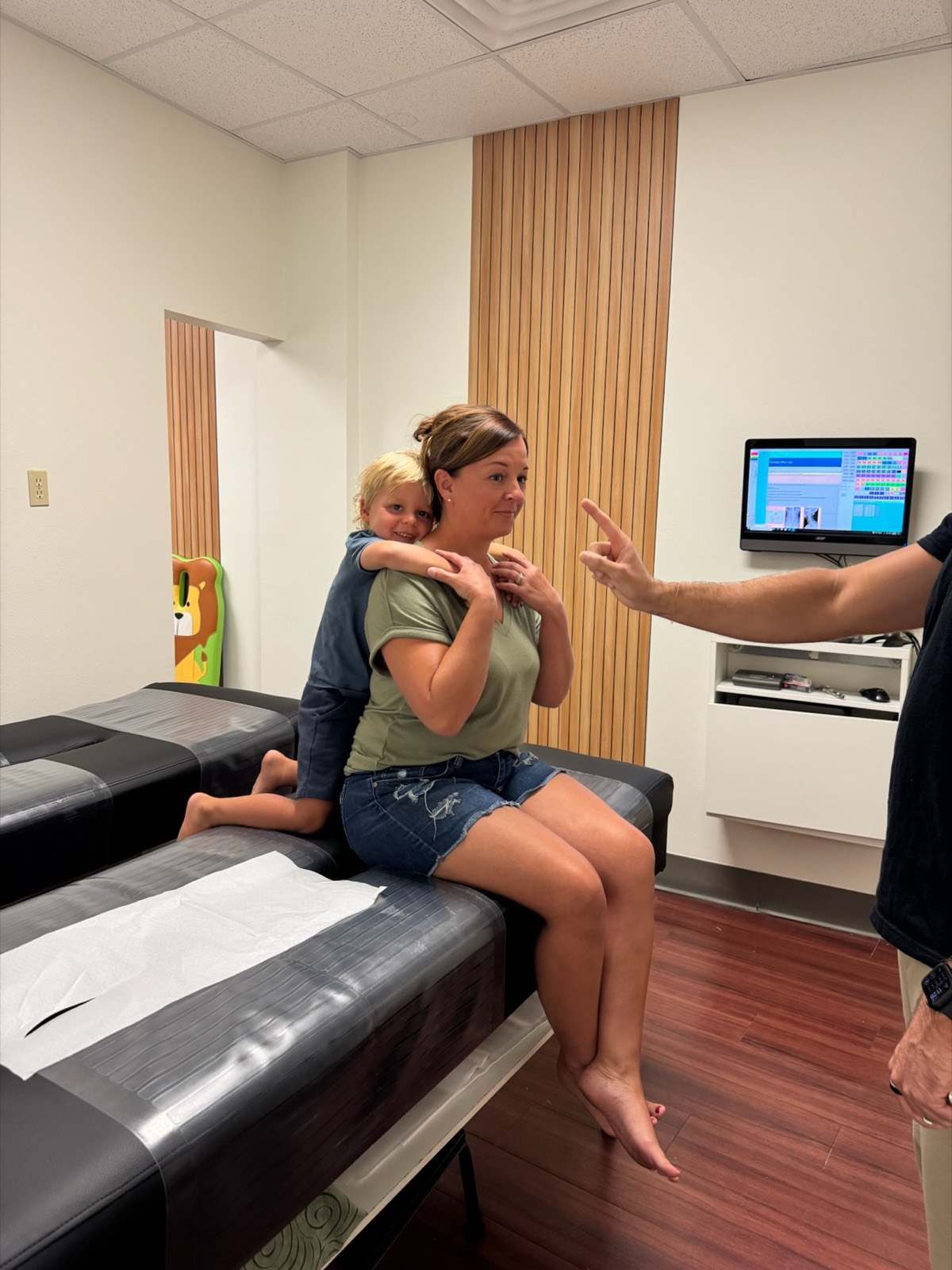
Care that grows with your family.
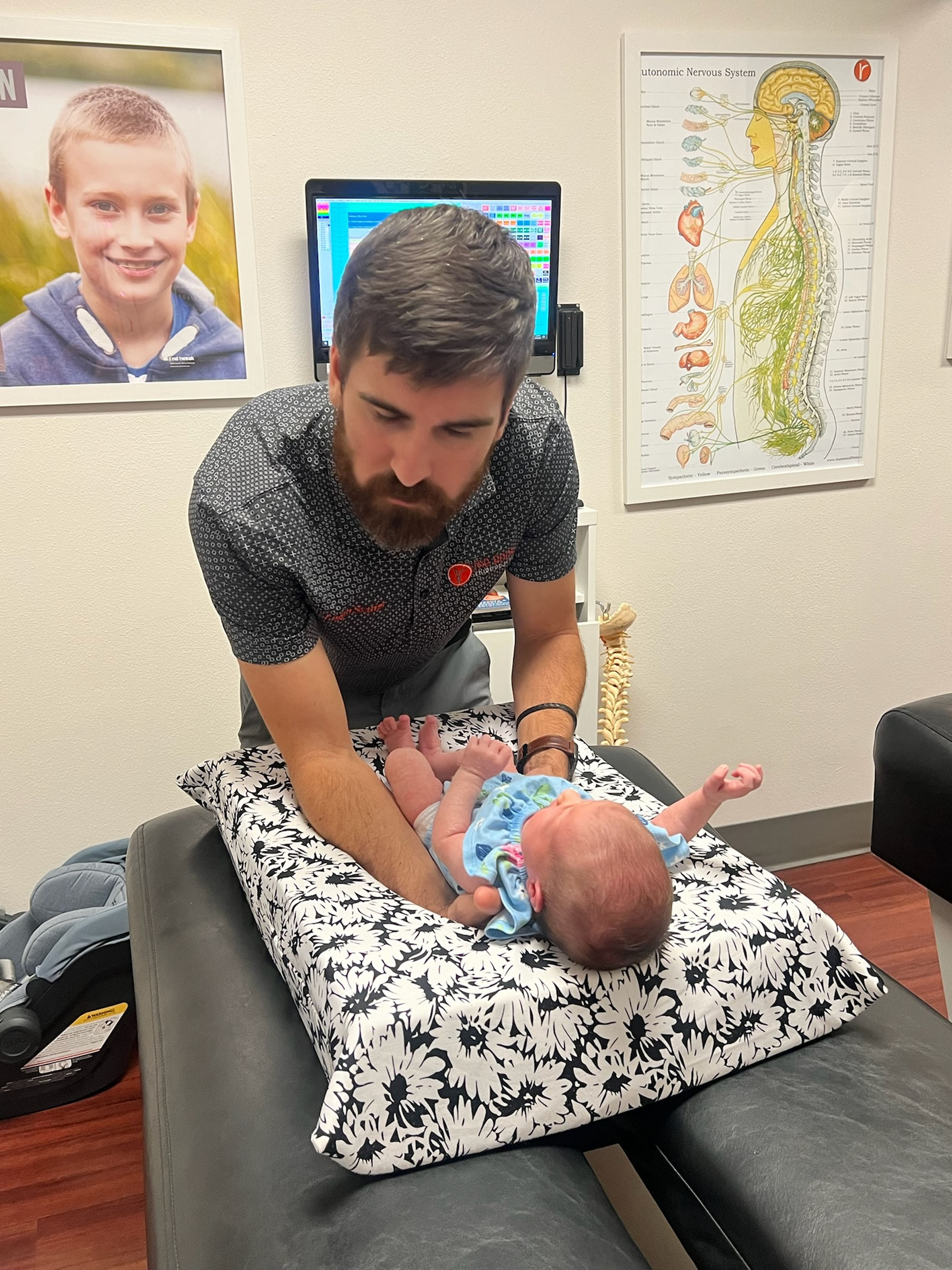
Nervous-system first. Always.

Little Roots, littlest fans.
Keep Exploring
What to expect your first visit
Let's build your plan.
Book a consultation and we'll map out the right cadence of care for whatever stage you're in.