

Condition
Autism Spectrum Support
A calmer nervous system changes what's possible
Chiropractic care doesn't treat autism — it supports the nervous system that your child lives in. A system with less tension and more capacity can show up more fully in the therapies, school, and daily life you've already built around them.
By Dr. Logan Swaim · Last updated July 17, 2026
Get help with Autism Spectrum Support
Three quick questions — we'll call you within 24 business hours.
Understanding Autism Spectrum Support
What it is & why it shows up
If you've built a care team for your child on the spectrum — OT, speech, ABA, a prescriber, a school team — you know how much energy goes into coordinating it all. You also know that some weeks everything clicks and some weeks nothing does, and it can be hard to figure out why. We're not here to replace any piece of that plan. We're the structural layer underneath it.
From a nervous-system lens, many kids on the spectrum are running a system that's chronically dysregulated — not because of anything they can control, but because the structural inputs to their nervous system are feeding it the wrong signals. Upper cervical tension, cranial imbalances, and vagal tone all influence how the brain filters sensory input, processes transitions, and recovers from overload. Gentle care that addresses those inputs doesn't change the wiring — it gives the wiring a better environment to work in.
Parents often tell us they see better tolerance for transitions, longer windows of regulated behavior, and easier recovery after big sensory days. We're careful never to overstate what care does — every child is different, and we work alongside your existing team, never independent of it. Our job is to help the system have more capacity for the work that's already happening.
What parents notice
Signs that bring families in
- Sensory overload — sounds, lights, textures, crowds trigger shutdowns or meltdowns
- Difficulty with transitions between activities or environments
- Sleep that's fragmented, delayed, or resists any routine
- Chronic GI symptoms — constipation, bloating, irregular digestion
- Limited recovery window after sensory or social overload
- Persistent hypo- or hypertonicity (muscle tone that affects posture and movement)
- Difficulty engaging or attending even in preferred activities
How we help
Our approach to autism spectrum support
- Full history — care team, current therapies, what triggers what, what helps
- Kid-paced introduction — trust-building before any physical contact
- Gentle, featherlight cervical and cranial assessment
- Adjustments only when the child is ready and consenting (non-verbal cues count)
- Active coordination with OT, speech, and behavioral therapists
- Parent coaching on nervous-system regulation between visits
From the Clinic
Hear it from our doctors
Dr. Grayson Fox — Why Pediatric Chiropractic”
Inside Little Roots
What gentle care looks like.
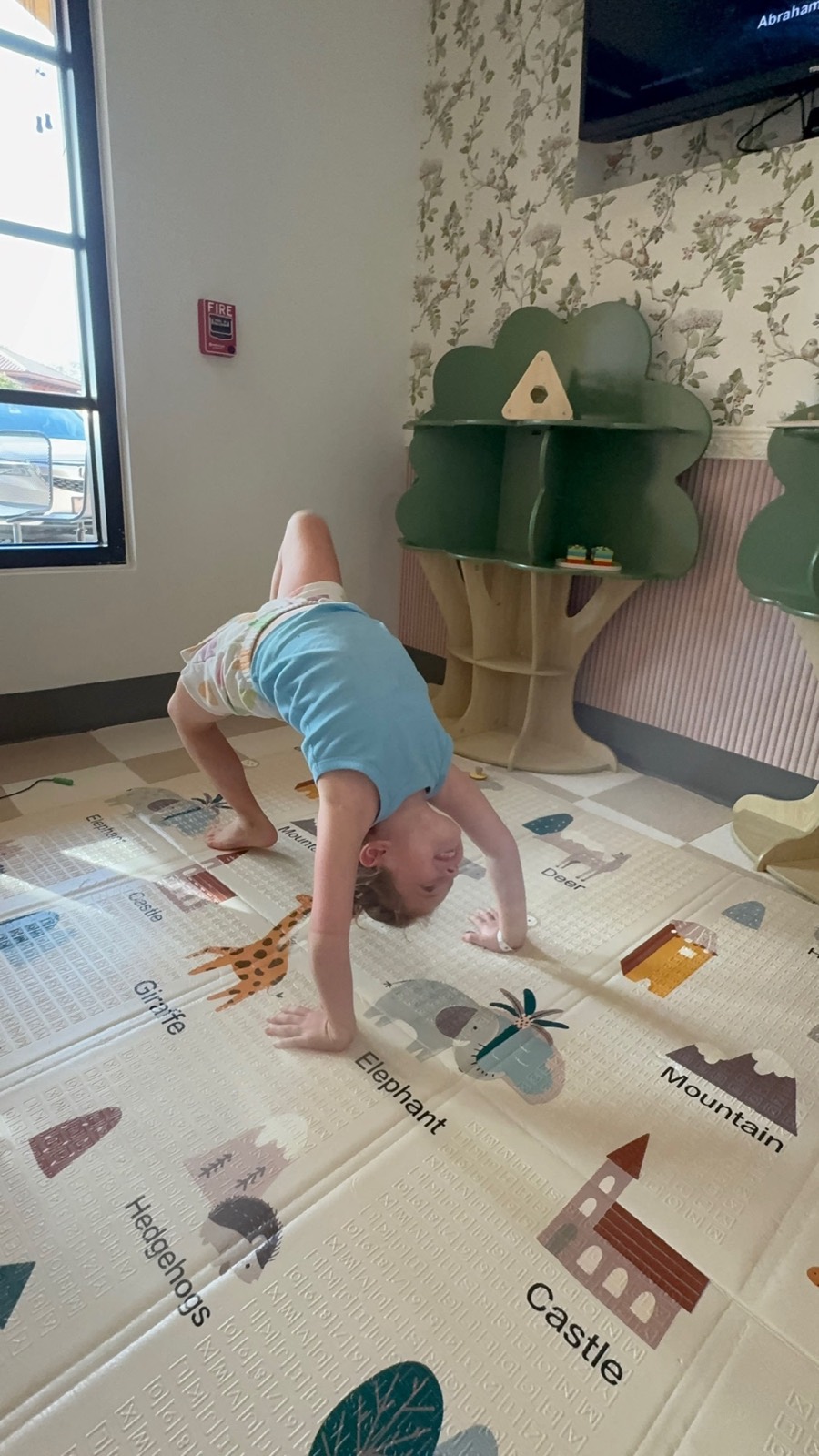
Strong, moving, thriving.
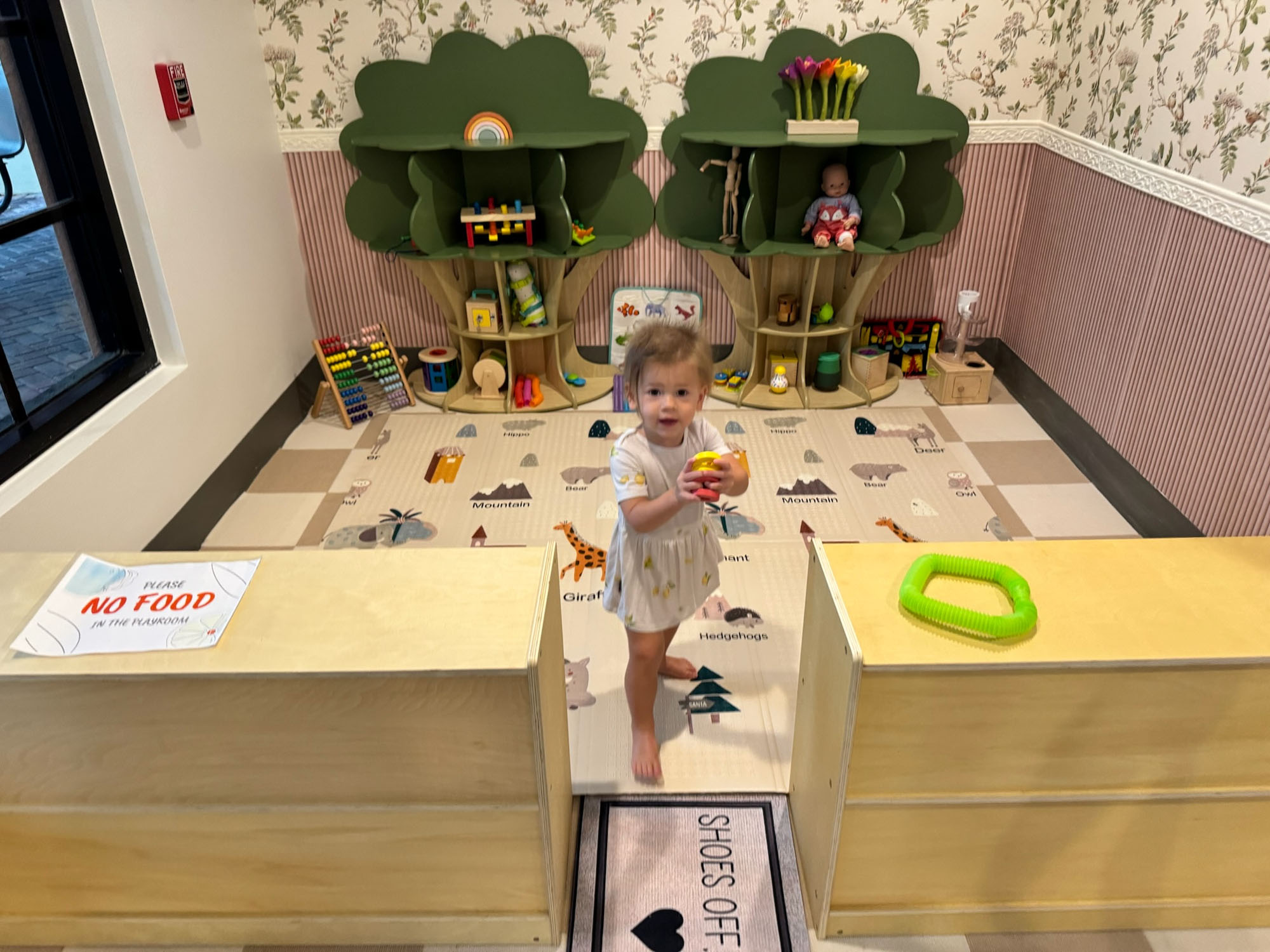
The treehouse — built for imagination.
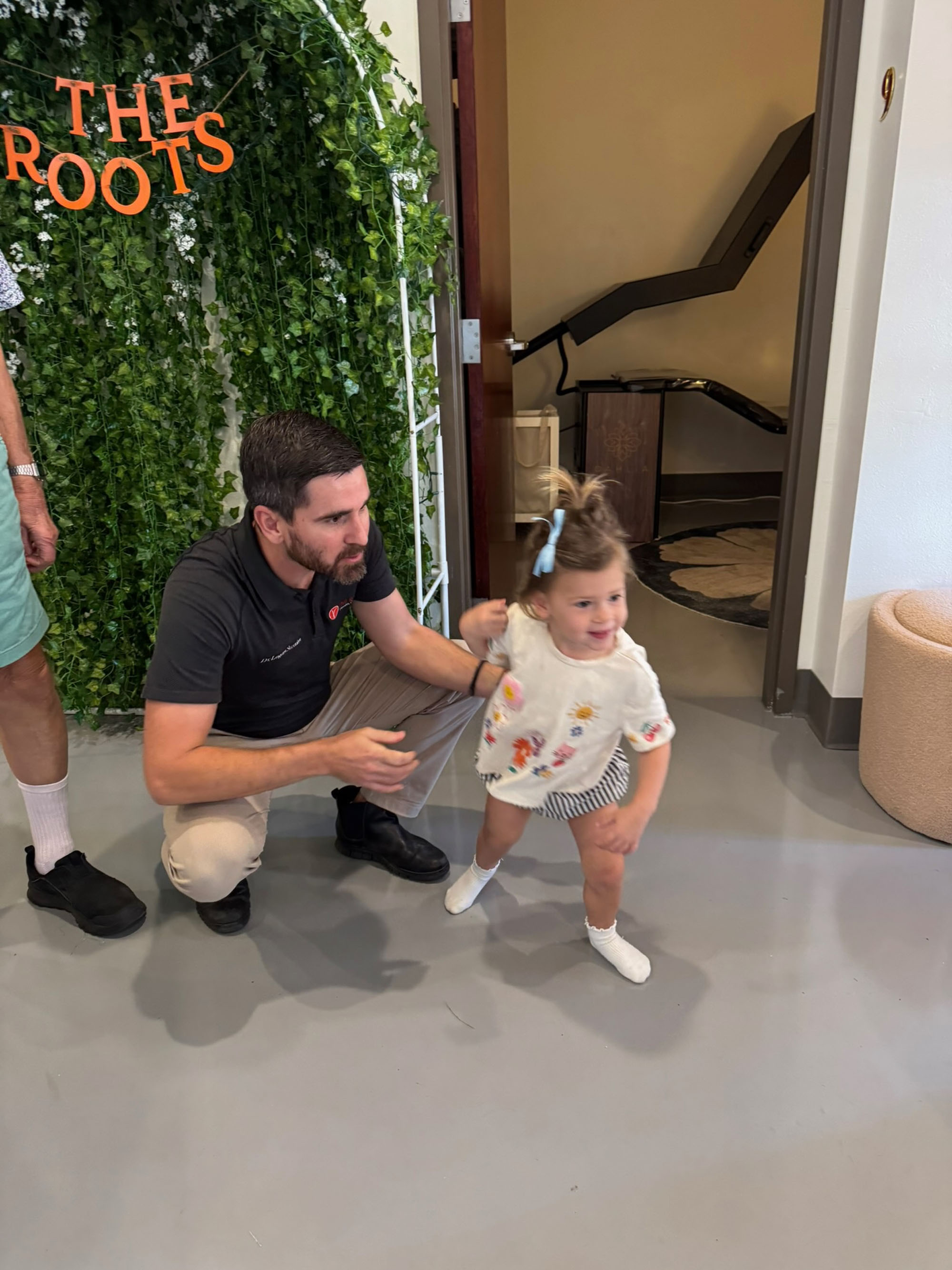
Family day — a Roots tradition.
Keep Exploring
Meet our team
Services that support this
Care we offer for autism spectrum support
Developmental Support
Specialized neurodevelopmental chiropractic for children navigating autism, ADHD, sensory processing, and other complex developmental needs.
Learn more →
Pediatric Wellness
Neurologically-focused chiropractic care for kids and teens — supporting healthy development, immune function, sleep, focus, and behavior.
Learn more →Other conditions we help with
You may also be looking at


Common questions
Frequently asked questions
Our Doctors
A pediatric-trained team behind every visit
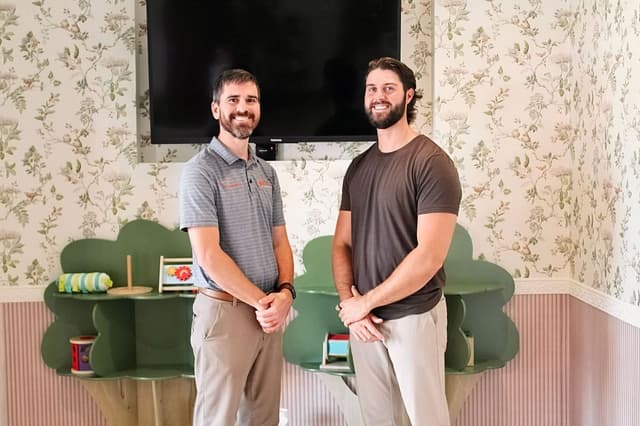
Little Roots is led by co-directors Dr. Logan Swaim, MS, DC and Dr. Laura Swaim, DC — both Webster Certified, Dr. Laura through the ICPA — alongside Dr. Grayson Fox, DC, who is PX-Certified with advanced training in chiropractic neurology and a dedicated pediatric focus. Carly Lovato, our office and lead case manager, and Yohanna Miller, our patient care coordinator, complete the team your family sees at every visit.
Meet the whole team →Want a personalized look at
your child's nervous system?
Start with a complimentary consultation. We listen first, evaluate gently, and recommend only if there's something we can help with.