

Condition
Anxiety in Kids
When the body can't feel safe
Anxiety isn't worry — it's the nervous system stuck in fight-or-flight when there's no fight to fight. Care that helps the body downshift gives kids more capacity to use the tools that actually work.
By Dr. Logan Swaim · Last updated July 17, 2026
Get help with Anxiety in Kids
Three quick questions — we'll call you within 24 business hours.
Understanding Anxiety in Kids
What it is & why it shows up
Childhood anxiety shows up in a hundred ways that often don't look like 'anxiety' on the surface. Stomachaches with no medical cause. Perfectionism that paralyzes. Refusing to leave the house, or refusing to enter school. Trouble sleeping. Sensitivities that feel out of proportion. By the time families come to us, they've usually been told it's 'just a phase' a few times — and they know it isn't.
From a nervous-system lens, anxiety is a body that can't feel safe. The sympathetic system (fight-or-flight) is on; the parasympathetic system (rest-and-digest) can't take over. The thoughts are downstream of the state. You can teach a child a thousand coping strategies, but if their body is in active alarm, the strategies don't land.
We don't replace therapy, family work, or any other piece of the anxiety puzzle — we add the structural layer underneath. When a nervous system has more downshift capacity, every other tool works better. Many of our families pair us with a child therapist they trust; the combination shifts more than either alone.
What parents notice
Signs that bring families in
- Stomachaches or headaches with no medical explanation
- Trouble falling asleep, frequent nightmares, fear of being alone at night
- Perfectionism — terror of making mistakes
- School refusal or strong resistance to leaving home
- Hypervigilance — noticing every sound, change, or facial expression
- Big reactions to small triggers — meltdowns that don't make sense to outside observers
- Avoidance of new people, places, or experiences
How we help
Our approach to anxiety in kids
- Full history — what does anxiety look like for THIS kid, not the textbook one
- Nervous system assessment focused on the cervical and cranial regions
- Gentle, kid-paced adjustments — never force, always with consent
- Parent coaching on co-regulation (your nervous system is part of the equation)
- Coordination with child therapist, OT, or pediatrician already on the team
From the Clinic
Hear it from our doctors
Dr. Grayson Fox — Why Pediatric Chiropractic”
Inside Little Roots
What gentle care looks like.
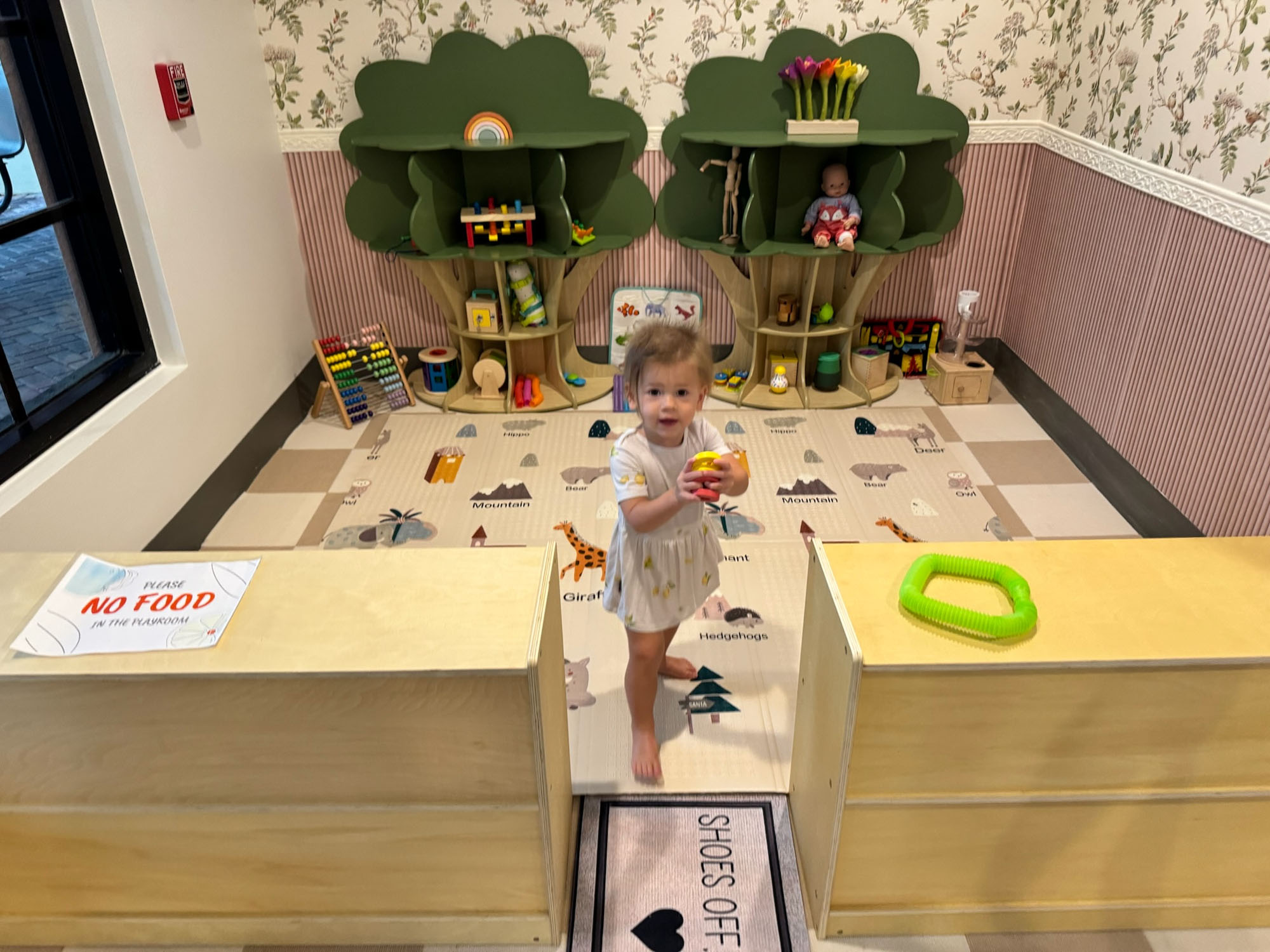
The treehouse — built for imagination.
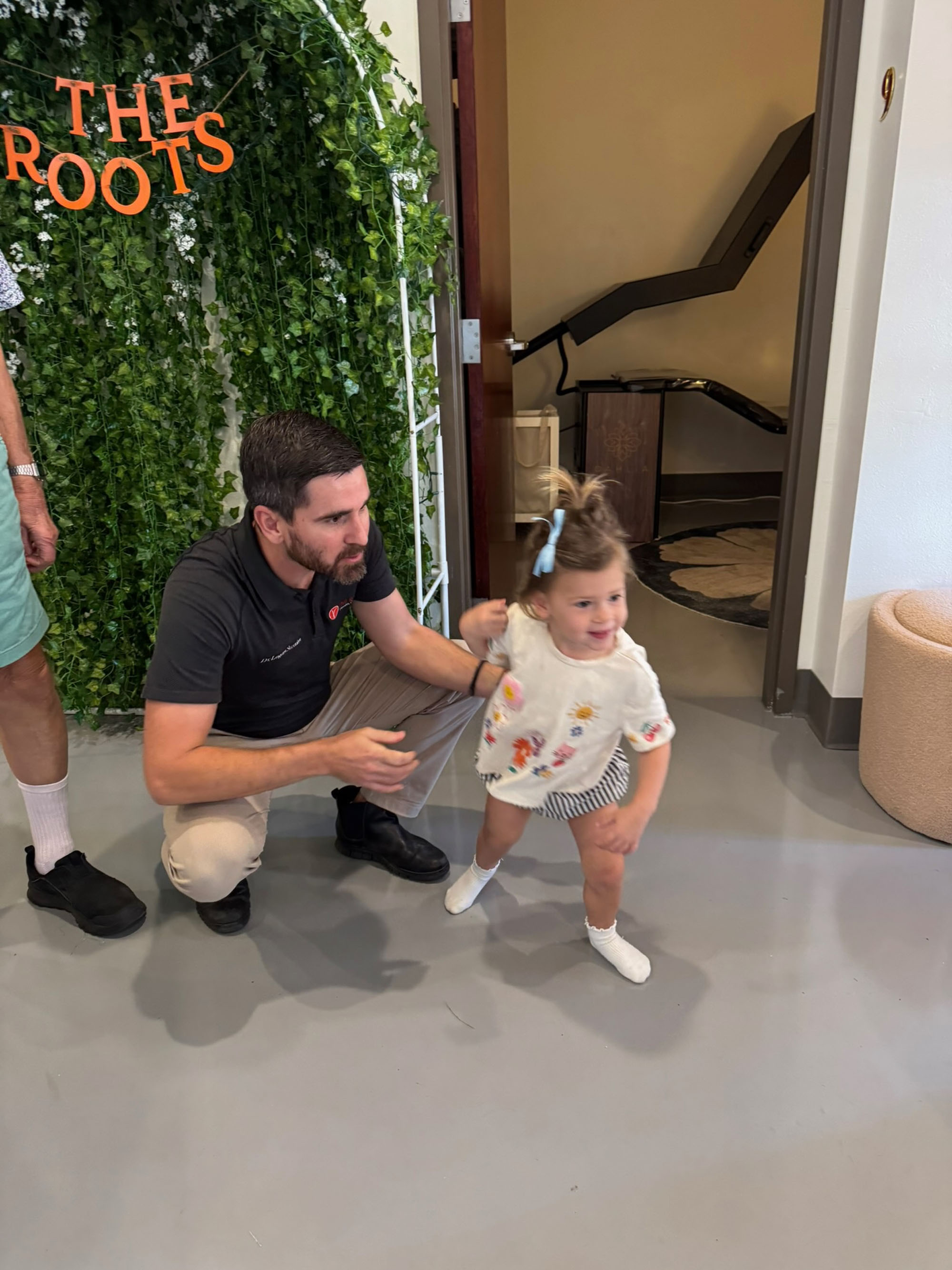
Family day — a Roots tradition.
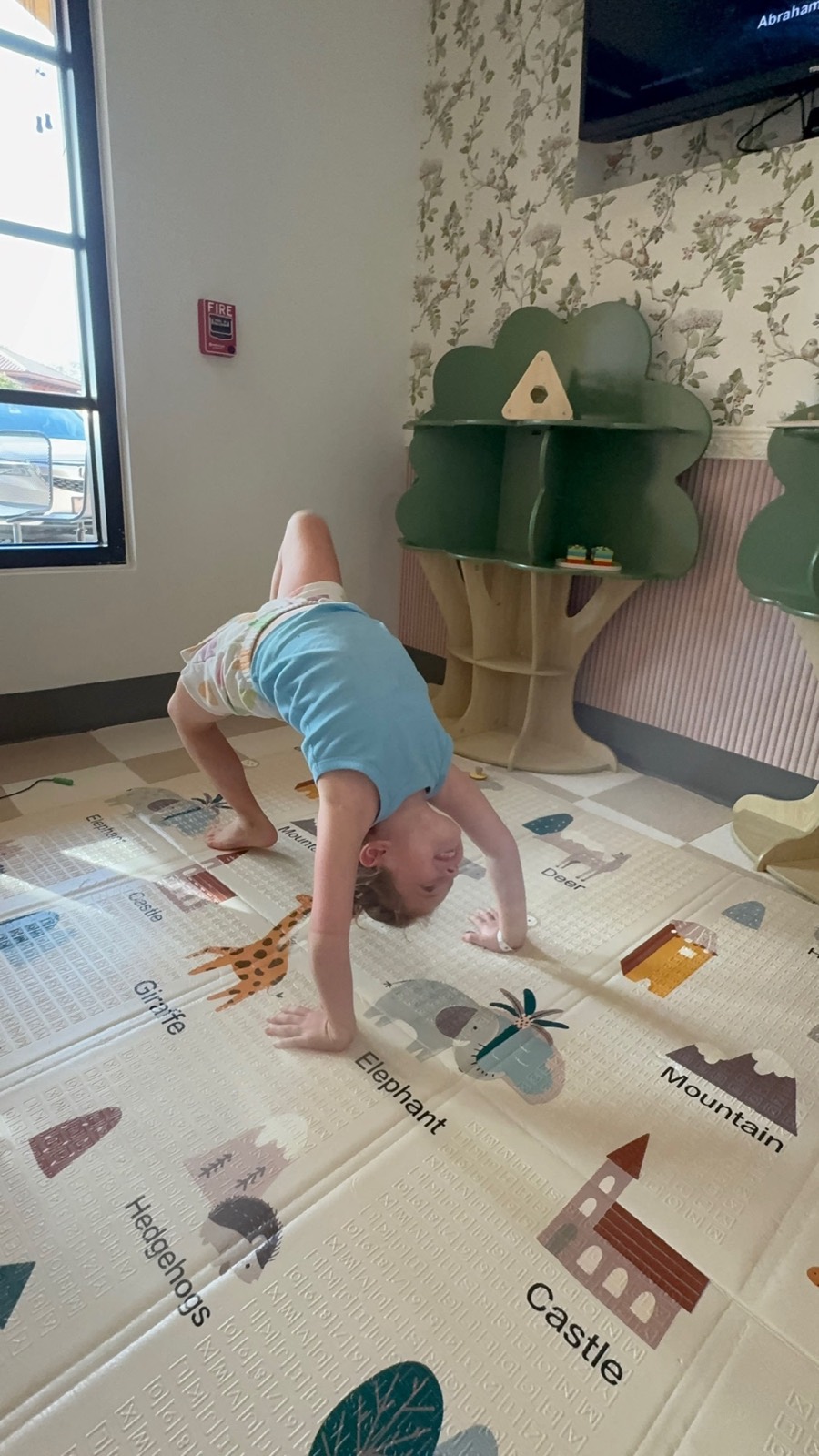
Strong, moving, thriving.
Keep Exploring
Meet our team
Services that support this
Care we offer for anxiety in kids
Developmental Support
Specialized neurodevelopmental chiropractic for children navigating autism, ADHD, sensory processing, and other complex developmental needs.
Learn more →
Pediatric Wellness
Neurologically-focused chiropractic care for kids and teens — supporting healthy development, immune function, sleep, focus, and behavior.
Learn more →Other conditions we help with
You may also be looking at

Common questions
Frequently asked questions
Our Doctors
A pediatric-trained team behind every visit
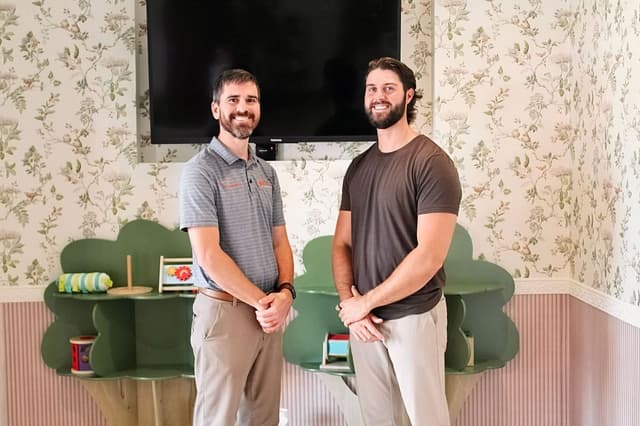
Little Roots is led by co-directors Dr. Logan Swaim, MS, DC and Dr. Laura Swaim, DC — both Webster Certified, Dr. Laura through the ICPA — alongside Dr. Grayson Fox, DC, who is PX-Certified with advanced training in chiropractic neurology and a dedicated pediatric focus. Carly Lovato, our office and lead case manager, and Yohanna Miller, our patient care coordinator, complete the team your family sees at every visit.
Meet the whole team →Want a personalized look at
your child's nervous system?
Start with a complimentary consultation. We listen first, evaluate gently, and recommend only if there's something we can help with.