

Pregnancy Back Pain Relief: Why It Happens and How Prenatal Chiropractic Helps
Dr. Logan Swaim, MS, DC
Back pain during pregnancy is one of the most common complaints — and one of the most dismissed. Here's what's actually happening in your body and how prenatal chiropractic care can help.
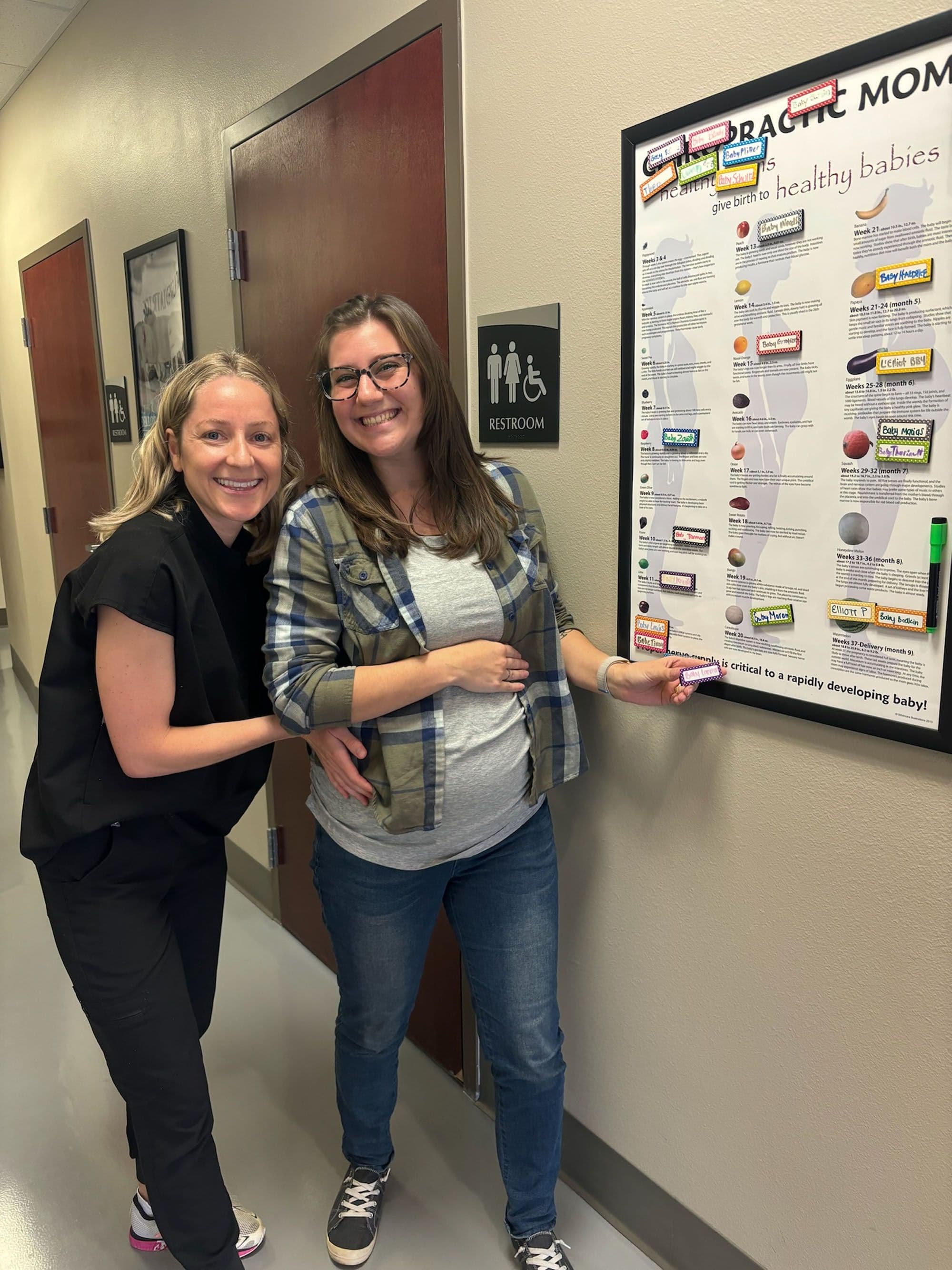
If you're searching for pregnancy back pain relief, you're not alone — and you're not overreacting. Research published in the European Spine Journal estimates that between 50 and 80 percent of pregnant women experience significant back pain at some point during their pregnancy. The discomfort ranges from a dull ache that won't quit to sharp, shooting pain that makes it hard to roll over in bed, stand up from a chair, or pick up your toddler.
And yet, the most common response from well-meaning providers is some version of "that's normal" or "it'll go away after the baby comes." That answer is not good enough. Back pain during pregnancy has specific biomechanical causes — and those causes can be addressed safely, gently, and without medication at every stage of pregnancy.
At Little Roots Pediatric Chiropractic in Lakewood Ranch, FL, our team works with pregnant moms throughout Sarasota, Bradenton, and Manatee County who are looking for real relief — not a pat on the hand.
Why Does Pregnancy Cause Back Pain?
Pregnancy back pain is not random. It follows a predictable biomechanical pattern driven by three simultaneous changes happening in your body:
Hormonal shifts. Starting in the first trimester, your body produces increasing levels of relaxin — a hormone that loosens the ligaments throughout your pelvis and spine to prepare for delivery. Relaxin is essential for birth, but it has a side effect: the joints that normally hold your pelvis and lumbar spine stable become more mobile than they were designed to be. That extra mobility means less structural support for your lower back.
Center of gravity shift. As the uterus grows and the baby gains weight, your center of gravity moves forward. Your body compensates by increasing the curve in your lower back (lumbar lordosis). This altered posture loads the facet joints, compresses the lumbar discs unevenly, and puts sustained tension on muscles that were not designed for that workload.
Pelvic imbalance. The sacroiliac (SI) joints — the two large joints where your sacrum meets your pelvis — bear a disproportionate share of the changing load. When one side tightens more than the other (from daily habits, a previous injury, or the natural asymmetry of how you carry), the pelvis tilts. That tilt pulls the round ligaments unevenly, changes how the uterus sits, and concentrates stress on structures that start to hurt.
These three changes happen simultaneously and compound each other. The result is pain that can show up as low back ache, SI joint pain, hip pain, round ligament pain, sciatica, or pubic symphysis dysfunction — sometimes several at once.
What Happens to the Pelvis and Spine During Each Trimester?
Understanding the timeline helps explain why back pain shows up when it does — and why early care makes a difference.
First trimester. Relaxin levels rise rapidly. Most women do not have a visible belly yet, but the ligaments are already loosening. Early back pain and SI joint discomfort are more common than most people realize at this stage. Many moms chalk it up to general fatigue and push through. Starting chiropractic care in the first trimester establishes pelvic balance before the structural load increases.
Second trimester. The belly grows noticeably, the center of gravity begins shifting forward, and the lumbar curve deepens. This is when most moms first feel persistent back pain. The SI joints are now bearing significantly more load on a less stable foundation. Round ligament pain — that sharp, pulling sensation in the lower abdomen and groin — often appears as the uterus grows and the ligaments stretch unevenly.
Third trimester. Peak stress on the pelvis and spine. The baby's weight is at its heaviest, the lumbar lordosis is at its most pronounced, and relaxin levels remain high. Sleep becomes difficult because lying on your back compresses the vena cava and side-lying puts asymmetric load on the hips. Sciatica — pain radiating down one leg — is most common in the third trimester as the baby's position can add pressure near the sciatic nerve path.
At every stage, the underlying driver is the same: a pelvis under increasing load with decreasing structural stability. That is a solvable problem.
How Does Prenatal Chiropractic Care Help With Pregnancy Back Pain?
Prenatal chiropractic care addresses the mechanical root of pregnancy back pain — pelvic alignment and spinal balance — without medication, without invasive procedures, and without any risk to the baby.
At Little Roots, our doctors use the Webster Technique, a specific chiropractic protocol developed by the International Chiropractic Pediatric Association (ICPA) for pregnant women. The Webster Technique is not a general spinal adjustment adapted for pregnancy — it was designed from the ground up for the pregnant body.
Here is what it addresses:
- Sacral alignment. The sacrum is the triangular bone at the base of the spine, and it is the keystone of the pelvis. When the sacrum shifts or locks — which happens frequently under the hormonal and mechanical changes of pregnancy — the entire pelvis compensates. A gentle, specific correction to the sacrum restores balance to the foundation.
- Round ligament tension. The round ligaments attach from the uterus to the front of the pelvis. When the pelvis is imbalanced, these ligaments tighten unevenly, pulling the uterus off-center and contributing to both pain and uterine constraint. Gentle soft tissue work releases the tension.
- SI joint mobility. Restricted SI joints concentrate stress instead of distributing it. Restoring normal motion to these joints reduces the load on any single structure.
The adjustment uses a pregnancy-adapted drop-piece table with a built-in belly panel so you can lie face-down comfortably, even late in the third trimester. There is no twisting, no high-velocity thrusting, and no abdominal contact. Most moms describe the adjustment as gentle and relaxing.
A 2014 study published in the Journal of Midwifery & Women's Health found that 75 percent of pregnant women who received chiropractic care reported clinically significant improvement in back pain. The American Pregnancy Association recognizes chiropractic care as safe throughout all three trimesters.
What Is the Webster Technique — And Why Does It Matter for Back Pain?
You may have heard of the Webster Technique in the context of breech babies. That is its most well-known application — restoring pelvic balance so the baby has room to move into an optimal position. But the same pelvic imbalances that contribute to breech presentation are the ones driving most pregnancy back pain.
When your sacrum is properly aligned, the round ligaments are balanced, and the SI joints are mobile, three things happen:
- The mechanical stress on your lower back decreases. The load distributes evenly instead of concentrating on one side.
- The muscles supporting your spine can relax. Muscles that have been compensating for a tilted pelvis release their guarding pattern.
- The uterus sits more symmetrically. This reduces round ligament pulling and the deep, cramping abdominal pain that many moms experience alongside back pain.
Webster care is not a one-and-done solution. Most moms benefit from regular visits — the frequency depends on where you are in your pregnancy and how your body responds. Each pregnancy is different, and we take a personalized approach based on what your body needs.
Our team is ICPA Webster Technique Certified and has worked with moms at every stage of pregnancy. She coordinates with your OB or midwife — never replacing your existing prenatal team, always working alongside them.
What Does a Prenatal Chiropractic Visit Look Like?
If you have never been to a chiropractor during pregnancy — or your only experience is the traditional twist-and-crack style — a visit at Little Roots will probably surprise you. Here is what to expect:
- Assessment. Your doctor evaluates your sacrum, pelvis, SI joints, and round ligaments. She is looking for specific imbalances contributing to your pain pattern.
- Adjustment. A gentle, specific correction using a pregnancy-adapted drop-piece table. You lie face-down with a belly panel that eliminates all abdominal pressure. The adjustment itself takes seconds and involves minimal force.
- Soft tissue work. Light release work on the round ligaments and surrounding muscles to address the tension component.
- Guidance. Sleep positioning suggestions, stretches for round ligament and SI joint discomfort, and recommendations for visit frequency based on your trimester and symptoms.
The entire visit typically runs 15 to 20 minutes. There is no medication. There is no invasive procedure. Most moms walk out feeling lighter and more comfortable than when they walked in.
For moms in the first trimester who are unsure whether chiropractic care is appropriate this early, read our detailed guide on first trimester chiropractic safety and benefits.
When Should You Start Prenatal Chiropractic Care for Back Pain?
The honest answer: as early as possible. The earlier you establish pelvic balance, the less pain accumulates as the pregnancy progresses. But it is rarely too late to start.
- First trimester: Relaxin is already loosening your ligaments. Starting care now prevents the compensations that lead to second and third trimester pain. Many moms begin after their first prenatal appointment when they notice early low back or SI joint discomfort.
- Second trimester: The most common entry point. The belly is growing, the lumbar curve is deepening, and the pain is becoming hard to ignore. Chiropractic care can help significantly at this stage.
- Third trimester: The pain is often at its worst, but relief is still very much possible. Pelvic balance supports comfort, sleep quality, and — because a balanced pelvis gives the baby room — can also support optimal fetal positioning as you approach your due date.
There is no wrong time to start. Whether you are 8 weeks or 38 weeks, if your back hurts and you want relief without medication, prenatal chiropractic care is worth exploring.
Is Prenatal Chiropractic Care Safe?
Yes. Chiropractic care during pregnancy is widely recognized as safe by the American Pregnancy Association, the American College of Obstetricians and Gynecologists (ACOG has no contraindication for chiropractic in normal pregnancy), and the ICPA.
Key safety points specific to how we practice at Little Roots:
- No abdominal contact. The adjustment is to the sacrum, pelvis, and spine — never the belly.
- Low force. Webster adjustments use significantly less force than a standard chiropractic adjustment. The technique was designed for the pregnant body.
- Pregnancy-adapted tables. The drop-piece table at Little Roots has a belly cutout so you can lie face-down comfortably at any stage, including 38 and 39 weeks.
- No medication. No NSAIDs, no muscle relaxants, no topical analgesics. Just specific, gentle mechanical correction.
- Coordinated care. If you have a high-risk condition — placenta previa, preeclampsia, or other complications — our team coordinates with your OB or midwife before beginning care.
Chiropractic care during pregnancy is not an alternative to your medical prenatal care. It is a complement. Your OB or midwife manages the medical side. We support the structural and neurological side. The two work together.
What Else Can You Do at Home for Pregnancy Back Pain?
Chiropractic care addresses the structural root, but there are things you can do between visits to support your body:
- Sleep on your side with a pillow between your knees. This keeps the pelvis neutral and reduces SI joint strain overnight.
- Avoid crossing your legs when sitting. It tilts the pelvis and tightens one side.
- Use a pregnancy support belt in the third trimester — not as a long-term solution, but for relief during long walks, grocery shopping, or standing.
- Cat-cow stretches. On all fours, gently arch and round your spine. This mobilizes the lumbar and sacral segments and relieves pressure.
- Pelvic tilts. On your back (first and early second trimester) or standing against a wall (later), gently flatten your lower back and release. Strengthens the deep core and reduces anterior pelvic tilt.
- Swimming or water walking. Buoyancy takes the load off the pelvis and spine. Many moms find this is the only exercise that feels good in the third trimester.
- Avoid prolonged standing or sitting. Change positions every 30 to 45 minutes. The pelvis does not like being locked in one position for hours.
None of these replace chiropractic care, but they complement it. The moms who feel the best are typically the ones who combine regular Webster visits with consistent at-home habits.
Frequently Asked Questions About Pregnancy Back Pain and Chiropractic Care
Is it safe to see a chiropractor while pregnant? Yes. The American Pregnancy Association recognizes chiropractic care as safe throughout all three trimesters. At Little Roots, Dr. Laura Swaim uses the Webster Technique — a gentle, pregnancy-specific protocol with no abdominal contact and no medication. She coordinates with your OB or midwife to ensure your care is aligned.
How quickly will I feel relief? Many moms notice improvement after their first or second visit. The degree and speed of relief depends on the severity of the imbalance, how long the pain has been present, and where you are in your pregnancy. We take a personalized approach — no two care plans look the same.
Can chiropractic care help with sciatica during pregnancy? Yes. Pregnancy-related sciatica is often caused by pelvic imbalance compressing or irritating the sciatic nerve path. Restoring sacral and SI joint alignment reduces the compression and can provide significant relief.
Will my insurance cover prenatal chiropractic? Many insurance plans cover chiropractic care. We offer a complimentary benefits check at your first visit so you know exactly what your plan covers before committing to anything.
How often should I come in during pregnancy? Each pregnancy is different. Some moms come weekly in the third trimester when the load is heaviest. Others come every other week throughout. Your doctor recommends a visit frequency based on what your body needs — never a rigid schedule.
Can I start chiropractic care in the third trimester if I haven't been before? Absolutely. While earlier is better, third-trimester moms see meaningful relief from chiropractic care. The pelvis responds to gentle correction regardless of when you start.
Take the Next Step
Pregnancy back pain is real. The exhaustion of carrying a baby while your lower back screams at you every time you stand up is real. And the frustration of being told "it's just part of pregnancy" when you know something could be done about it — that is real too.
You do not have to white-knuckle your way through the next several months. Gentle, specific, pregnancy-safe chiropractic care can help your body carry this pregnancy with less pain, better sleep, and more comfort — from wherever you are right now through delivery.
our team is ICPA Webster Technique Certified and has helped moms throughout Lakewood Ranch, Sarasota, and Bradenton find relief from pregnancy back pain without medication or invasive procedures.
Book a complimentary consultation or call (941) 932-4611 to talk through what you are experiencing. You can also learn more about our full prenatal care program and explore the Webster Technique in detail.
Learn More
Conditions we help with
Related Services
Related Reading
Related articles
First Trimester Chiropractic Care: What Every Expecting Mom Should Know
Is chiropractic safe during the first trimester? Yes — and for many moms, it's exactly when care matters most. Here's what happens at a prenatal visit and why starting early supports a more comfortable pregnancy.
Read articleBreech Baby? How the Webster Technique Supports Natural Turning
The Webster Technique does not turn a breech baby. It restores pelvic balance so your baby has room to move into a head-down position on their own.
Read articleKeep Reading
More for growing families
Restless Legs During Pregnancy: Why It Happens and Gentle Ways to Find Relief
Restless, achy legs at night are one of the most common pregnancy complaints — here's why they happen and gentle, provider-approved ways to find relief.

Chiropractic Care During a Twin or Multiples Pregnancy
Carrying twins or multiples puts extra strain on your back, hips, and pelvis, often earlier than a single pregnancy typically does. Here's how gentle, Webster-certified prenatal care may help.
Carpal Tunnel During Pregnancy: Why It Happens and Gentle Ways to Find Relief
Numb, tingling hands aren't just in your head — carpal tunnel during pregnancy is common in the third trimester. Here's why it happens and how to find relief.
Questions about your child?
Schedule a consultation and let's talk through your family's needs together.
Book a Consultation(941) 932-4611