

What to Expect
For Families Who've Been Through a Lot
You've sat in a lot of intake rooms. This one will feel different. Here's what happens, step by step, from the phone call to your child's re-scan.
Step One
Your First Visit
We block a longer window than a typical chiropractic intake. We want to hear the whole story — pregnancy, birth, milestones, diagnoses, therapies you've tried, medications that have helped or haven't, what you've noticed at home, what your child's therapists have said.
We ask specifically about your existing care team: who your OT is, who the speech therapist is, whether there's a developmental pediatrician, any neurologist or psychiatrist involved. If you have recent evaluation reports and you want to share them, we'll read them.
During the conversation, your child can play. We're fine with movement, with regulation tools, with whatever your child needs to feel safe. The room is set up for that.
Step Two
The Neurological Evaluation
This is non-invasive, completely painless, and takes about ten minutes. Your child sits or lies down (whichever feels easier) while a small handheld wand is lightly placed along their spine. It measures surface temperature and muscle activity along the nerve pathways.
The result is a color map of your child's nervous system — where it's regulated, where it's stuck, where the sympathetic side is running hot. For a lot of parents, it's the first time they've seen something objective that matches what they've been experiencing at home.
Because it's quick and tactile-friendly, most sensory-sensitive kids tolerate the scan well. If your child can't on the first visit, we try again later. We don't rush.
Step Three
What an Adjustment Looks Like for These Kids
Forget the loud cracks and twisting you see in movies. For kids with sensory needs, our adjustments are gentle, instrument-assisted, and often happen while your child is playing, coloring, or sitting on your lap. The touch is light — lighter than the pressure you'd use to test a ripe fruit.
We sometimes do the work standing, or on a toy-scattered floor, or in the hallway with a favorite stuffed animal. Whatever lets your child feel safe. We've had kids freeze at the idea of the table and happily get their first adjustment on a beanbag.
A lot of families are surprised by how quickly their child settles into visits. We think it's because there's no demand placed on them — no “sit still, look at me, do this” script. They can be themselves, and the work happens around that.
Step Four
How We Coordinate With Your Team
If you'd like us to, we'll share progress notes with your OT, speech therapist, developmental pediatrician, or primary care provider. We'll read what they send us. We'll answer a phone call from a therapist who wants to ask about our work.
We're not precious about being the center of your child's care. We're genuinely a piece, and a piece works better when it's integrated. Most of our best outcomes come from families whose whole team is in the loop.
Step Five
Tracking Progress
After a course of care, we re-scan. The color maps from the neurological evaluation give you an objective, visual comparison to where your child started. We don't rely only on how we feel about it. We look at the data.
You'll see progress at home too, usually before the next scan confirms it — better sleep, calmer mornings, shorter meltdown recovery times, a little more availability for school or therapy. We ask you to watch for these shifts and tell us about them, because the at-home-report and the scan data together are how we know the work is landing.
If after a fair trial nothing is shifting, we'll say so, and we'll help you figure out the next step. That's part of being honest.

Your first developmental visit
A long listen before a single adjustment.
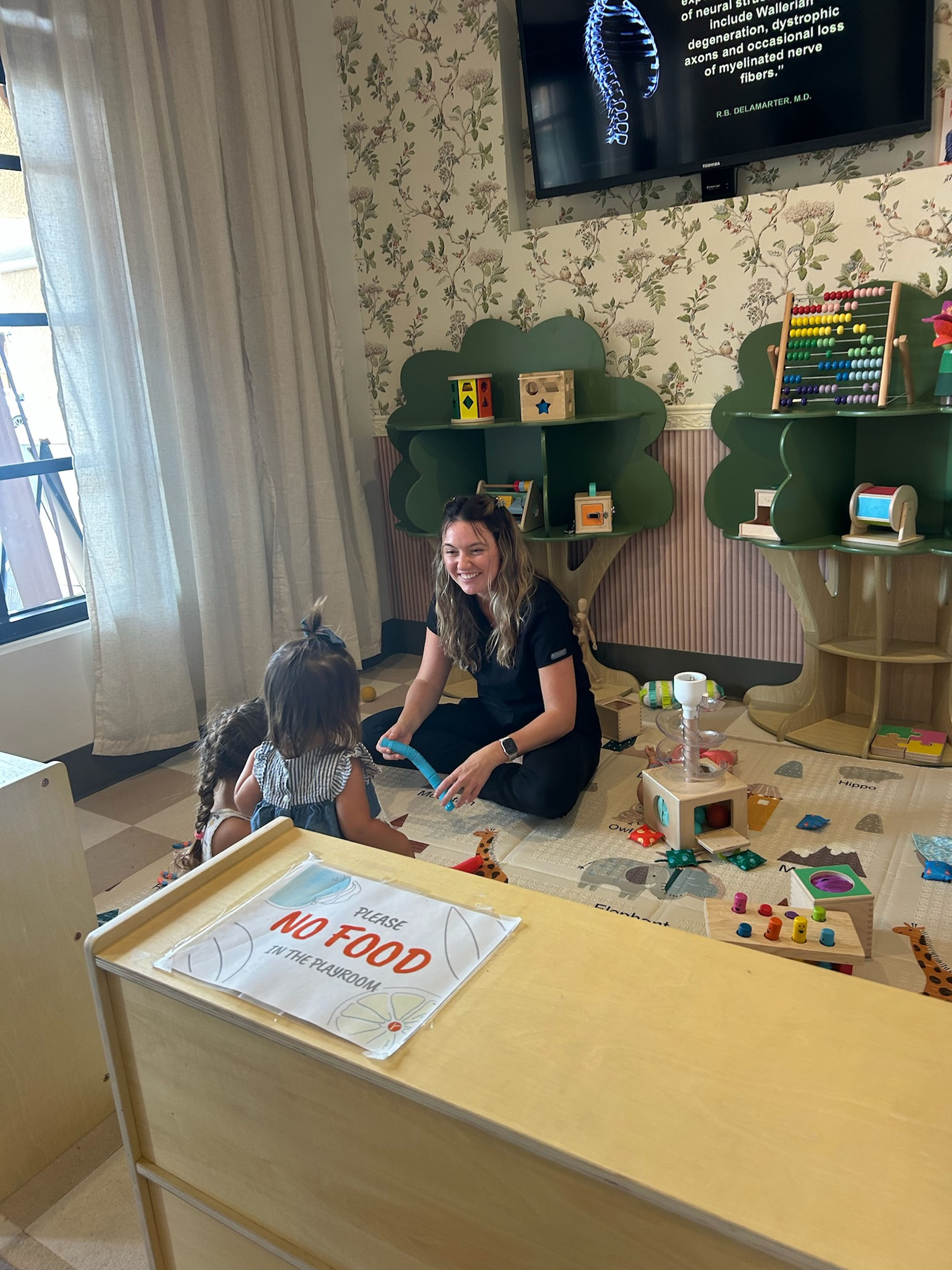
Carly — our favorite kid whisperer.
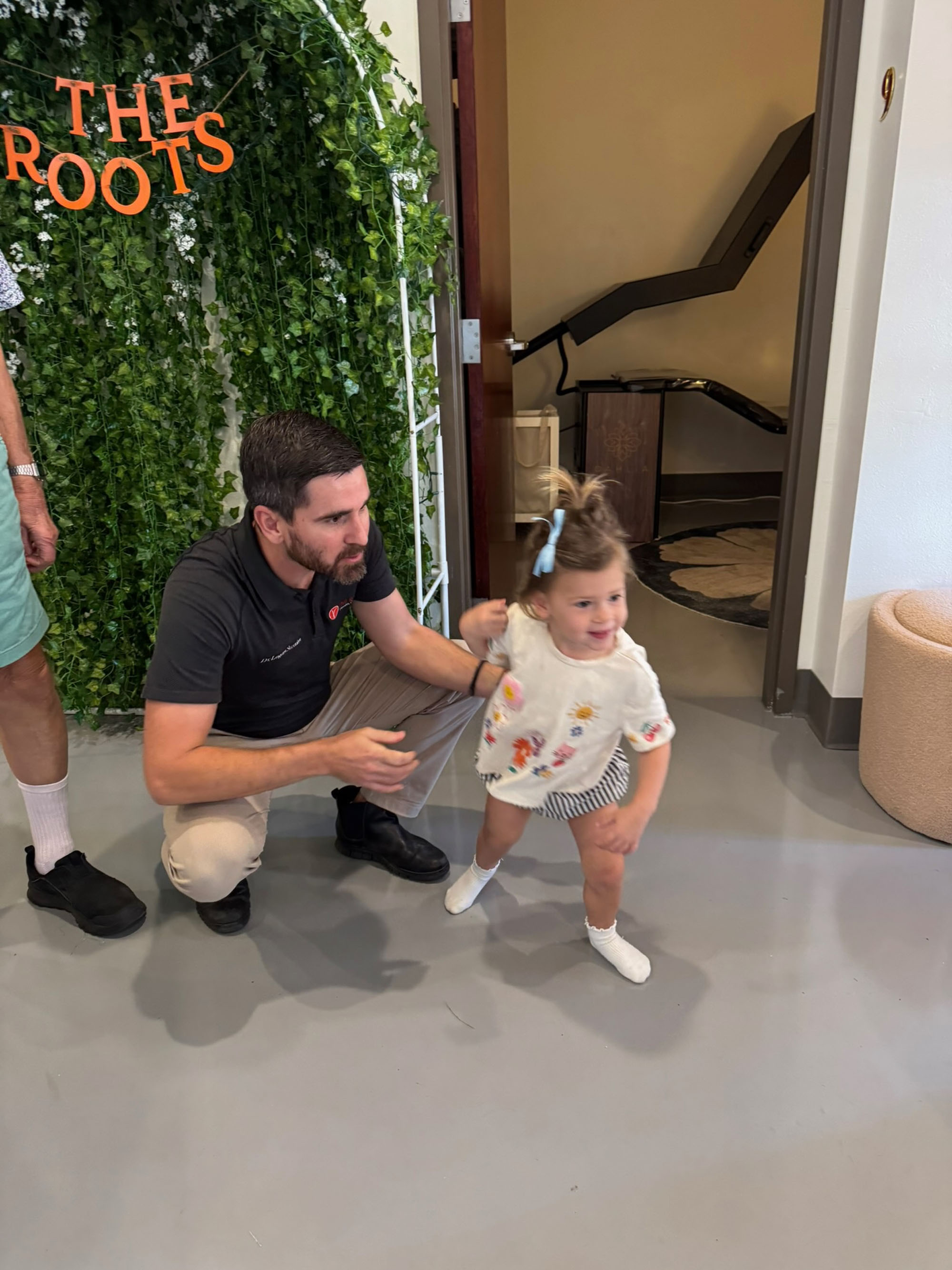
Family day — a Roots tradition.
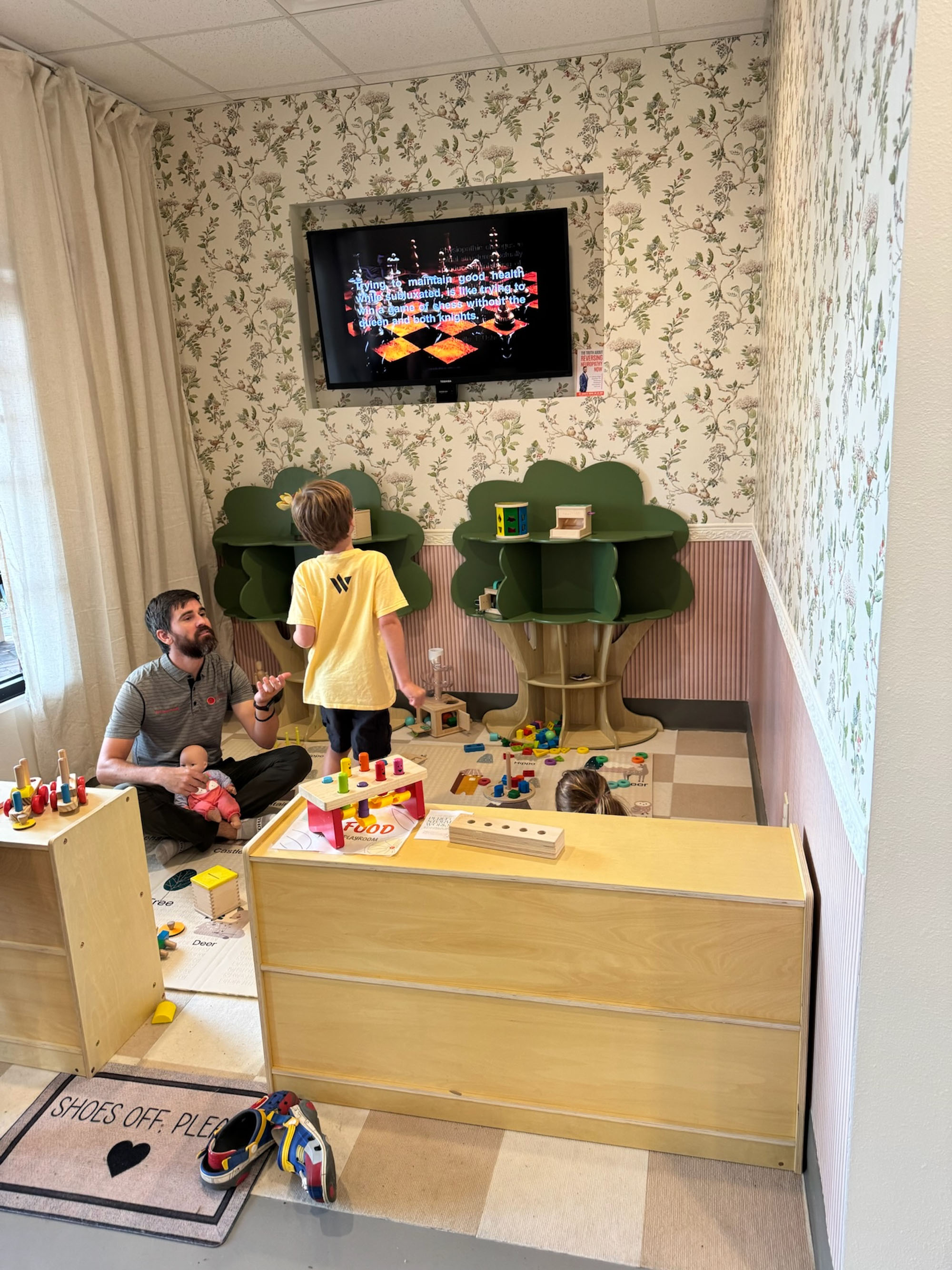
Play-based, never pushy.
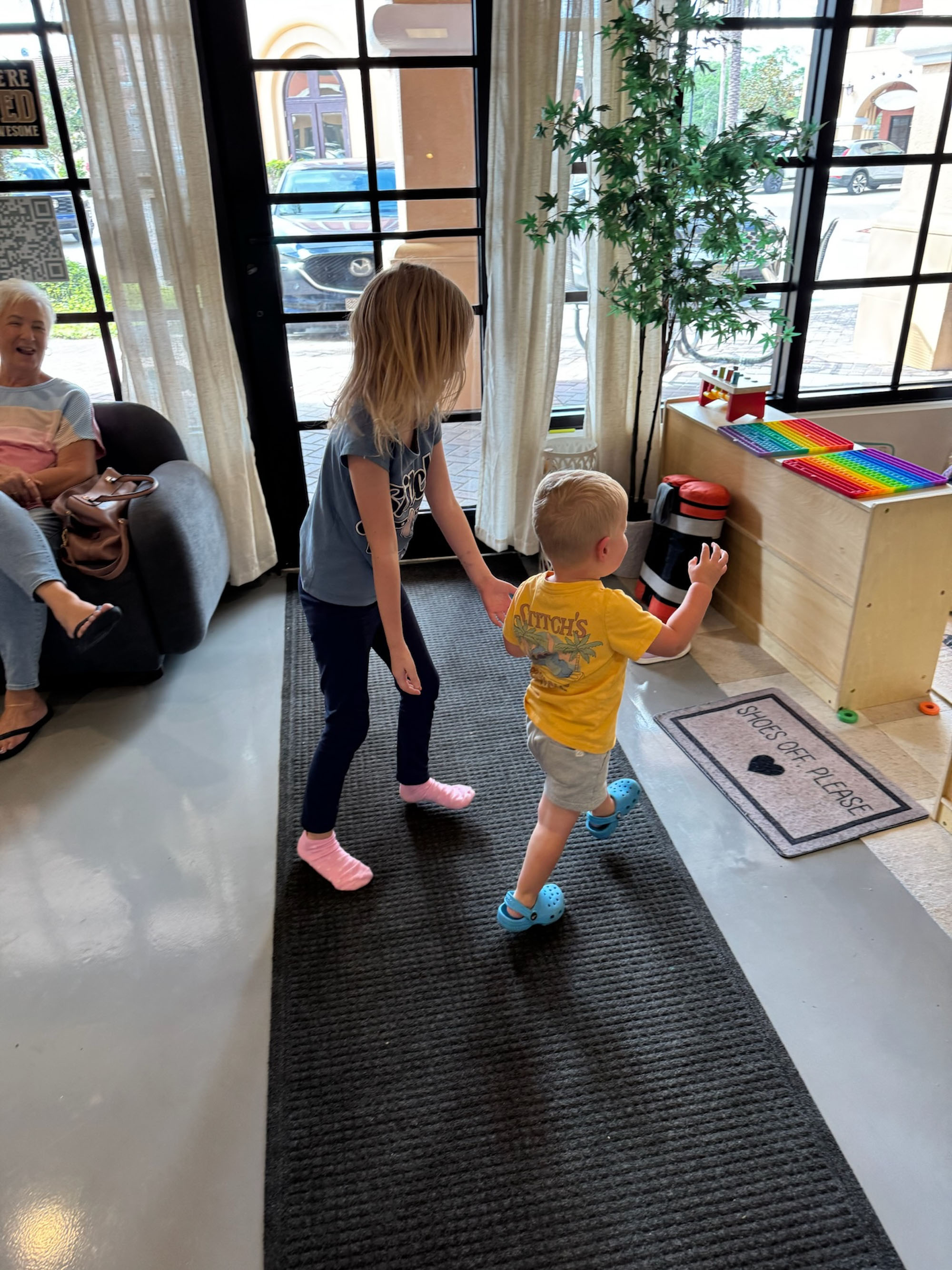
A lobby kids actually want to visit.
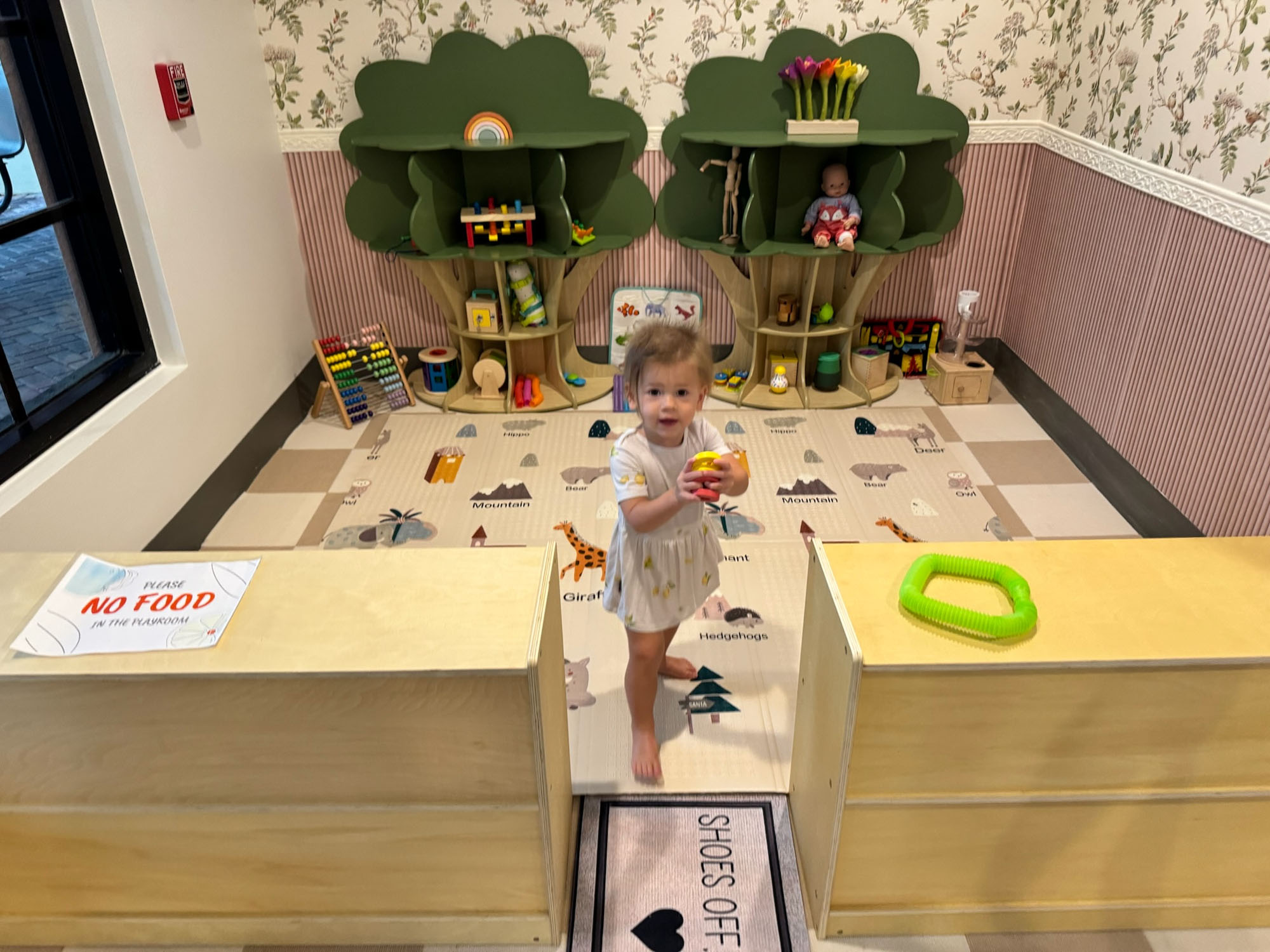
The treehouse — built for imagination.
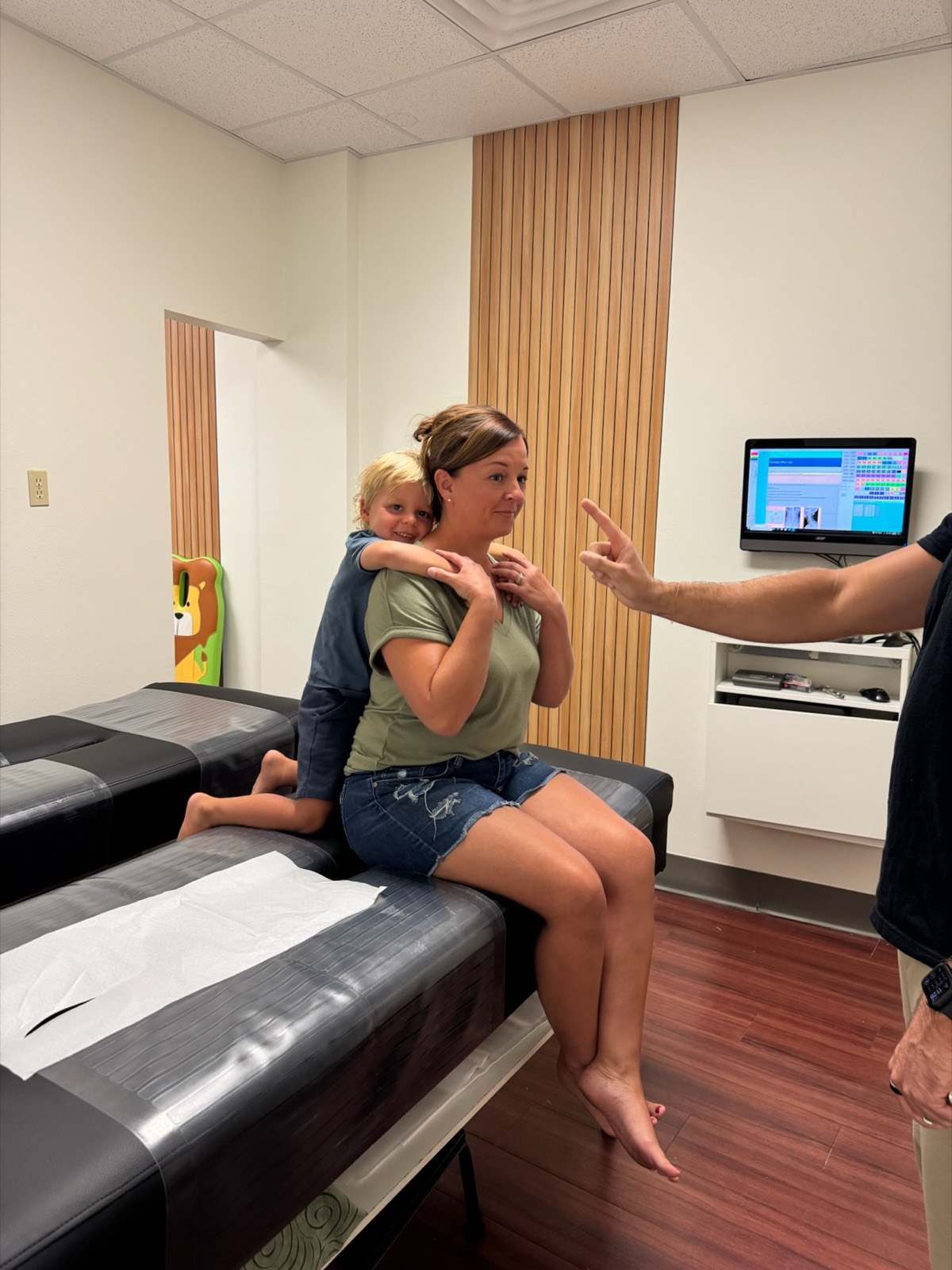
Care that grows with your family.
Keep Exploring
Our approach
Ready to start a conversation?
We'll listen to the full story before we recommend anything.