

Our Approach
What We Do — and What We Don't Claim
Honest language first. Then the methodology. Then how we fit into the bigger picture of your child's care.
Honest Language
What We Don't Claim
We don't cure autism. We don't cure ADHD. We don't replace OT, speech therapy, ABA, feeding therapy, behavior support, medication, or any form of medical care your child is already receiving.
If a practitioner tells you chiropractic will cure your child's neurological condition, please be careful. It won't. What honest chiropractic care can do is support your child's nervous system regulation — which often helps the rest of their plan work better.
We also don't ask families to choose. We want to know who else is on your team. We want to read your therapy notes if you want to share them. We'll send updates to your OT or pediatrician if you ask us to.
What We See Clinically
The Nervous System Pattern We See
Kids with autism, ADHD, sensory processing challenges, and chronic anxiety very often show the same underlying nervous system pattern on our neurological evaluation: the sympathetic side — the fight-or-flight, always-on, high-alert side — is running hot. The parasympathetic side — the rest, digest, recover, connect side — isn't coming online the way it should.
In everyday life, that shows up as poor focus, sensory overwhelm, trouble falling or staying asleep, big emotional swings, difficulty transitioning between activities, and a baseline of tension that the child can't easily shake.
This is not a moral failing of the child or the parents. A nervous system stuck in survival mode isn't choosing that — it's patterned that way, often from birth trauma, early stress, developmental differences, or a combination no one can fully untangle.
Our Methodology
How Chiropractic Care Can Help
Our work is gentle, specific, and patient. We focus especially on the upper cervical spine — the area right at the base of the skull where the brainstem sits and where much of the nervous system's regulation traffic runs. Tension or restriction here often correlates with the stuck sympathetic patterns we see on scans.
Using Torque Release Technique (a gentle, instrument-assisted method) and cranial work tailored to each child, we help bring the parasympathetic side online. We're not forcing anything. The body shifts when it feels safe enough to shift.
Progress is measurable, not just reported. The neurological evaluation scan provides objective maps of autonomic nervous system function. When we re-scan after a course of care, parents can see the shift on the screen — and usually feel it at home long before the numbers confirm it.
Who You'll Work With
Our Doctors' Experience With These Kids
Our doctors have worked with many families on the spectrum and with neurodivergent kids over the years. They listen carefully, take their time during the intake, and adjust their pace, pressure, and approach to every child individually. Kids who initially freeze at the idea of being touched often end up looking forward to their visits.
Our team also coordinates. If you're willing to share updates, they'll send your OT or pediatrician a note about what they're seeing and doing. They'll answer questions from your team. They'll read a scan report from a developmental pediatrician. Good coordination makes everyone's work easier.
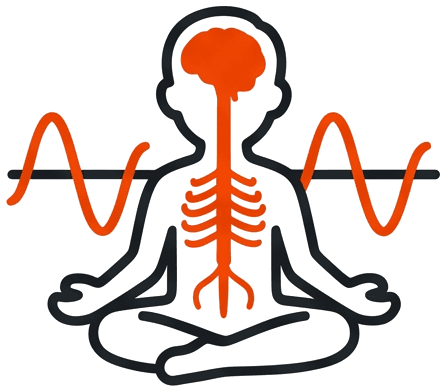
Where regulation begins
A clinic built for sensitive kids.
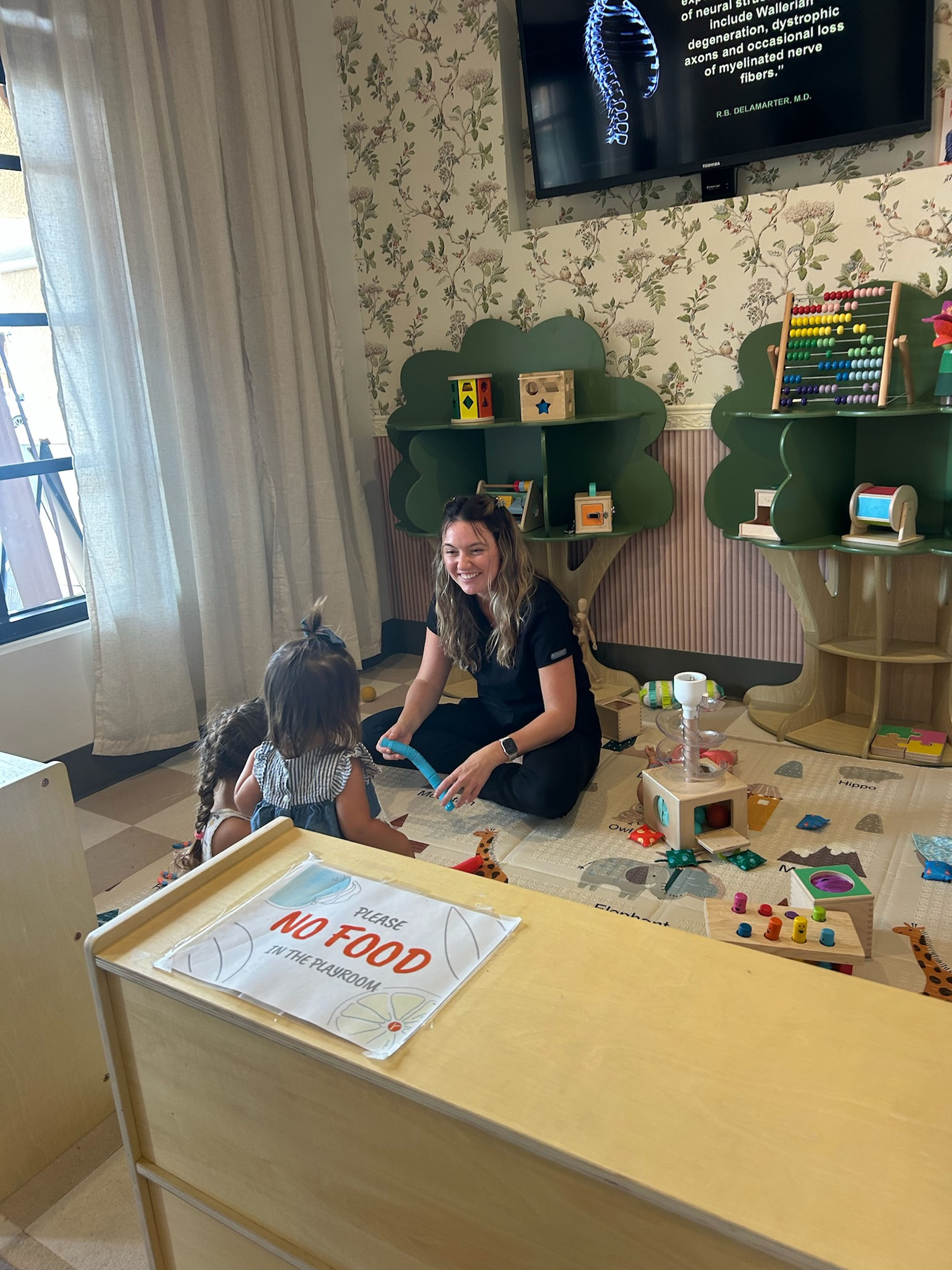
Carly — our favorite kid whisperer.
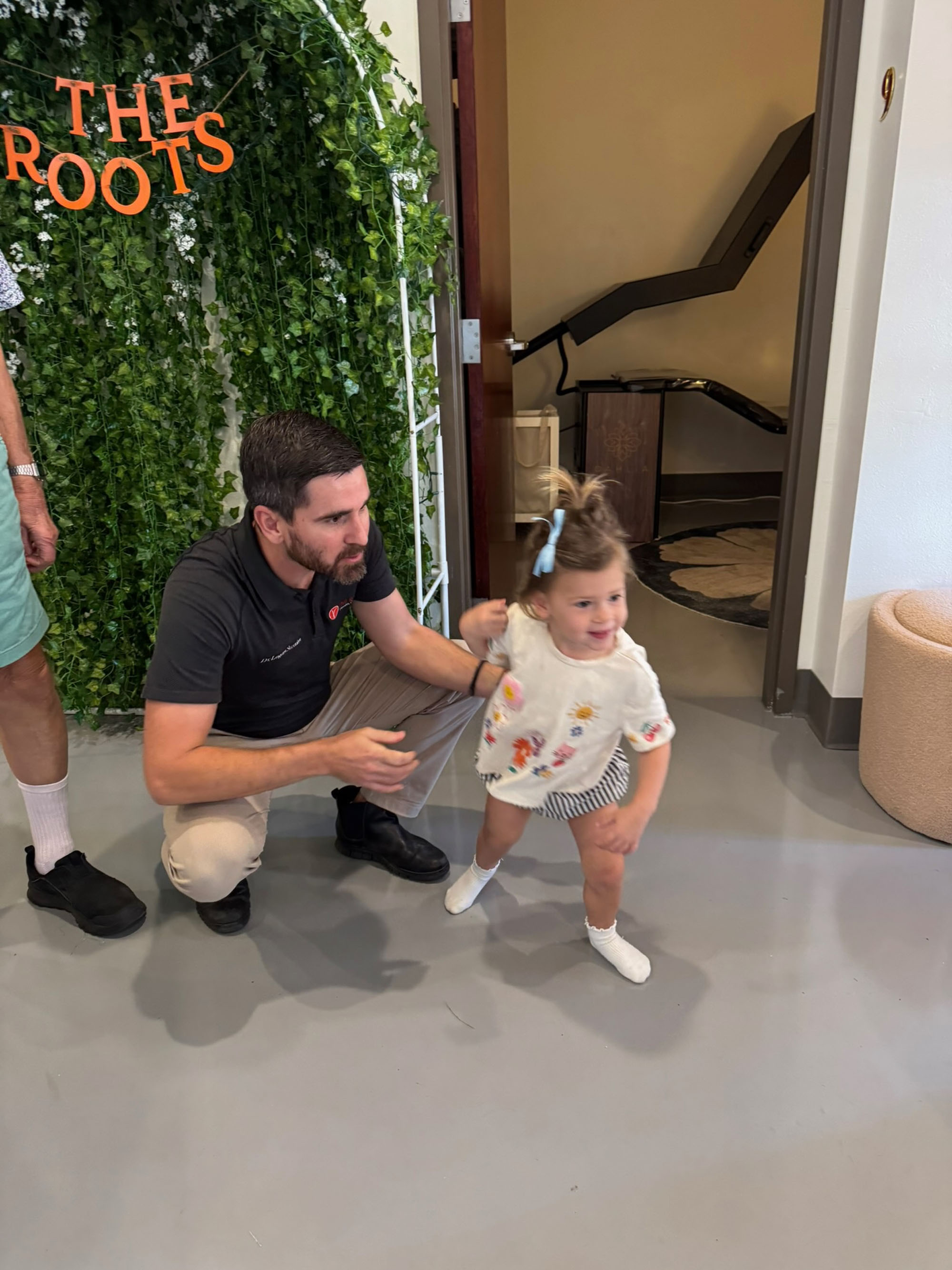
Family day — a Roots tradition.
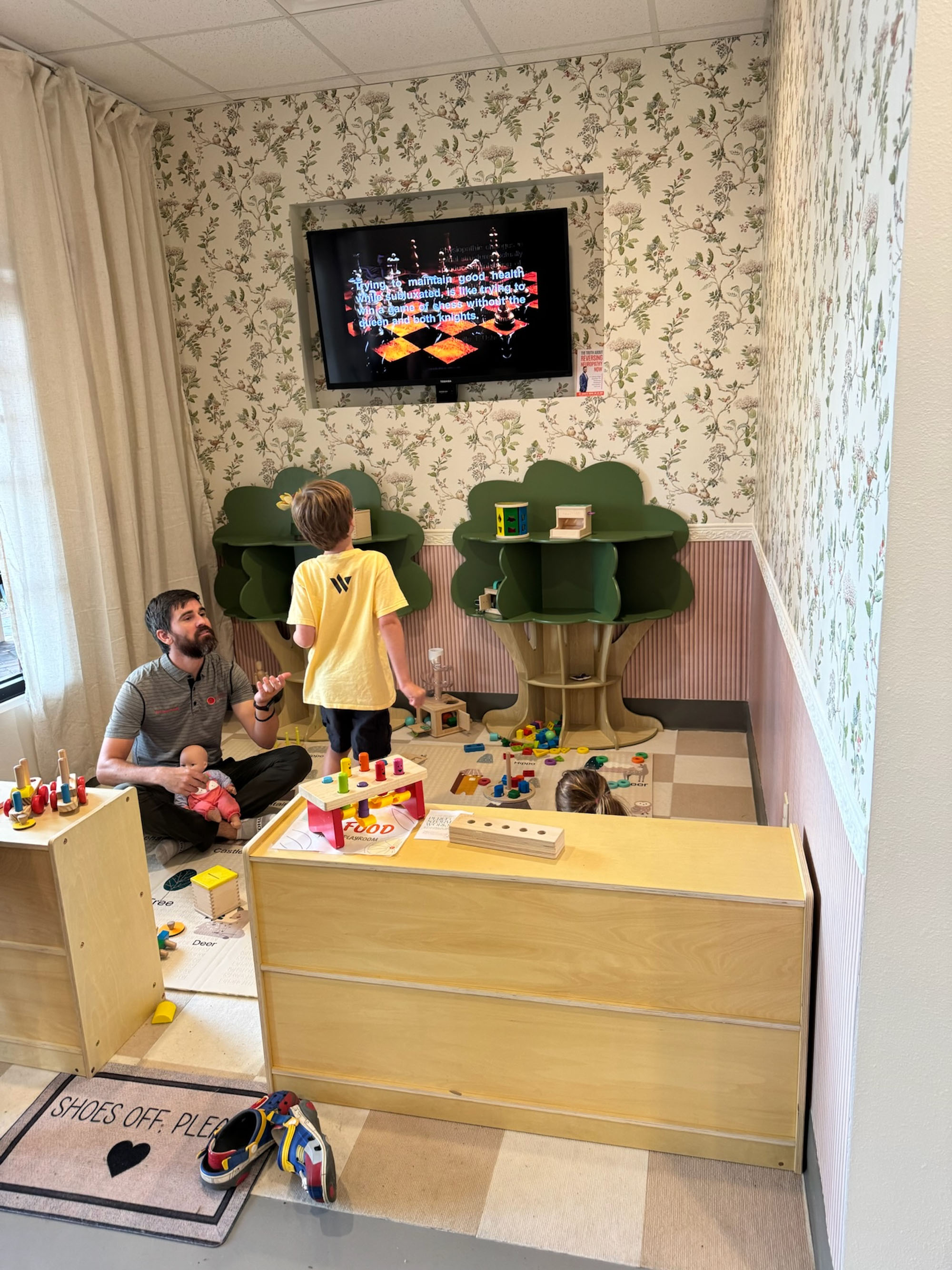
Play-based, never pushy.
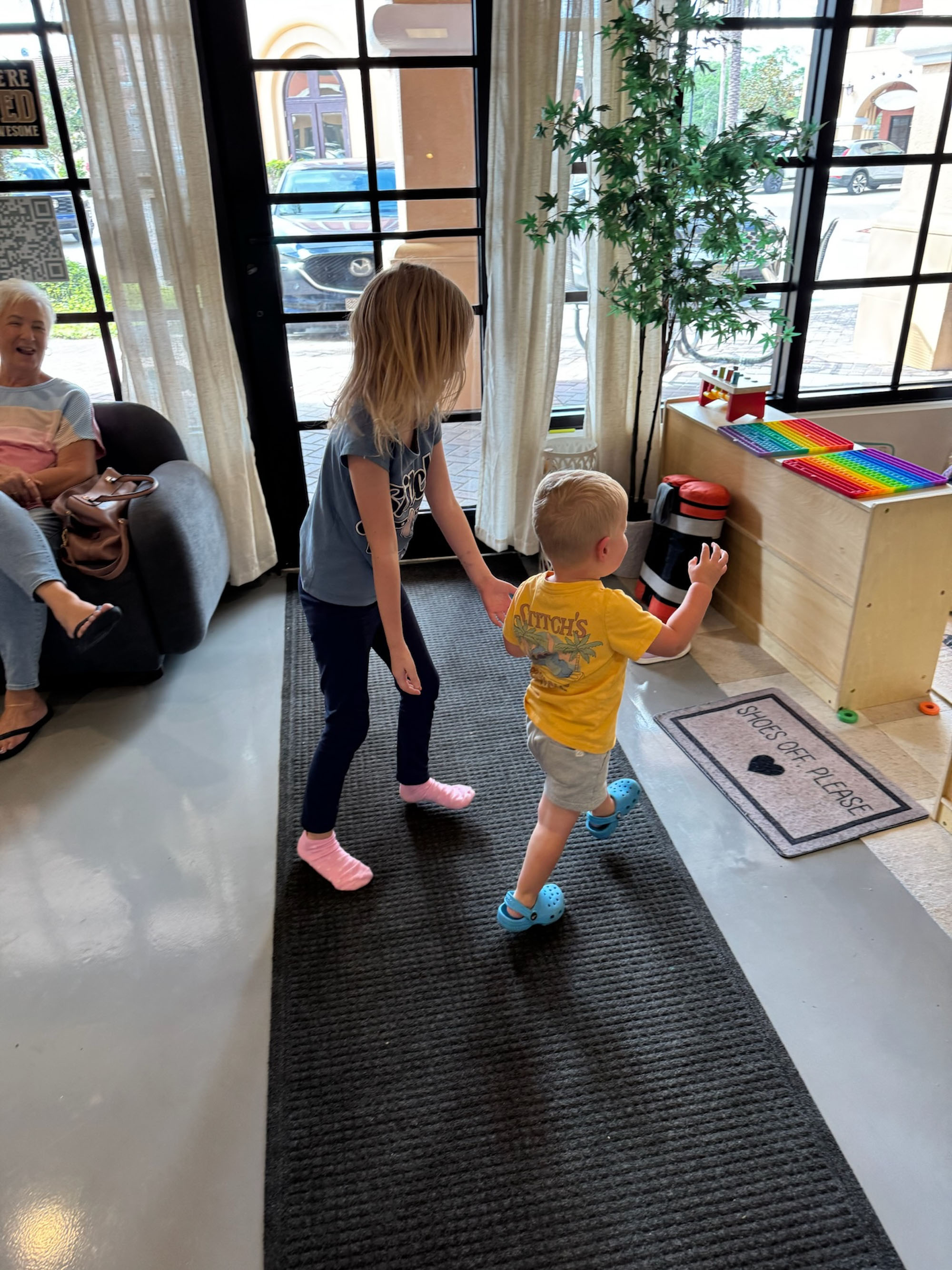
A lobby kids actually want to visit.
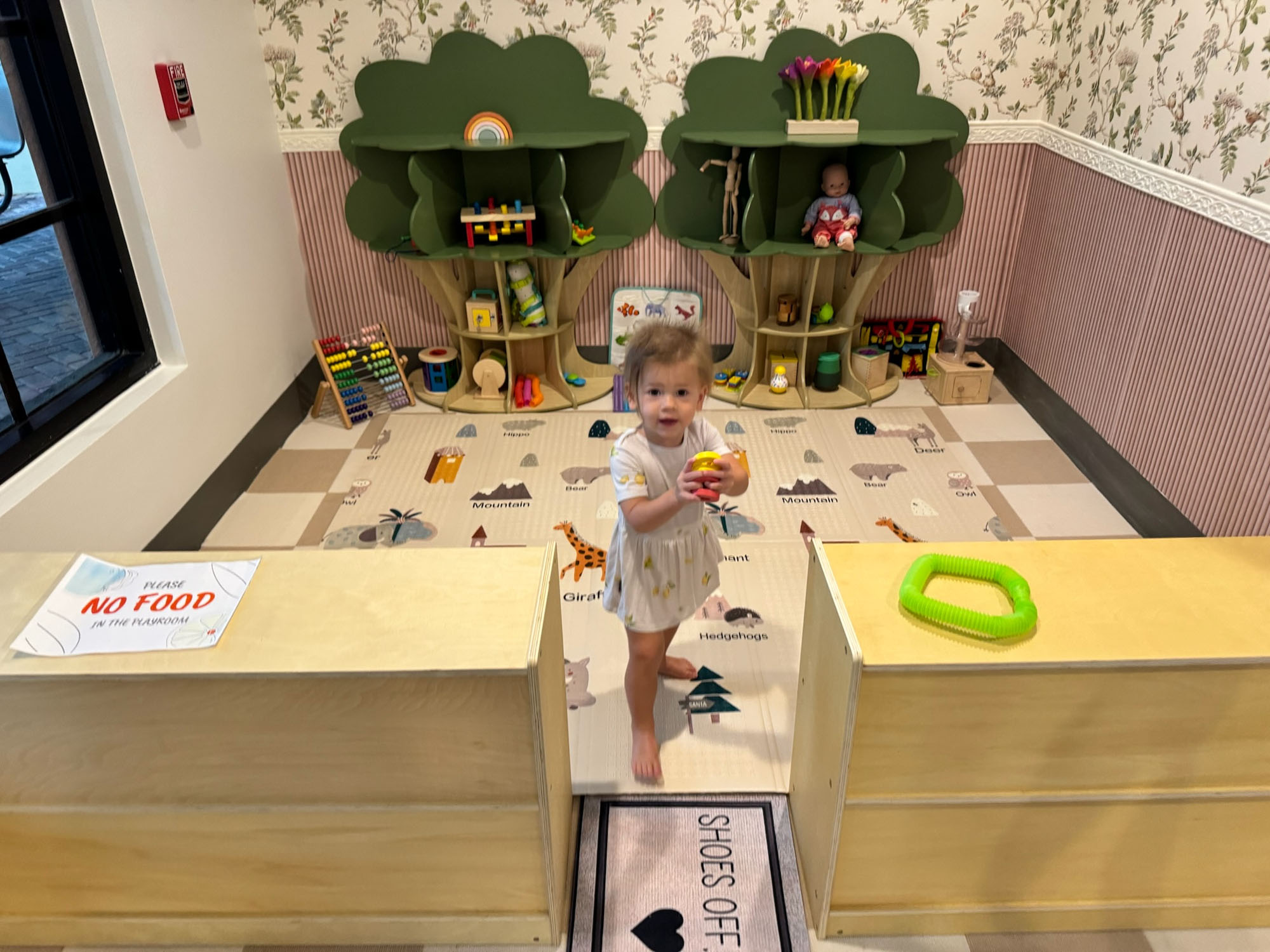
The treehouse — built for imagination.
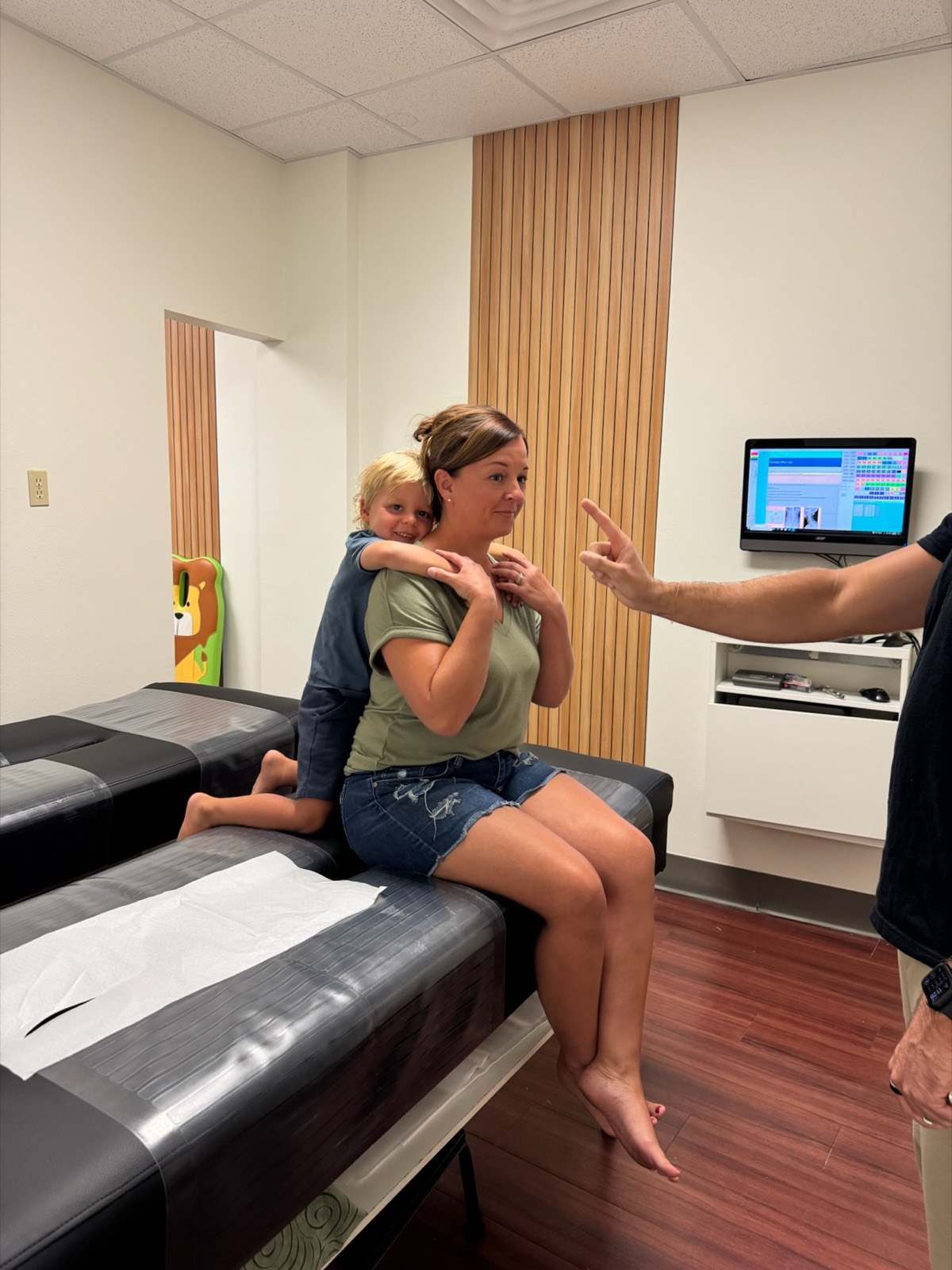
Care that grows with your family.
Keep Exploring
Conditions we help with
Let's talk about your child.
A long conversation is always our first step. We listen before we recommend.