

Conditions We Commonly Help With
What We See, What We Won't Promise
A careful look at the neurodevelopmental patterns that walk through our door every week. No cures. No miracle stories. Just honest language about what many families in our practice notice.

Autism Spectrum
Many families on the spectrum tell us their child sleeps better and tolerates sensory input more easily once we've worked with them for a few months. We often see shifts in focus and connection as well. We never treat autism itself — we work with the nervous system patterns that frequently accompany it, and we coordinate with your OT, speech therapist, ABA team, and developmental pediatrician.

ADHD & Attention Challenges
Many kids with ADHD have nervous systems that are running at a very high baseline arousal. When the system calms, focus and emotional regulation often follow. Many families report that medication and behavior plans work better when the underlying nervous system is less stuck. We never present chiropractic as a substitute for a medication conversation with your prescriber.

Sensory Processing
Sensory processing challenges respond well to gentle, consistent nervous system work in our experience. Kids who melt down at the feeling of tags, loud rooms, or certain foods often come back down faster and with less overall reactivity after a course of care. This work sits alongside OT, not instead of it.
Anxiety in Kids
We commonly see kids with chronic anxiety patterns whose nervous systems are stuck in high sympathetic activity. As we help the parasympathetic side come online, many families report that their child is able to try new things, separate more easily, and recover from disappointment more quickly. Ongoing mental-health support stays important.
Sleep Regulation Challenges
Sleep is often the very first thing parents notice changing. Falling asleep faster, staying asleep longer, fewer night wakings. We can't promise this for every child, but it's a pattern we see often enough that we ask about sleep on every visit.
Speech Delays
We work in coordination with speech therapy — never in place of it. What we've seen is that when nervous system regulation improves, some kids become more available for the work their speech therapist is doing with them. Shared credit matters here; please keep us in the loop with your SLP.

Behavior Dysregulation
Big emotional storms, transitions that feel impossible, meltdowns that last a long time. These are often downstream of a nervous system that doesn't have enough parasympathetic capacity to recover quickly. Gentle chiropractic care, paired with the behavior plan your team has built, can help many kids recover faster.
Please Read This
Chiropractic Is One Piece — Not the Whole Plan
Nothing on this page should be read as a claim that chiropractic care cures or treats autism, ADHD, anxiety, sensory processing disorder, or any other neurological or developmental condition. It doesn't.
If your child is under the care of a developmental pediatrician, neurologist, psychiatrist, therapist, OT, SLP, ABA team, or any other provider — please keep that care in place. Our role is to support nervous system regulation alongside the rest of your child's plan, not to replace any of it.
We'll happily coordinate with your team. We'll tell you honestly if we don't think we can help. And we'll never ask you to stop any therapy, medication, or medical care your child is receiving.
Where regulation happens
A place kids feel safe enough to settle.
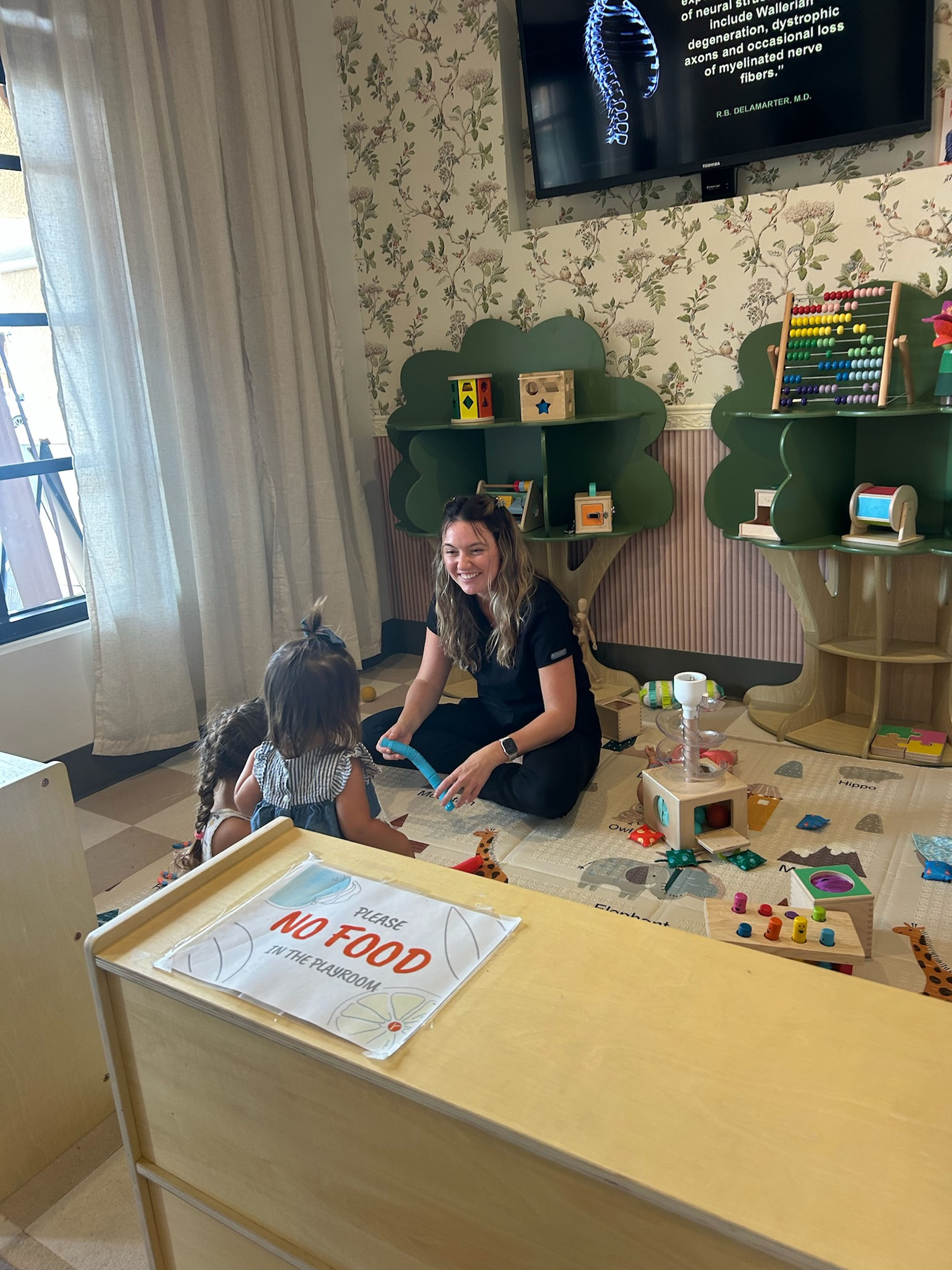
Carly — our favorite kid whisperer.
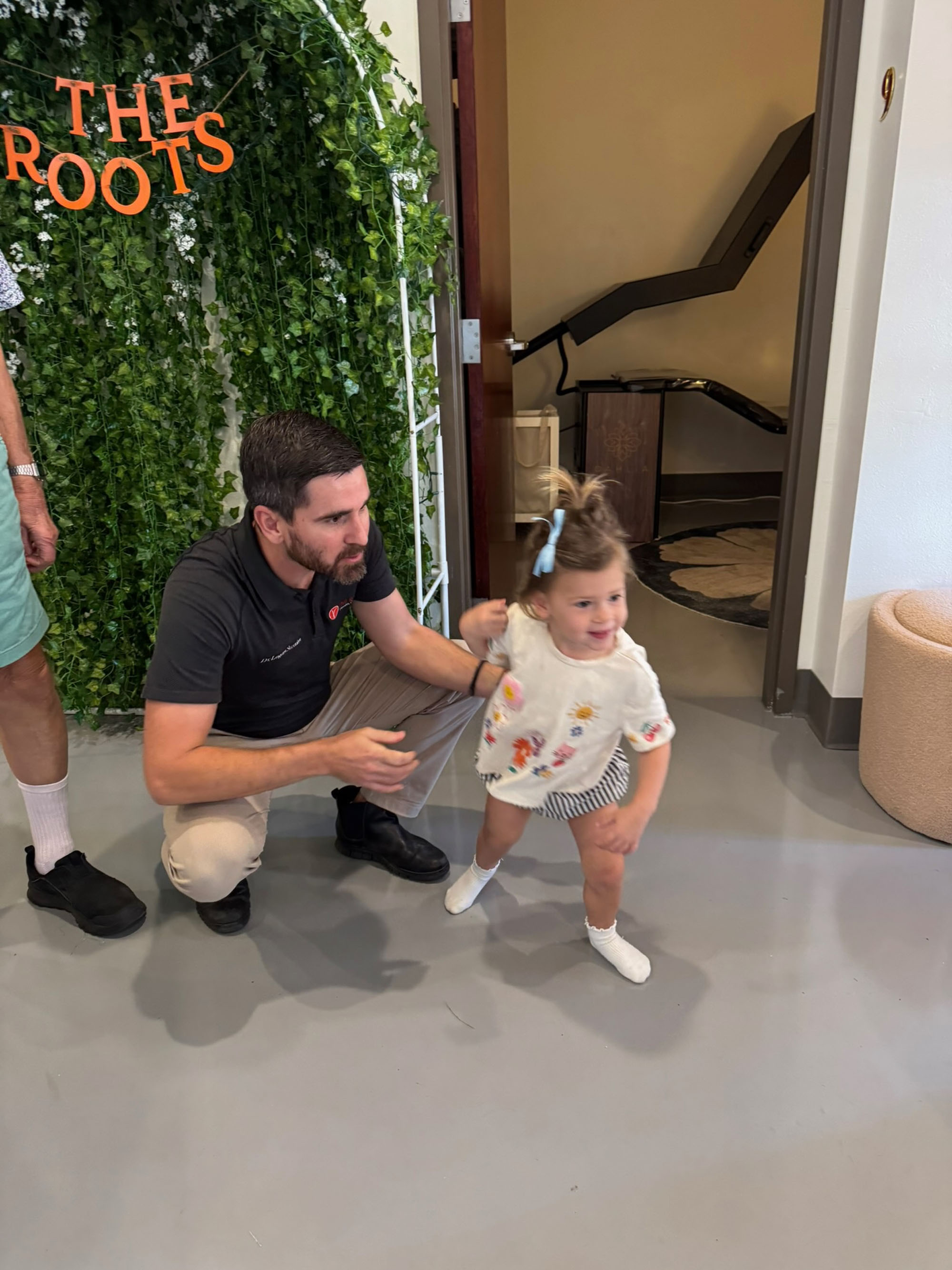
Family day — a Roots tradition.
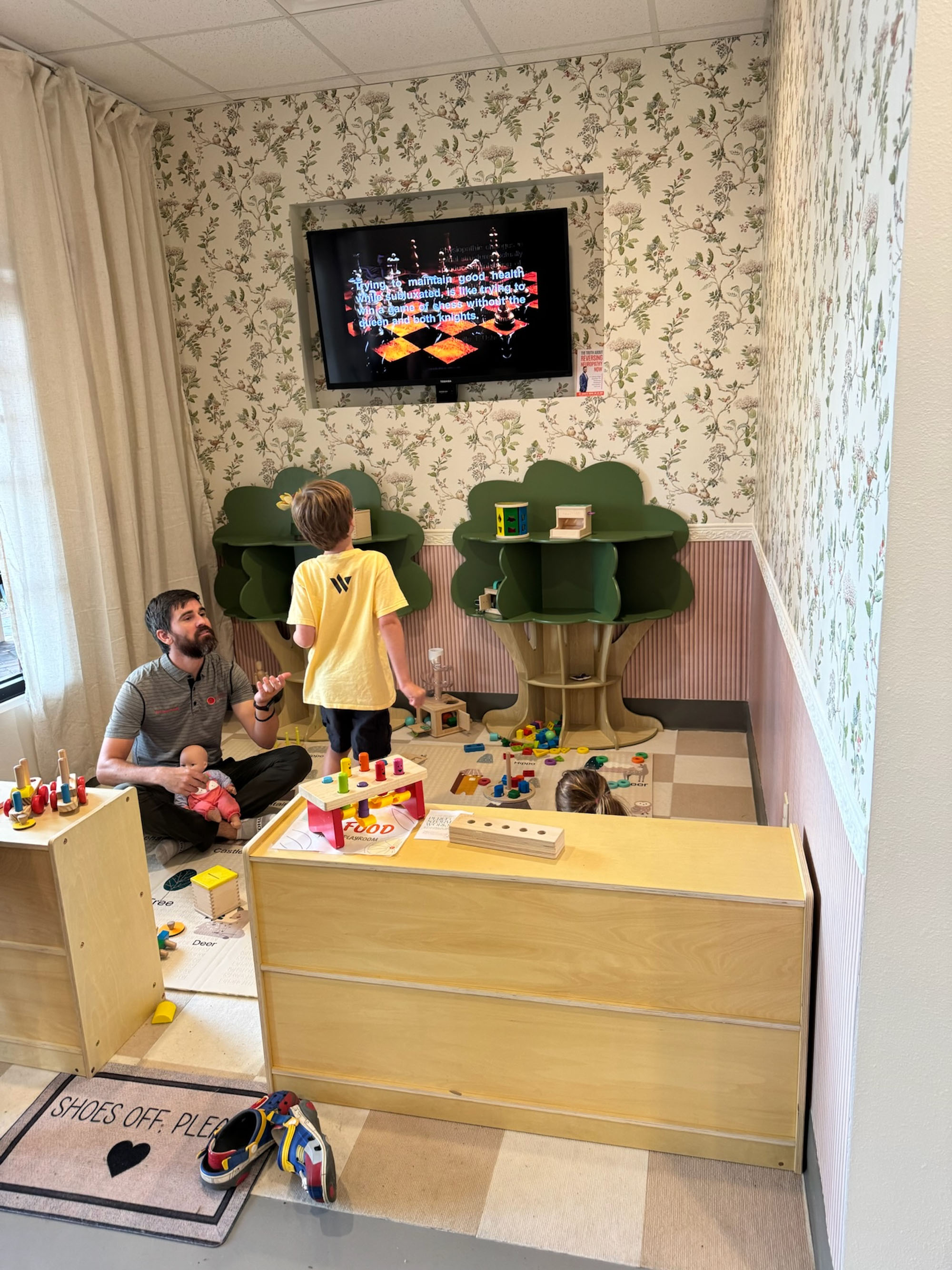
Play-based, never pushy.
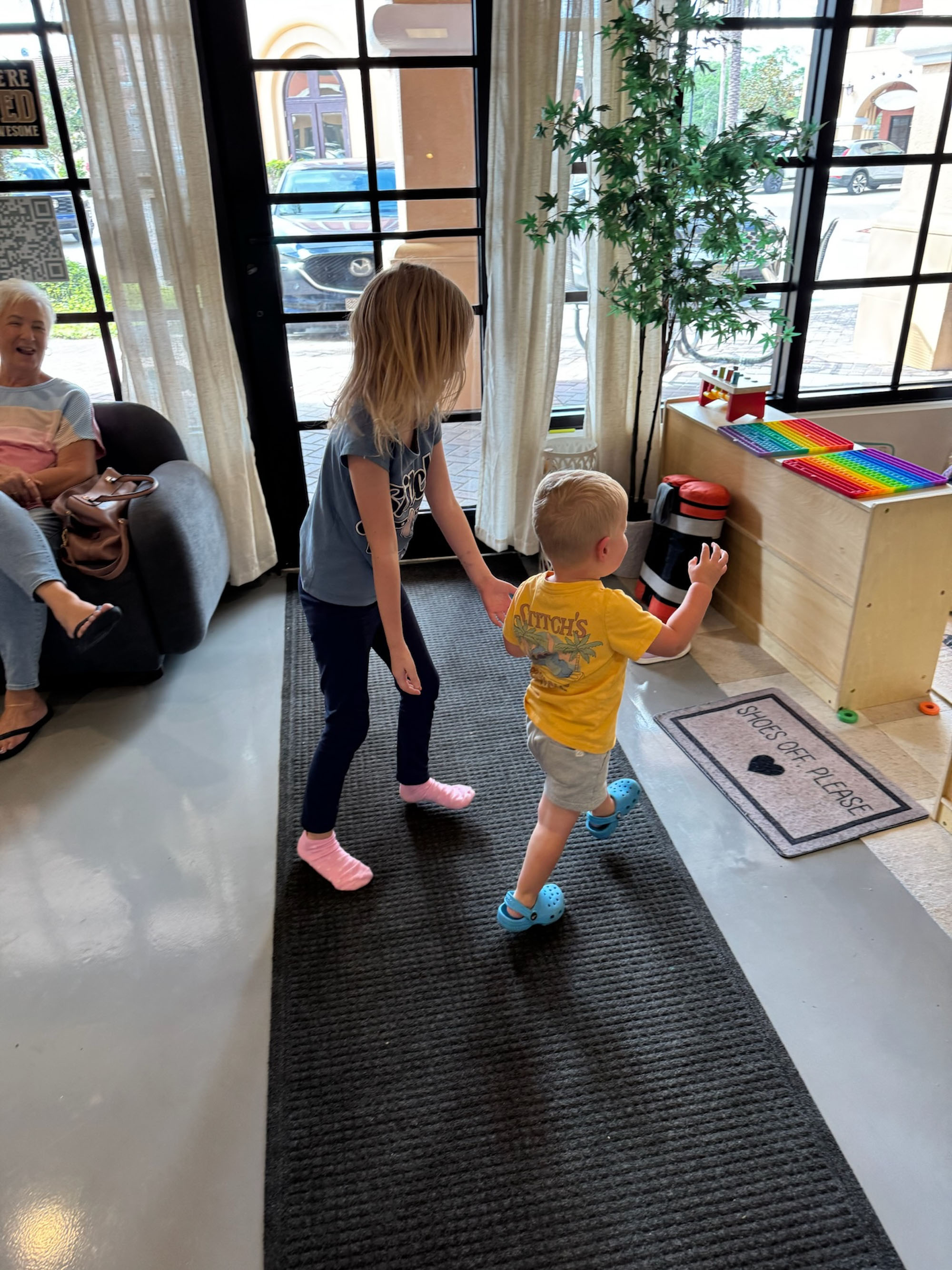
A lobby kids actually want to visit.
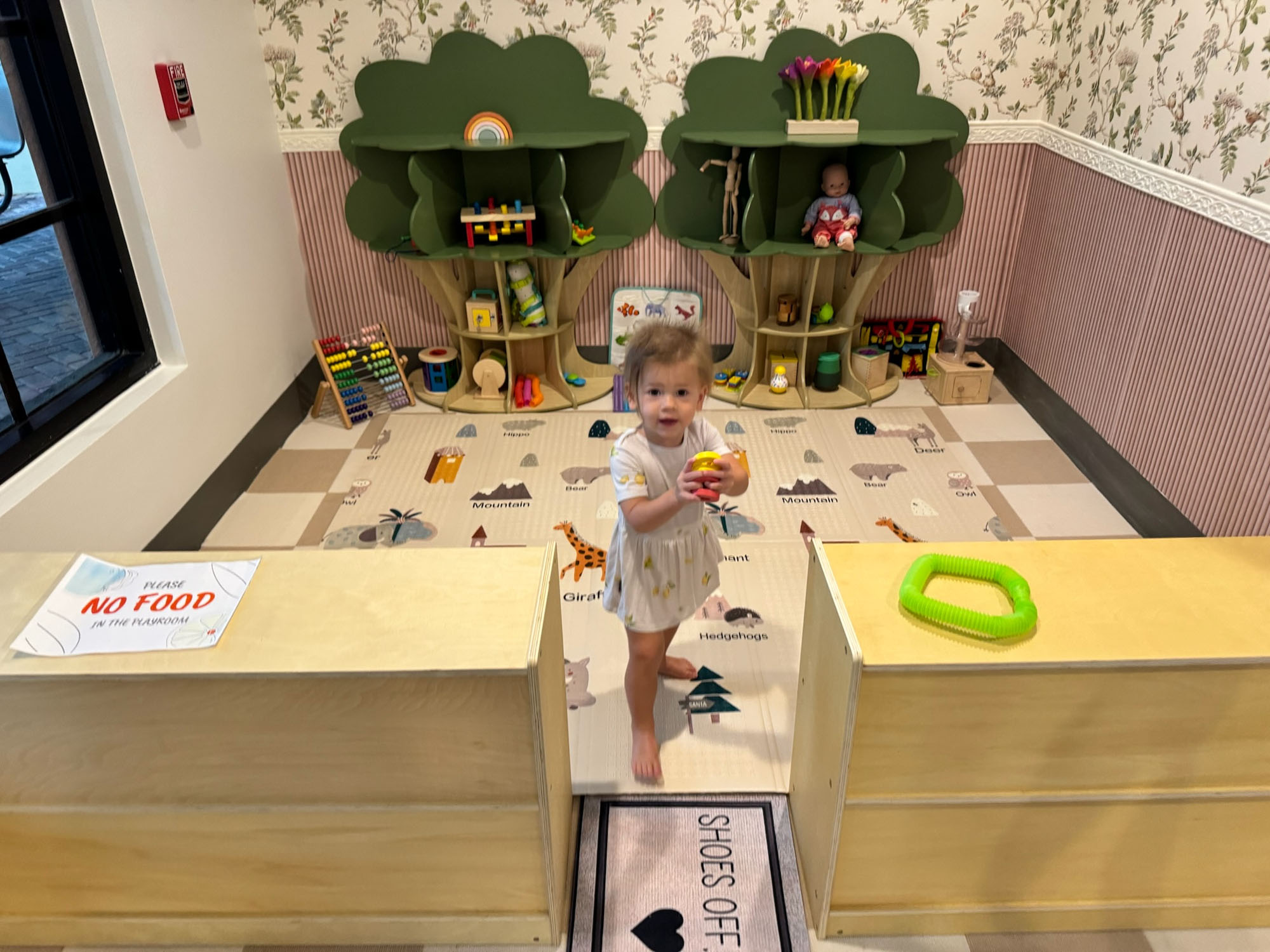
The treehouse — built for imagination.
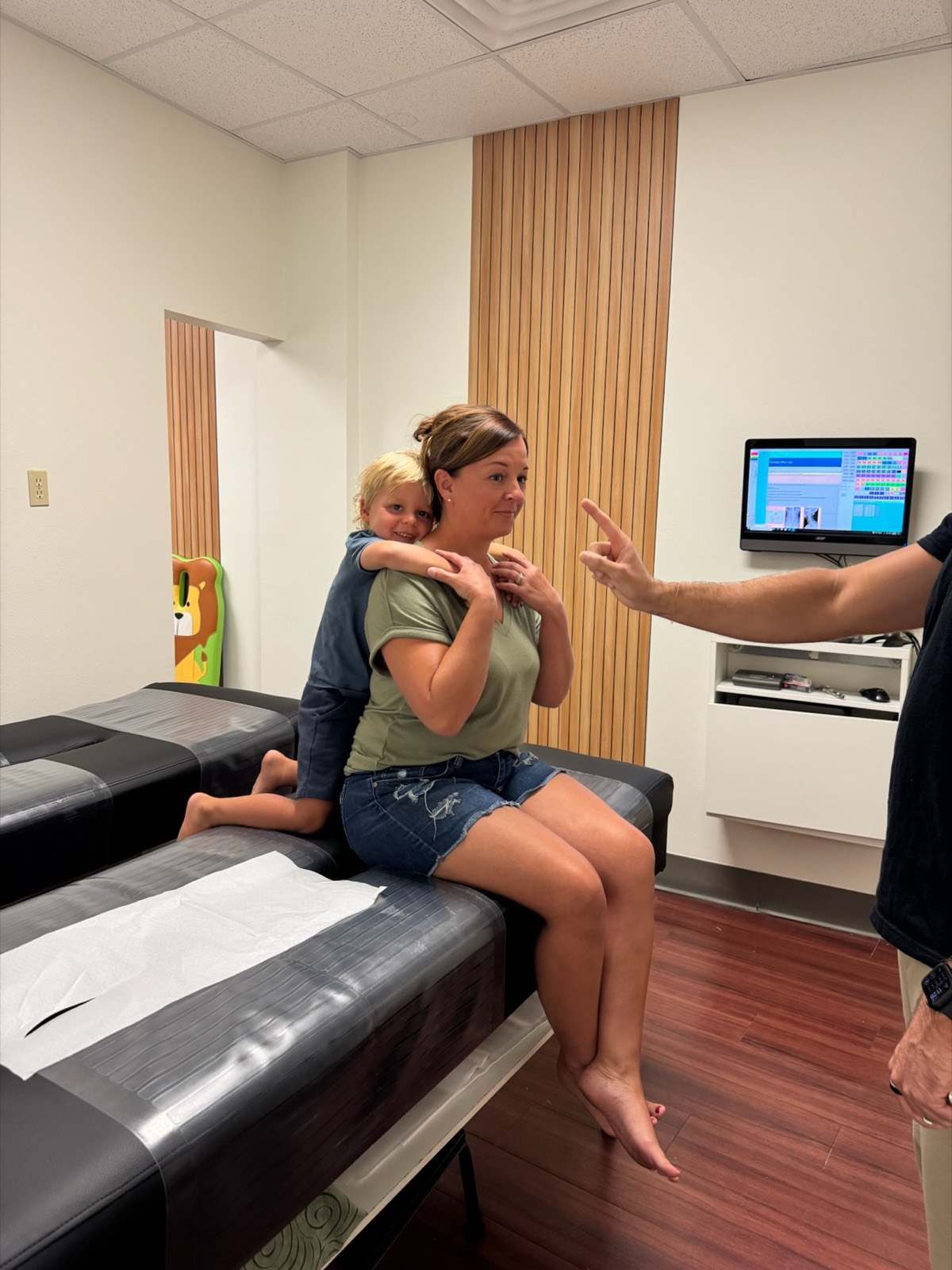
Care that grows with your family.
Keep Exploring
Our approach
Let's start with a conversation.
Tell us what your child is working on — we'll listen and we'll be honest about whether we can help.