

Condition
Bed Wetting
When staying dry overnight keeps not clicking
Bed wetting past the typical age isn't a discipline problem, a laziness issue, or a sign of emotional trouble. It's often a nervous-system maturation gap — specifically in the lumbar and sacral pathways that control bladder signaling at night.
By Dr. Logan Swaim · Last updated July 17, 2026
Get help with Bed Wetting
Three quick questions — we'll call you within 24 business hours.
Understanding Bed Wetting
What it is & why it shows up
Most families dealing with bed wetting have already tried the practical approach — limiting fluids before bed, wake-up alarms, reward charts. When none of that sticks, and your child is still waking to wet sheets at an age where their friends have been dry for years, the frustration is real. So is the effect on the child's confidence. We want you to know there's usually an explanation beyond 'they'll grow out of it eventually.'
Bladder control is a nervous-system skill. During sleep, the brain needs to receive and respond to the signal that the bladder is full. That pathway runs through the sacral segments of the lower spine — S2, S3, S4. When those segments hold tension or subluxation from growth spurts, early sports, or developmental asymmetry, the signaling can be inconsistent. The child sleeps through the cue not because they don't care, but because the signal isn't getting through clearly.
Gentle lumbar and sacral adjustments — sized and pressured for a child, not an adult — can improve the clarity of that neural pathway. Many families see steady progress once the structural piece is addressed. Care works alongside your pediatrician's evaluation (we always want other causes ruled out first) and never involves shame or blame toward your child.
What parents notice
Signs that bring families in
- Regular bedwetting past age 5–6 despite typical readiness
- Nighttime-only — daytime bladder control is fine
- Heavy sleeper who doesn't respond to bed-wetting alarms
- History of constipation or incomplete voiding
- Frequently cold feet or legs (circulation signal)
- Tight low back or hip muscles noticed during activity
How we help
Our approach to bed wetting
- Full history — frequency, pattern, any prior medical workup
- Lumbar and sacral structural assessment
- Gentle, child-appropriate low-back and sacral adjustments
- Hydration + voiding pattern coaching for families
- Coordinate with your pediatrician if a medical cause hasn't been ruled out
From the Clinic
Hear it from our doctors
Dr. Grayson Fox — Why Pediatric Chiropractic”
Inside Little Roots
What gentle care looks like.
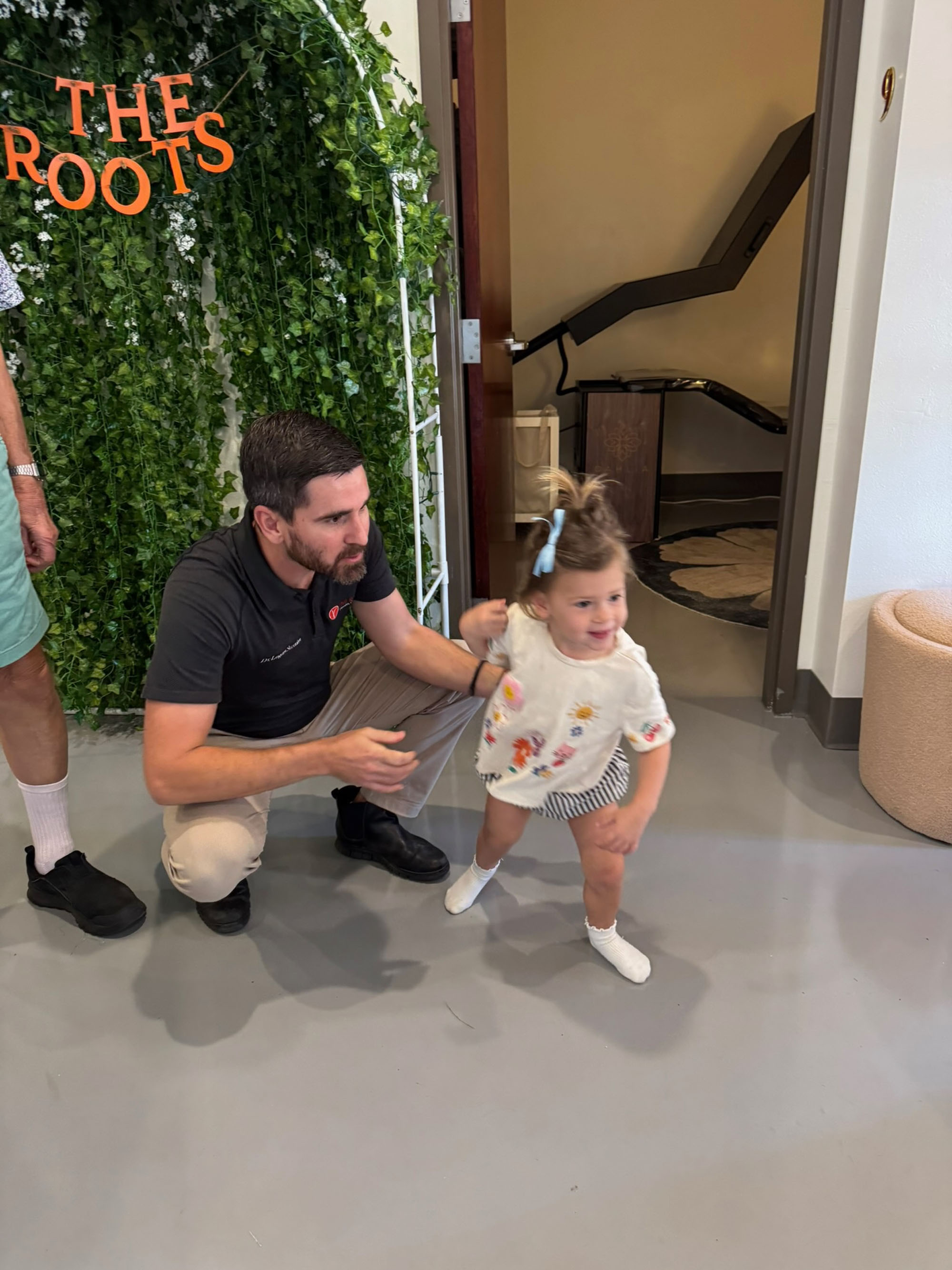
Family day — a Roots tradition.
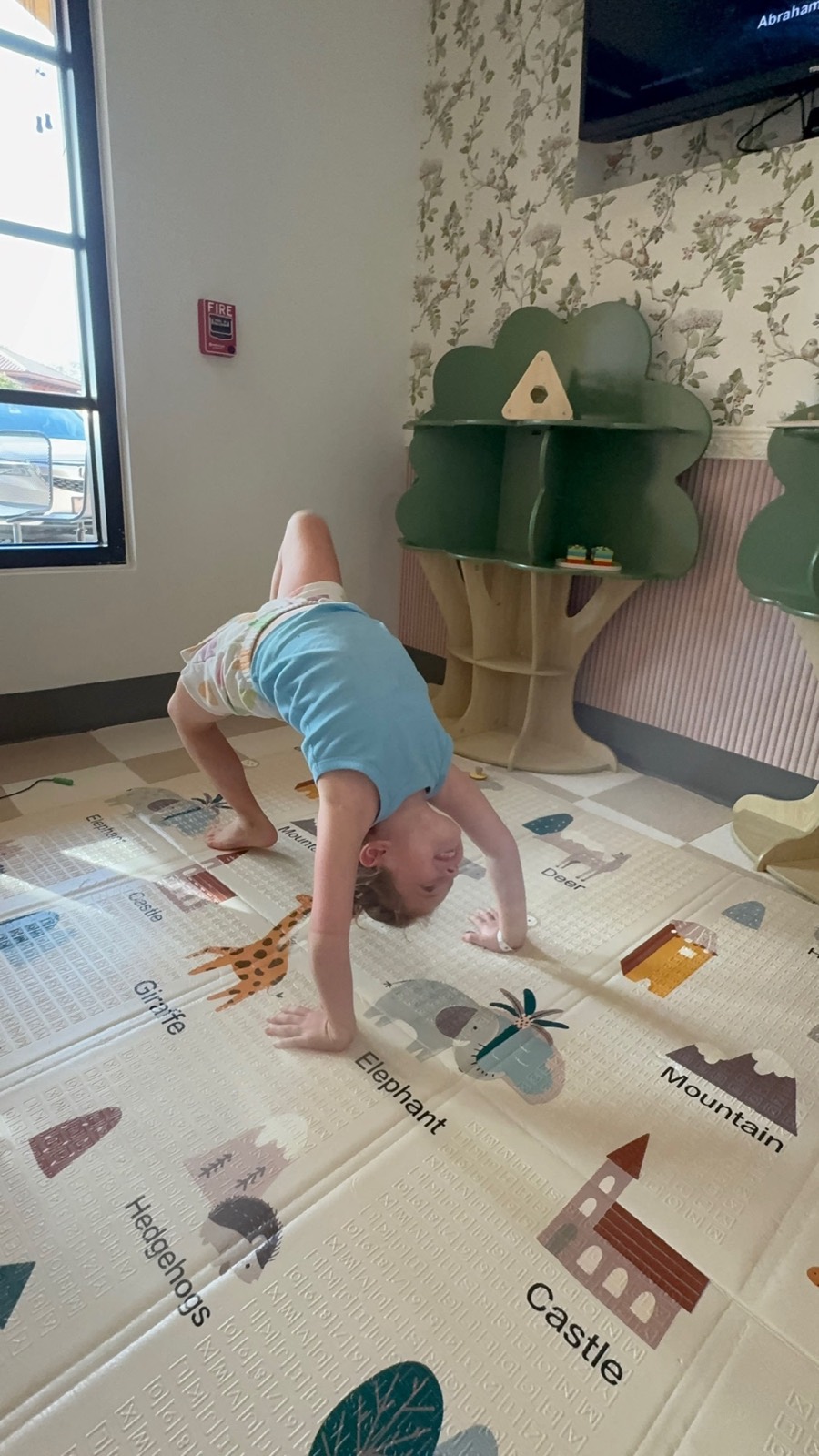
Strong, moving, thriving.
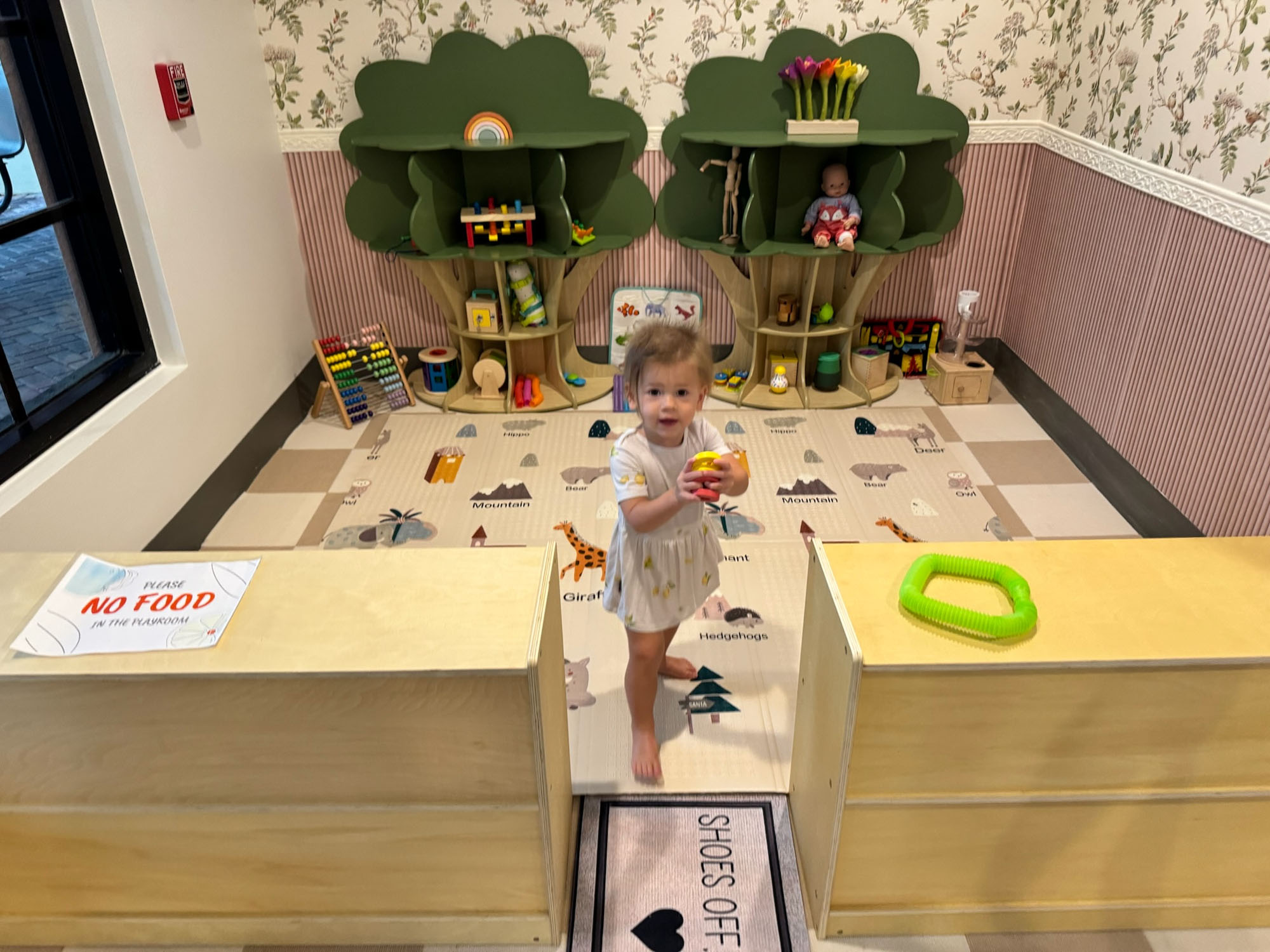
The treehouse — built for imagination.
Keep Exploring
Meet our team
Services that support this
Care we offer for bed wetting

Pediatric Wellness
Neurologically-focused chiropractic care for kids and teens — supporting healthy development, immune function, sleep, focus, and behavior.
Learn more →
Developmental Support
Specialized neurodevelopmental chiropractic for children navigating autism, ADHD, sensory processing, and other complex developmental needs.
Learn more →Other conditions we help with
You may also be looking at


Common questions
Frequently asked questions
Our Doctors
A pediatric-trained team behind every visit
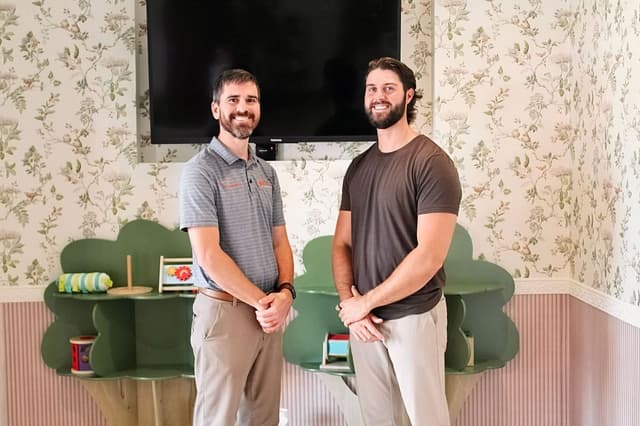
Little Roots is led by co-directors Dr. Logan Swaim, MS, DC and Dr. Laura Swaim, DC — both Webster Certified, Dr. Laura through the ICPA — alongside Dr. Grayson Fox, DC, who is PX-Certified with advanced training in chiropractic neurology and a dedicated pediatric focus. Carly Lovato, our office and lead case manager, and Yohanna Miller, our patient care coordinator, complete the team your family sees at every visit.
Meet the whole team →Want a personalized look at
your child's nervous system?
Start with a complimentary consultation. We listen first, evaluate gently, and recommend only if there's something we can help with.