

Symptom · Moms & Pregnancy
Pubic Bone Pain During Pregnancy
The sharp ache at the front that changes everything
A sharp ache or feeling of instability at the front of the pelvis — the pubic symphysis — is one of pregnancy's most disabling symptoms. Webster Technique and gentle soft-tissue work can shift it significantly.
By Dr. Logan Swaim · Last updated June 5, 2026
Get help with Pubic Bone Pain During Pregnancy
Three quick questions — we'll call you within 24 business hours.
Understanding Pubic Bone Pain During Pregnancy
What it is & why it shows up
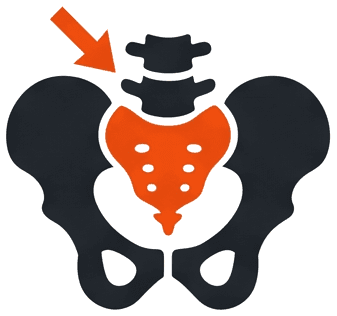
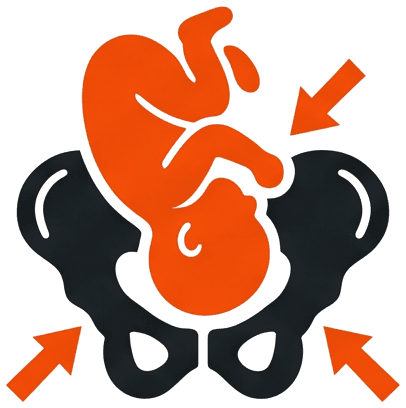
Pubic symphysis pain is the specific variant of pelvic girdle pain that most women describe as a sharp, knife-like sensation right at the front of the pelvis, often worse with single-leg activities: stepping out of the car, going up stairs one foot at a time, rolling over in bed. Some women report a grinding or clicking sensation. All of it is the symphysis — the cartilage joint at the front of the pelvis — moving in ways it isn't supposed to under the influence of relaxin and asymmetric loading.
The fix isn't to fuse it or brace it into immobility. It's to restore even load through the entire pelvic ring so the symphysis isn't doing more than its share. That means balancing the sacroiliac joints on both sides, releasing the adductors and hip flexors that are guarding the instability, and working with you on movement modifications that don't feed the asymmetry.
Most mamas with pubic symphysis pain see meaningful improvement within a few visits. The goal is to get you through the rest of pregnancy comfortable and mobile, and set the pelvis up well for labor.
Important
When to seek medical care first
If your pubic pain is sudden and severe, followed a fall or impact, or is accompanied by any bleeding or unusual discharge, see your OB or midwife before anything else.
From the Clinic
Hear it from our doctors
Dr. Grayson Fox — All Ages Prenatal”
Inside Little Roots
What gentle care looks like.
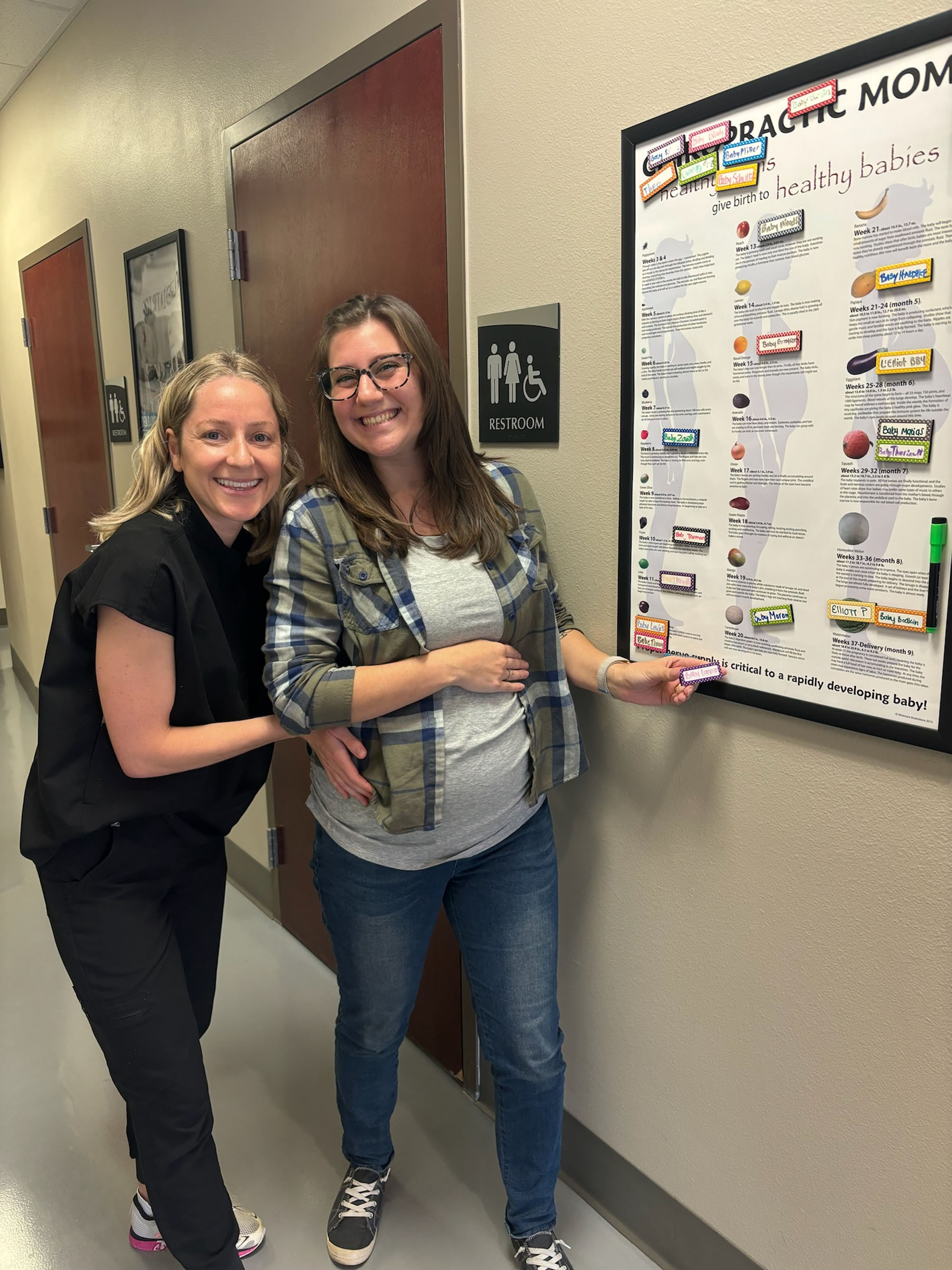
Webster-certified prenatal care.
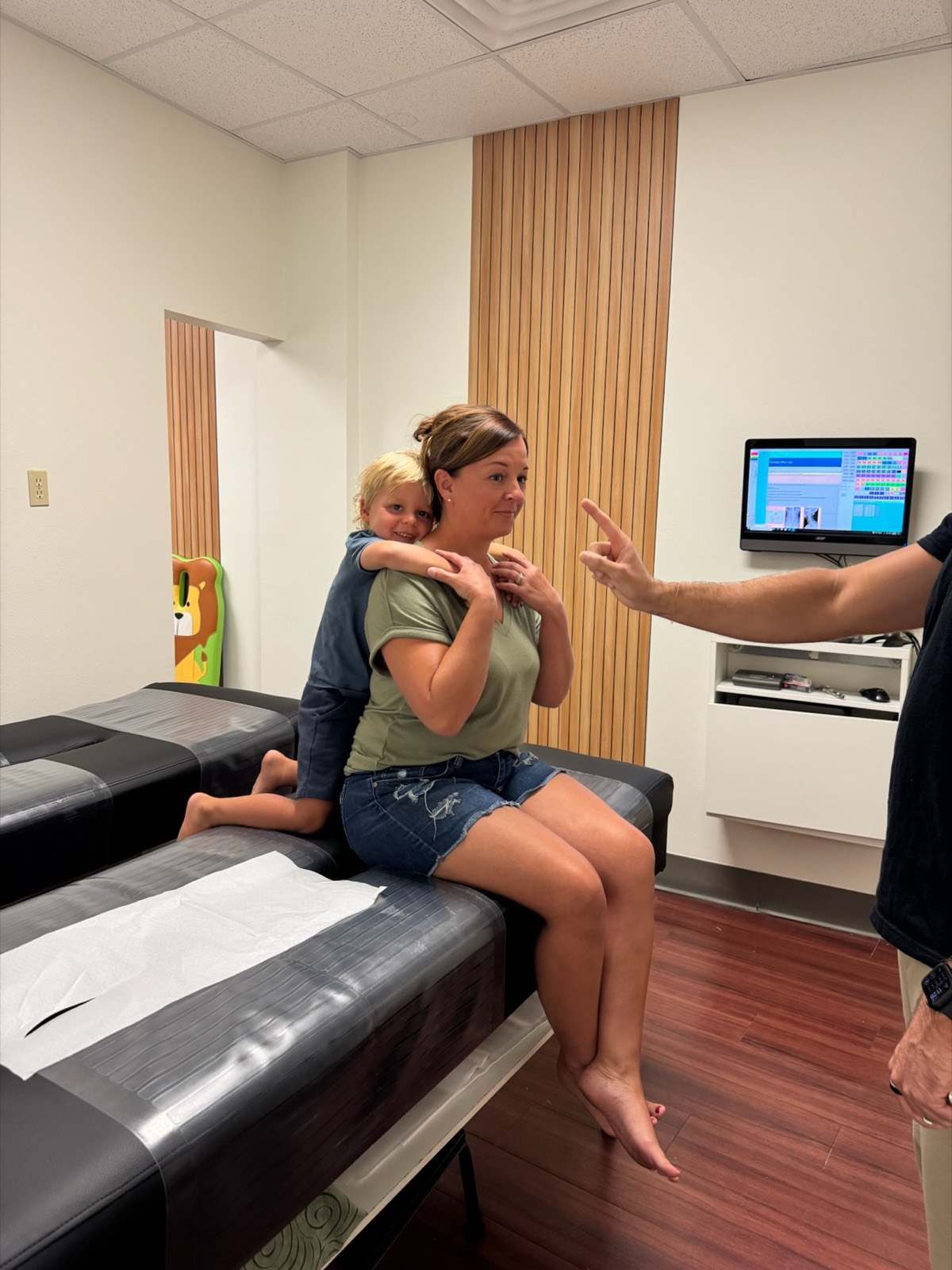
Care that grows with your family.
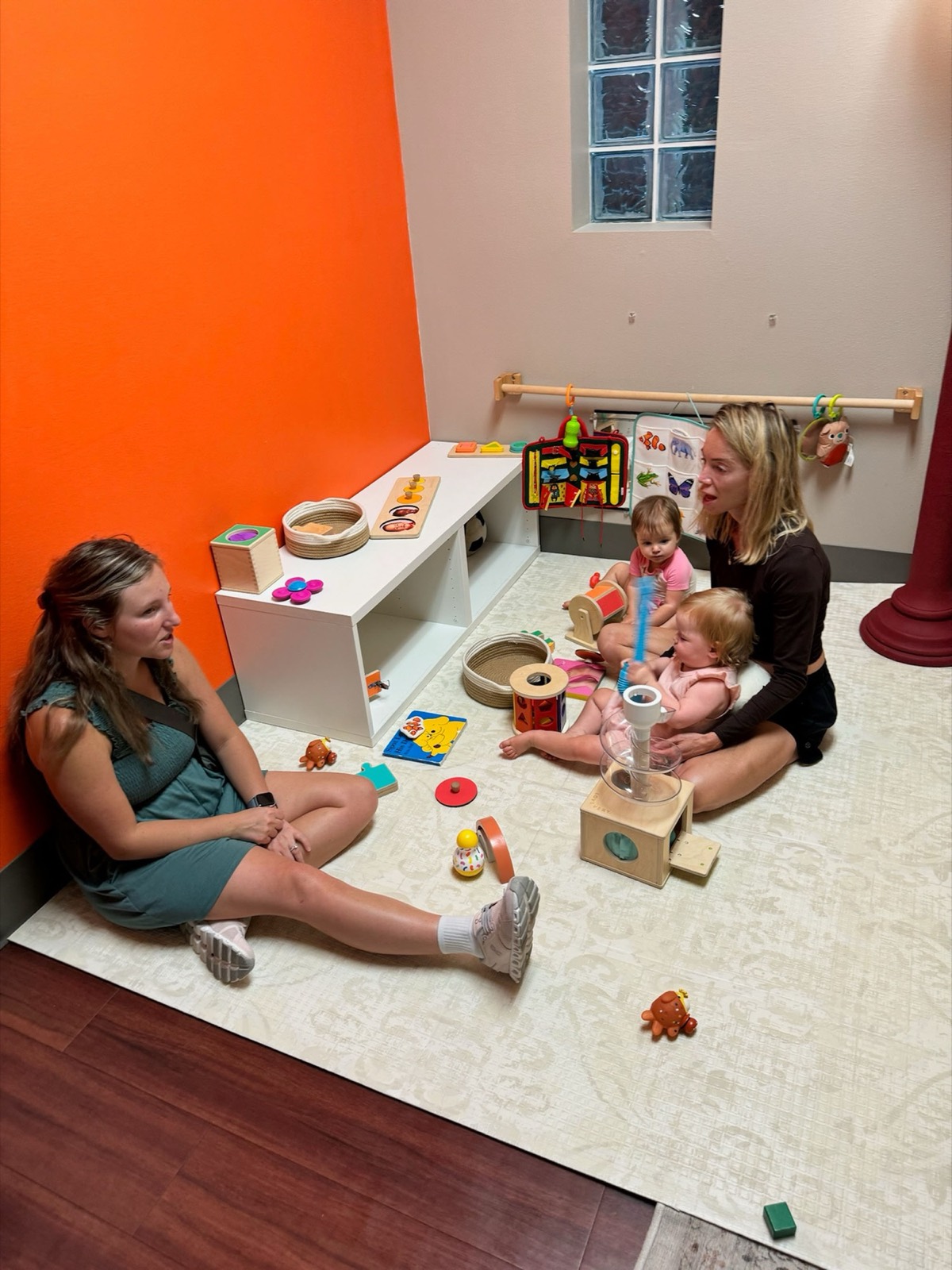
Moms supporting moms — every visit.
Keep Exploring
Meet our team
Care we offer
Services that support pubic bone pain during pregnancy

Read more
Articles for parents
The Webster Technique: A Complete Guide for Expecting Moms
The Webster Technique is a specific chiropractic approach that supports pelvic balance during pregnancy. Here's what it is, how it works, and what to expect from a Webster certified chiropractor.
Pregnancy Back Pain Relief: Why It Happens and How Prenatal Chiropractic Helps
Back pain during pregnancy is one of the most common complaints — and one of the most dismissed. Here's what's actually happening in your body and how prenatal chiropractic care can help.
Common questions
Frequently asked questions
Our Doctors
A pediatric-trained team behind every visit
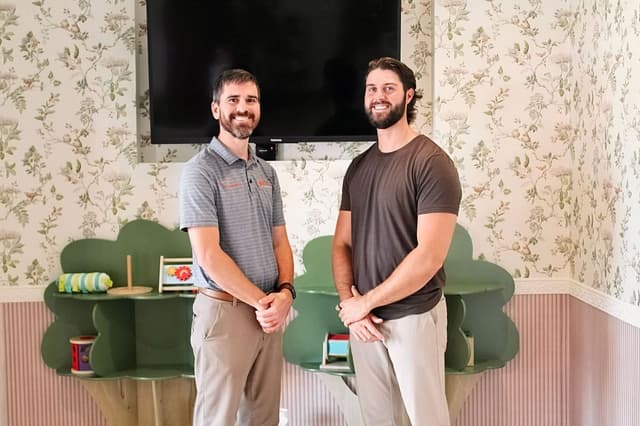
Little Roots is led by co-directors Dr. Logan Swaim, MS, DC and Dr. Laura Swaim, DC — both Webster Certified, Dr. Laura through the ICPA — alongside Dr. Grayson Fox, DC, who is PX-Certified with advanced training in chiropractic neurology and a dedicated pediatric focus. Carly Lovato, our office and lead case manager, and Yohanna Miller, our patient care coordinator, complete the team your family sees at every visit.
Meet the whole team →Want a gentle look at
what's going on?
Start with a complimentary consultation. We listen first, evaluate gently, and recommend only if there's something we can help with.