

Symptom · Children & Kids
Impulsivity
Act first, think second — and then feel terrible about it
Impulsive kids aren't choosing not to think before they act — their nervous systems are reacting faster than their frontal lobes can intervene. Care that helps the system downshift creates a longer runway between trigger and response.
By Dr. Logan Swaim · Last updated May 22, 2026
Get help with Impulsivity
Three quick questions — we'll call you within 24 business hours.
Understanding Impulsivity
What it is & why it shows up
Impulsivity looks like blurting, grabbing, hitting before thinking, interrupting mid-conversation, and making choices that your child immediately regrets but can't seem to stop. It's frustrating for parents. It's often worse for the child, who may have real insight into their behavior but zero capacity to slow it down in the moment.
The neurology here is straightforward: the prefrontal cortex (the thinking, planning, impulse-control center) needs to work fast enough to intercept the reactive limbic system. When the nervous system is running hot — high baseline arousal, poor sleep, significant sensory load — the limbic system wins faster. The gap between stimulus and response shrinks.
Structural chiropractic care that reduces baseline arousal in the nervous system creates more space in that gap. Combined with any behavioral or therapeutic work your child is already doing, many families see meaningful shifts in impulse control. The goal isn't a different child — it's a child with more access to the parts of themselves that want to make better choices.
Important
When to seek medical care first
If your child's impulsivity is leading to dangerous behavior or significant harm to themselves or others, please work with a behavioral specialist or their pediatrician alongside any chiropractic care.
From the Clinic
Hear it from our doctors
Dr. Grayson Fox — Why Pediatric Chiropractic”
Inside Little Roots
What gentle care looks like.
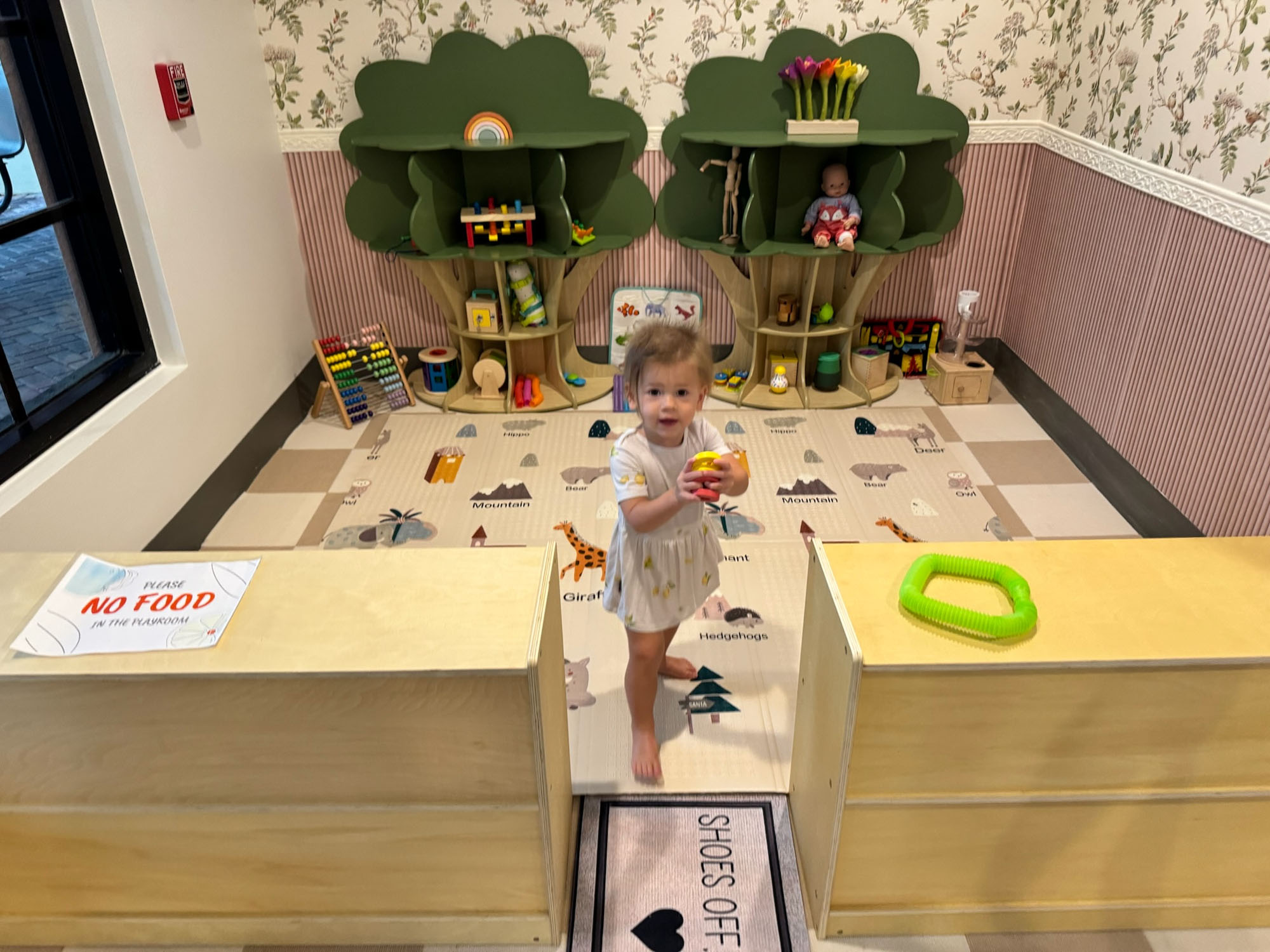
The treehouse — built for imagination.
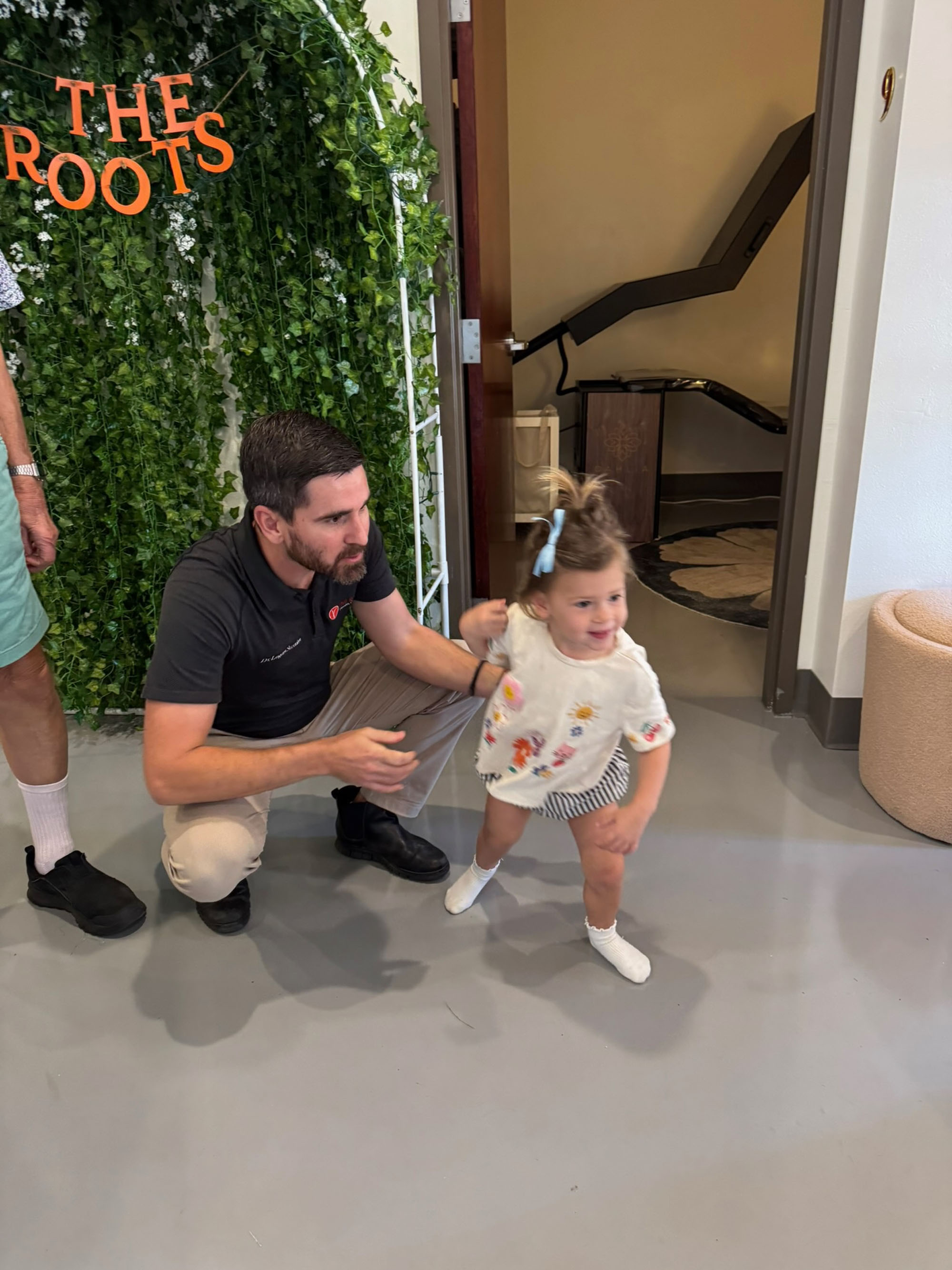
Family day — a Roots tradition.
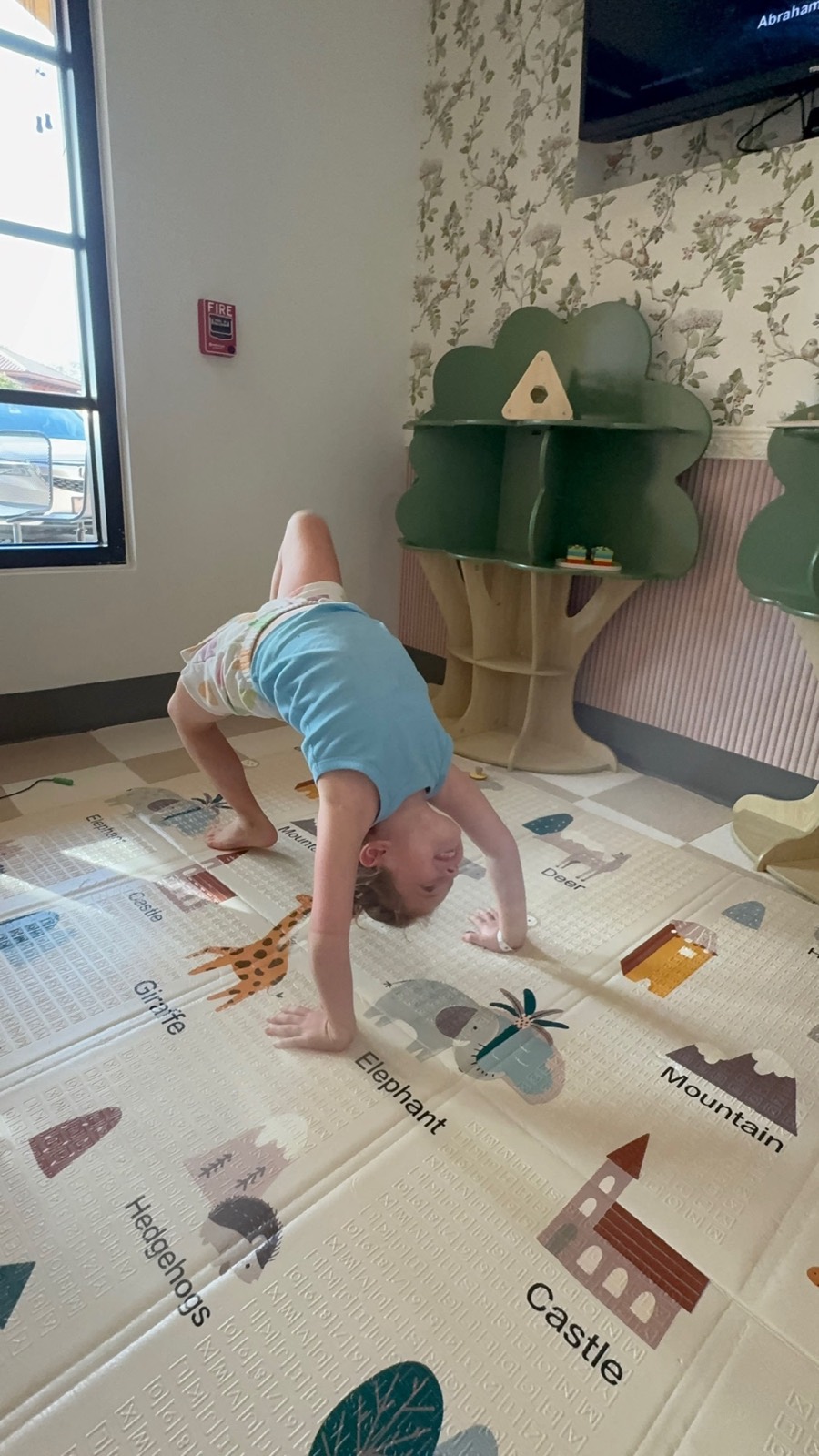
Strong, moving, thriving.
Keep Exploring
Meet our team
Care we offer
Services that support impulsivity
Developmental Support
Specialized neurodevelopmental chiropractic for children navigating autism, ADHD, sensory processing, and other complex developmental needs.
Learn more →
Pediatric Wellness
Neurologically-focused chiropractic care for kids and teens — supporting healthy development, immune function, sleep, focus, and behavior.
Learn more →
Common questions
Frequently asked questions
Our Doctors
A pediatric-trained team behind every visit
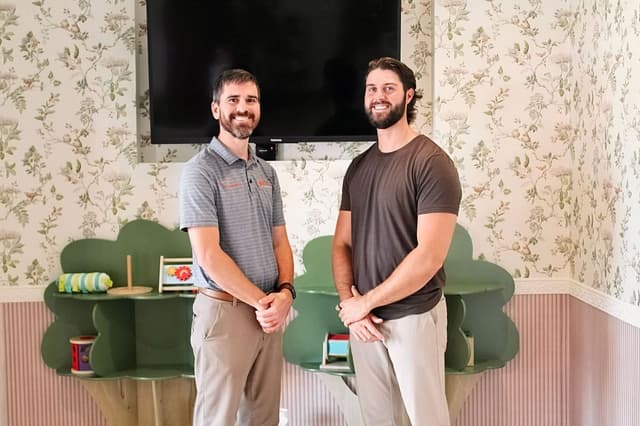
Little Roots is led by co-directors Dr. Logan Swaim, MS, DC and Dr. Laura Swaim, DC — both Webster Certified, Dr. Laura through the ICPA — alongside Dr. Grayson Fox, DC, who is PX-Certified with advanced training in chiropractic neurology and a dedicated pediatric focus. Carly Lovato, our office and lead case manager, and Yohanna Miller, our patient care coordinator, complete the team your family sees at every visit.
Meet the whole team →Want a gentle look at
what's going on?
Start with a complimentary consultation. We listen first, evaluate gently, and recommend only if there's something we can help with.