

Symptom · Infants & Babies
Nasal Congestion (Infant)
The snuffly baby who never quite clears
Babies who always sound congested — not sick, just perpetually snuffly — often have cranial drainage that isn't flowing freely. Gentle work to release upper-neck and cranial tension makes a noticeable difference.
By Dr. Logan Swaim · Last updated May 22, 2026
Get help with Nasal Congestion (Infant)
Three quick questions — we'll call you within 24 business hours.
Understanding Nasal Congestion (Infant)
What it is & why it shows up
There's a difference between a baby who has a cold and a baby who's always snuffly. The perma-congested baby — nasal sounds at every feed, struggles to sleep through the noise of their own breathing, never quite clears no matter how much saline you use — usually doesn't have a cold. They have drainage that isn't draining.
The sinuses, Eustachian tubes, and lymph drainage pathways in an infant's head are partly regulated by cranial bone mobility. When the skull bones are asymmetric or restricted from birth, drainage backs up. The result looks like chronic congestion from the outside; from the inside, it's a plumbing problem.
Gentle cranial and cervical work that restores symmetric mobility often produces a clear shift in congestion within a few visits. This complements (never replaces) pediatric care — if there's an ear infection, fever, or concern about a structural anomaly, your pediatrician sees that first.
Important
When to seek medical care first
See your pediatrician if your baby has a fever, is refusing to eat due to congestion, has green or yellow discharge, or is under 3 months with any respiratory symptoms. Persistent one-sided congestion should be evaluated medically to rule out structural nasal issues.
From the Clinic
Hear it from our doctors
Dr. Grayson Fox — Why Pediatric Chiropractic”
Inside Little Roots
What gentle care looks like.
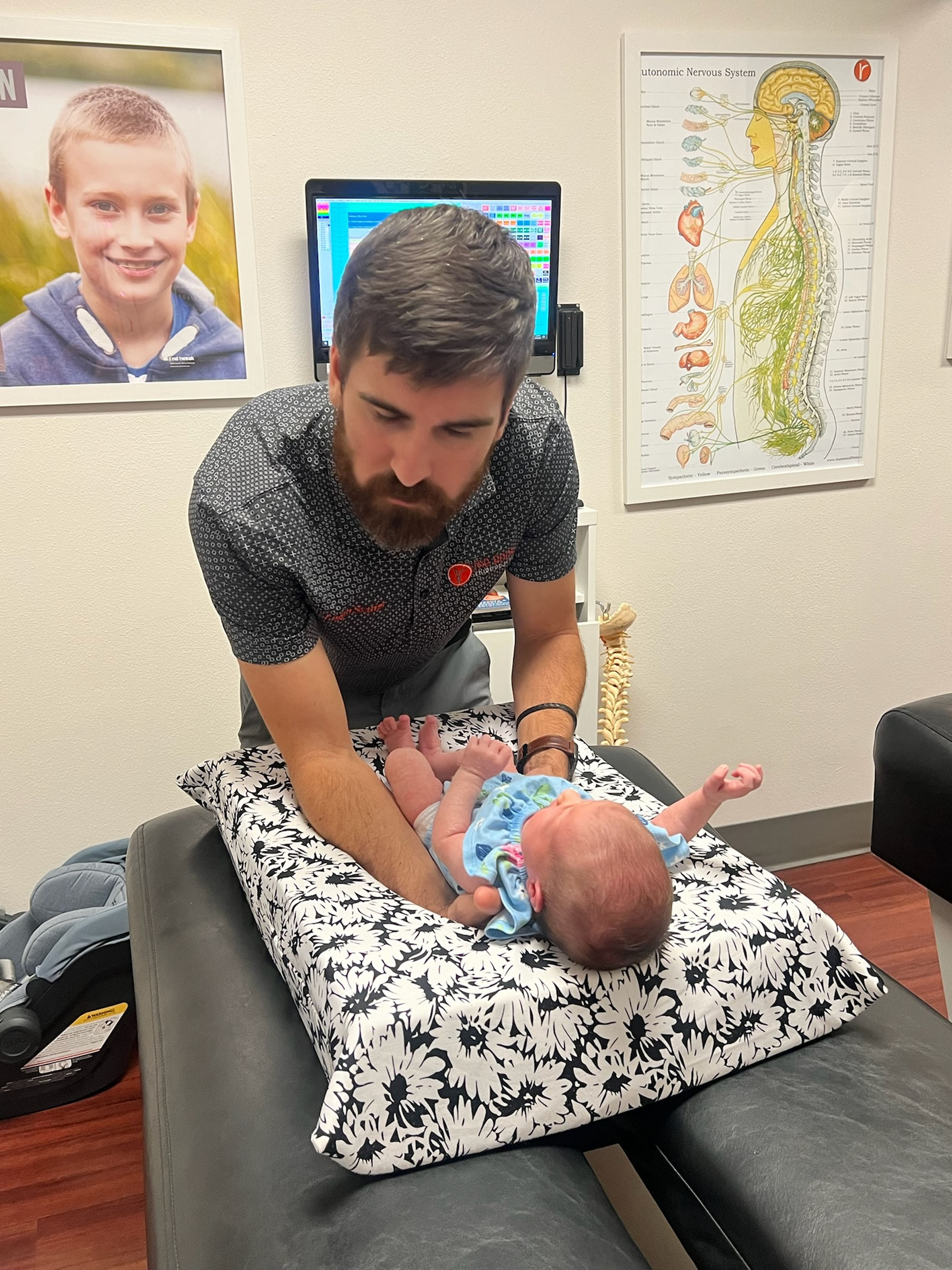
Nervous-system first. Always.
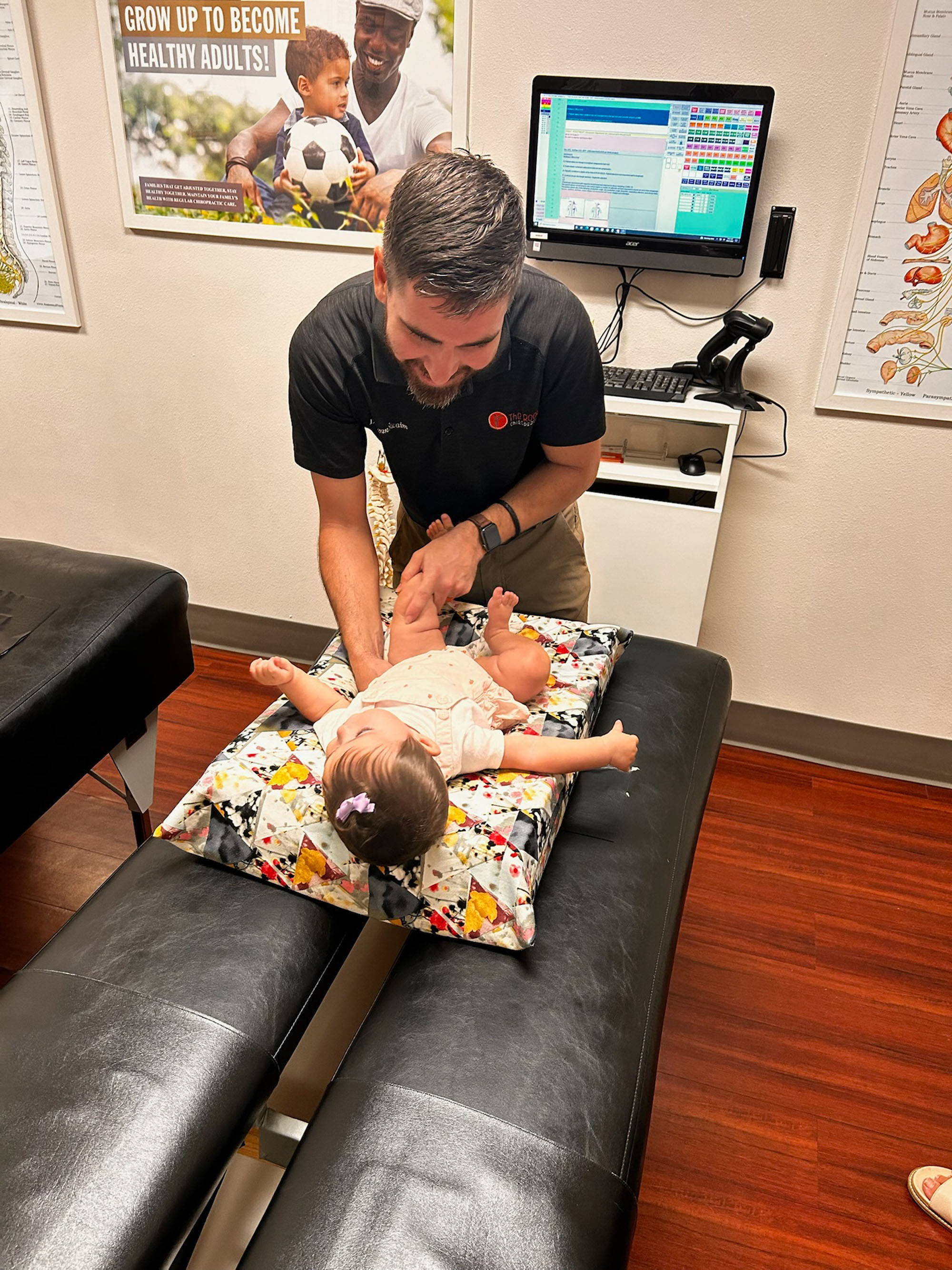
Feather-light from the first visit.
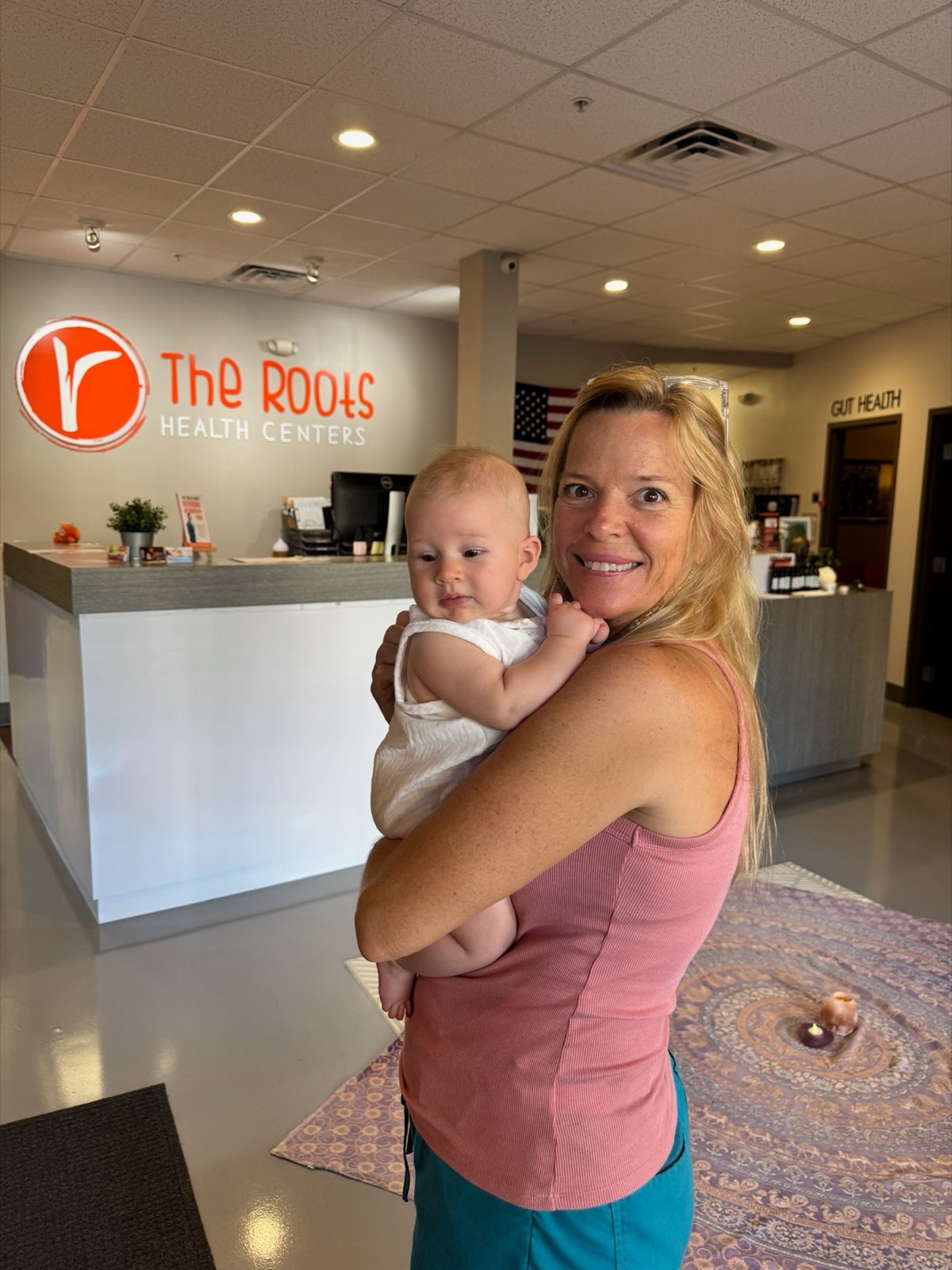
When mom is supported, the whole family thrives.
Keep Exploring
Meet our team
Care we offer
Services that support nasal congestion (infant)

Common questions
Frequently asked questions
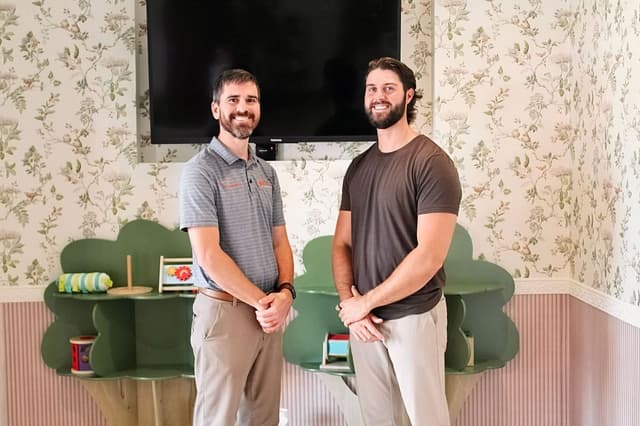
Our Doctors
A pediatric-trained team behind every visit
Little Roots is led by co-directors Dr. Logan Swaim, MS, DC and Dr. Laura Swaim, DC — both Webster Certified, Dr. Laura through the ICPA — alongside Dr. Grayson Fox, DC, who is PX-Certified with advanced training in chiropractic neurology and a dedicated pediatric focus. Carly Lovato, our office and lead case manager, and Yohanna Miller, our patient care coordinator, complete the team your family sees at every visit.
Meet the whole team →Want a gentle look at
what's going on?
Start with a complimentary consultation. We listen first, evaluate gently, and recommend only if there's something we can help with.