

Symptom · Moms & Pregnancy
Mom Stress
When your body is holding everything you're carrying
Prenatal and postpartum stress isn't just emotional — it lives in the body. A nervous system running on high alert affects sleep, hormones, milk supply, and how you show up for your baby. Gentle care helps you come down.
By Dr. Logan Swaim · Last updated May 22, 2026
Get help with Mom Stress
Three quick questions — we'll call you within 24 business hours.
Understanding Mom Stress
What it is & why it shows up
Pregnancy and new parenthood are full of invisible loads: the anticipation, the sleep deprivation, the identity shift, the physical recovery, the feeding challenges. Stress doesn't just live in your head — it lives in your body as tension in the neck, jaw, diaphragm, and pelvic floor. A nervous system stuck in sympathetic overdrive doesn't sleep well, produce milk efficiently, or heal at its best.
We don't offer therapy, and we don't pretend chiropractic is a cure for postpartum anxiety or the exhaustion of new parenthood. What we do is address the structural layer: releasing the tension pattern that's keeping your system in fight-or-flight, freeing up the cervical and thoracic spine where stress lands first, and giving your parasympathetic system more room to operate.
Many of our postpartum mamas describe the shift as feeling like they can 'breathe' again — not because anything in their life changed, but because their body stopped bracing. That's the nervous system finally having enough downshift capacity to process what it's holding.
Important
When to seek medical care first
Postpartum depression and anxiety are medical conditions that need more than chiropractic care. If you are experiencing persistent low mood, intrusive thoughts, inability to care for yourself or your baby, or any thoughts of harming yourself or your baby — please reach out to your OB, midwife, or a mental health professional right away.
From the Clinic
Hear it from our doctors
Dr. Grayson Fox — All Ages Prenatal”
Inside Little Roots
What gentle care looks like.
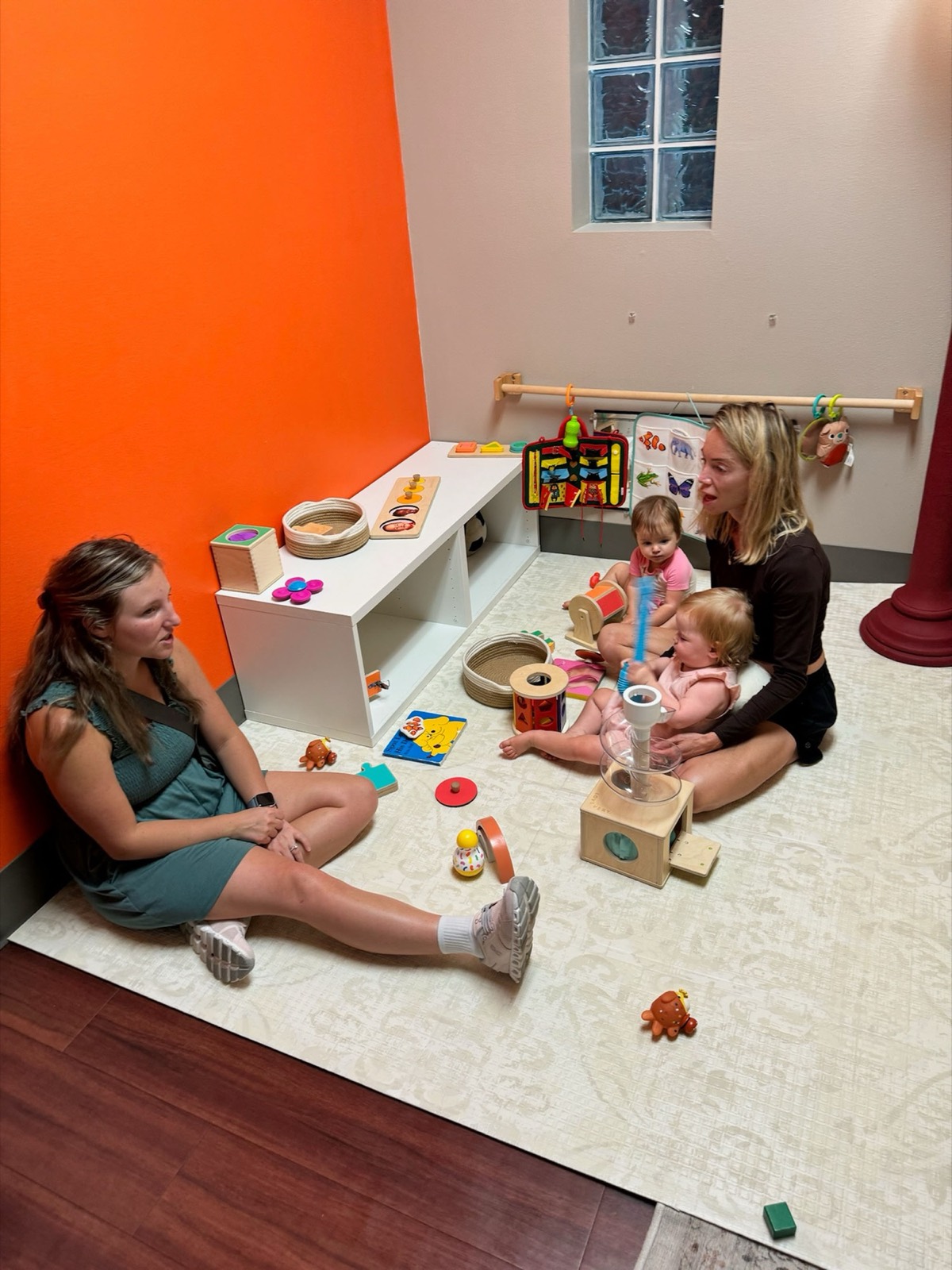
Moms supporting moms — every visit.
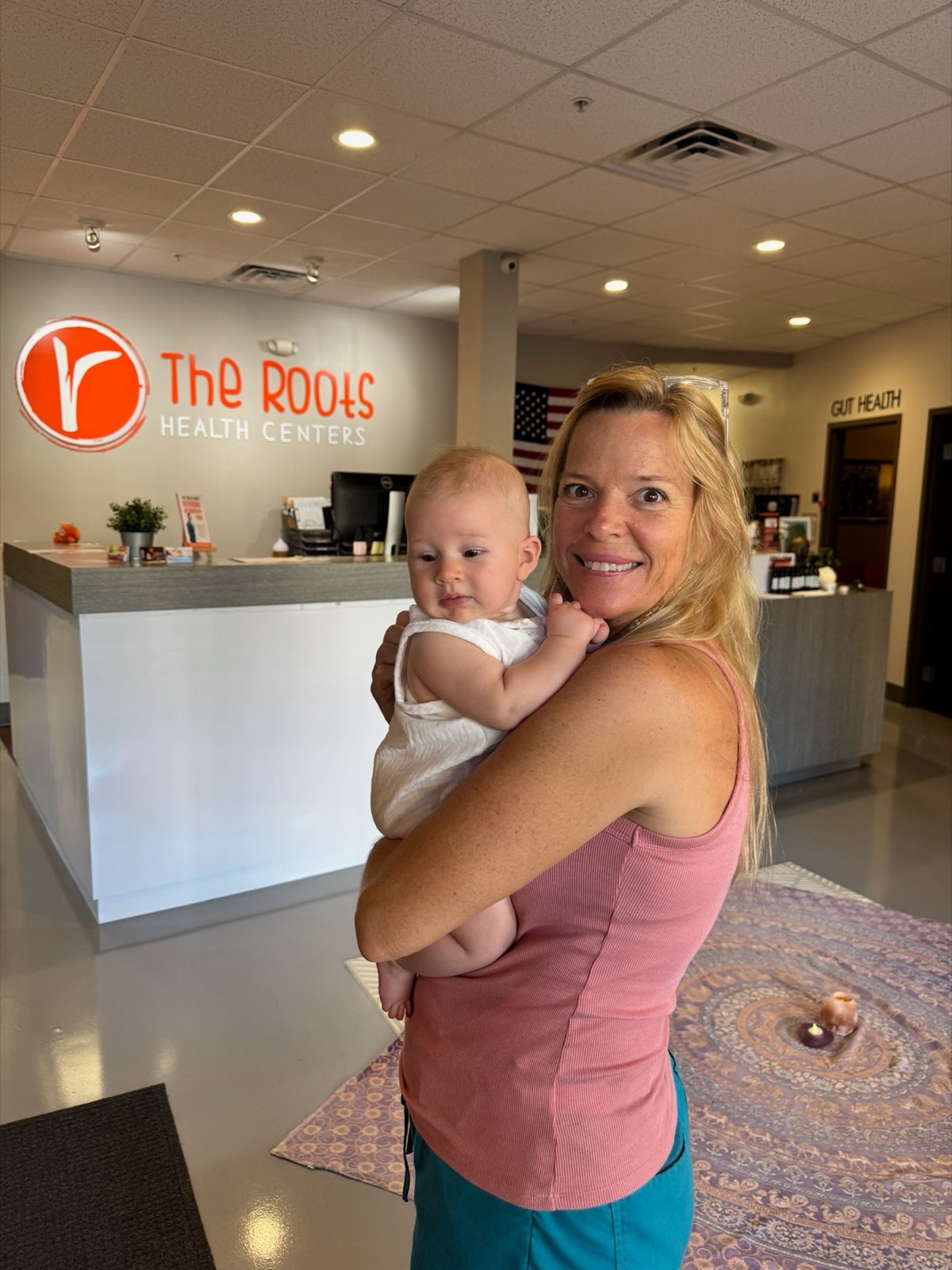
When mom is supported, the whole family thrives.
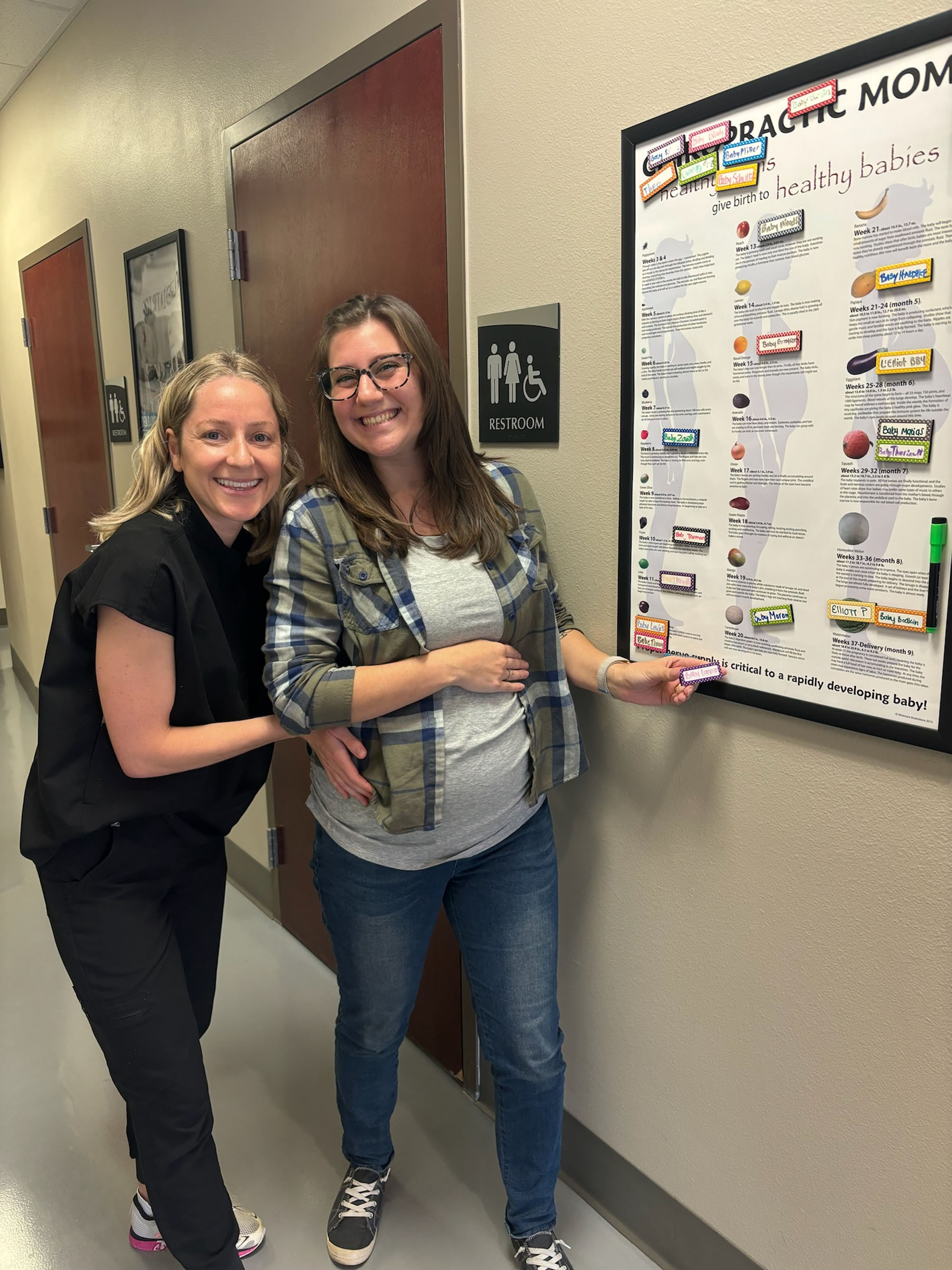
Webster-certified prenatal care.
Keep Exploring
Meet our team
Common questions
Frequently asked questions
Our Doctors
A pediatric-trained team behind every visit
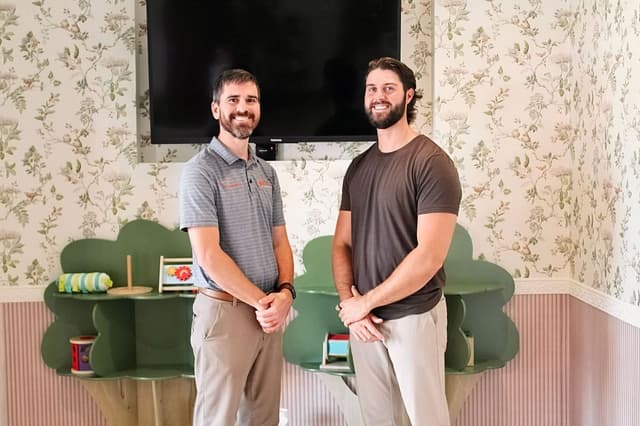
Little Roots is led by co-directors Dr. Logan Swaim, MS, DC and Dr. Laura Swaim, DC — both Webster Certified, Dr. Laura through the ICPA — alongside Dr. Grayson Fox, DC, who is PX-Certified with advanced training in chiropractic neurology and a dedicated pediatric focus. Carly Lovato, our office and lead case manager, and Yohanna Miller, our patient care coordinator, complete the team your family sees at every visit.
Meet the whole team →Want a gentle look at
what's going on?
Start with a complimentary consultation. We listen first, evaluate gently, and recommend only if there's something we can help with.