
Symptom · Moms & Pregnancy
Pain During Pregnancy
It shouldn't hurt this much
Back, hip, rib, and sciatic pain during pregnancy are common — but 'common' doesn't mean you have to accept them. Webster-certified care helps the pelvis stay aligned as your body changes, so you can actually sleep and move.
By Dr. Logan Swaim · Last updated June 5, 2026
Get help with Pain During Pregnancy
Three quick questions — we'll call you within 24 business hours.
Understanding Pain During Pregnancy
What it is & why it shows up
Pregnancy pain is often dismissed as part of the deal. It doesn't have to be. Back pain, hip pain, rib pain, sciatic nerve pain, round ligament aches — these all have structural explanations, and most of them respond well to gentle care from a Webster-certified chiropractor.
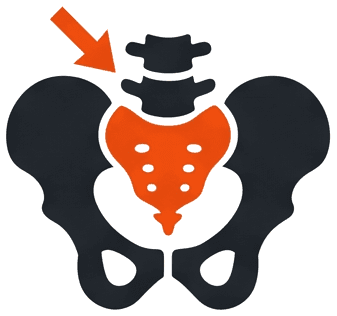
As your center of gravity shifts, your pelvis adapts. When that adaptation isn't symmetrical — one hip higher, one sacroiliac joint tighter — every structure above and below it compensates. Your back aches because it's working harder than it should. Your sciatic nerve flares because the piriformis is guarding a pelvis that isn't balanced.
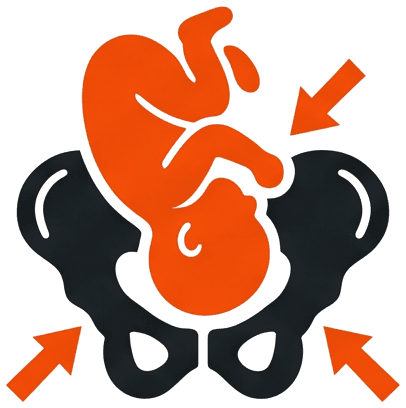
Webster Technique addresses the specific pelvic imbalances that pregnancy creates. Gentle, safe in every trimester, and usually noticeably effective within the first few visits. The goal isn't to make you feel good for a day — it's to keep the pelvis moving freely so your body can focus on what it's actually doing.
Important
When to seek medical care first
Any sudden severe pain, pain with contractions before 37 weeks, pain with bleeding or discharge, or pain with reduced fetal movement should go to your OB or midwife immediately, not to us first.
From the Clinic
Hear it from our doctors
Dr. Grayson Fox — All Ages Prenatal”
Inside Little Roots
What gentle care looks like.
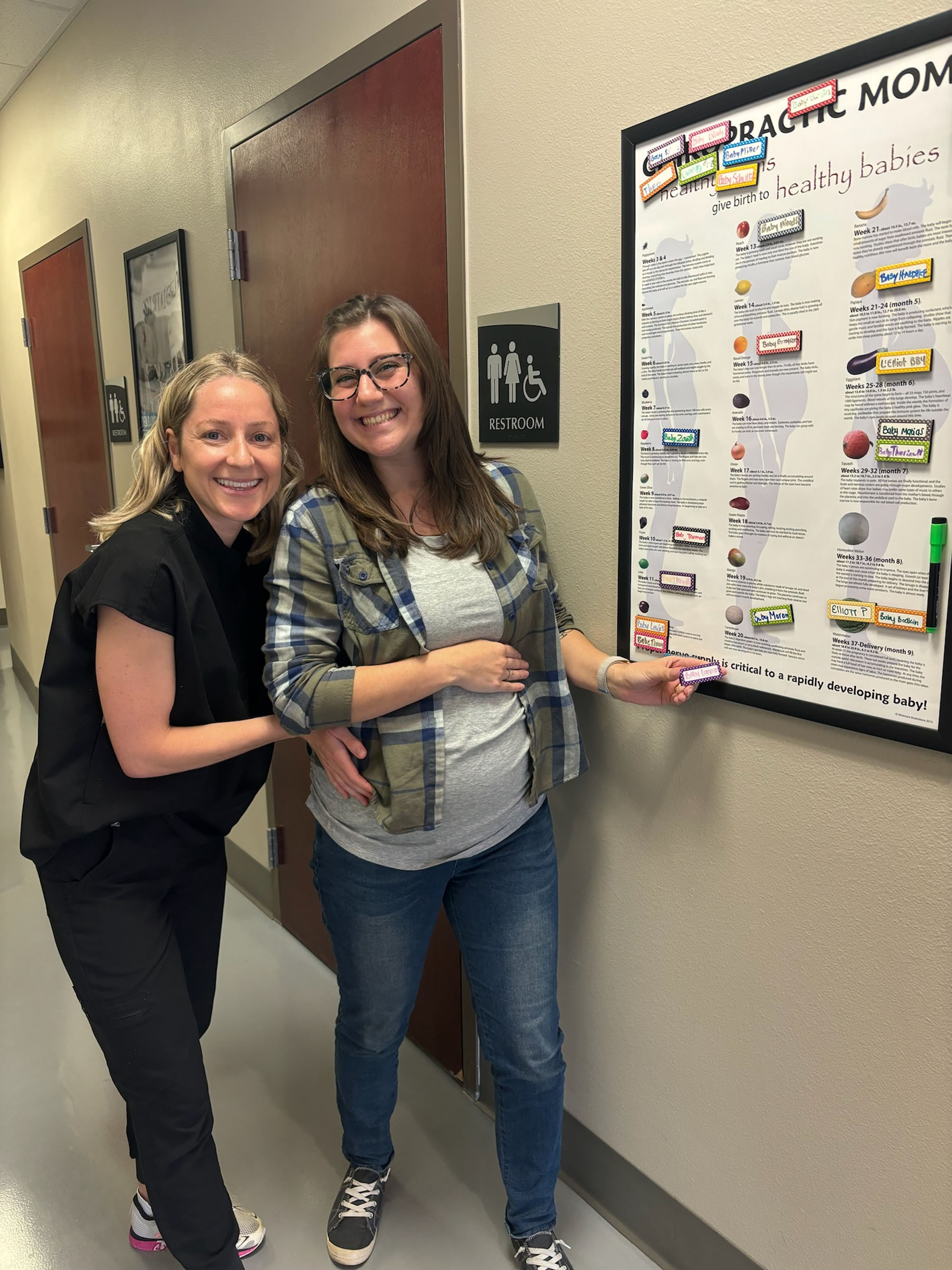
Webster-certified prenatal care.
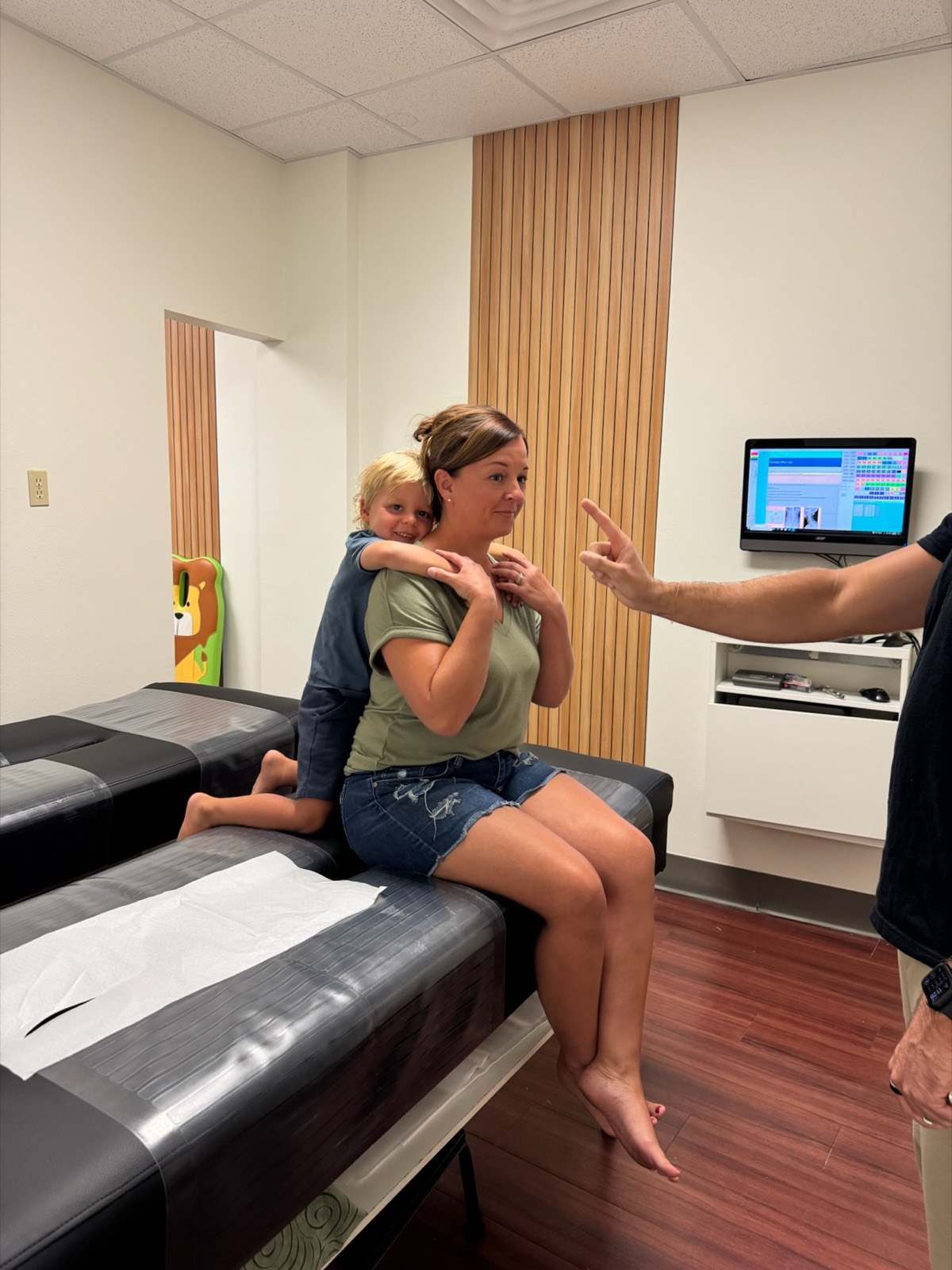
Care that grows with your family.
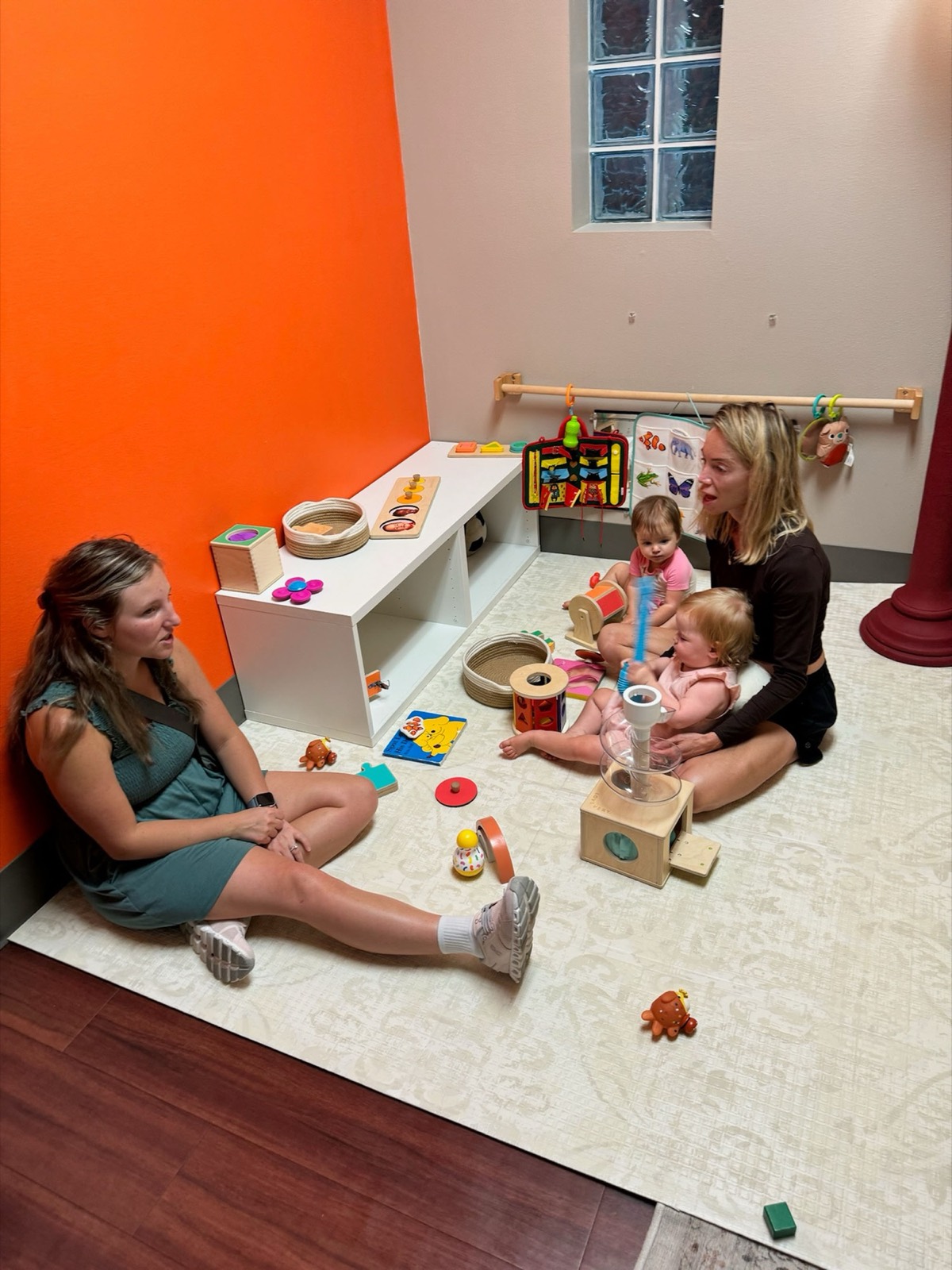
Moms supporting moms — every visit.
Keep Exploring
Meet our team
Care we offer
Services that support pain during pregnancy

Read more
Articles for parents
Pregnancy Back Pain Relief: Why It Happens and How Prenatal Chiropractic Helps
Back pain during pregnancy is one of the most common complaints — and one of the most dismissed. Here's what's actually happening in your body and how prenatal chiropractic care can help.
First Trimester Chiropractic Care: What Every Expecting Mom Should Know
Is chiropractic safe during the first trimester? Yes — and for many moms, it's exactly when care matters most. Here's what happens at a prenatal visit and why starting early supports a more comfortable pregnancy.
Common questions
Frequently asked questions
Our Doctors
A pediatric-trained team behind every visit
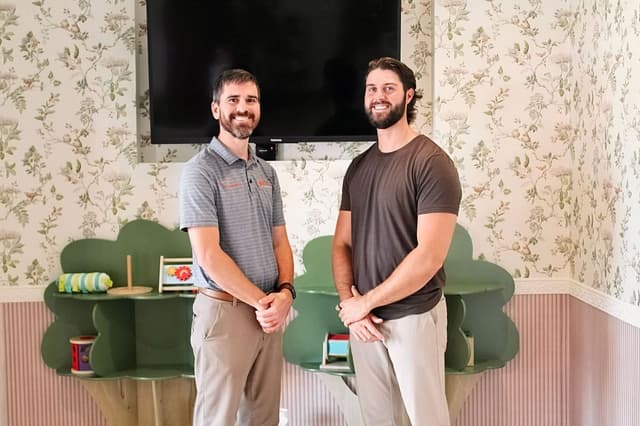
Little Roots is led by co-directors Dr. Logan Swaim, MS, DC and Dr. Laura Swaim, DC — both Webster Certified, Dr. Laura through the ICPA — alongside Dr. Grayson Fox, DC, who is PX-Certified with advanced training in chiropractic neurology and a dedicated pediatric focus. Carly Lovato, our office and lead case manager, and Yohanna Miller, our patient care coordinator, complete the team your family sees at every visit.
Meet the whole team →Want a gentle look at
what's going on?
Start with a complimentary consultation. We listen first, evaluate gently, and recommend only if there's something we can help with.