

Symptom · Children & Kids
Inattention
When the signal can't get through the noise
Kids who can't filter what matters — who jump between tasks, miss instructions, and seem to drift — often have a nervous system taking in everything at once. Structural care gives the brain's filter a chance to work.
By Dr. Logan Swaim · Last updated May 22, 2026
Get help with Inattention
Three quick questions — we'll call you within 24 business hours.
Understanding Inattention
What it is & why it shows up
Inattention in children shows up differently than most people expect. It's not always a child staring out the window doing nothing. Often it's a child who's fully engaged — just with three different things at once, none of which is the task in front of them. The signal that should be coming through loudest (the teacher, the homework, the conversation) can't cut through the noise.
From a nervous-system lens, attention requires adequate sensory filtering — the brain's ability to mark some inputs as 'important' and others as 'background.' When the system is dysregulated, everything comes in at equal volume. The child isn't ignoring the task; they literally can't prioritize it above everything else competing for bandwidth.
Structural care that reduces cervical and cranial tension, combined with any behavioral or educational strategies your child's team is already using, often produces meaningful shifts in attention. Many families notice improvement in task completion, reduced reactivity to interruptions, and better sleep — which compounds everything.
Important
When to seek medical care first
If inattention is significantly affecting your child's learning or functioning, a full developmental and psychological evaluation through your pediatrician or a child psychologist is important. Structural care works best alongside — not instead of — that process.
From the Clinic
Hear it from our doctors
Dr. Grayson Fox — Why Pediatric Chiropractic”
Inside Little Roots
What gentle care looks like.
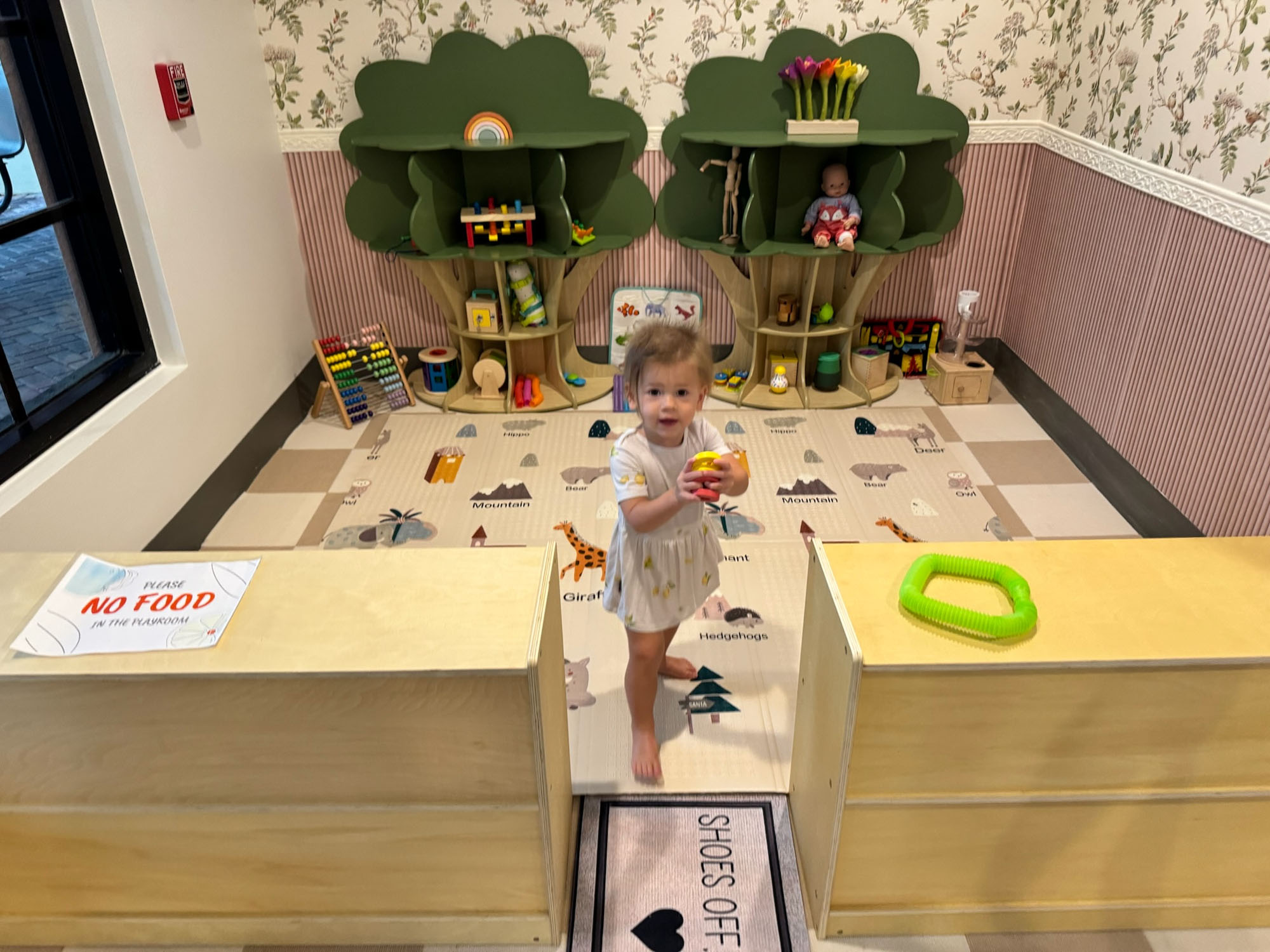
The treehouse — built for imagination.
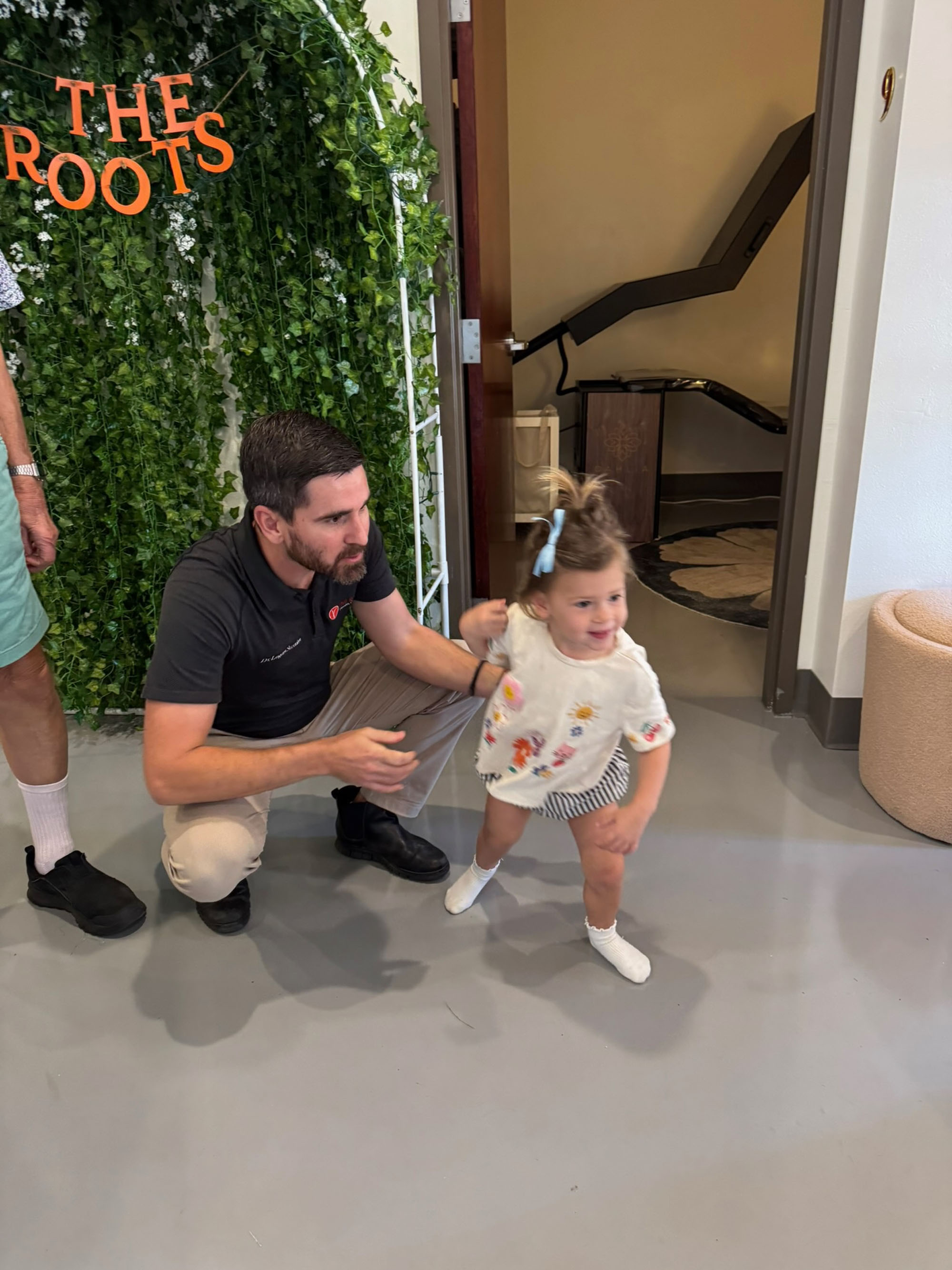
Family day — a Roots tradition.
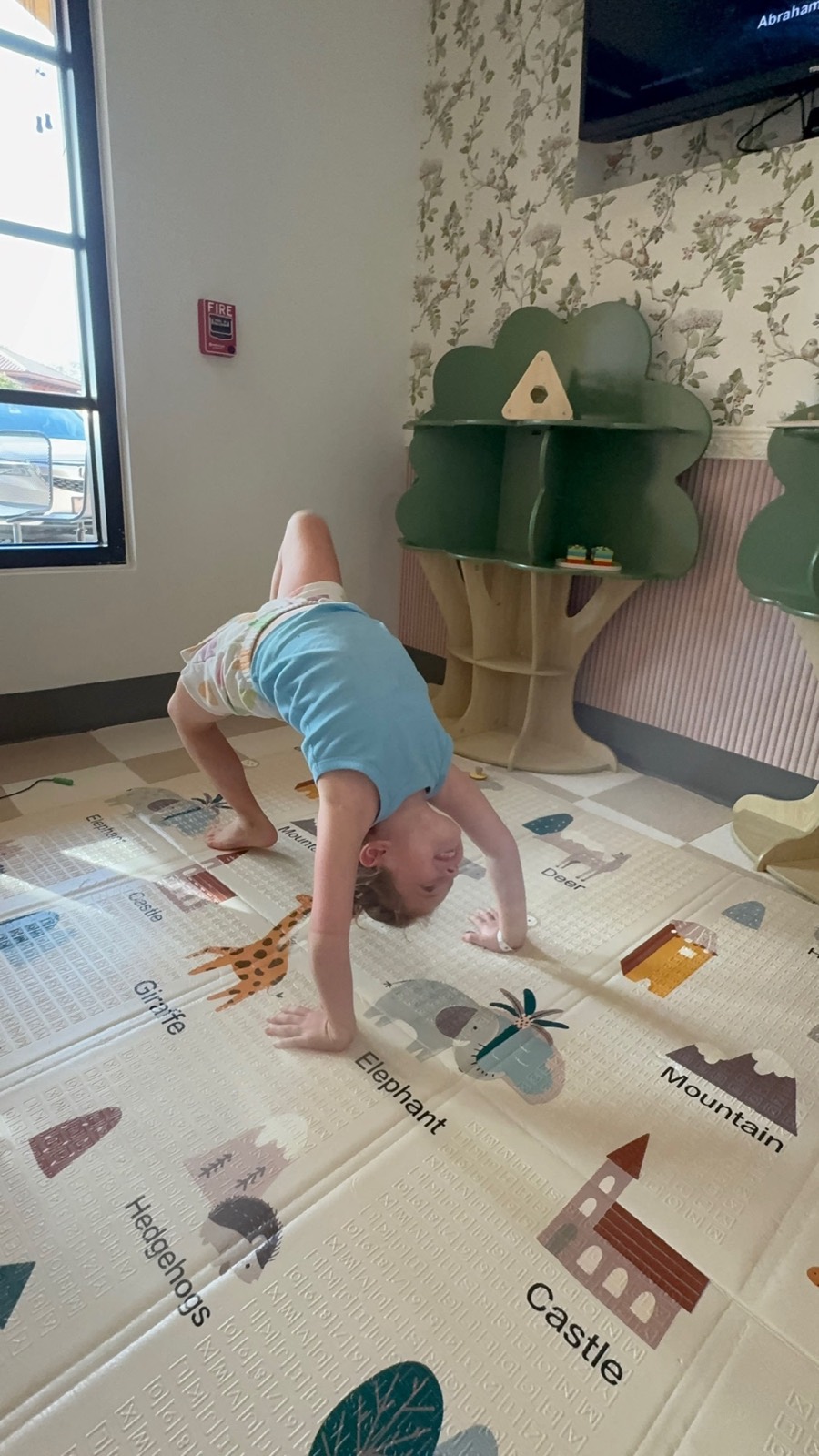
Strong, moving, thriving.
Keep Exploring
Meet our team
Care we offer
Services that support inattention
Developmental Support
Specialized neurodevelopmental chiropractic for children navigating autism, ADHD, sensory processing, and other complex developmental needs.
Learn more →
Pediatric Wellness
Neurologically-focused chiropractic care for kids and teens — supporting healthy development, immune function, sleep, focus, and behavior.
Learn more →
Common questions
Frequently asked questions
Our Doctors
A pediatric-trained team behind every visit
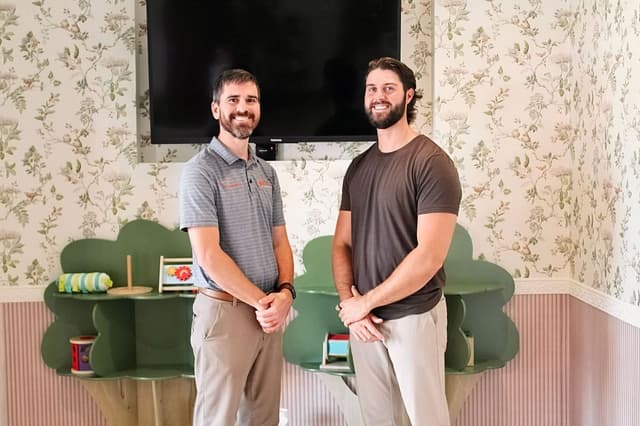
Little Roots is led by co-directors Dr. Logan Swaim, MS, DC and Dr. Laura Swaim, DC — both Webster Certified, Dr. Laura through the ICPA — alongside Dr. Grayson Fox, DC, who is PX-Certified with advanced training in chiropractic neurology and a dedicated pediatric focus. Carly Lovato, our office and lead case manager, and Yohanna Miller, our patient care coordinator, complete the team your family sees at every visit.
Meet the whole team →Want a gentle look at
what's going on?
Start with a complimentary consultation. We listen first, evaluate gently, and recommend only if there's something we can help with.