

Pregnancy Fatigue: Why You Are So Tired and Gentle Ways to Cope
Dr. Grayson Fox, DC
Feeling wiped out during pregnancy is incredibly common. Here is why pregnancy fatigue happens, when it tends to start, gentle ways to cope, and when to check in with your OB or midwife.
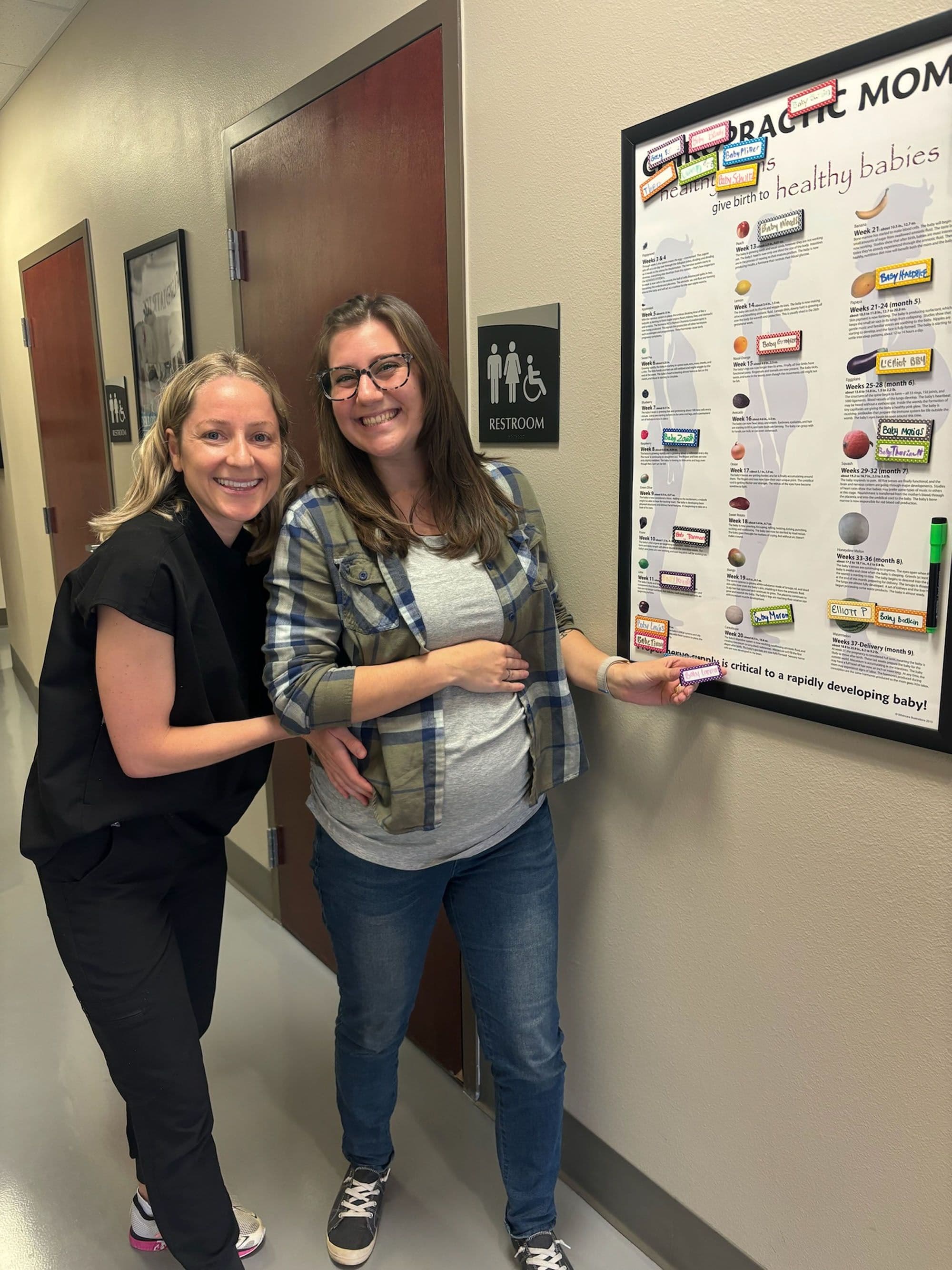
You slept eight hours and still feel like you ran a marathon. You sit down on the couch after work and wake up an hour later. If this sounds familiar, pregnancy fatigue is probably the reason, and it is one of the most common and least talked-about parts of pregnancy. The short answer: fatigue often begins in the first trimester, driven by big hormone shifts and your body building a placenta, then eases for many people in the second trimester and tends to return in the third as your body carries more weight. Below, we cover why it happens, what it can feel like, gentle ideas that may help, and the signs that mean it is time to call your OB or midwife. This is educational information from our team at Little Roots in Lakewood Ranch, not medical advice or a diagnosis.
When Does Pregnancy Fatigue Start?
Many people notice tiredness very early, sometimes before a positive test. Pregnancy fatigue is often one of the first changes, and it can show up in the first few weeks. Every pregnancy is different, so there is no exact timetable, and some people feel it more than others.
First trimester
This is when fatigue often hits hardest. Progesterone rises sharply, which can make you sleepy, and your body is working hard to build the placenta and support early growth. Nausea, which can disrupt eating and sleep, adds to it. Our post on pregnancy nausea covers that side of the first trimester.
Second trimester
Many people describe a welcome burst of energy in the middle of pregnancy. It does not happen for everyone, but it is common enough that people often call it the honeymoon phase.
Third trimester
As your belly grows, sleep gets harder and your body works harder just to move through the day. Back strain, frequent bathroom trips, and trouble getting comfortable all pile on. Our guides to pregnancy insomnia and the best sleep positions during pregnancy can help with this stretch.
Why You Feel So Tired
Fatigue in pregnancy is rarely about one thing. It is usually a stack of changes working together.
- Hormones. Rising progesterone has a sedating effect for many people.
- Blood volume. Your body increases blood volume to support your baby, which asks more of your heart and circulation.
- Energy demands. Growing a baby and building a placenta takes real energy, even while you are sitting still.
- Disrupted sleep. Nausea, heartburn, leg cramps, restless legs, and getting up at night can all cut into rest. See our posts on heartburn during pregnancy and leg cramps during pregnancy.
- Physical strain. A changing center of gravity can load the low back, hips, and pelvis, and that kind of ache is tiring on its own.
- Emotional load. Excitement, worry, and big life changes use up mental energy, too.
Some causes of tiredness are medical and worth checking, such as low iron or thyroid changes. That is a conversation for your OB or midwife, who can run the right tests.
What Pregnancy Fatigue Can Feel Like
People describe it in different ways, and it can feel different from ordinary tiredness.
- A heavy, whole-body exhaustion that sleep does not fully relieve
- Needing a nap in the afternoon, sometimes at the same time every day
- Trouble focusing or feeling foggy
- Low motivation or feeling emotionally flat
- Muscles that feel weak or achy
If your fatigue feels very different from this, is sudden and severe, or comes with other symptoms, mention it to your care team.
Gentle Ways to Cope
There is no single fix, and no approach works for everyone. These are ideas to talk through with your OB or midwife and try at your own pace.
- Rest without guilt. Napping when you can is not laziness. Your body is doing real work.
- Eat small, regular meals. Steady meals and snacks can keep energy more even than long gaps. Ask your provider what is right for you.
- Stay hydrated. Even mild dehydration can make tiredness worse.
- Move gently. A short, easy walk often leaves people feeling more awake than lying down all day. Check with your provider about what activity is right for you.
- Protect your sleep. A consistent wind-down, a dark cool room, and supportive pillows can help. Many people sleep better on their side with a pillow between the knees.
- Lower the load. Say yes to help, trim your to-do list, and save energy for what matters most.
- Check in on mood. Feeling persistently low or anxious is not something to push through alone. Tell your provider.
Simple strategies like these tend to help most when they are combined, rather than relying on any single one.
When to Call Your OB or Midwife
Pregnancy fatigue is usually normal, but contact your OB or midwife promptly if your tiredness comes with:
- Dizziness, fainting, a racing heartbeat, or shortness of breath at rest
- Pale skin, or tiredness that is severe and getting worse
- Persistent low mood, hopelessness, or thoughts of harming yourself. Seek help right away.
- Severe headaches, vision changes, or sudden swelling in the face or hands
- Fever, or inability to keep food or fluids down
- Decreased baby movement later in pregnancy
If something feels off, trust your instincts and call. You never need to apologize for checking in.
How Our Team Supports Expecting Moms
At Little Roots Pediatric Chiropractic in Lakewood Ranch, our team works alongside your OB or midwife, not in place of them. When a mom tells us she is exhausted, we listen to the whole story: how she is sleeping, where she hurts, how her back and hips feel, and what her days look like. A body under physical strain from pregnancy can feel more tired, so we look at how the spine and pelvis are moving and offer gentle, pregnancy-appropriate care using techniques designed for expecting moms.
We do not promise that care will change how tired you feel, and we do not make promises about timelines. Our goal is to support comfort and how your body adapts as it changes. You can learn more about our prenatal care and how our team approaches pain during pregnancy. If stress is part of the picture, our mom stress page may be a helpful read.
Frequently Asked Questions
When does fatigue begin in pregnancy?
For many people, fatigue starts in the first few weeks, often one of the earliest changes. It tends to be strongest in the first trimester, eases for many in the second, and often returns in the third. Every pregnancy is different.
Is fatigue a sign of pregnancy?
It can be, but tiredness has many causes, so it is not a reliable sign on its own. A pregnancy test and your provider are the way to know for sure.
What does pregnancy fatigue feel like?
Many describe a heavy, whole-body exhaustion that sleep does not fully relieve, sometimes with brain fog, achy muscles, or a need for an afternoon nap.
What causes fatigue in pregnancy?
Hormone changes, increased blood volume, the energy your body uses to support your baby, disrupted sleep, and physical strain can all play a part. Your provider can check for medical causes such as low iron or thyroid changes.
Can a chiropractor help with pregnancy fatigue?
Our team offers gentle, pregnancy-appropriate care aimed at supporting comfort and how your body adapts. We cannot promise it will change your energy, and we always encourage you to talk with your OB or midwife about fatigue.
Want Gentle Support During Pregnancy?
If your back, hips, or pelvis are adding to the exhaustion, our team would be glad to meet you. Book an appointment and we will listen first, then talk through what may help.
Learn More
Conditions we help with
Related Services
Related Reading
Related articles
Pregnancy Insomnia: Why Sleep Gets Hard and Gentle Ways to Help
Tired but wide awake at 3 a.m.? Here's why pregnancy insomnia happens, gentle comfort ideas many moms find helpful, and when to check in with your OB or midwife.
Read articleBest Sleep Positions During Pregnancy: A Gentle Guide
Comfortable sleep gets harder as pregnancy progresses. Here's a gentle, trimester-by-trimester guide to sleep positions during pregnancy — and why.
Read articlePregnancy Nausea: Why It Happens and Gentle Ways to Cope
Pregnancy nausea can last all day and wear you down. Here is why it happens, small habits worth discussing with your provider, and the signs that mean it is time to call.
Read articleKeep Reading
More for growing families

Lower Back Pain in the Third Trimester: Why It Happens and What May Help
In the final stretch of pregnancy, your lower back carries more than ever. Here is why third-trimester back pain happens, gentle ways to ease it, and how to tell it apart from labor.
Postpartum Hip Pain: Why Your Hips Ache After Baby and What May Help
Hip pain after having a baby is common as your pelvis, joints, and core adjust. Here is why it happens, gentle ways to ease it, and the signs that mean you should call your provider.

Neck Pain During Pregnancy: Why It Happens and Gentle Ways to Ease It
Neck pain during pregnancy usually comes from shifting posture, tough sleep, and tired muscles. Here is why it happens, gentle ways to ease it, and the signs that mean call your provider.
Questions about your child?
Schedule a consultation and let's talk through your family's needs together.
Book a Consultation(941) 932-4611