

Best Sleep Positions During Pregnancy: A Gentle Guide
Dr. Grayson Fox, DC
Comfortable sleep gets harder as pregnancy progresses. Here's a gentle, trimester-by-trimester guide to sleep positions during pregnancy — and why.

If you've started waking up sore, breathless, or just plain uncomfortable no matter how you're lying, you're not alone — figuring out sleep positions during pregnancy trips up almost every mom-to-be at some point. As your body changes, positions that used to be effortless can suddenly feel impossible, and the advice out there ("never sleep on your back!") can sound more alarming than it needs to be. Here's a gentle, practical guide to sleep positions during pregnancy, trimester by trimester, and why our team so often mentions left-side sleeping.
Why Sleep Position Changes During Pregnancy
A few things shift as pregnancy progresses that make your old go-to positions less comfortable. Your growing belly changes your center of gravity and puts new pressure on your back and hips — which is part of why conditions like sciatica during pregnancy become more common as pregnancy progresses. The hormone relaxin loosens ligaments throughout your pelvis to prepare your body for birth, which can make certain positions feel achier than they used to. And later in pregnancy, lying flat on your back can put the weight of your uterus against a large vein that returns blood to your heart, which is part of why back sleeping tends to feel less comfortable as your due date approaches — your body is often giving you a helpful signal.
The Left-Side Sleep Recommendation, Explained
Many care providers suggest left-side sleeping, especially in the second and third trimesters. Sleeping on your left side is thought to support blood flow to the placenta and baby and reduces pressure on the vein mentioned above compared to lying flat on your back. It's a helpful general guideline, not a strict rule — plenty of moms shift positions throughout the night without any issue, and waking up on your back or right side once in a while isn't something to worry over.
Trimester-by-Trimester Sleep Guidance
First trimester. Your belly hasn't grown much yet, so most positions that feel natural to you are still comfortable. There's no need to force a new sleep habit this early.
Second trimester. As your belly grows, side sleeping (either side) tends to become the more comfortable option, and back sleeping often starts to feel less natural on its own.
Third trimester. Left-side sleeping is generally the most recommended and often the most comfortable, especially with supportive pillows in place. Many moms find a pillow between the knees, one supporting the belly, and one behind the back helps them stay comfortably positioned through the night.
When Back or Stomach Sleeping Stops Feeling Right
Many moms wonder exactly when to stop sleeping on their back or stomach. There's no single universal cutoff — it varies by pregnancy — but most women naturally find back sleeping less comfortable sometime in the second trimester as belly size increases, and stomach sleeping becomes physically difficult around the same time for most. If you wake up on your back or stomach without having chosen to fall asleep that way, that's normal and not a cause for alarm. Simply shift to your side and go back to sleep.
Comfort Tips and Pillow Support
A pillow between your knees helps keep your hips aligned and takes pressure off your lower back and pelvis.
A pillow supporting your belly reduces the pull on your lower back and hips as you lie on your side.
A pillow behind your back can help you stay on your side through the night if you tend to roll.
A full-body pregnancy pillow combines all of the above for moms who want one simple setup.
Elevating your upper body slightly can ease heartburn or breathlessness that sometimes disrupts sleep, especially later in pregnancy.
Ordinary Discomfort vs. Something More
Some positional discomfort is a normal part of pregnancy, but certain patterns of pain during pregnancy are worth a closer look. If you're dealing with sharp pain in the front of your pelvis that's worse with rolling over in bed, that may be SPD rather than ordinary stiffness. A shooting or electric sensation down your hip and leg may point toward sciatica during pregnancy, and a sudden, sharp pain in your lower belly with movement could be round ligament pain. These are common, manageable pregnancy discomforts — but telling them apart from ordinary sleep-position soreness helps you know what to bring up with your care team.
How Our Team Supports Comfortable Sleep During Pregnancy
Our prenatal care uses the Webster Technique, a gentle, pregnancy-specific approach designed to support pelvic balance and nervous system function throughout pregnancy. Because every pregnancy and every body is different, our team takes a personalized approach based on what your body needs — not a generic timeline. Many moms find that as pelvic balance is supported, positional discomfort at night eases alongside it.
Frequently Asked Questions
When should I stop sleeping on my back during pregnancy? There's no single hard cutoff, but most women find back sleeping less comfortable sometime in the second trimester. Many care providers suggest favoring your side, especially the left, from that point on.
Can I sleep on my right side while pregnant? Yes. Left-side sleeping is generally recommended as the most supportive option, but right-side sleeping is considered safe too. Either side is better than lying flat on your back later in pregnancy.
Why can't you sleep on your back during pregnancy? Later in pregnancy, lying flat on your back can put the weight of your uterus against a large vein that returns blood to your heart, which is part of why back sleeping often starts to feel uncomfortable on its own as pregnancy progresses.
What if I wake up on my back — is that a problem? No. Waking up on your back after rolling over in your sleep is common and not something to worry about. Just shift back to your side and continue sleeping.
What's the best pillow setup for pregnancy sleep? Most moms find a pillow between the knees, one supporting the belly, and one behind the back the most comfortable combination, or a single full-body pregnancy pillow that does all three.
If pregnancy discomfort is making it hard to get comfortable no matter how you position yourself, schedule an appointment with our team at Little Roots Pediatric Chiropractic in Lakewood Ranch. We'll take the time to understand what's going on and build a plan around your body.
Little Roots Pediatric Chiropractic, 8209 Natures Way, Unit 117, Lakewood Ranch, FL 34202. (941) 932-4611.
Learn More
Conditions we help with
Related Services
Related Reading
Related articles
Sciatica During Pregnancy: Gentle Ways to Find Relief
Shooting pain down your hip or leg during pregnancy is common — and there's a lot you can do about it. Here's why it happens and gentle relief that may help.
Read articleSPD in Pregnancy: Understanding Symphysis Pubis Pain
Sharp pain at the front of your pelvis during pregnancy? SPD (symphysis pubis dysfunction) is common but often under-explained. Here's what may help.
Read articleRound Ligament Pain in Pregnancy: Gentle, Safe Ways to Find Relief
That sharp, sudden twinge low in your belly when you move? It's likely round ligament pain. Here's what it is and gentle ways to feel more comfortable.
Read articleKeep Reading
More for growing families
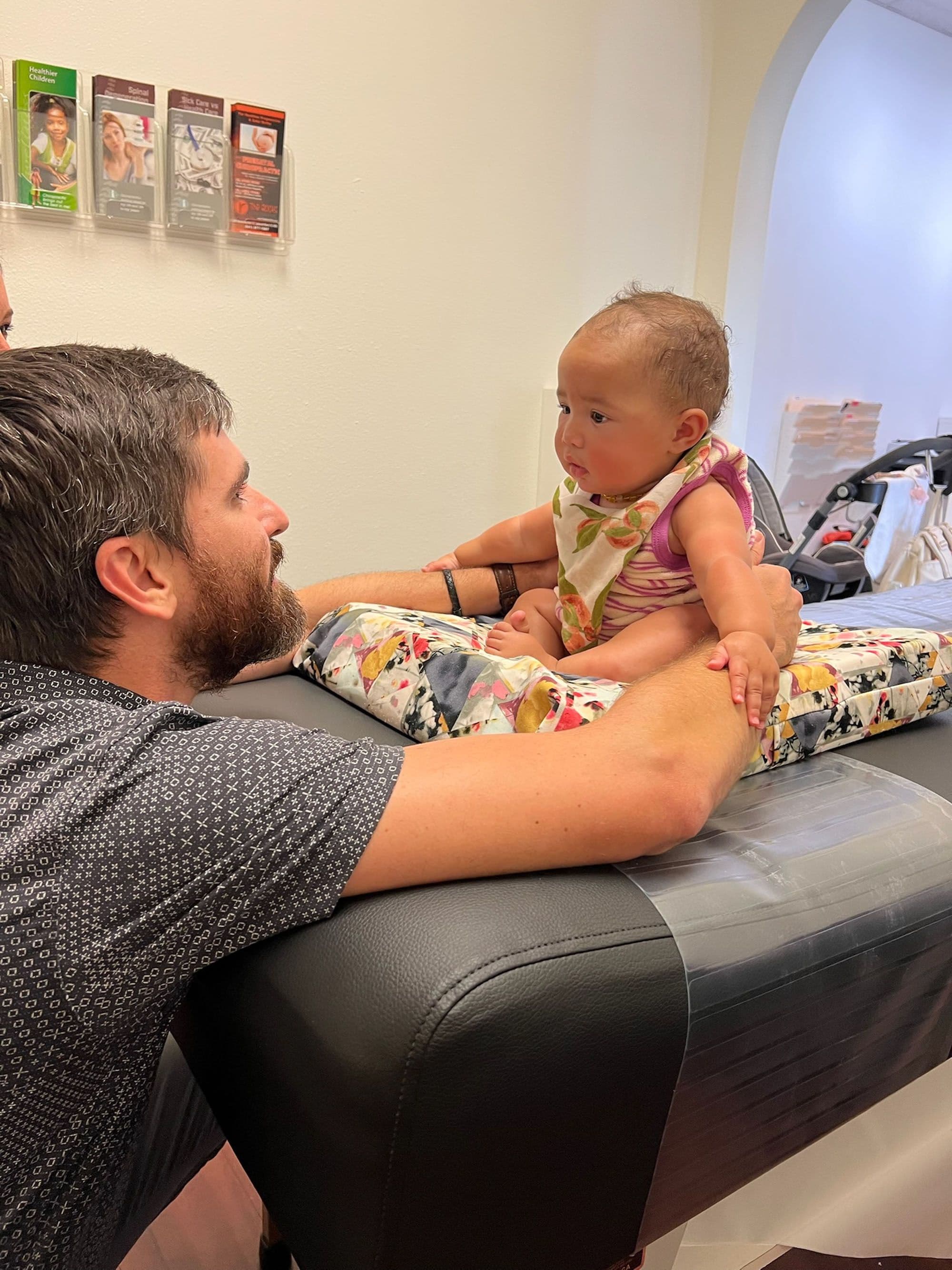
Pregnancy Hip Pain at Night: Why Rolling Over Hurts
Waking up with hip pain every time you roll over? Here's why it happens in pregnancy, gentle sleep tweaks that may help, and when to check in with your provider.
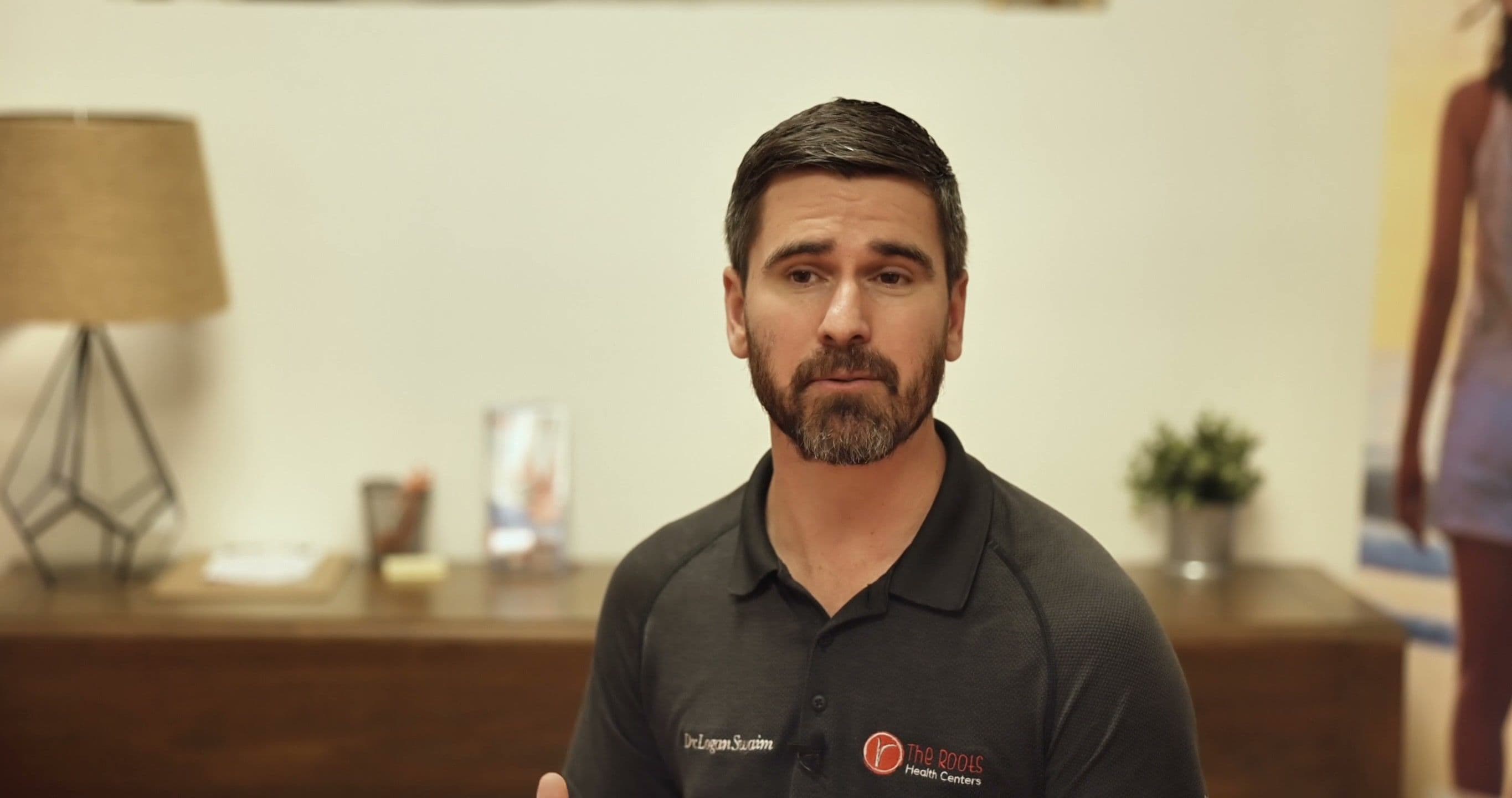
Postpartum Core and Pelvic Floor: Beyond Diastasis Recti
Diastasis recti gets all the attention, but your core recovery isn't complete without your pelvic floor. Here's how the two work together after birth.
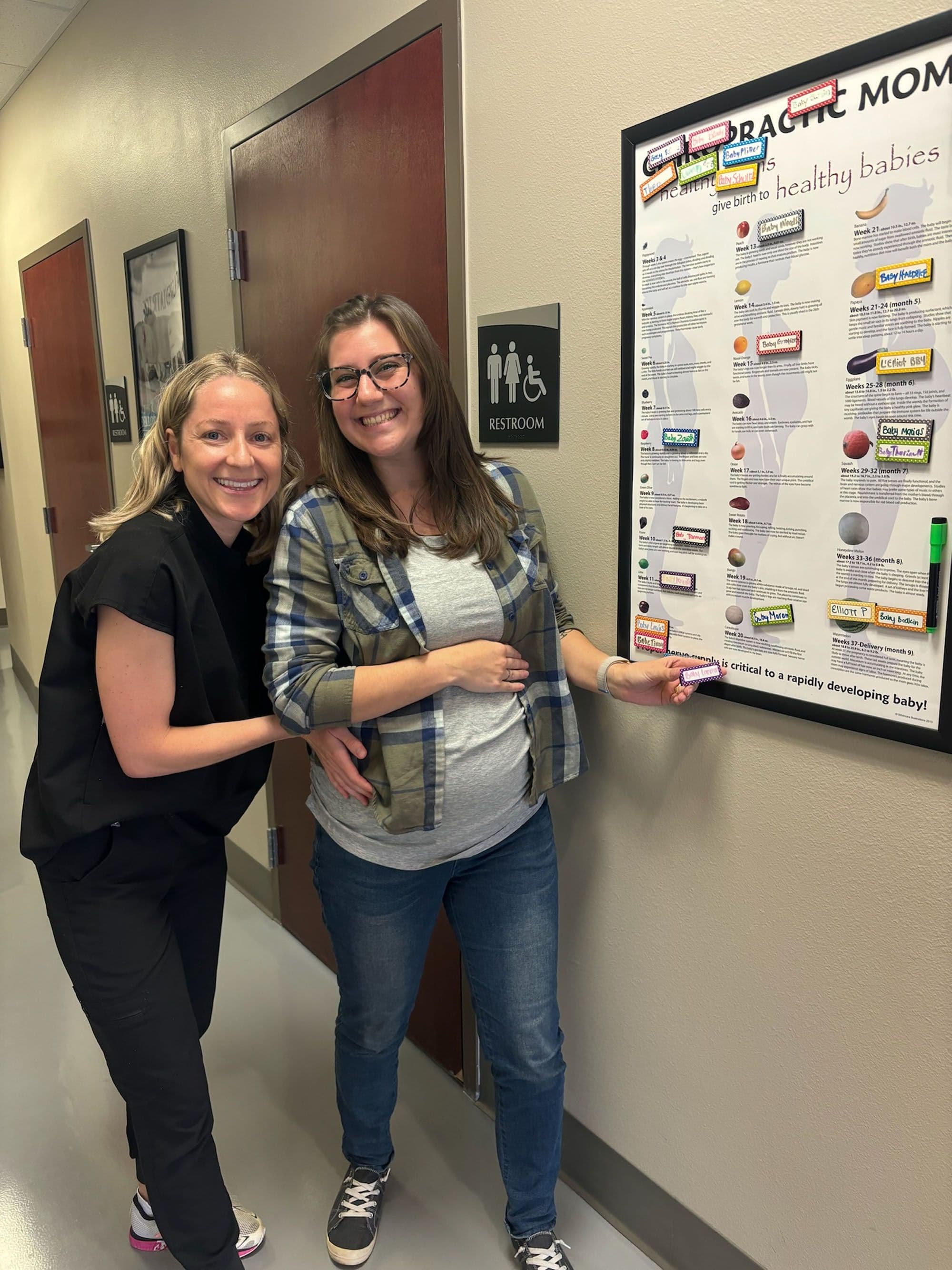
Prenatal Chiropractic and Back Labor: What Parents Ask
Back labor can catch expecting parents off guard. Here's what it is, why it happens, and how gentle prenatal care may help support positioning.
Questions about your child?
Schedule a consultation and let's talk through your family's needs together.
Book a Consultation(941) 932-4611