

SPD in Pregnancy: Understanding Symphysis Pubis Pain
Dr. Grayson Fox, DC
Sharp pain at the front of your pelvis during pregnancy? SPD (symphysis pubis dysfunction) is common but often under-explained. Here's what may help.
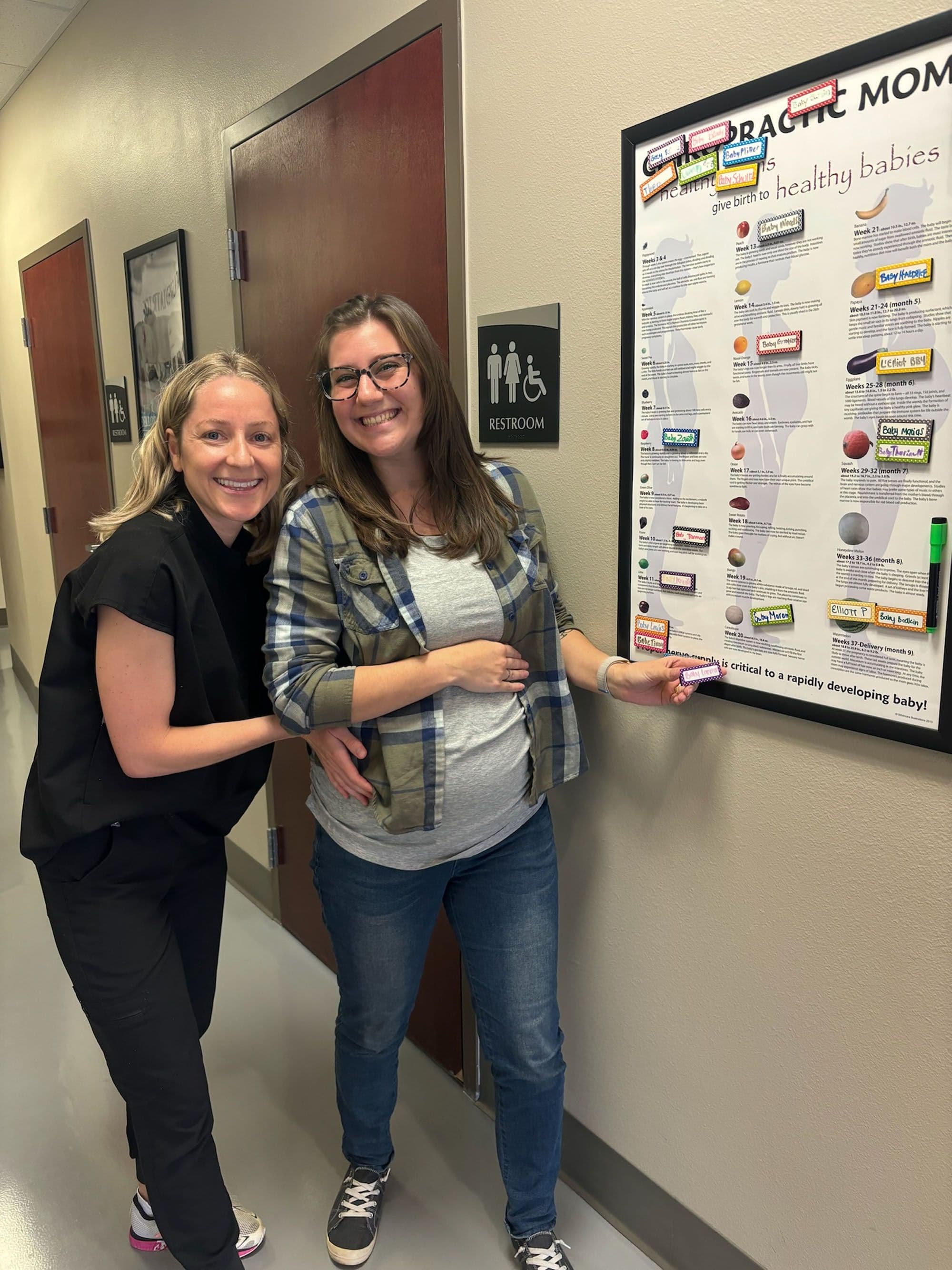
If you've hit the second or third trimester and started feeling a sharp, grinding, or shooting pain right at the front of your pelvis — especially when you're getting out of the car, rolling over in bed, or climbing stairs — you may be dealing with SPD, or symphysis pubis dysfunction. It's a common but often under-discussed pregnancy symptom, and if you've been told it's "just part of pregnancy" without much more explanation, you deserve a clearer picture of what's actually happening. Here's what SPD is, why it happens, and gentle ways to find relief.
What Is SPD (Symphysis Pubis Dysfunction)?
During pregnancy, your body releases a hormone called relaxin that loosens the ligaments around your pelvis to help make room for delivery. The pubic symphysis — the joint at the very front of your pelvis, where the left and right pelvic bones meet — is one of the joints affected. For most people, that extra give causes little to no discomfort. But for some, the joint loosens unevenly or becomes irritated, leading to pain, instability, or a grinding sensation right at the pubic bone. This pattern is often called SPD, though it's also sometimes referred to as pelvic girdle pain.
Symptoms of SPD
- Sharp or aching pelvic pain, right at the pubic bone
- Pain that worsens with walking, climbing stairs, getting in and out of a car, or rolling over in bed
- A clicking, grinding, or "give way" sensation in the pelvis
- Pubic bone pain that may radiate into the inner thighs, hips, or lower back
- Discomfort with activities that involve separating the legs, like getting dressed
SPD vs. Sciatica vs. Round Ligament Pain
Pregnancy brings several kinds of pelvic and hip discomfort, and they're easy to mix up. Sciatica during pregnancy involves a nerve running from the low back down the back of the leg, so it typically causes shooting pain, numbness, or tingling down one leg rather than pain centered at the pubic bone. Round ligament pain is a sharp, quick pain usually felt on one or both sides of the lower belly with sudden movement, like standing up quickly or coughing. SPD, by contrast, is centered specifically at the front of the pelvis and tends to worsen with movements that require separating your legs or shifting weight between them. Because these can overlap, a proper evaluation helps clarify which pattern — or combination — you're dealing with.
Why Some People Get SPD and Others Don't
Every pregnant body responds to relaxin and the shifting weight of pregnancy a little differently. A few factors that may make SPD more likely: a previous pregnancy with pelvic pain, a history of pelvic or low back issues before pregnancy, carrying multiples, or a pelvis that was already asymmetrical or restricted in how it moved before pregnancy began. None of this means SPD was inevitable or that you did anything wrong — it's simply a reflection of how your particular body is adapting to the demands of pregnancy.
Gentle Ways to Find Relief
A few approaches that may help ease SPD discomfort:
Supporting pelvic alignment and mobility. Our prenatal care uses the Webster Technique, a gentle, pregnancy-specific approach designed to support pelvic balance and nervous-system function without any twisting or forceful movements.
Movement modifications. Keeping your knees together when getting in and out of the car, avoiding activities that require wide leg separation, and taking stairs one at a time — leading with the less painful side — can reduce strain on the joint.
A pregnancy support belt. Many people find that a properly fitted support belt, worn under the belly and around the hips, helps stabilize the pelvis during daily activities.
Sleeping with a pillow between the knees. This keeps the pelvis in a more neutral, supported position overnight, which can ease the rolling-over pain many people describe as the hardest part of SPD.
Gentle, pelvis-friendly movement. Swimming (avoiding the breaststroke kick) and walking in moderation can help some people, though every pregnancy is different — check with your care team about what's right for you.
Each pregnancy is different, so what helps you may look different from what helped a friend — a personalized approach based on your specific presentation matters more than a generic list.
When to Reach Out for Support
Occasional pelvic tenderness in later pregnancy is common. It's worth reaching out to our team or your OB — sooner rather than later — if pain is limiting your ability to walk, get dressed, or sleep, if it's worsening quickly, or if you notice new numbness or weakness in your legs. Getting support earlier tends to make daily life more manageable through the rest of your pregnancy.
Frequently Asked Questions
What does SPD feel like in pregnancy? Most people describe a sharp, aching, or grinding pain right at the front of the pelvis, often worse with walking, climbing stairs, or getting in and out of a car.
Is SPD the same as sciatica in pregnancy? No. SPD is centered at the pubic bone and joint instability, while sciatica involves nerve pain that typically radiates down the back of one leg. The two can occur together, which is why an evaluation helps clarify what you're experiencing.
Does SPD go away after birth? For most people, SPD improves in the weeks after delivery as hormone levels shift back and the pelvic joints stabilize. Support and gentle movement can help that process along.
Can chiropractic care help with SPD during pregnancy? Our prenatal care uses the gentle, pregnancy-specific Webster Technique to support pelvic balance, which many people find helpful alongside movement modifications and a support belt.
Is it safe to keep exercising with SPD? Often yes, with modifications. Movements that avoid wide leg separation — like swimming without the breaststroke kick or gentle walking — tend to be better tolerated, though every pregnancy is different, so check with your care team.
If pelvic pain has been making everyday movements harder than they should be, schedule a complimentary consultation at Little Roots Pediatric Chiropractic in Lakewood Ranch, and let's take a gentle look at what your body needs through the rest of your pregnancy.
Little Roots Pediatric Chiropractic, 8209 Natures Way, Unit 117, Lakewood Ranch, FL 34202. (941) 932-4611.
Learn More
Conditions we help with
Related Services
Related Reading
Related articles
Round Ligament Pain in Pregnancy: Gentle, Safe Ways to Find Relief
That sharp, sudden twinge low in your belly when you move? It's likely round ligament pain. Here's what it is and gentle ways to feel more comfortable.
Read articlePregnancy Back Pain Relief: Why It Happens and How Prenatal Chiropractic Helps
Back pain during pregnancy is one of the most common complaints — and one of the most dismissed. Here's what's actually happening in your body and how prenatal chiropractic care can help.
Read articleFirst Trimester Chiropractic Care: What Every Expecting Mom Should Know
Is chiropractic safe during the first trimester? Yes — and for many moms, it's exactly when care matters most. Here's what happens at a prenatal visit and why starting early supports a more comfortable pregnancy.
Read articleKeep Reading
More for growing families
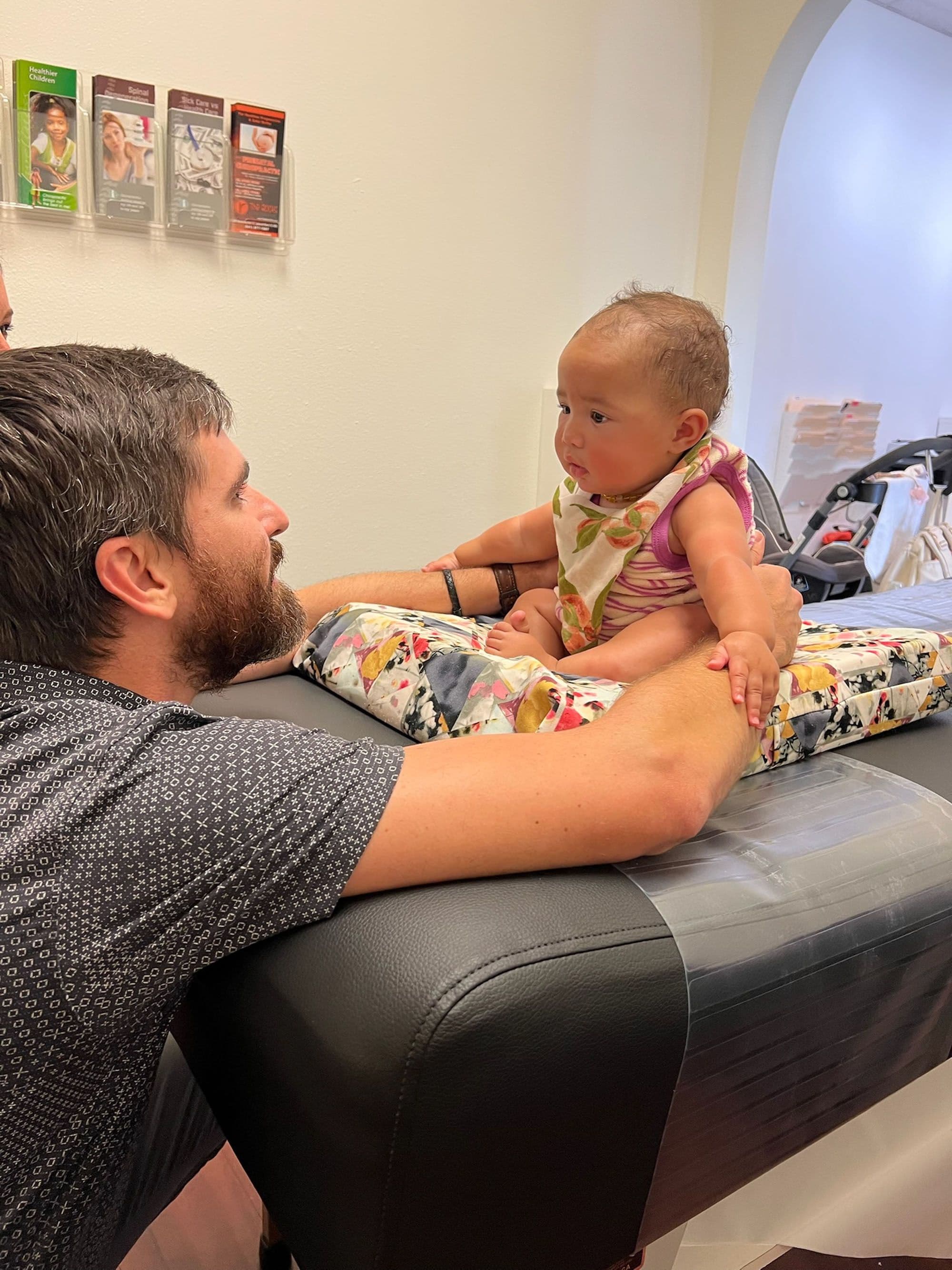
Pregnancy Hip Pain at Night: Why Rolling Over Hurts
Waking up with hip pain every time you roll over? Here's why it happens in pregnancy, gentle sleep tweaks that may help, and when to check in with your provider.
Postpartum Core and Pelvic Floor: Beyond Diastasis Recti
Diastasis recti gets all the attention, but your core recovery isn't complete without your pelvic floor. Here's how the two work together after birth.
Prenatal Chiropractic and Back Labor: What Parents Ask
Back labor can catch expecting parents off guard. Here's what it is, why it happens, and how gentle prenatal care may help support positioning.
Questions about your child?
Schedule a consultation and let's talk through your family's needs together.
Book a Consultation(941) 932-4611