

Leg Cramps During Pregnancy: Why They Happen and Gentle Ways to Cope
Dr. Grayson Fox, DC
Waking up with a calf cramp is a rite of passage for many expecting moms. Here's why leg cramps during pregnancy happen and gentle ways to find comfort.
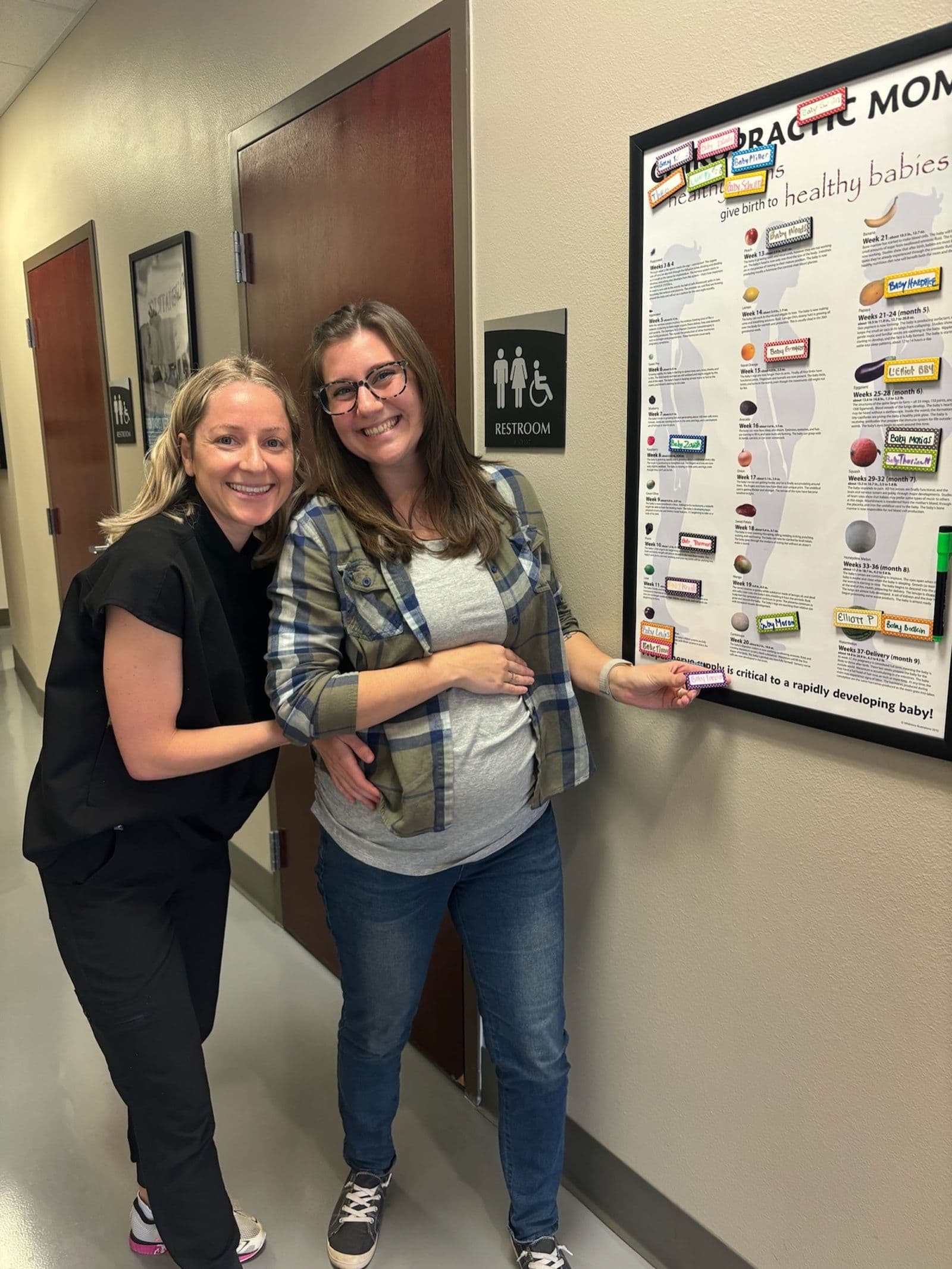
You're fast asleep, and suddenly your calf locks into a tight, painful knot. You grab your foot, hop out of bed, and wonder why this keeps happening. If you're expecting, leg cramps during pregnancy are very common, especially in the second and third trimesters and especially at night. The short answer: they're usually linked to the many changes your body is going through, including extra weight, shifting posture, changing circulation, and tired leg muscles, and while they're uncomfortable, they're often harmless. Below, we'll explain why leg cramps during pregnancy happen, gentle ways many moms find comfort, the warning signs that mean you should call your provider right away, and how our team at Little Roots supports expecting moms in Lakewood Ranch. This is educational and not a replacement for advice from your OB or midwife.
What a Pregnancy Leg Cramp Feels Like
A leg cramp is a sudden, involuntary tightening of a muscle. In pregnancy it most often hits the calf, though the foot, arch, or thigh can seize up too. You may notice:
- A sharp, tight, or knotted feeling that comes on quickly
- Pain that eases after stretching or walking, but may leave the muscle sore afterward
- Cramping that tends to show up at night or in the early morning
- A tender, achy calf the next day
Many moms say the worst part is being jolted awake. Others notice cramps after long days on their feet. Both patterns are common.
Why Leg Cramps During Pregnancy Happen
Researchers don't fully agree on one single cause, which is why it helps to think of cramps as the result of several things overlapping.
Your body is carrying more
As your baby grows, your legs carry more weight, and the calf muscles work harder with every step. Tired muscles are more likely to seize.
Changing circulation
Pregnancy increases blood volume, and the growing uterus can slow blood returning from the legs, particularly when you've been sitting or lying in one position for a while. If you've also noticed puffiness, our post on swelling in pregnancy covers what's typical.
Shifts in posture and the pelvis
Your center of gravity moves forward, your lower back curves more, and your pelvis changes position. These changes can alter how your legs and feet load, and they can irritate the nerves that run from the low back into the legs. If you also feel pain that shoots down a leg, our sciatica in pregnancy page explains that pattern, and you can read more in our guide to sciatica during pregnancy.
Mineral and fluid balance
Being low on fluids, or changes in the minerals your muscles rely on, are often mentioned as possible contributors. The evidence is mixed, which is why we suggest talking with your prenatal provider before adding any supplement.
Rest and sleep position
Pointing your toes while you sleep or stretch out can shorten the calf muscle and set off a cramp. Our guide on the best sleep positions during pregnancy has ideas for staying comfortable.
Gentle Ways to Find Comfort
There's no single fix, and what works for one mom may not help another. These are gentle, low-risk ideas many families try.
In the moment
- Flex, don't point. Straighten the leg and gently pull your toes up toward your shin.
- Stand and press. Stand on the cool floor with your weight on the cramped leg, or walk slowly for a minute.
- Warmth. A warm cloth or a warm shower on the calf can help the muscle relax afterward.
- Light massage. Gentle strokes up the calf can ease lingering tightness. Skip deep pressure.
Through the day
- Drink water regularly. Sip steadily instead of all at once.
- Move often. If you sit for long stretches, stand up, walk, and change positions regularly. Elevating your legs for a while in the evening can feel soothing.
- Wear supportive shoes. Avoid going barefoot for long periods on hard floors.
- Gentle calf stretches. A slow stretch against a wall, held comfortably and never to the point of pain, is a common evening routine.
- Short walks. Easy daily movement supports circulation.
At bedtime
- Side-lying with support. Many moms sleep more comfortably on their side with a pillow between the knees.
- Loosen the covers. Tight, tucked blankets can push your feet into a pointed position.
As with anything in pregnancy, check with your OB or midwife before starting a new supplement or exercise, including magnesium or calcium products.
When to Call Your Provider Right Away
Most leg cramps are a normal part of pregnancy, but a cramp isn't always just a cramp. Contact your OB or midwife promptly, or seek urgent care, if you notice:
- Pain, swelling, warmth, or redness in one calf or leg, especially if only one side is affected
- A calf that stays painful and tender when the cramp has passed
- Shortness of breath, chest pain, or a racing heart (call 911)
- Severe swelling in your face or hands, sudden headache, or vision changes
- Cramping that is intense, frequent, or comes with low belly pain, fluid leaking, or contractions
Pregnancy raises the chance of blood clots, which is why one-sided calf pain deserves a quick call rather than waiting it out. When in doubt, call.
How Our Team Supports Expecting Moms
At Little Roots Pediatric Chiropractic in Lakewood Ranch, we welcome moms during pregnancy as part of our prenatal care. We know your body is doing a lot, and sometimes the aches that come with it are really signals about how your pelvis, spine, and nervous system are adapting.
Our team starts by listening to what you're feeling, then looks at your posture, how you move, and how your pelvis and low back are supporting your growing belly. Care is gentle and adjusted for pregnancy, including positioning that keeps you comfortable. Every mom is different, so we explain what we find, share what's realistic, and refer you to your OB or midwife whenever something is outside our scope.
If your leg discomfort comes with hip, pelvic, or low back pain, you can learn more on our page about pain during pregnancy or read our post on pregnancy hip pain at night. Restless, crawly legs at bedtime are a related but different issue, which we cover in restless legs during pregnancy.
Frequently Asked Questions
What causes leg cramps during pregnancy?
There isn't one proven cause. Extra weight, changing circulation, posture and pelvic changes, tired muscles, and fluid and mineral balance are all thought to play a part.
Are leg cramps a normal part of pregnancy?
Yes, they are very common, especially at night in the second and third trimesters. Still, mention them at your next prenatal visit so your provider knows.
How do I stop a leg cramp during pregnancy?
Straighten the leg and gently flex your toes toward your shin, stand and put weight on the foot, or walk slowly. A warm cloth afterward may help the muscle relax.
Can I prevent leg cramps during pregnancy?
Sipping water through the day, moving regularly, wearing supportive shoes, and doing gentle calf stretches may help. Ask your provider before starting any supplement.
Are leg cramps a sign of early pregnancy?
They can occur at any stage, but they are most common later in pregnancy. If you're unsure whether you're pregnant, a test and a call to your provider are the best next steps.
When should I worry about leg pain in pregnancy?
One-sided calf pain, swelling, warmth, or redness, or any leg pain with chest pain or trouble breathing needs prompt medical attention.
Comfort for the Months Ahead
You're growing a whole person, and you deserve to sleep through the night. If leg cramps, back pain, or pelvic pressure are making pregnancy harder than it needs to be, our team would be glad to listen and help you understand what your body is telling you. Book an appointment at Little Roots to get started.
Learn More
Conditions we help with
Related Services
Related Reading
Related articles
Swelling in Pregnancy: What's Normal, and What's Not
Swollen feet and ankles are one of the most common pregnancy complaints. Here's why it happens, gentle ways to ease the pressure, and when to loop in your provider.
Read articleRestless Legs During Pregnancy: Why It Happens and Gentle Ways to Find Relief
Restless, achy legs at night are one of the most common pregnancy complaints — here's why they happen and gentle, provider-approved ways to find relief.
Read articleSciatica During Pregnancy: Gentle Ways to Find Relief
Shooting pain down your hip or leg during pregnancy is common — and there's a lot you can do about it. Here's why it happens and gentle relief that may help.
Read articleKeep Reading
More for growing families
Pregnancy Headaches: Common Causes and Gentle Ways to Find Relief
Headaches during pregnancy are common, and most have everyday causes. Here's what may be behind them, gentle ways to feel better, and the red flags to call about.
Pregnancy Hip Pain at Night: Why Rolling Over Hurts
Waking up with hip pain every time you roll over? Here's why it happens in pregnancy, gentle sleep tweaks that may help, and when to check in with your provider.

Postpartum Core and Pelvic Floor: Beyond Diastasis Recti
Diastasis recti gets all the attention, but your core recovery isn't complete without your pelvic floor. Here's how the two work together after birth.
Questions about your child?
Schedule a consultation and let's talk through your family's needs together.
Book a Consultation(941) 932-4611