

Pregnancy Headaches: Common Causes and Gentle Ways to Find Relief
Dr. Grayson Fox, DC
Headaches during pregnancy are common, and most have everyday causes. Here's what may be behind them, gentle ways to feel better, and the red flags to call about.
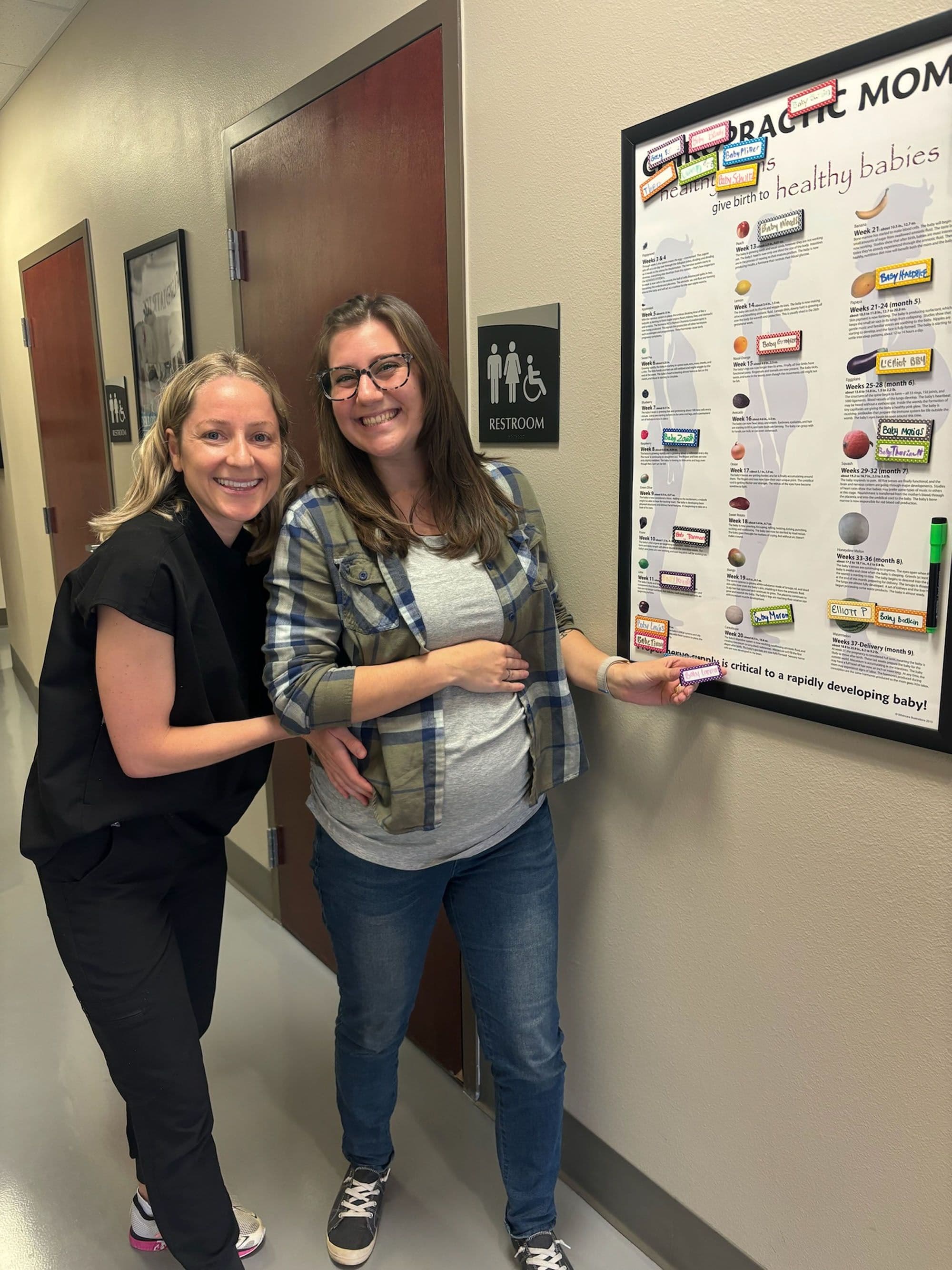
A throbbing head is one of those pregnancy surprises few people warn you about. If you're dealing with pregnancy headaches, you're in very good company: they are common, especially in the first and third trimesters, and most have everyday causes like hormone shifts, changes in blood volume, tension, poor sleep, or skipped meals. The short answer: many pregnancy headaches can be eased with gentle, drug-free comfort measures, but some headaches are a signal to call your OB or midwife right away. Below, we'll cover what may be behind them, gentle ideas to try, how posture and the nervous system fit in, and the warning signs to take seriously. This is educational, not a replacement for advice from your OB or midwife.
Why Headaches Are Common in Pregnancy
Your body is doing something remarkable, and a lot is changing at once. While every mom is different, these are some of the common contributors.
Hormone shifts
Estrogen and progesterone rise quickly in early pregnancy. For many women, these shifts can influence blood vessels and the way the brain processes pain, which is one reason first-trimester headaches are so common.
More blood, more demands
Blood volume increases significantly during pregnancy, and your body works harder to keep everything circulating. Some women notice headaches as their system adjusts.
Fatigue and poor sleep
Between nausea, frequent bathroom trips, and finding a comfortable position, sleep can get choppy. Tired bodies are more prone to headaches. Our post on the best sleep positions during pregnancy has gentle ideas that may help.
Hydration and blood sugar
Morning sickness can make it hard to eat and drink enough. Skipped meals and mild dehydration are common, easily overlooked headache triggers.
Stress and tension
Preparing for a baby is exciting and stressful, and the neck and shoulders are where many of us carry it. If that resonates, our page on stress and anxiety and our overview of mom stress may feel familiar.
Caffeine changes
Some women cut back on caffeine once they learn they're expecting, and a sudden reduction can bring on a headache of its own. Talk with your OB about what's right for you.
Tension-Type Headaches vs. Migraines in Pregnancy
Most pregnancy headaches fall into two broad groups.
Tension-type headaches tend to feel like a band of pressure around the head, often with tightness in the neck and shoulders. They're usually dull rather than throbbing and may build through the day.
Migraines are often throbbing, may be on one side, and can come with sensitivity to light or sound or with nausea. Some women find that migraines change during pregnancy, improving for some and worsening for others.
Keeping a simple log of when the headaches happen, how long they last, and what came before them can be very useful. Patterns often show up quickly: a late meal, a poor night's sleep, a long stretch hunched over a phone.
When to Call Your OB Right Away
This is the most important section of this article. Most headaches in pregnancy are not dangerous, but some can be a sign of a serious condition such as high blood pressure or preeclampsia, particularly after about 20 weeks. Call your OB, midwife, or seek urgent care if you have:
- A sudden, severe headache, or the worst headache of your life
- A headache that doesn't ease with rest, fluids, and food
- Changes in vision, such as blurriness, spots, or flashing lights
- Sudden swelling in your face or hands
- Pain in the upper right abdomen
- Headache with fever, a stiff neck, confusion, or fainting
- A headache after a fall or injury
When in doubt, call. Your care team would much rather hear from you than have you wait. Our team always works alongside your OB or midwife, and your prenatal provider's guidance comes first.
Gentle Comfort Ideas You Can Try at Home
Always check with your OB or midwife before trying something new, especially about which pain relievers, if any, are right for you. These drug-free ideas are generally considered gentle starting points.
- Eat small meals regularly. Keeping blood sugar steady can help. Keep crackers or a snack within reach.
- Sip water throughout the day. Carry a bottle and aim for steady fluids rather than a big gulp at once.
- Use a cool cloth or a warm compress. A cool cloth on the forehead or a warm compress on the neck can feel soothing, depending on the type of headache.
- Rest in a dim, quiet room. Even 15 or 20 minutes can help.
- Gentle neck and shoulder movement. Slow shoulder rolls and easy neck stretches can ease tension. Avoid forcing anything.
- A warm shower or bath. Keep the water comfortably warm, not hot, since overheating isn't recommended in pregnancy.
- Mind your screen time. Look away from screens regularly and bring your device up to eye level to avoid craning your neck.
- Prioritize sleep. Use pillows to support your belly, back, and between your knees.
Posture, the Spine, and the Nervous System
As your belly grows, your center of gravity moves forward, the curve of the low back increases, and your shoulders and head often drift forward to compensate. That change in posture asks the neck and upper back muscles to work harder, and tight, overworked muscles at the base of the skull are a common source of tension headaches.
The nervous system plays a part too. Stress, fatigue, and changing hormones can keep the body in a more "on alert" state, and that can make muscles tense and headaches more likely. The spine houses and protects the nervous system, which is why gentle prenatal chiropractic care focuses on how the spine and pelvis are moving and how the body is adapting to the changes of pregnancy.
If you're curious about safety, our post on whether chiropractic is safe during pregnancy answers common questions. Our prenatal care page explains what a visit looks like, including our use of pregnancy-specific techniques and Webster-certified care. If back or hip discomfort is part of the picture, you may also find our overview of pain during pregnancy helpful.
What Prenatal Chiropractic Care Looks Like
A first visit with our team begins with listening. We'll ask about your pregnancy, your headaches, your sleep, and how your body feels day to day. We use gentle, pregnancy-appropriate techniques, with positioning and pillows to keep you comfortable. The goal is to support how your spine, pelvis, and nervous system are adapting, not to promise a particular result. Each mom and each pregnancy is different, so we take a personalized approach. We coordinate with your OB or midwife whenever it's helpful, and we'll tell you honestly if something should be checked by them first.
Frequently Asked Questions
Are headaches normal during pregnancy?
Yes. Headaches are very common in pregnancy, especially in the first and third trimesters, and are often tied to hormone changes, fatigue, hydration, and tension. Still, tell your OB or midwife about any new or worsening headaches at your next visit.
What can I do for a headache while pregnant?
Gentle options include drinking water, eating a small snack, resting in a dim room, using a cool or warm compress, and easing neck and shoulder tension. Ask your OB or midwife which medications, if any, are safe for you.
When is a pregnancy headache dangerous?
A sudden or severe headache, vision changes, sudden swelling, upper abdominal pain, or a headache that won't go away can be warning signs, especially after 20 weeks. Call your OB or seek urgent care right away.
Why do I get headaches in the third trimester?
Posture changes, a growing belly, disrupted sleep, and increased strain on the neck and shoulders can all contribute. Because headaches late in pregnancy can also signal high blood pressure, always mention them to your care team.
Can chiropractic care help with pregnancy headaches?
Prenatal chiropractic care is designed to support how your spine and nervous system adapt to pregnancy, and some moms find it a helpful part of their comfort plan. Results vary, and it works best alongside guidance from your OB or midwife.
You Don't Have to Just Push Through
Pregnancy is a big season, and you deserve to feel as comfortable as possible. Track your headaches, keep your OB in the loop, and lean on gentle supports that fit your body. If you'd like a caring team to look at how your spine and posture are adapting, we'd love to meet you. Book an appointment at Little Roots in Lakewood Ranch, and let's talk about what you're feeling.
Learn More
Conditions we help with
Sciatica During Pregnancy
The sharp, shooting pain down your leg isn't just 'part of pregnancy.' Prenatal chiropractic care — gentle, safe, and performed with proper positioning — addresses the sacral and lumbar mechanics that compress the sciatic nerve as your body changes.
Learn moreSleep Disturbance
Poor sleep is rarely just a sleep problem. For many adults, chronic pain, nerve compression, and an overactivated nervous system are the actual barriers to restful sleep — and a chiropractic care plan that addresses those drivers can change the picture.
Learn moreRelated Services
Related Reading
Related articles
Is Chiropractic Safe During Pregnancy?
Is chiropractic care actually safe during pregnancy? Here's what makes prenatal chiropractic technique different, what training to look for, and what safety really depends on.
Read articleBest Sleep Positions During Pregnancy: A Gentle Guide
Comfortable sleep gets harder as pregnancy progresses. Here's a gentle, trimester-by-trimester guide to sleep positions during pregnancy — and why.
Read articleHeartburn During Pregnancy: Why It Happens and Gentle Ways to Find Relief
That burning feeling behind your breastbone during pregnancy is common — and there's a lot you can do about it. Here's why it happens and gentle relief that may help.
Read articleKeep Reading
More for growing families
Pregnancy Hip Pain at Night: Why Rolling Over Hurts
Waking up with hip pain every time you roll over? Here's why it happens in pregnancy, gentle sleep tweaks that may help, and when to check in with your provider.

Postpartum Core and Pelvic Floor: Beyond Diastasis Recti
Diastasis recti gets all the attention, but your core recovery isn't complete without your pelvic floor. Here's how the two work together after birth.
Prenatal Chiropractic and Back Labor: What Parents Ask
Back labor can catch expecting parents off guard. Here's what it is, why it happens, and how gentle prenatal care may help support positioning.
Questions about your child?
Schedule a consultation and let's talk through your family's needs together.
Book a Consultation(941) 932-4611