

Pregnancy Hip Pain at Night: Why Rolling Over Hurts
Dr. Grayson Fox, DC
Waking up with hip pain every time you roll over? Here's why it happens in pregnancy, gentle sleep tweaks that may help, and when to check in with your provider.
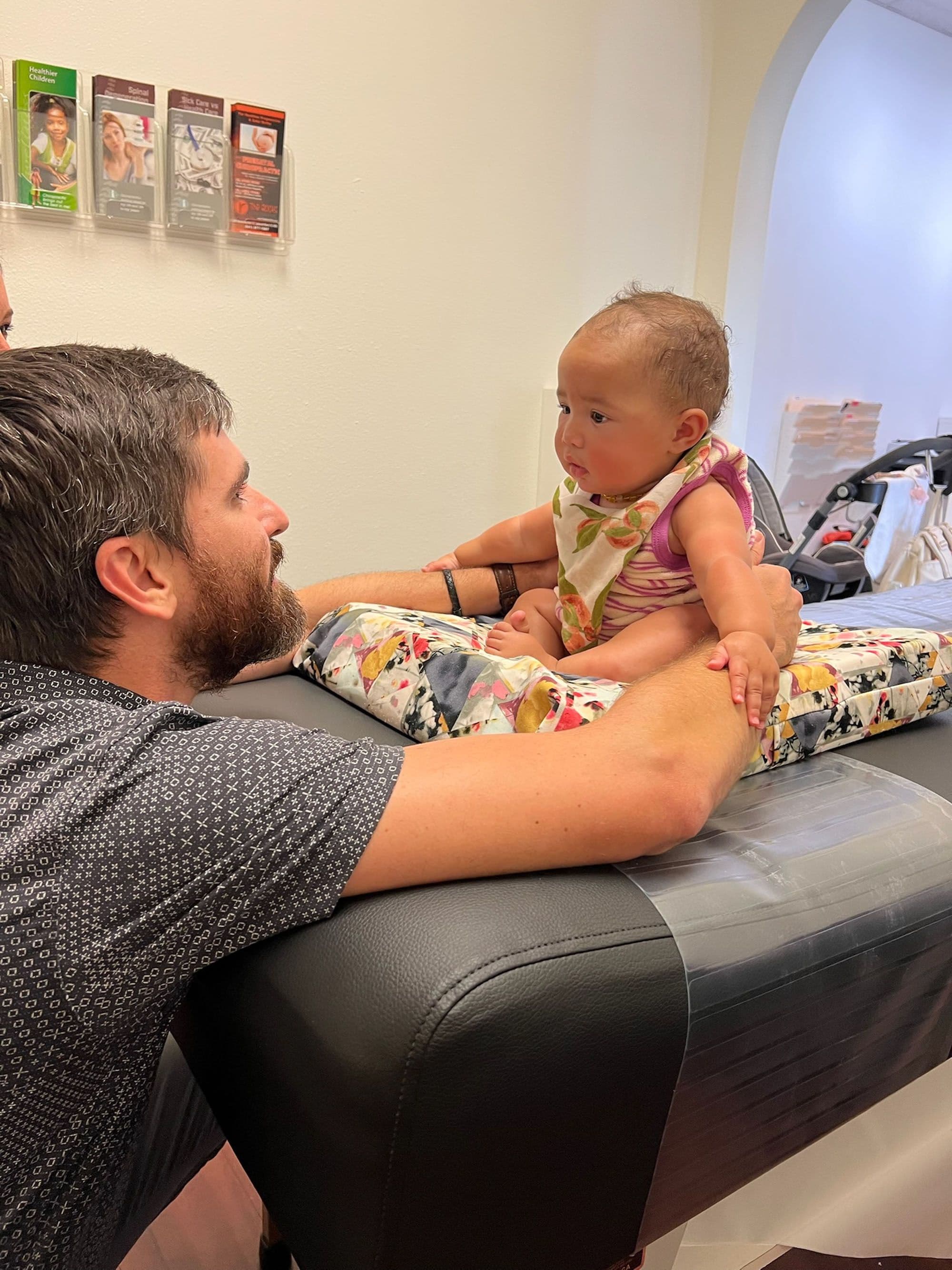
You finally drift off, roll over to get comfortable, and a sharp, deep ache in your hip wakes you right back up. If that's your nights lately, you're in very good company. Hip pain at night is one of the most common complaints in pregnancy, and the short answer is that it usually comes from a mix of loosening ligaments, a shifting center of gravity, and the pressure of lying on one side for hours. Below, we'll explain why pregnancy hip pain at night happens, gentle positioning ideas many moms find helpful, the signs that mean it's time to call your provider, and how our team at Little Roots approaches prenatal care. This is educational and not a replacement for the advice of your OB or midwife.
Why Your Hips Hurt More at Night
Your body is doing remarkable work, and some of that work is felt in the hips and pelvis.
- Hormones loosen the joints. During pregnancy, hormones such as relaxin soften ligaments around the pelvis to prepare for birth. That added give can mean the joints move more than usual, which may feel achy or unstable.
- Your center of gravity shifts. A growing belly changes how you stand and walk, which can change how the hips and low back share the load.
- Side-sleeping puts weight on one hip. Most providers suggest sleeping on your side later in pregnancy, but hours spent on the same hip can leave it sore.
- Rolling over is a big movement. Turning in bed asks your pelvis, glutes, and core to coordinate, and when they're tired or the pelvis feels uneven, that turn can pinch.
- Muscles work overtime during the day. By bedtime, the muscles around your hips may be tired and tight, and they have less to offer when you're asleep.
- Baby's position. Sometimes the way your baby is lying adds pressure to one side of the pelvis.
What the Pain Might Feel Like
Parents-to-be describe it in different ways, and where you feel it can offer clues:
- A deep ache on the outside of the hip, especially on the side you sleep on
- A sharp catch low in the back or buttock when you turn over
- Pain at the front of the pelvis, near the pubic bone, that we explore in our post on symphysis pubis pain (SPD) in pregnancy
- A pulling or stabbing feeling in the lower belly or groin when you change positions, which is often related to round ligament pain
- Pain that travels from the buttock down the back of the leg, which may be a pattern of sciatica during pregnancy
Many of these overlap, and more than one can happen at once. Sorting out which pattern fits you is worth a conversation with your provider.
Gentle Ways to Get More Comfortable at Night
Try changing one thing at a time. Always check with your provider about what's right for you, especially as your pregnancy progresses.
- Add pillow support. A pillow between your knees keeps the top leg from dropping forward and twisting the pelvis. Some people like another under the belly and one behind the back.
- Try a pregnancy pillow. A long body pillow can support the knees, belly, and back all at once.
- Roll like a log. Instead of twisting, squeeze your knees together, tighten your belly gently, and turn your shoulders and hips together as one unit.
- Add a soft layer. A thin mattress topper or a folded blanket under the hip can reduce pressure points.
- Switch sides thoughtfully. If one hip is sore, alternate sides or take short breaks lying back with your upper body slightly raised, as comfortable and as your provider advises.
- Wind down your hips. A warm shower or gentle stretching before bed, if comfortable, may help the muscles settle.
- Keep moving during the day. Short, easy walks can help the hips stay loose, but listen to your body and stop if anything hurts.
We share more positioning ideas in our guide to the best sleep positions during pregnancy.
When to Call Your Provider
Most hip aches in pregnancy are uncomfortable but not dangerous. Still, reach out to your OB or midwife promptly, or seek urgent care if needed, when you notice:
- Severe pain that doesn't ease with rest or position changes
- Pain along with fever, chills, or burning when you urinate
- Pain with vaginal bleeding, fluid leaking, or regular tightening or contractions
- A swollen, red, warm, or tender area in one leg, particularly the calf
- Sudden numbness, weakness, or trouble walking
- Decreased movement from your baby
Trust your instincts. If something feels off, make the call.
How Prenatal Chiropractic Fits In
At Little Roots Pediatric Chiropractic in Lakewood Ranch, our team provides gentle, pregnancy-specific prenatal care for moms who are looking for drug-free support during this season. We listen to where and when your hips hurt, watch how you stand, walk, and move, and look at how your pelvis and spine are working together. Our approach is gentle, uses techniques suited to pregnancy, and includes the Webster Technique, a specific chiropractic analysis and adjustment of the pelvis that is designed to support pelvic balance and function.
Our goal is to help your body adapt, and to give you practical tools for sleep and daily life. We work alongside your OB or midwife, not in place of them, and we make no promises about outcomes. Every pregnancy and every body is different, so we take a personalized approach based on what yours is showing us.
Frequently Asked Questions
Why does my hip hurt when I roll over in pregnancy?
Hormonal changes loosen the ligaments around the pelvis, and your changing posture shifts how the hips carry weight. Rolling over asks the pelvis to move quickly, which can bring on a sharp or pinching feeling. A pillow between the knees and a log-roll can help.
Is hip pain at night normal during pregnancy?
It's very common, especially in the second and third trimesters. Common doesn't mean you have to simply put up with it, so mention it to your provider, particularly if it's getting in the way of sleep.
What is the best sleeping position for hip pain in pregnancy?
Many providers recommend sleeping on your side with pillows between your knees and under your belly. The best option depends on you and your stage of pregnancy, so ask your provider what they recommend.
Can prenatal chiropractic care help with pregnancy hip pain?
Many moms seek gentle prenatal chiropractic care for pelvic and hip discomfort. We take a personalized approach and work alongside your OB or midwife, and we can't promise specific results.
Want Some Support for Those Restless Nights?
You don't have to just grit your teeth through the night. Book an appointment at Little Roots Pediatric Chiropractic in Lakewood Ranch, and our team will listen, take a careful look at how your body is moving, and talk through gentle next steps alongside your pregnancy provider.
Learn More
Conditions we help with
Related Services
Related Reading
Related articles
Best Sleep Positions During Pregnancy: A Gentle Guide
Comfortable sleep gets harder as pregnancy progresses. Here's a gentle, trimester-by-trimester guide to sleep positions during pregnancy — and why.
Read articleSPD in Pregnancy: Understanding Symphysis Pubis Pain
Sharp pain at the front of your pelvis during pregnancy? SPD (symphysis pubis dysfunction) is common but often under-explained. Here's what may help.
Read articleKeep Reading
More for growing families
Postpartum Core and Pelvic Floor: Beyond Diastasis Recti
Diastasis recti gets all the attention, but your core recovery isn't complete without your pelvic floor. Here's how the two work together after birth.
Prenatal Chiropractic and Back Labor: What Parents Ask
Back labor can catch expecting parents off guard. Here's what it is, why it happens, and how gentle prenatal care may help support positioning.
Restless Legs During Pregnancy: Why It Happens and Gentle Ways to Find Relief
Restless, achy legs at night are one of the most common pregnancy complaints — here's why they happen and gentle, provider-approved ways to find relief.
Questions about your child?
Schedule a consultation and let's talk through your family's needs together.
Book a Consultation(941) 932-4611