

Lower Back Pain in the Third Trimester: Why It Happens and What May Help
Dr. Grayson Fox, DC
In the final stretch of pregnancy, your lower back carries more than ever. Here is why third-trimester back pain happens, gentle ways to ease it, and how to tell it apart from labor.

You are so close to meeting your baby, and your lower back feels every bit of it. Standing up from the couch takes a plan, rolling over in bed is a production, and by evening your back aches in a way it never did before. Lower back pain in the third trimester is one of the most common things moms tell us about, and it makes sense: your baby is at their heaviest, your center of gravity has moved forward, and the hormones that prepare your pelvis for birth are loosening the joints your back depends on. Most of the time, this pain is your body adapting to a big load, and there is a lot you can do to feel more comfortable. Sometimes, though, back pain late in pregnancy is a sign of labor or another issue that needs your provider. Below, we cover why third-trimester back pain happens, gentle ways to ease it, and the warning signs to know. This is educational information, and your OB or midwife is always your first call for anything that worries you.
First: When Back Pain Means Call Your Provider
Call your OB or midwife right away, or go to labor and delivery, if your back pain comes with any of these:
- Pain or tightening that comes and goes in a regular rhythm, especially if you are not yet 37 weeks
- Vaginal bleeding, a gush or steady trickle of fluid, or a change in discharge
- Fever, chills, burning when you pee, or pain in your side or under your ribs on one side
- Your baby moving less than usual
- Sudden, severe pain, or pain that does not ease with rest or a change of position
- A bad headache, vision changes, sudden swelling of your face or hands, or pain under your right ribs
- Numbness in your groin or inner thighs, new trouble controlling your bladder or bowels, or weakness in a leg
Rhythmic lower back pain before 37 weeks can be a sign of preterm labor, and one-sided back pain with fever can mean a kidney infection. Trust your instincts. Calling and being told everything is fine is always better than waiting.
Why Your Lower Back Hurts More in the Third Trimester
Your center of gravity has shifted
As your belly grows forward, your body leans back to stay balanced. That deepens the curve in your lower back and loads the small joints and muscles there for hours at a time. By the third trimester, that curve is often at its deepest, and the muscles holding it are tired.
Relaxin is still loosening your joints
Relaxin and other pregnancy hormones soften the ligaments in your pelvis so it can open for birth. That is exactly what your body needs, but it also means the sacroiliac joints, where your spine meets your pelvis, have less built-in stability. When one side moves more than the other, the muscles around it guard and ache.
Your core is stretched
Your abdominal muscles have stretched a long way to make room for your baby, so they are less able to share the work of holding you upright. Your back muscles pick up the slack.
Your baby's position and weight
As your baby settles lower and turns, their head and back can press toward your spine or pelvis. Some moms feel this as deep, low pressure; others feel it along one side. Our post on pelvic pressure during pregnancy covers that heavy, low feeling in more detail.
Sleep and daily life
You probably cannot sleep on your back or stomach anymore, you may be up several times a night, and if you have older kids, you are still lifting, bending, and carrying. All of that adds up for a back that is already working overtime.
Common Patterns of Third-Trimester Back Pain
Not all back pain in late pregnancy feels the same. Noticing your pattern can help you and your provider understand it:
- A dull ache across the low back that builds through the day and eases when you lie down: often muscle fatigue from the deeper curve in your back.
- A sharp pain on one side near the dimple above your buttock, worse rolling over or climbing stairs: often the sacroiliac joint.
- Pain at the front of the pelvis along with back pain, worse when you stand on one leg: often linked to pelvic girdle pain.
- Pain that shoots down the back of one leg: may be sciatica during pregnancy.
- Low back pain or pressure that tightens and releases in waves: this may be contractions. Time them and call your provider.
If your pattern does not fit any of these, or it keeps changing, mention it at your next prenatal visit. Our page on pain during pregnancy walks through other common aches.
Is It Back Pain or Back Labor?
This is one of the most common questions in the last weeks of pregnancy. Everyday third-trimester back pain tends to change when you change position, ease with rest, and stay fairly steady. Labor-related back pain usually comes in waves that get stronger, longer, and closer together over time, and it does not go away when you lie down or switch positions. Some moms feel most of their labor in the back, often when baby is facing toward the belly instead of the spine. If you are near your due date and your back pain is starting to feel rhythmic, time it and call your provider. Our article on prenatal chiropractic and back labor explains this more.
Gentle Ways to Ease Lower Back Pain in the Third Trimester
Each mom and each pregnancy is different, so check with your OB or midwife before starting anything new. These are gentle ideas many moms find helpful:
- Sleep on your side with support. A pillow between your knees and ankles keeps your pelvis level, and a small pillow or wedge under your belly takes strain off your back.
- Roll as a unit. When turning over in bed, squeeze your knees together and roll your hips and shoulders at the same time instead of twisting.
- Get up from the side. Roll onto your side first, then push up with your arms instead of sitting straight up.
- Try gentle pelvic tilts. On hands and knees, slowly round and then relax your lower back. Many moms find this one of the most comfortable positions late in pregnancy.
- Use warmth, not heat. A warm shower or a warm (not hot) pack on your lower back can relax tight muscles. Avoid hot tubs and saunas.
- Ask about a support belt. A maternity support belt can lift some of the belly's weight off your back during walks or long stretches on your feet.
- Wear supportive shoes. Swap heels and completely flat sandals for shoes with some cushion and arch support.
- Change position often. Stand up and move every 30 to 45 minutes when sitting, and sit or lean when you have been standing a long time.
- Let someone else lift. Ask for help with heavy laundry baskets, groceries, and car seats when you can. When you do lift your toddler, bend your knees and keep them close.
- Move in water. Swimming or walking in a pool takes weight off your joints and feels wonderful for many moms in the final weeks.
Ask your provider before taking any medication for back pain, even something you used before pregnancy.
How Our Team Supports Moms in the Final Stretch
At Little Roots Pediatric Chiropractic in Lakewood Ranch, we see many moms in their third trimester who just want to sleep, move, and get through the day with less pain. Our prenatal care starts with listening to what you are feeling and how your pregnancy is going. Then our team gently checks how your pelvis, sacrum, and lower back are moving and where tension is building.
Prenatal adjustments are gentle and designed for pregnancy. We use pregnancy-friendly tables and positioning so there is no pressure on your belly, and approaches like the Webster Technique focus on balance in the pelvis and the soft tissues around it. A pelvis that moves well may help your back carry this last stretch more comfortably. We always work alongside your OB or midwife, never in place of them, and if anything you describe sounds like it needs medical attention, we will tell you right away. Each mom and pregnancy is different, so we take a personalized approach based on what your body needs.
Frequently Asked Questions
Is it normal to have lower back pain in the third trimester?
Yes, it is very common. Your baby's weight, your shifted center of gravity, loosened joints, and a stretched core all put extra load on your lower back. Common does not mean you have to just push through it, and pain that comes in waves or comes with other symptoms should always be checked.
How can I relieve lower back pain in the third trimester?
Side sleeping with pillows, rolling as a unit in bed, gentle pelvic tilts on hands and knees, a warm shower, a maternity support belt, supportive shoes, and frequent position changes help many moms. Check with your provider before starting anything new, including medication.
How do I know if back pain is labor?
Labor-related back pain usually comes in waves that get stronger and closer together and does not ease when you rest or change position. Everyday back pain tends to change with movement and stay steady. If your back pain feels rhythmic, especially before 37 weeks, call your provider.
Can lower back pain in the third trimester affect my baby?
Ordinary back strain does not harm your baby. But back pain with bleeding, leaking fluid, fever, regular tightening, or less movement from your baby needs a call to your provider right away.
Is chiropractic care safe in the third trimester?
Gentle prenatal chiropractic care is commonly used throughout pregnancy, including the final weeks. A prenatal-focused chiropractor uses pregnancy-friendly tables and positioning with no pressure on your belly. Let your OB or midwife know you are receiving chiropractic care, and tell us about any pregnancy complications.
You Do Not Have to White-Knuckle the Last Few Weeks
You are doing something amazing, and you deserve to feel as comfortable as possible while you do it. If lower back pain is making it hard to sleep, move, or enjoy these final weeks, our team would love to help. Book an appointment at Little Roots Pediatric Chiropractic in Lakewood Ranch. We care for moms from Lakewood Ranch, Bradenton, Sarasota, and the surrounding area.
Learn More
Conditions we help with
Related Services
Related Reading
Related articles
Pregnancy Back Pain Relief: Why It Happens and How Prenatal Chiropractic Helps
Back pain during pregnancy is one of the most common complaints — and one of the most dismissed. Here's what's actually happening in your body and how prenatal chiropractic care can help.
Read articlePelvic Pressure During Pregnancy: What's Normal and What Helps
That heavy, low pressure in your pelvis can be a normal part of pregnancy, but not always. Here's what it may feel like, why it happens, what may help, and when to call your provider.
Read articlePrenatal Chiropractic and Back Labor: What Parents Ask
Back labor can catch expecting parents off guard. Here's what it is, why it happens, and how gentle prenatal care may help support positioning.
Read articleKeep Reading
More for growing families
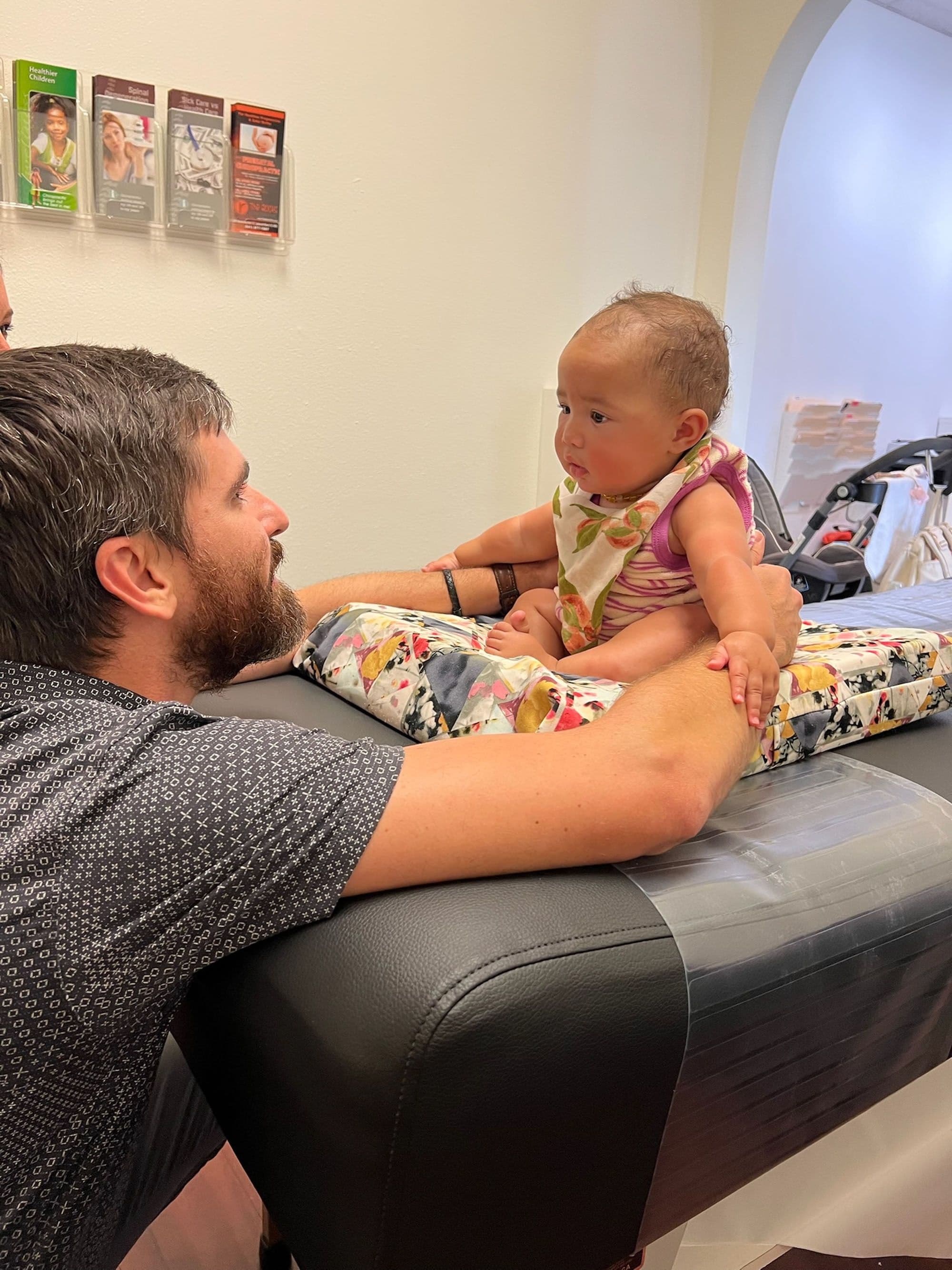
Postpartum Hip Pain: Why Your Hips Ache After Baby and What May Help
Hip pain after having a baby is common as your pelvis, joints, and core adjust. Here is why it happens, gentle ways to ease it, and the signs that mean you should call your provider.
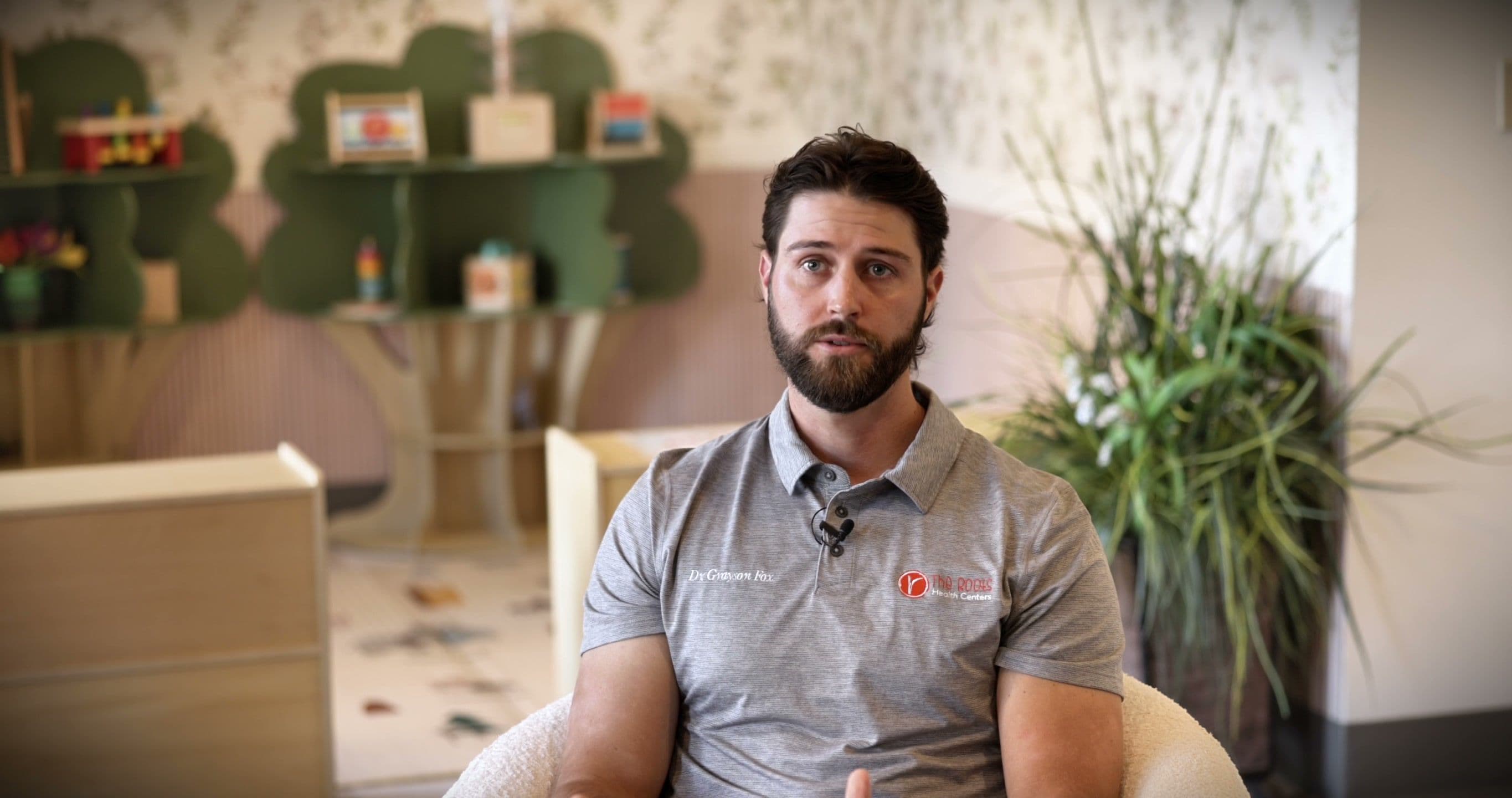
Neck Pain During Pregnancy: Why It Happens and Gentle Ways to Ease It
Neck pain during pregnancy usually comes from shifting posture, tough sleep, and tired muscles. Here is why it happens, gentle ways to ease it, and the signs that mean call your provider.
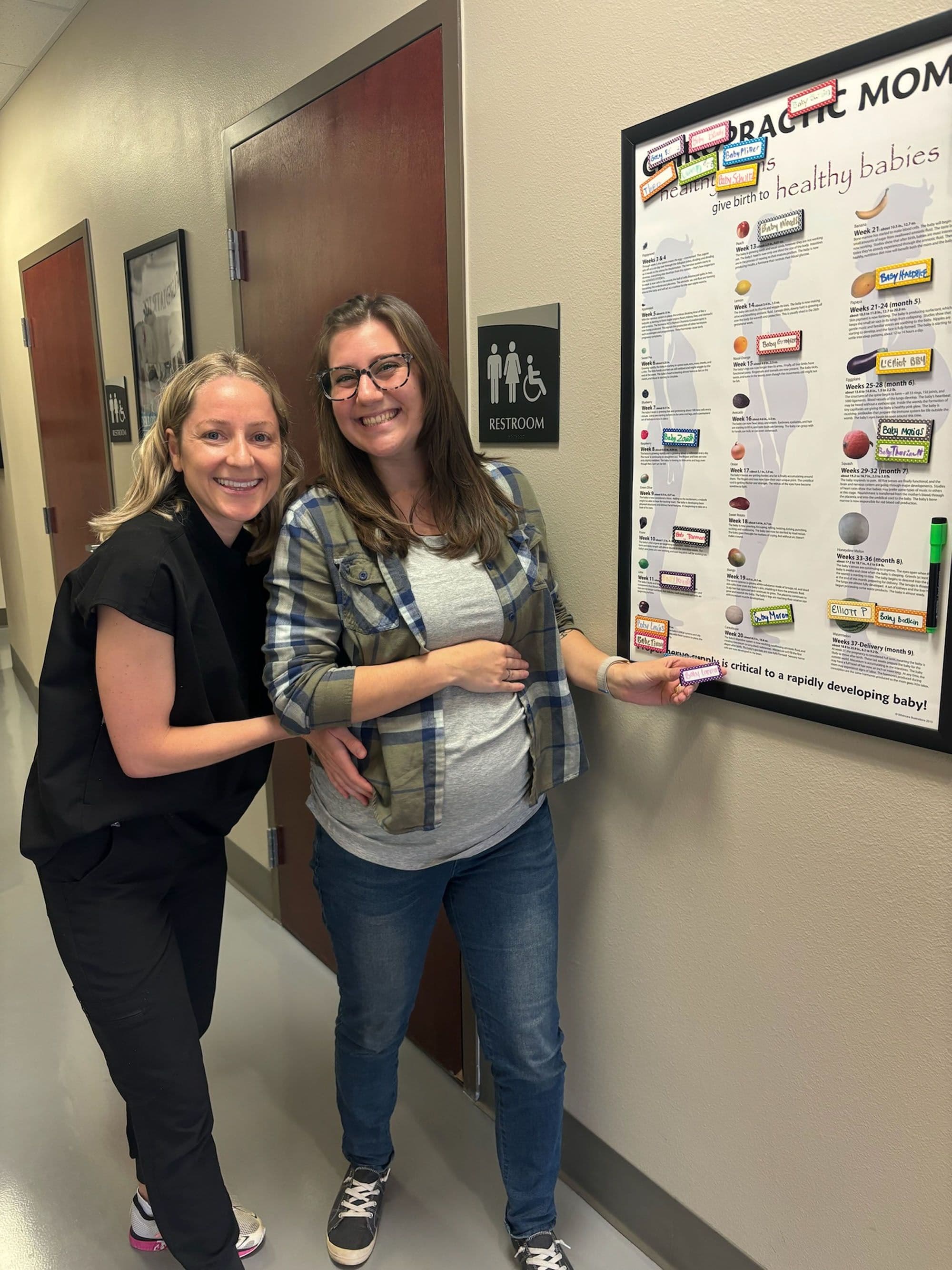
Side Pain During Pregnancy: What's Normal on the Right or Left Side
Most side pain during pregnancy comes from a growing belly stretching ligaments and muscles. Here is what right- or left-side pain can mean, gentle ways to ease it, and the signs that mean call your provider.
Questions about your child?
Schedule a consultation and let's talk through your family's needs together.
Book a Consultation(941) 932-4611