

Pelvic Pressure During Pregnancy: What's Normal and What Helps
Dr. Grayson Fox, DC
That heavy, low pressure in your pelvis can be a normal part of pregnancy, but not always. Here's what it may feel like, why it happens, what may help, and when to call your provider.
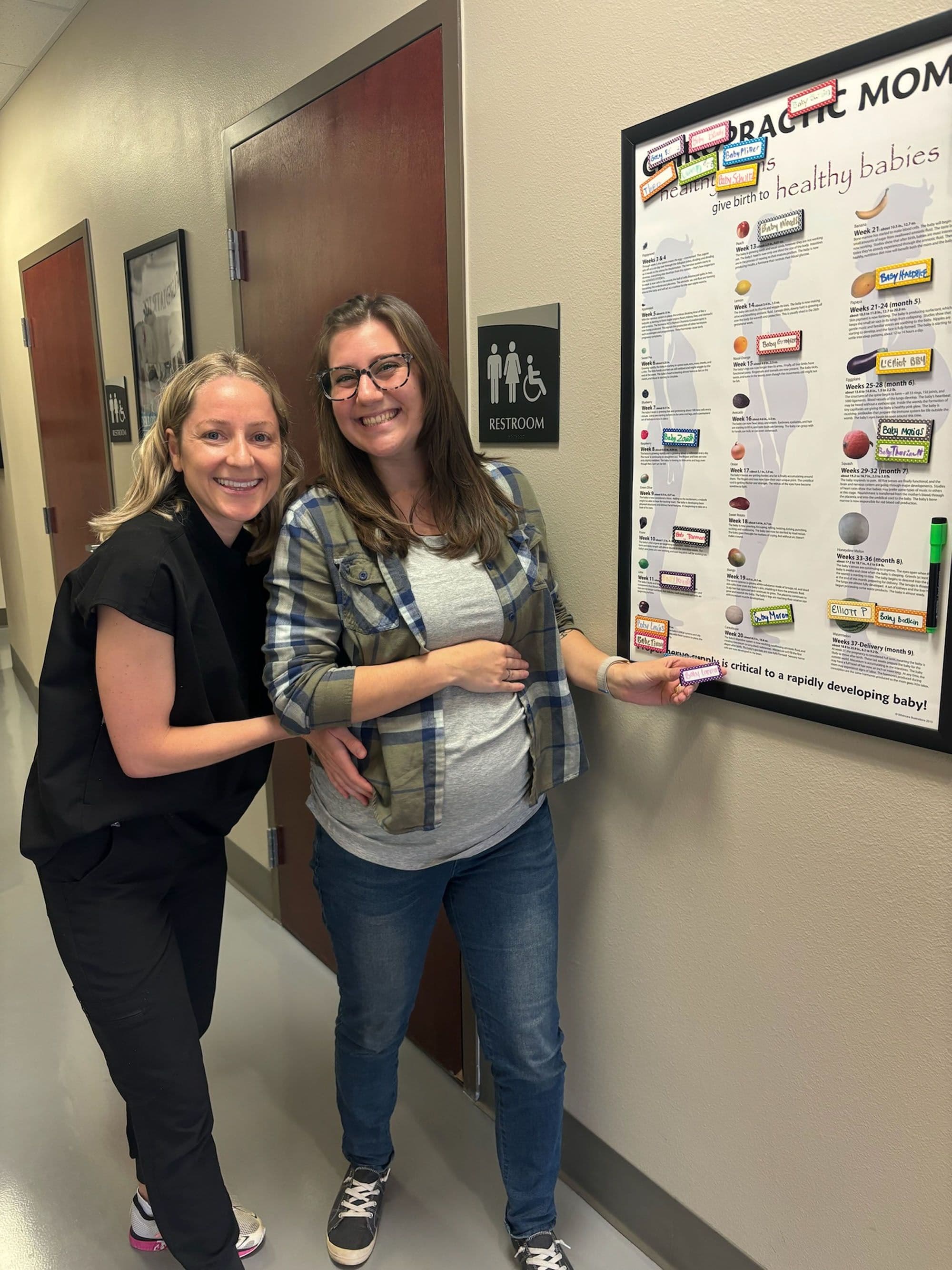
It might start as a heaviness low in your belly, a feeling that your baby is sitting right on top of your pelvic bones, or a dull pressure that gets stronger when you've been on your feet. Many moms-to-be wonder: is this normal, or should I be worried? The short answer: pelvic pressure during pregnancy is very common, especially as your baby grows and your body softens and shifts to prepare for birth. Most of the time it's a normal part of the journey, but certain patterns are worth a call to your OB or midwife. Below, we'll walk through what pelvic pressure feels like, what may be behind it, gentle things that many moms find helpful, the warning signs to never ignore, and how our team supports expecting moms in Lakewood Ranch.
What Does Pelvic Pressure Feel Like in Pregnancy?
Every mom describes it a little differently. Common descriptions include:
- A heavy, full, or dragging feeling low in the belly
- A sense of weight sitting on the pelvic floor, like your baby is pressing down
- A dull ache across the pubic bone or deep in the pelvis
- Pressure that grows when you stand, walk, or carry things, and eases when you lie down
- Pressure that comes with the urge to urinate more often
- A feeling of tightness or stretching in the groin or lower abdomen
This kind of pressure is different from sharp, stabbing pain at the front of the pelvis, which is often linked to pelvic girdle changes. We cover that pattern in our post on symphysis pubis pain in pregnancy, and our page on pelvic pain in pregnancy gives a wider overview.
Why Pelvic Pressure Happens
Your baby is growing, and gravity is doing its job
As your uterus expands, its weight rests more and more on the pelvic floor, bladder, and the ligaments that hold everything in place. This is especially noticeable later in pregnancy, and also whenever you've been upright for a while.
Pregnancy hormones are loosening ligaments
Your body releases hormones that make ligaments softer and more flexible so the pelvis can open for birth. That's helpful, but it can also mean the joints of the pelvis move more than they're used to, which may show up as pressure, aching, or a feeling of instability.
Your baby is settling lower
Some moms notice a change in pressure when their baby moves lower into the pelvis in preparation for birth. If this is your first baby, it may happen closer to delivery; if you've had children before, it can happen differently. Your provider can tell you what they're feeling on exam. Our post on optimal fetal positioning explains why position matters.
Changes in posture and pelvic alignment
As your belly grows, your center of gravity moves forward. Many moms respond by arching the low back or tilting the pelvis, which can load the sacroiliac joints, hips, and the muscles of the pelvic floor. If the pelvis is tilted or twisted, the tissues around it can feel pulled unevenly, and that can add to the sense of pressure.
Tight or overworked pelvic floor and hip muscles
The muscles at the base of the pelvis work harder when carrying extra weight. If they're tense, they may feel achy or full rather than strong. Tight hip muscles can add to it.
Early pregnancy changes
Some women notice pelvic pressure even in the first trimester, before the baby is big enough to weigh on anything. Rising hormones, increased blood flow to the pelvis, and the uterus beginning to grow can all contribute.
Warning Signs: When to Call Your OB or Midwife Right Away
Pelvic pressure on its own is often normal. But please contact your OB or midwife promptly, or go to the hospital, if pelvic pressure comes with any of the following:
- Regular, tightening contractions that get stronger or closer together, especially before 37 weeks
- A gush or steady leak of fluid
- Vaginal bleeding
- Low, constant backache that feels different from your usual aches, or cramps like a period
- A change in vaginal discharge, such as a sudden increase or a watery or bloody discharge
- Fever, burning with urination, or pain in your side, which could signal infection
- Your baby moving noticeably less than usual
- Severe headache, vision changes, sudden swelling of the face or hands, or pain under the ribs
- Pain in one calf with swelling or warmth
If something doesn't feel right, trust your instincts and call. Your provider would much rather hear from you and have everything be fine.
Gentle Ways Many Moms Find Relief From Pelvic Pressure
These ideas are general comfort strategies. Please check with your OB or midwife before starting anything new, especially if you have a high-risk pregnancy or any complications.
- Rest and elevate. Lying on your side with a pillow between your knees, or reclining with your feet up, takes weight off the pelvic floor.
- Take breaks from standing. If your job or day keeps you upright, sit down periodically and shift your weight between legs.
- Wear a supportive belly band. Many moms find that a maternity support belt lifts some of the weight off the pelvis. Ask your provider which style might suit you.
- Try a warm bath or warm compress. Gentle warmth may ease tight muscles around the hips and low back. Check with your provider about water temperature.
- Move gently. Short, easy walks and prenatal-friendly movement can keep the pelvis mobile. Stop if pressure or pain increases.
- Watch your posture. Standing tall with your weight balanced over both feet, and avoiding locking the knees, can ease strain on the pelvis.
- Sit smart. Use a pillow behind your lower back and keep your knees slightly lower than your hips.
- Avoid heavy lifting and long single-leg movements. Climbing stairs one step at a time, or getting in and out of the car with knees together, can be easier on the pelvis.
- Stay hydrated and keep your bladder habits regular. A full bladder can add to pressure.
- Ask about pelvic floor guidance. Some moms benefit from learning how to relax, rather than only strengthen, the pelvic floor. Your provider can advise.
If any of these make the pressure worse, stop and mention it at your next visit.
How Gentle, Pregnancy-Aware Chiropractic Care May Fit In
Pelvic pressure often involves the way your pelvis, low back, and the surrounding tissues are moving and bearing weight. That's an area our team looks at closely. Prenatal chiropractic care is not a replacement for your OB or midwife, and we work alongside them rather than instead of them, but it can be one supportive piece of how you feel through pregnancy.
At Little Roots, our team looks at how your spine and pelvis are moving, how your posture has adapted to your growing belly, and what your nervous system is showing us. Using gentle, pregnancy-appropriate techniques, including the Webster technique when it fits, the goal is to support pelvic balance and comfort. Moms often tell us they appreciate someone listening to what they're feeling day to day, rather than being told it's "just pregnancy."
Every mom and every pregnancy is different, so we take a personalized approach based on what your body is showing us. If something we see needs your OB, midwife, or another provider, we'll say so plainly and make sure you know who to call. You can learn more on our prenatal care page, or read about related patterns like round ligament pain and sciatica in pregnancy.
Questions to Bring to Your Next Prenatal Visit
It can help to write down a few things before your appointment so you leave with answers:
- When does the pressure show up, and what makes it better or worse?
- Is it constant, or does it come and go in a pattern?
- Is it on one side or across the whole pelvis?
- Have you noticed any change in discharge, urinary habits, or your baby's movements?
- Are there any activities you should limit?
Our post on Braxton Hicks versus real contractions is a helpful companion read if you're unsure whether tightening and pressure are related.
Frequently Asked Questions
What does pelvic pressure feel like in pregnancy?
Many moms describe a heavy, full, or dragging feeling low in the belly, sometimes with a dull ache across the pubic bone. It often grows when you're on your feet and eases when you rest.
Is pelvic pressure normal during pregnancy?
Often, yes. Growing weight, loosening ligaments, and changes in posture commonly cause it. But pressure that comes with regular contractions, fluid leaking, bleeding, or fewer baby movements needs a call to your provider.
How can I relieve pelvic pressure during pregnancy?
Many moms find relief with rest and side-lying with a pillow between the knees, supportive belly bands, warmth, gentle movement, and good posture. Check with your OB or midwife before trying new things.
Is pelvic pressure normal in early pregnancy?
It can be. Hormones and increased blood flow to the pelvis sometimes cause pressure early on. If it comes with sharp one-sided pain, bleeding, or dizziness, call your provider right away.
Can chiropractic care help with pelvic pressure in pregnancy?
Gentle prenatal chiropractic care may support pelvic balance and comfort for some moms, and it works alongside your OB or midwife. Our team will tell you plainly if your symptoms need another provider's attention.
Feel Supported Through Every Stage
You deserve to feel heard, not dismissed, when your body is changing. If pelvic pressure is making your days harder, our team is here to listen, look closely, and explain what we find. Book your visit at Little Roots and bring your questions.
Learn More
Conditions we help with
Related Services
Related Reading
Related articles
SPD in Pregnancy: Understanding Symphysis Pubis Pain
Sharp pain at the front of your pelvis during pregnancy? SPD (symphysis pubis dysfunction) is common but often under-explained. Here's what may help.
Read articleBraxton Hicks Contractions: What They Feel Like and When They Start
Is that tightening Braxton Hicks or the real thing? Here's what these practice contractions feel like, when they tend to start, and when to call your provider.
Read articleOptimal Fetal Positioning: What It Means and How to Support It
Wondering what "optimal fetal positioning" means and whether there's anything gentle you can do to support it? Here's a parent-first guide to baby's position before birth.
Read articleKeep Reading
More for growing families

Lower Back Pain in the Third Trimester: Why It Happens and What May Help
In the final stretch of pregnancy, your lower back carries more than ever. Here is why third-trimester back pain happens, gentle ways to ease it, and how to tell it apart from labor.
Postpartum Hip Pain: Why Your Hips Ache After Baby and What May Help
Hip pain after having a baby is common as your pelvis, joints, and core adjust. Here is why it happens, gentle ways to ease it, and the signs that mean you should call your provider.

Neck Pain During Pregnancy: Why It Happens and Gentle Ways to Ease It
Neck pain during pregnancy usually comes from shifting posture, tough sleep, and tired muscles. Here is why it happens, gentle ways to ease it, and the signs that mean call your provider.
Questions about your child?
Schedule a consultation and let's talk through your family's needs together.
Book a Consultation(941) 932-4611