

Side Pain During Pregnancy: What's Normal on the Right or Left Side
Dr. Grayson Fox, DC
Most side pain during pregnancy comes from a growing belly stretching ligaments and muscles. Here is what right- or left-side pain can mean, gentle ways to ease it, and the signs that mean call your provider.
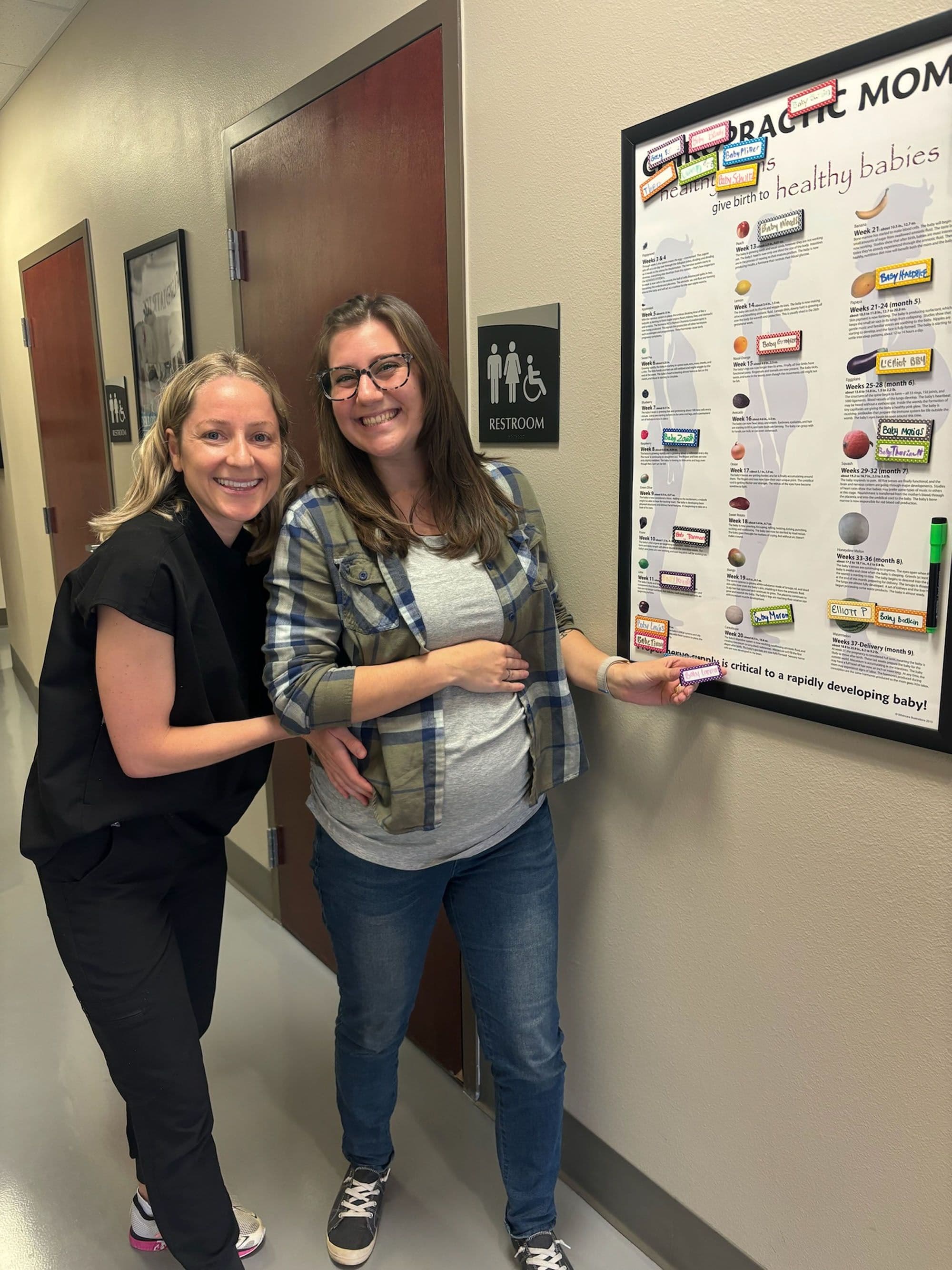
You stand up from the couch, or roll over in bed, and a sharp pull grabs you low on one side of your belly. Or maybe it is a dull ache along your side that just will not quit. Side pain during pregnancy is one of the most common things expecting moms ask us about, and the good news is that most of it comes from your body doing exactly what it should: a growing uterus stretching the ligaments, muscles, and joints around it. Some side pain does need a quick call to your OB or midwife, though, so below we walk through what is usually normal, what right-side and left-side pain can mean, gentle ways to feel more comfortable, and the signs not to wait on. This is educational information, mama, not a diagnosis. Your OB or midwife is always your first call for anything that worries you.
First: When to Call Right Away
Call your OB or midwife, or go to labor and delivery or the ER, if side pain comes with any of these:
- Vaginal bleeding, or fluid leaking
- Cramping or tightening that comes in a regular pattern, gets stronger, or does not ease with rest, especially before 37 weeks
- Severe, constant pain that does not let up, or a belly that feels hard and tender
- Pain under your right ribs along with a bad headache, vision changes, or sudden swelling in your face or hands. These can be signs of preeclampsia.
- Fever, chills, burning with urination, or pain in your back near the ribs, which can point to a kidney infection
- Pain that starts around your belly button and settles low on the right side, with fever, nausea, or vomiting
- In early pregnancy, sharp pain on one side with bleeding, dizziness, fainting, or shoulder-tip pain
- Fewer baby movements than usual
Trust your instincts. If something feels different or wrong, call. Your care team would much rather hear from you.
Is Side Pain Normal During Pregnancy?
Most of the time, yes. Your uterus grows from about the size of a pear to big enough to hold a full-term baby, and everything around it has to stretch and shift to make room. The ligaments that hold your uterus in place lengthen. Your belly muscles separate and stretch. Your ribs flare out, and your pelvis loosens as your body releases relaxin, a hormone that softens ligaments to prepare for birth. All of that change can show up as pulling, aching, or sharp twinges along your sides.
The pattern that usually points to something normal: pain that comes with movement, eases when you rest or change position, and does not come with bleeding, fever, or other symptoms.
Common Causes of Side Pain During Pregnancy
Round ligament pain
This is the big one. The round ligaments run from the top sides of your uterus down into your groin. As your belly grows, they stretch, and a quick movement like standing up, coughing, sneezing, or rolling over can make them spasm. It often feels like a sharp, stabbing, or pulling pain low on one or both sides of your belly that fades within moments to minutes. It is especially common in the second trimester. You can read more on our round ligament pain page and in our deeper article on round ligament pain in pregnancy.
Stretching belly and side muscles
Your oblique muscles wrap around your sides and get stretched as your belly grows. Twisting, reaching, lifting a toddler, or even a long day on your feet can leave them sore and achy.
Rib and upper side pain
Later in pregnancy, your growing baby pushes up against your ribs, and little feet sometimes find a favorite spot to kick. That can create aching or sharp pain high on your side, often on the right. Our article on rib pain during pregnancy covers this in detail.
Gas, bloating, and constipation
Pregnancy hormones slow digestion, and a crowded belly does not help. Trapped gas can cause sharp, wandering pain on either side that eases after you pass gas or have a bowel movement.
Pelvic and low back strain
As relaxin loosens your joints and your center of gravity moves forward, your pelvis and lower back work harder. Strain around the sacroiliac joints can wrap toward your sides and hips, and an irritated nerve can send pain down one leg, which our page on sciatica during pregnancy explains.
Braxton Hicks contractions
These practice tightenings can feel like your whole belly firming up, sometimes with discomfort that seems to sit on one side. They are usually irregular and ease with rest, water, or a change of position. If they become regular or stronger, call your provider.
Right Side vs. Left Side Pain
Right side pain during pregnancy
Many moms notice more pain on the right. One reason is that the uterus naturally tends to rotate slightly to the right as it grows, putting a little more stretch on the right round ligament. Baby kicking up under the right ribs is common too. But the right side is also home to the appendix, gallbladder, and liver, so right side pain with fever, vomiting, pain that keeps getting worse, or pain under the ribs with headache or vision changes needs a call right away.
Left side pain during pregnancy
Left side pain is most often round ligament pain, stretching muscles, or gas, since the lower part of your colon runs down the left side. The same red flags apply: bleeding, fever, regular cramping, or urinary symptoms mean call your provider.
Side pain in early pregnancy
In the first trimester, mild one-sided twinges can come from the uterus beginning to grow or from the ovary that released the egg. But sharp one-sided pain early in pregnancy, especially with bleeding, dizziness, or shoulder-tip pain, needs to be checked right away to rule out an ectopic pregnancy.
Gentle Ways to Ease Side Pain
Every pregnancy and every body is different, so take what feels good and leave the rest.
- Move slowly. Stand up, sit down, and roll over in bed gradually. When you get out of bed, roll to your side first and push up with your arms.
- Brace before a sneeze. If you feel a cough or sneeze coming, bend your hips and knees slightly or press a hand to your side. Many moms find it takes the edge off round ligament twinges.
- Support your belly. A belly band or support belt may take some of the pull off your ligaments, especially on longer days on your feet.
- Pillow up at night. Side sleeping with a pillow between your knees and a small one under your belly can help your pelvis and belly rest more evenly.
- Try warmth, not heat. A warm, not hot, bath or shower may relax tight muscles. Skip heating pads directly on your belly.
- Stretch gently. Slow pelvic tilts on hands and knees, or gentle side bends, can ease tight muscles. Check with your OB or midwife about which movements are right for you.
- Stay hydrated and keep things moving. Water, fiber, and short walks may help with gas and constipation, and good hydration can calm Braxton Hicks.
- Rest when your body asks you to. Growing a baby is real work.
How Prenatal Chiropractic Care Can Support You
Much of the side pain moms feel during pregnancy is about balance. When the pelvis is not moving evenly, one round ligament or one side of the low back can end up under more strain than the other. At Little Roots Pediatric Chiropractic in Lakewood Ranch, our team uses gentle, pregnancy-specific techniques to support balance in your pelvis and spine, with special tables and pillows so you can rest comfortably on your side or back as your belly grows.
We start by listening to what you are feeling and when, and we always work alongside your OB or midwife, never in place of them. If anything you describe sounds like it needs medical attention, we send you to your provider first. You can learn more about our prenatal chiropractic care and the other pregnancy aches we commonly see in the office. Each pregnancy is different, so we take a personalized approach based on what your body is showing us.
Frequently Asked Questions
Is it normal to have side pain during pregnancy?
Yes, very often. Stretching round ligaments, belly muscles, and a growing uterus commonly cause side pain, especially with movement. Pain with bleeding, fever, regular cramping, or pain that will not ease is not normal and needs a call to your provider.
Why do I have right side pain during pregnancy?
The uterus usually tilts slightly to the right as it grows, which can stretch the right round ligament more, and babies often kick up under the right ribs. Because the appendix, gallbladder, and liver sit on the right, call your provider about right side pain with fever, vomiting, or pain under the ribs with headache or vision changes.
Is left side pain during pregnancy normal?
Most left side pain comes from round ligament pain, stretching muscles, or gas. Call your provider if it comes with bleeding, fever, regular tightening, or burning with urination.
Is it normal to have side pain in early pregnancy?
Mild twinges are common as the uterus begins to grow. Sharp one-sided pain with bleeding, dizziness, or shoulder-tip pain needs to be checked right away.
How can I relieve side pain during pregnancy?
Move slowly, brace before you cough or sneeze, sleep on your side with pillows, try a belly support band, rest, and stay hydrated. Gentle prenatal chiropractic care may also help support balance in your pelvis.
You Do Not Have to Just Push Through It
Pregnancy aches are common, but that does not mean you have to grit your teeth through every one. If side pain is making it hard to sleep, move, or enjoy this season, our team would love to help. Book an appointment at Little Roots Pediatric Chiropractic in Lakewood Ranch. We care for moms from Lakewood Ranch, Bradenton, Sarasota, and the surrounding area.
Learn More
Conditions we help with
Related Services
Related Reading
Related articles
Round Ligament Pain in Pregnancy: Gentle, Safe Ways to Find Relief
That sharp, sudden twinge low in your belly when you move? It's likely round ligament pain. Here's what it is and gentle ways to feel more comfortable.
Read articleRib Pain During Pregnancy: Causes and Gentle Relief
Aching, stabbing, or tight ribs as baby grows? Here's why rib pain during pregnancy happens, comfort ideas many moms find helpful, and when to call your OB or midwife.
Read articleSciatica During Pregnancy: Gentle Ways to Find Relief
Shooting pain down your hip or leg during pregnancy is common — and there's a lot you can do about it. Here's why it happens and gentle relief that may help.
Read articleKeep Reading
More for growing families

Lower Back Pain in the Third Trimester: Why It Happens and What May Help
In the final stretch of pregnancy, your lower back carries more than ever. Here is why third-trimester back pain happens, gentle ways to ease it, and how to tell it apart from labor.
Postpartum Hip Pain: Why Your Hips Ache After Baby and What May Help
Hip pain after having a baby is common as your pelvis, joints, and core adjust. Here is why it happens, gentle ways to ease it, and the signs that mean you should call your provider.
Neck Pain During Pregnancy: Why It Happens and Gentle Ways to Ease It
Neck pain during pregnancy usually comes from shifting posture, tough sleep, and tired muscles. Here is why it happens, gentle ways to ease it, and the signs that mean call your provider.
Questions about your child?
Schedule a consultation and let's talk through your family's needs together.
Book a Consultation(941) 932-4611