

Upper Back Pain During Pregnancy: Why It Happens and How to Ease It
Dr. Grayson Fox, DC
Aching between your shoulder blades while pregnant? Learn why upper back pain shows up during pregnancy, gentle ways to ease it at home, and the signs that mean it is time to call your provider.
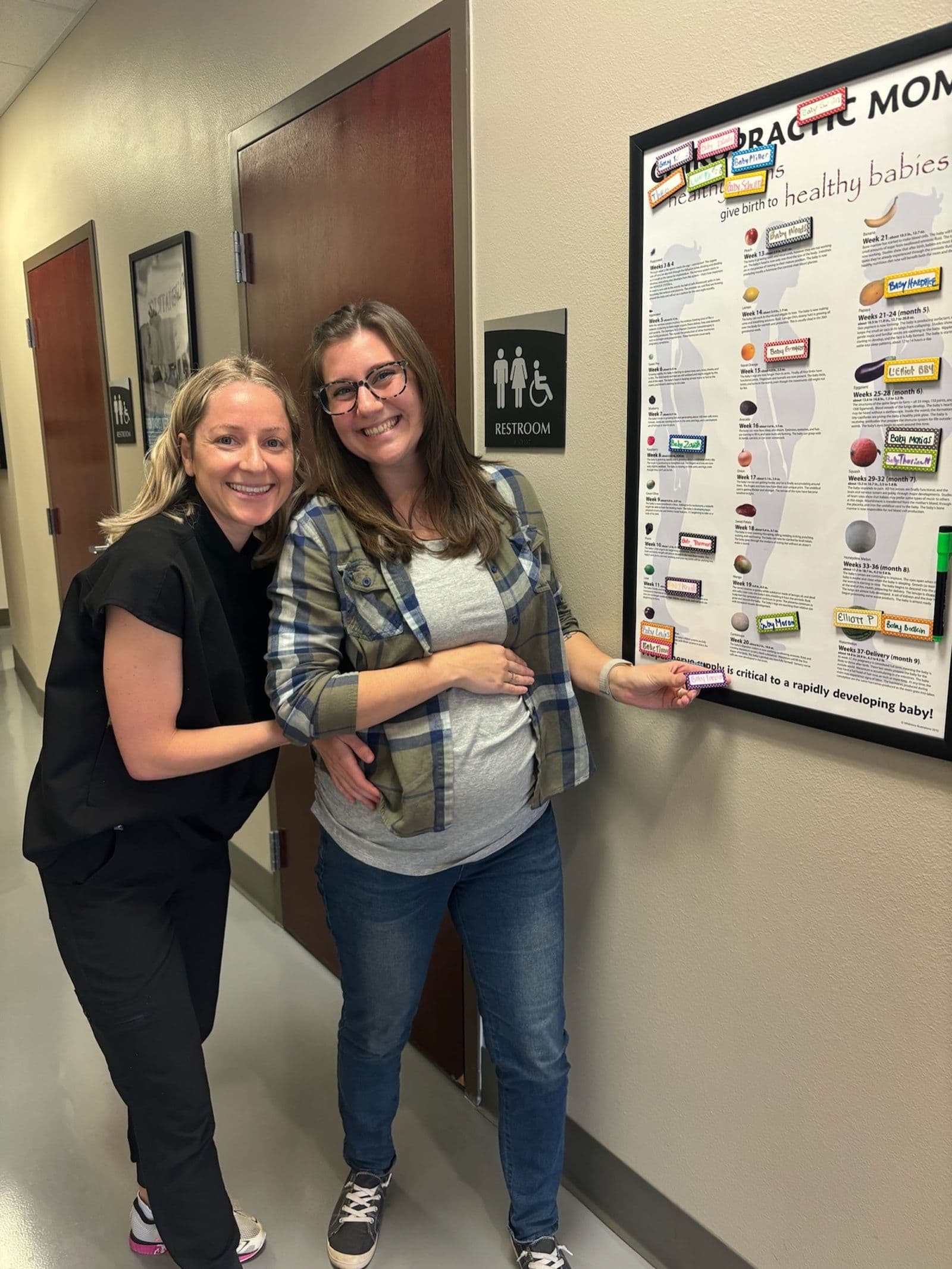
Everyone warned you about lower back pain. Nobody mentioned the burning ache between your shoulder blades, the tight knot at the base of your neck, or the way your upper back feels heavy by the end of the day. Upper back pain during pregnancy is very common, mama, and it usually comes from the real, physical changes your body is making to grow your baby: a growing chest, a shifting center of gravity, looser ligaments, and a rib cage that is making room. The good news is that there is a lot you can do to ease it, and most of it is gentle. Below, our team walks through why upper back pain shows up, simple ways to find relief at home, and the signs that mean it is time to call your OB or midwife. This is educational information, not a diagnosis.
Why Does Upper Back Pain Happen During Pregnancy?
Your body is doing remarkable work, and your upper back is helping carry the load in more ways than one.
A heavier, growing chest
Breast tissue grows early in pregnancy to prepare for feeding. That extra weight in front pulls your shoulders forward and asks the muscles between your shoulder blades to work harder all day long to hold you upright.
A shifting center of gravity
As your belly grows, your lower back tends to arch more. To keep your eyes level, your upper back and neck often round forward to balance it out. That chain reaction can leave the muscles of the mid and upper back tight and tired.
Relaxin and looser ligaments
Pregnancy hormones such as relaxin help soften ligaments so your pelvis can open for birth. Those changes are not limited to your pelvis, so joints throughout your spine and rib cage can feel less stable, and the muscles around them often tighten to compensate.
Your rib cage is making room
Later in pregnancy, your growing baby pushes up toward your diaphragm and your ribs flare outward. The small joints where your ribs meet your spine can feel achy or sharp, especially when you take a deep breath or twist. Our post on rib pain during pregnancy goes deeper on this.
Sleep and daily posture
Sleeping on your side for months, nursing an older child, carrying a toddler on one hip, or working at a desk can all add strain to the upper back. Fatigue makes it harder to hold good posture, which adds up by evening.
Stress
Pregnancy brings a lot to think about. Stress tends to settle in the shoulders and upper back, and shallow chest breathing keeps those muscles switched on. Our page on mom stress explores how your nervous system handles that load.
Is Upper Back Pain a Sign of Early Pregnancy?
It can be part of the picture for some women. Hormonal shifts and early breast changes can cause aches between the shoulder blades in the first trimester, and fatigue can make posture harder to hold. But upper back pain is also common for many reasons that have nothing to do with pregnancy, so it is not a reliable sign on its own. A pregnancy test and a conversation with your provider are the way to know.
When to Call Your OB or Midwife
Most upper back pain in pregnancy is muscular and harmless, but some symptoms need a medical look right away. Call your OB or midwife promptly, or go to labor and delivery, if upper back or shoulder pain comes with:
- Pain under your right ribs or in your upper right belly, especially with headache, vision changes, or sudden swelling in your face or hands
- Fever, chills, or pain in your side or back with burning when you pee
- Pain that is severe, constant, and not eased by changing position
- Regular tightening, cramping, bleeding, or leaking fluid
Call 911 for chest pain, sudden shortness of breath, coughing up blood, or pain with a racing heart. These are rare, but they are not things to wait out.
How to Relieve Upper Back Pain During Pregnancy
Every pregnancy is different, so try these gently and skip anything that does not feel right. Check with your OB or midwife before starting any new exercise.
- Open your chest. Stand in a doorway with your forearms on the frame and lean forward gently until you feel a stretch across your chest. Tight chest muscles are often what pulls your upper back into a rounded shape.
- Squeeze your shoulder blades. Several times a day, gently draw your shoulder blades back and down, hold for a few breaths, and release.
- Try cat-cow on hands and knees. Slowly round and then gently lengthen your spine. This position also takes some weight off your back.
- Wear a supportive bra. A well-fitted, supportive bra, including at night if it helps, can take real load off your upper back as your chest changes.
- Use warmth, not heat. A warm (not hot) shower or a warm compress on your upper back can help tight muscles relax. Avoid hot tubs and saunas.
- Set up your workspace. Raise your screen to eye level, keep your feet supported, and take short movement breaks.
- Breathe low and wide. Slow breaths that expand your ribs out to the sides can ease tension in your upper back and help your nervous system settle.
- Share the carrying. Switch hips when you hold a toddler, and let someone else take the heavy grocery bags when you can.
How to Sleep With Upper Back Pain While Pregnant
Side sleeping is usually recommended as pregnancy progresses, but it can leave your top shoulder rolling forward and your upper back twisted. A few small changes can help:
- Hug a pillow in front of your chest so your top arm and shoulder stay supported and level.
- Use a pillow that keeps your head in line with your spine, not tipped down toward the mattress.
- Try a full-length pregnancy pillow to support your belly, back, and knees at the same time.
- Switch sides through the night when you can.
Our guide to the best sleep positions during pregnancy has more ideas for getting comfortable.
How Prenatal Chiropractic Care Can Help
At Little Roots Pediatric Chiropractic in Lakewood Ranch, our team supports moms through every stage of pregnancy. Upper back pain is one of the many kinds of pain during pregnancy we see in the office, and we look at it as part of the whole picture, from your pelvis to your rib cage to your neck.
Your visit starts with listening: where you feel it, when it shows up, and what your days and nights look like. Our prenatal care includes a gentle neurological evaluation and a look at how your spine, ribs, and pelvis are moving. Care is adapted for pregnancy, with comfortable positioning and gentle, low-force techniques, including the Webster Technique when it is a fit. We work alongside your OB or midwife, and if anything suggests you need a medical evaluation, we will tell you and help you connect with the right provider.
Every mama and every pregnancy is different. We take a personalized approach based on what your body and nervous system are showing us, and we never promise a specific outcome.
Frequently Asked Questions
How do I relieve upper back pain during pregnancy?
Gentle chest stretches, shoulder blade squeezes, a supportive bra, warm (not hot) compresses, a better pillow setup, and short movement breaks may all help. Prenatal chiropractic care is another gentle option many moms find helpful. Check with your provider before starting new exercises.
Is upper back pain a sign of early pregnancy?
It can happen in early pregnancy because of hormonal and breast changes, but it is not a reliable sign by itself. Many things cause upper back pain. A pregnancy test and your provider can give you a clear answer.
Can I get upper back pain in the third trimester?
Yes. As your baby grows, your ribs flare, your center of gravity shifts, and your upper back often rounds to balance your belly. That combination makes upper back and rib aches common later in pregnancy.
Is upper back pain during pregnancy ever serious?
Usually it is muscular. But pain under the right ribs with headache, vision changes, or swelling, pain with fever or burning when you pee, or chest pain and shortness of breath need medical care right away.
Is chiropractic care safe for upper back pain during pregnancy?
Prenatal chiropractic care uses gentle techniques and positioning adapted for pregnancy. Our team works alongside your OB or midwife and will always let you know if something needs a medical look first.
You Do Not Have to Just Push Through It
Upper back pain can make an already big season feel even harder, and you deserve to feel supported. Book an appointment with our team at Little Roots in Lakewood Ranch. We will listen, take a gentle look, and help you feel more comfortable in your changing body. We welcome moms from Lakewood Ranch, Bradenton, and Sarasota.
Related Services
Related Reading
Related articles
Pregnancy Back Pain Relief: Why It Happens and How Prenatal Chiropractic Helps
Back pain during pregnancy is one of the most common complaints — and one of the most dismissed. Here's what's actually happening in your body and how prenatal chiropractic care can help.
Read articleRib Pain During Pregnancy: Causes and Gentle Relief
Aching, stabbing, or tight ribs as baby grows? Here's why rib pain during pregnancy happens, comfort ideas many moms find helpful, and when to call your OB or midwife.
Read articleBest Sleep Positions During Pregnancy: A Gentle Guide
Comfortable sleep gets harder as pregnancy progresses. Here's a gentle, trimester-by-trimester guide to sleep positions during pregnancy — and why.
Read articleKeep Reading
More for growing families

Lower Back Pain in the Third Trimester: Why It Happens and What May Help
In the final stretch of pregnancy, your lower back carries more than ever. Here is why third-trimester back pain happens, gentle ways to ease it, and how to tell it apart from labor.
Postpartum Hip Pain: Why Your Hips Ache After Baby and What May Help
Hip pain after having a baby is common as your pelvis, joints, and core adjust. Here is why it happens, gentle ways to ease it, and the signs that mean you should call your provider.
Neck Pain During Pregnancy: Why It Happens and Gentle Ways to Ease It
Neck pain during pregnancy usually comes from shifting posture, tough sleep, and tired muscles. Here is why it happens, gentle ways to ease it, and the signs that mean call your provider.
Questions about your child?
Schedule a consultation and let's talk through your family's needs together.
Book a Consultation(941) 932-4611