

Optimal Fetal Positioning: What It Means and How to Support It
Dr. Grayson Fox, DC
Wondering what "optimal fetal positioning" means and whether there's anything gentle you can do to support it? Here's a parent-first guide to baby's position before birth.
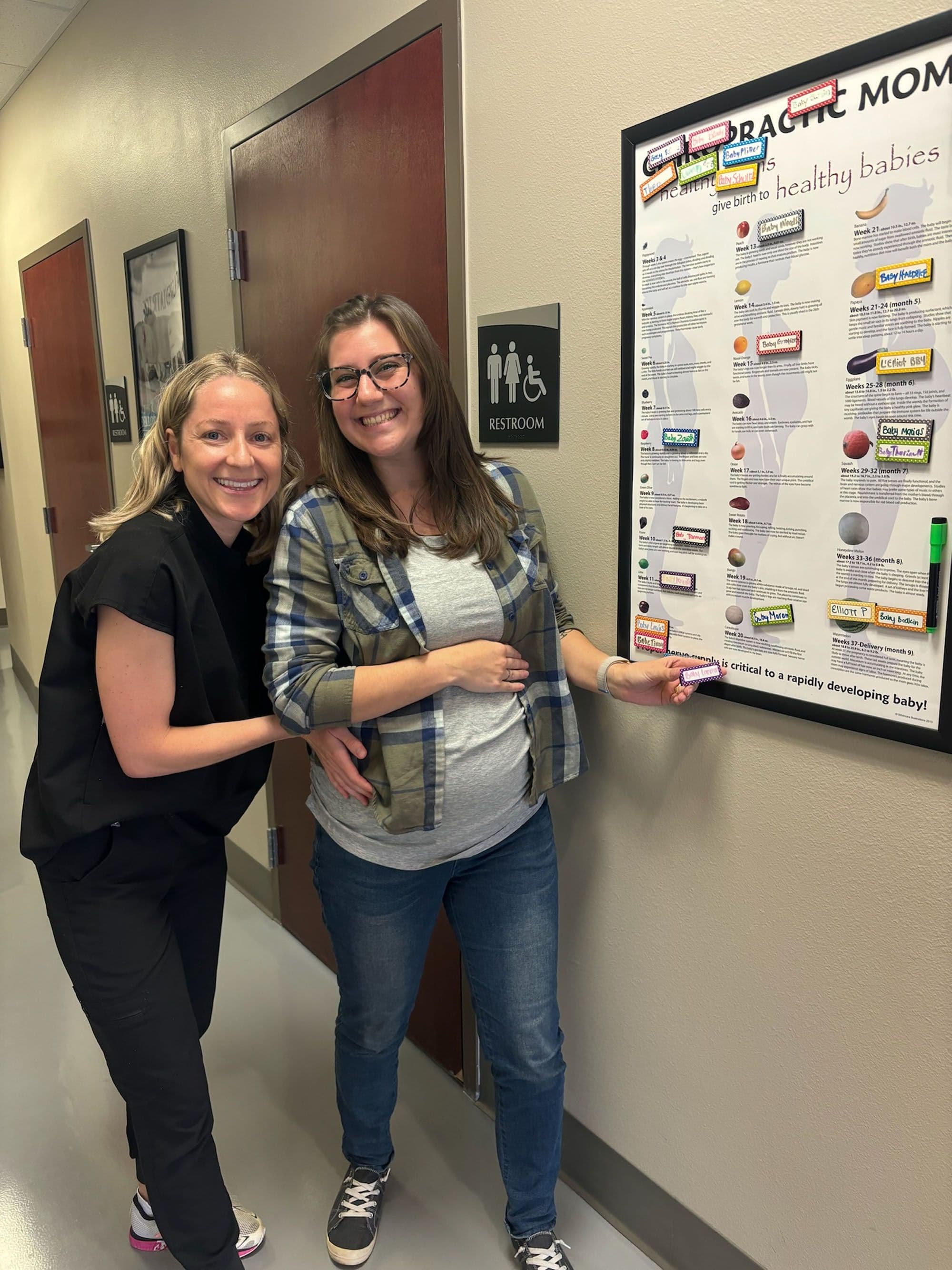
If you're in your third trimester, you've probably started hearing about "optimal fetal positioning" — from a birth class, a friend, or a late-night search when you couldn't sleep. In simple terms, optimal fetal positioning means your baby is head-down and facing your back (called anterior), which is generally considered the most favorable position for labor to get started and progress smoothly. Here's what that actually means, why position matters, and some gentle, evidence-informed ways parents support it.
What Does "Optimal Fetal Positioning" Mean?
By the third trimester, most babies settle into a head-down position, but head-down isn't the whole story — which way your baby is facing matters too. In an anterior position, your baby's back is toward your belly, which tends to allow the head to tuck and move through the pelvis more smoothly during labor. In a posterior position (sometimes called "back-to-back" or "sunny-side up"), your baby's back is toward your spine, which can sometimes mean a longer or more uncomfortable labor — though plenty of babies in a posterior position are born without any extra difficulty at all.
Why Position Matters for Labor
When your baby is anterior, their head is generally better aligned to apply even pressure on your cervix, which can support labor starting and progressing on its own. A posterior or breech position doesn't mean labor can't happen naturally — many parents go on to have smooth vaginal births regardless — but it's part of why care providers pay attention to fetal position as your due date approaches, and why some parents look for gentle ways to encourage a more favorable position in the weeks leading up to labor.
Common Baby Positions in Late Pregnancy
A few terms you may hear at your prenatal appointments:
- Anterior (occiput anterior): Head-down, facing your back — generally the most favorable position
- Posterior (occiput posterior): Head-down, facing your belly — can sometimes mean a longer or more uncomfortable labor
- Breech: Baby is bottom- or feet-first rather than head-down — read more in our guide to breech positioning and the Webster Technique
- Transverse: Baby is lying sideways across the uterus
Most babies shift positions multiple times throughout pregnancy, and many find their way to a more favorable position on their own as your due date nears.
Gentle Ways Parents Support Optimal Positioning
There's no guaranteed way to control which way your baby settles, but many parents find these gentle daily habits worth building into the last trimester:
- Mind your sitting posture. Deeply reclined positions (like a soft couch) can encourage a posterior position over time; sitting upright with your knees below your hips gives your baby a bit more room to settle forward.
- Try forward-leaning rest. Leaning over a birth ball, the back of a chair, or your kitchen counter for a few minutes here and there is a gentle way to invite your baby's back forward.
- Get on hands and knees periodically. Especially in the evening, a few minutes on hands and knees (during a favorite show, for example) is a low-effort way to work with gravity.
- Stay active with movement you enjoy. Walking and swimming are both patterns many parents find comfortable and supportive in the final stretch.
- Rest on your side, not your back. Side-lying rest is generally more comfortable in late pregnancy and avoids extended time flat on your back.
Every pregnancy is different, and what feels good for one parent may not for another — these are gentle options to try, not a strict checklist.
How Prenatal Chiropractic Care Fits In
Our prenatal care uses the Webster Technique, a gentle, specific chiropractic approach focused on pelvic balance, provided by the Webster Technique-certified doctors on our team. The idea behind it is straightforward: when your pelvis and surrounding ligaments are balanced and moving well, your baby has more room to settle into a favorable position on their own, using their own natural movement. Care is gentle and specific — not forceful. It's worth being upfront that no approach, including chiropractic care, can guarantee your baby's final position; what our team can offer is support for a more balanced, comfortable pelvis as your body and your baby do the rest of the work together.
When to Talk to Your OB or Midwife
Fetal position is a normal part of every prenatal visit in the third trimester, and your OB or midwife is your primary resource for tracking it and discussing your options as your due date approaches. Reach out to your provider promptly if you notice a sudden change in your baby's movement patterns, if you're unsure of your baby's position and feeling anxious about it, or if you have any bleeding, fluid leakage, or other symptoms that feel outside the ordinary. A gentle, supportive approach to positioning works alongside your OB or midwife's care, not in place of it.
Frequently Asked Questions
What is optimal fetal positioning? It refers to your baby being head-down and facing your back (anterior), which is generally considered the most favorable position for labor to start and progress smoothly.
When does baby's position matter most? Position becomes most relevant in the third trimester, especially as you get closer to your due date, though many babies continue shifting position until labor begins.
Can you tell if your baby is posterior? Some parents notice more kicks toward the front of the belly or a different pattern of movement, but the most reliable way to know is through your OB or midwife's exam — don't rely on guesswork alone.
Does chiropractic care guarantee a certain fetal position? No approach can guarantee your baby's final position. Prenatal chiropractic care using the Webster Technique focuses on supporting pelvic balance, giving your baby's own natural movement more room to work with.
Is it too late to encourage positioning if I'm close to my due date? Many parents start these gentle habits in the final weeks of pregnancy. It's never too late to try comfortable, low-effort options like posture awareness and side-lying rest — just check in with your provider about what's appropriate for your specific pregnancy.
If you'd like to talk through your baby's position or learn more about prenatal chiropractic care, book an appointment with our team at Little Roots Pediatric Chiropractic in Lakewood Ranch, or call us at (941) 932-4611.
Little Roots Pediatric Chiropractic, 8209 Natures Way, Unit 117, Lakewood Ranch, FL 34202.
Learn More
Conditions we help with
Related Services
Keep Reading
More for growing families
Restless Legs During Pregnancy: Why It Happens and Gentle Ways to Find Relief
Restless, achy legs at night are one of the most common pregnancy complaints — here's why they happen and gentle, provider-approved ways to find relief.
Chiropractic Care During a Twin or Multiples Pregnancy
Carrying twins or multiples puts extra strain on your back, hips, and pelvis, often earlier than a single pregnancy typically does. Here's how gentle, Webster-certified prenatal care may help.
Carpal Tunnel During Pregnancy: Why It Happens and Gentle Ways to Find Relief
Numb, tingling hands aren't just in your head — carpal tunnel during pregnancy is common in the third trimester. Here's why it happens and how to find relief.
Questions about your child?
Schedule a consultation and let's talk through your family's needs together.
Book a Consultation(941) 932-4611