

Developmental Delays: What's Normal and When to Look Closer
Dr. Grayson Fox, DC
Every child hits milestones at a slightly different pace. Here's how to tell normal variation from a pattern worth a closer look, and how gentle nervous-system support fits in.
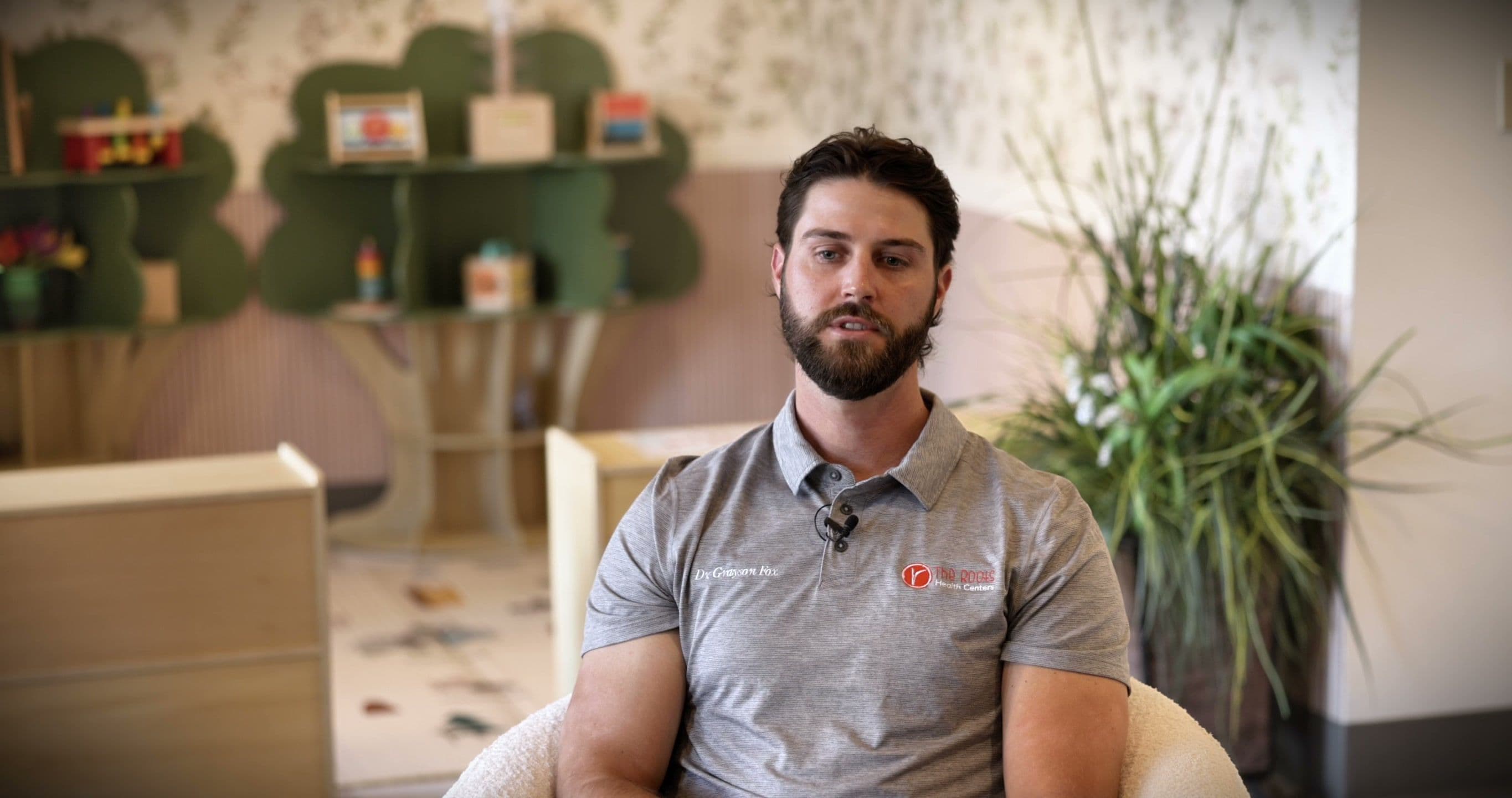
"Should I be worried?" is one of the questions we hear most from parents at Little Roots — usually after a well-meaning relative compares their child to a cousin, or a parenting app flags a milestone that hasn't shown up yet. Every child develops at their own pace, and a lot of normal variation gets mistaken for a developmental delay. But sometimes a pattern really is worth a closer look. Here's how to tell the difference, and what gentle, nervous-system-focused support can look like either way.
What "Developmental Delay" Actually Means
A developmental delay describes a child who isn't reaching expected milestones in one or more areas — gross motor skills like sitting and walking, fine motor skills like grasping and stacking, speech and language, or social and emotional development — within the general range most children reach them. It's a broad umbrella term, not a diagnosis on its own, and it can range from something a child catches up on with time to a sign of a condition that benefits from earlier, more specific support. That range is exactly why watching the pattern matters more than reacting to any single missed milestone.
Normal Variation vs. a Pattern Worth Watching
Children reach milestones across a genuinely wide window, and being on the later end of normal isn't the same as a delay. We've written separately about the general range for crawling, sitting, and walking if you want a broader sense of typical timing. A few things tend to shift a "probably fine" into "worth a closer look": losing a skill your child previously had, rather than simply being slow to gain a new one; a gap across multiple areas at once rather than being behind in just one; or a caregiver's own persistent sense that something feels different, even without being able to name exactly what. Parents' instincts about their own children are worth taking seriously — you spend more time observing your child than anyone else does.
The Different Areas of Development
It helps to think of development across a few separate tracks, since a child can be right on pace in one area and a little behind in another. Gross motor skills cover the big movements — rolling, sitting, crawling, walking, and eventually running and jumping. Fine motor skills cover smaller, more precise movements — grasping a toy, using a pincer grip, stacking blocks, and later holding a crayon. Speech and language covers both understanding what's said to them and their own ability to communicate, whether through sounds, gestures, or words. Social and emotional development covers things like eye contact, responding to their name, and engaging with caregivers. A child who's a little behind in one track while right on pace in the others is a very different picture than a child who's behind across several tracks at once — which is exactly why looking at the whole child matters more than any single checkbox.
Where Sensory Processing Fits In
Sometimes what looks like a delay is actually a difference in how a child is taking in and organizing sensory information — how they respond to touch, movement, sound, or new environments. Sensory processing differences can affect how a child engages with activities that build motor and social skills, which can make development look delayed even when the underlying ability is there. It's one more reason a broad, unhurried look at the whole child tends to be more useful than measuring against a single checklist.
When to Loop In Your Pediatrician
If you're noticing a genuine pattern — a skill that was lost, a gap across more than one area, or a persistent gut feeling — the next step is a conversation with your pediatrician, who can refer you for formal developmental screening if it's warranted. We're not the right team to diagnose a developmental delay, and we won't pretend otherwise. What we can do is take a gentle look at how your child's nervous system is functioning as one part of a bigger picture your pediatrician and any specialists are building together.
How Nervous-System-Focused Care Fits In
At Little Roots, our pediatric wellness evaluation looks at how your child's nervous system is functioning — how they're moving, tolerating touch, and regulating overall — using techniques built specifically for children, nothing like an adult adjustment. We don't position this as a treatment for a developmental delay itself; we position it as support for the nervous system alongside whatever else your child's care team is doing. Each child is different, and we take a personalized approach based on what your child's own evaluation shows, without promising a specific timeline or outcome.
Supporting Development Day to Day
A few things tend to help regardless of where your child falls on the spectrum of normal: plenty of unstructured floor time and movement, since motor skills build on repetition more than instruction; following your child's own interests rather than pushing a specific skill; narrating what you're doing throughout the day, since hearing language modeled in context supports speech development even before a child is talking back; and resisting the urge to constantly compare your child's pace to a sibling's, a cousin's, or an app's percentile chart. Development isn't a race, and the range of normal is wider than most milestone lists make it look. Screen time is worth a mention here too — plenty of pediatric guidance points toward more hands-on, face-to-face interaction and less passive screen exposure in the early years, simply because so much of early development happens through back-and-forth interaction that a screen can't replicate.
Frequently Asked Questions
What's the difference between a developmental delay and being a "late bloomer"? A late bloomer typically catches up within the wide normal range with time. A delay tends to involve a wider gap, a lost skill, or a pattern across more than one area — which is why watching the pattern matters more than any single milestone.
Can a pediatric chiropractor diagnose a developmental delay? No. Diagnosis belongs with your pediatrician and, if needed, a developmental specialist. Our role is to support nervous-system function alongside that care, not to replace it.
Should I wait and see, or ask for an evaluation now? If something feels genuinely off, a persistent gut feeling is reason enough to bring it up with your pediatrician. Early conversations cost nothing and can only help.
Can sensory processing differences look like a developmental delay? Yes — a child who processes sensory input differently may engage less with activities that build certain skills, which can look like a delay even when the underlying ability is developing normally.
Can chiropractic care resolve a developmental delay? No — nervous-system-focused care doesn't resolve a developmental delay on its own, and we wouldn't want you to expect that. Nervous-system-focused care is meant to be a gentle, supportive piece of a broader picture your pediatrician and any specialists are helping you build.
If you're watching a pattern in your child's development and want a gentle, unhurried look at how their nervous system is functioning, our team is glad to listen to what you've been noticing. Book an appointment at Little Roots Pediatric Chiropractic in Lakewood Ranch.
Little Roots Pediatric Chiropractic, 8209 Natures Way, Unit 117, Lakewood Ranch, FL 34202. (941) 932-4611.
Learn More
Conditions we help with
Developmental Delays
Motor milestones, speech development, cognitive processing — all of it runs through a nervous system. When that system holds structural tension, it can limit what's available to your child. Gentle care creates more capacity, and more capacity compounds.
Learn moreSensory Processing
Sensory processing isn't a personality quirk — it's the nervous system trying to filter a world that feels overwhelming. Care that calms the system gives your child more room to be themselves.
Learn moreRelated Services
Related Reading
Related articles
Baby Milestones: Crawling, Sitting, and Walking — What to Expect
Sitting, crawling, and walking all happen on a wide, normal range. Here's what baby milestones typically look like and when a closer look is worth it.
Read articleSensory Processing in Kids: A Gentle, Drug-Free Lens for Parents
Meltdowns over tags, loud rooms, or nonstop movement-seeking? A gentle, drug-free look at sensory processing in kids and how our team approaches it.
Read articleChiropractic and ADHD: A Nervous-System Lens
Chiropractic care isn't a treatment for ADHD — but it can offer a nervous-system-focused lens that complements your child's care team. Here's an honest look.
Read articleKeep Reading
More for growing families
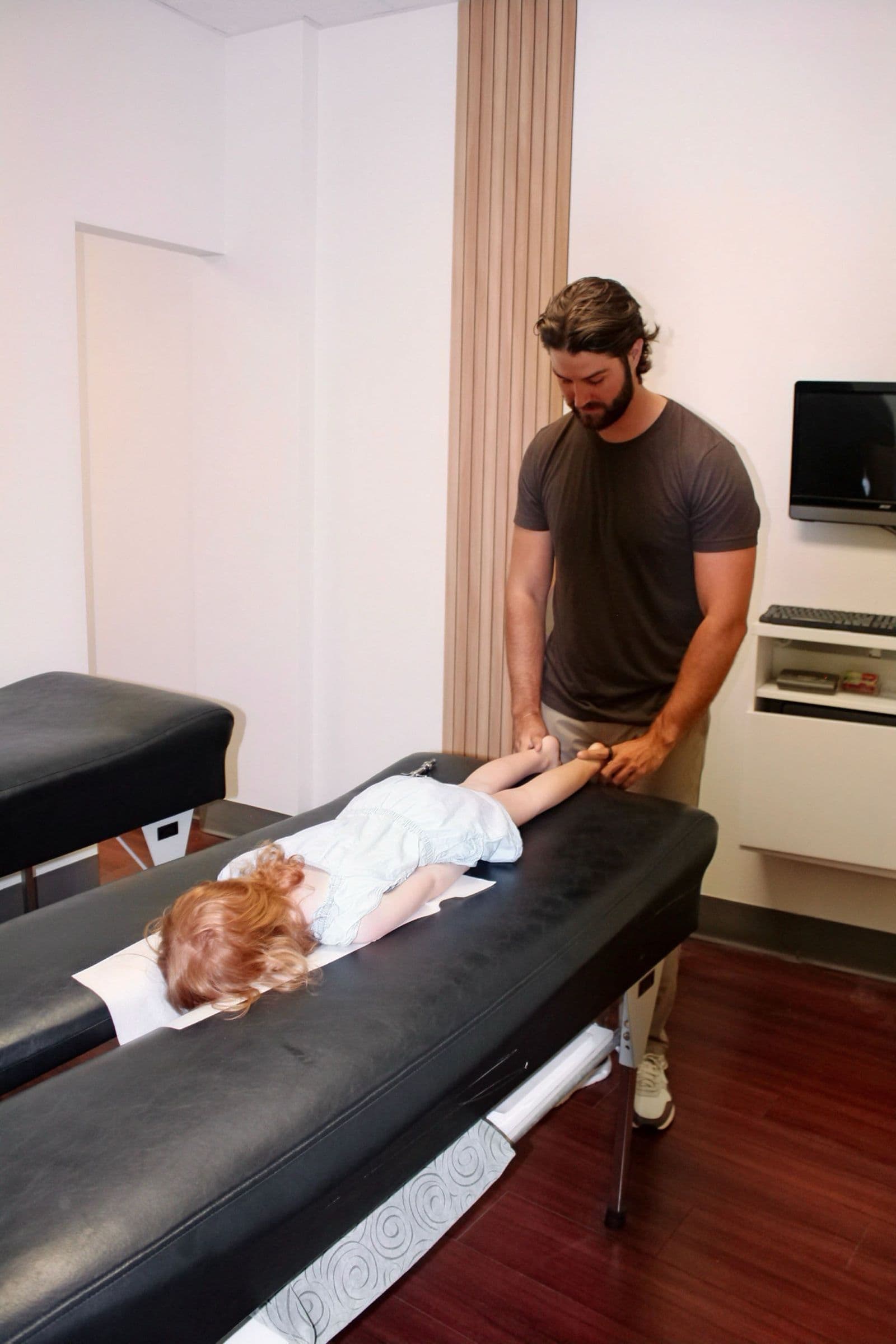
Container Baby Syndrome: Why Too Much Time in Seats and Carriers Matters
Car seats and bouncers have their place, but too much time in "containers" can affect how babies move and develop. Here's what to watch for.

What to Expect at Your Baby's First Pediatric Chiropractic Visit
A step-by-step walkthrough of what actually happens at your baby's first pediatric chiropractic visit — the conversation, the gentle evaluation, and what care looks like for an infant.
Seasonal Allergies in Kids: A Gentle, Nervous-System-Supportive Approach
Seasonal allergies in kids often show up as a runny nose, congestion, or a child who just seems "off" for weeks. Here's what's happening and gentle, drug-free ways to offer support.
Questions about your child?
Schedule a consultation and let's talk through your family's needs together.
Book a Consultation(941) 932-4611