
Pregnancy Bloating and Gas: Why It Happens and Gentle Ways to Cope
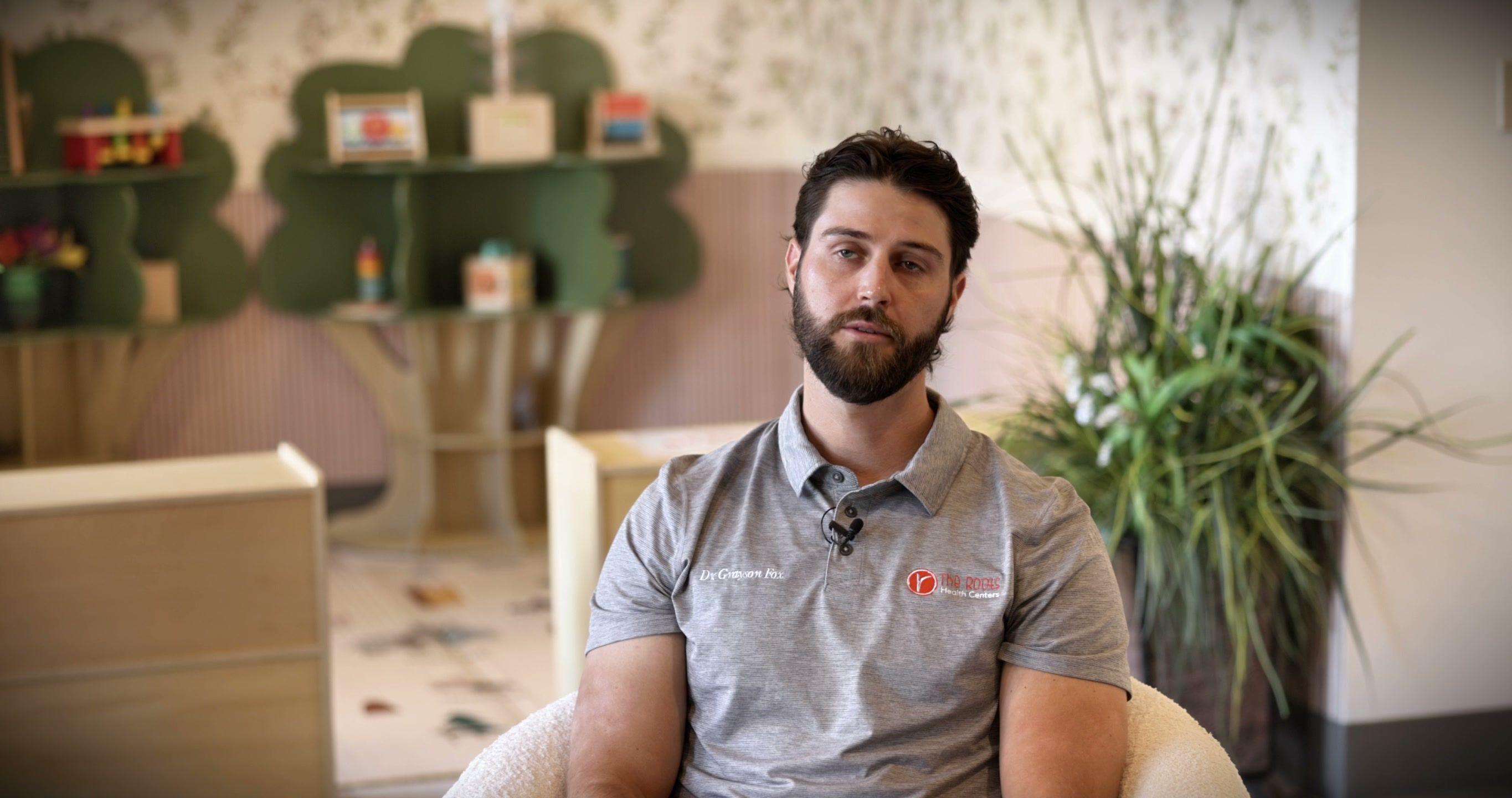
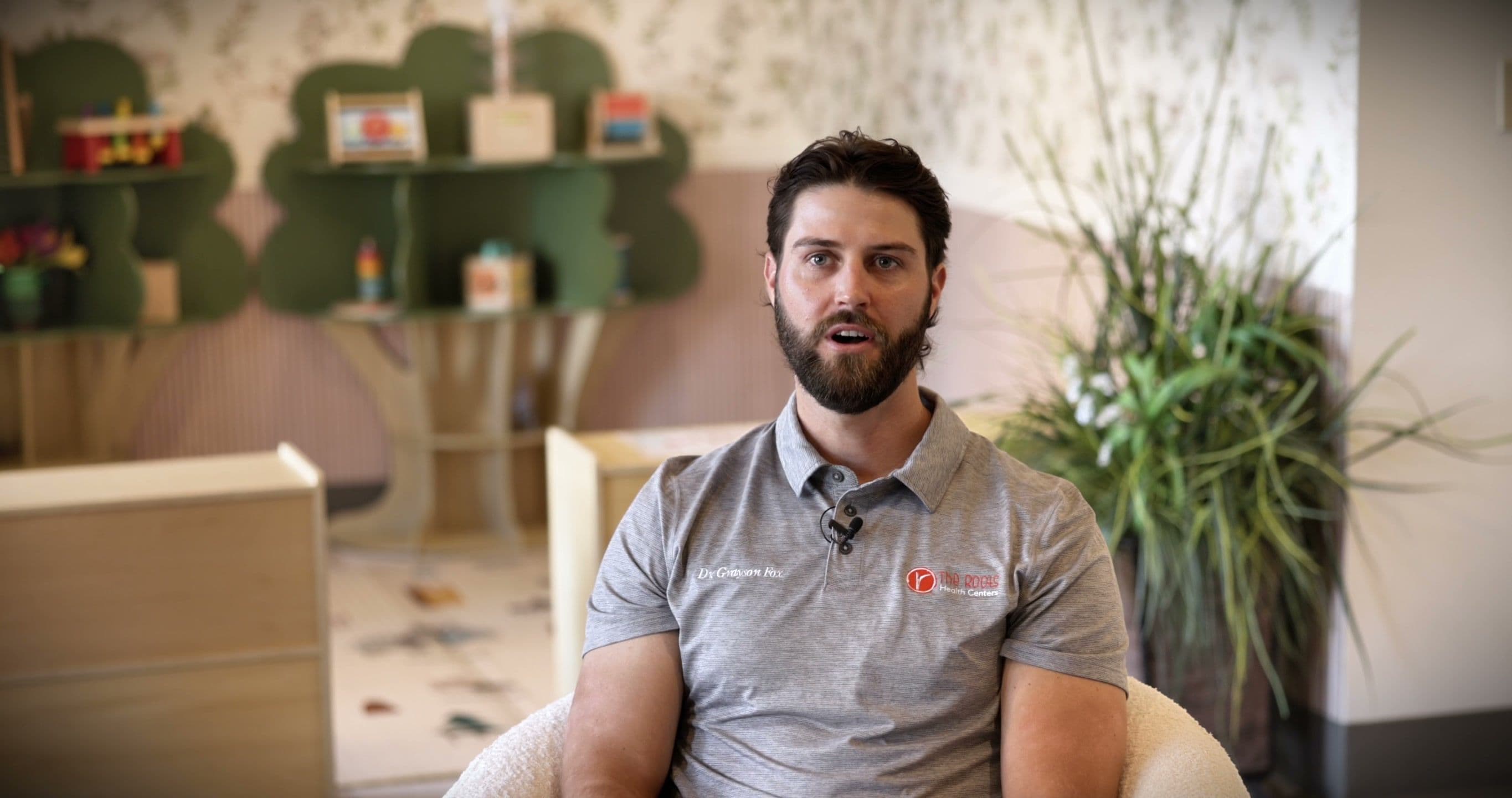
Dr. Grayson Fox, DC
Pregnancy bloating and gas are common and uncomfortable. Learn why they happen, how to tell bloating from baby growth, gentle ideas to try, and when to call your OB or midwife.
Your waistband feels tighter by dinner, your belly feels full even after a small meal, and the gas pains seem to have a mind of their own. Pregnancy bloating and gas are some of the most common and least glamorous parts of expecting. The short answer: rising progesterone slows digestion, and a growing uterus crowds the organs around it, so food and air move through more slowly and gas builds up. Below, we cover why it happens, how bloating differs from normal growth, gentle ideas that may help, and the signs that mean it is time to call your OB or midwife. This is educational information from our team at Little Roots in Lakewood Ranch, not medical advice or a diagnosis.
Why Pregnancy Bloating and Gas Happen
Bloating in pregnancy is rarely about one thing. It is usually a few changes working together.
- Progesterone. This hormone relaxes smooth muscle, including the muscle in your digestive tract. Slower movement means more time for gas to build.
- A growing uterus. As it expands, it presses on the stomach and intestines, which can leave you feeling full quickly and gassy afterward.
- Swallowed air. Eating fast, sipping through straws, and nausea-related gulping can add air.
- Constipation. When stool moves slowly, gas trapped behind it adds to the pressure. Our post on pregnancy constipation covers that connection.
- Heartburn and reflux. Many people burp more and feel bloated with them. See heartburn during pregnancy.
- Prenatal supplements. Some people notice more digestive discomfort with certain supplements. Talk with your provider before changing anything.
When Does Pregnancy Bloating Start?
Many people notice bloating very early, sometimes before a positive test, because progesterone rises quickly. Every pregnancy is different, so there is no exact timetable.
First trimester
Bloating is often at its most noticeable early on, before the baby bump is visible. It can feel like a premenstrual puffiness that does not go away. Nausea often travels alongside it, and our post on pregnancy nausea covers that side.
Second trimester
Many people feel a little relief, though gas can continue as the uterus rises out of the pelvis and begins pressing upward.
Third trimester
As the baby grows, the stomach has less room, so smaller meals feel like more. Gas and pressure under the ribs are common. Rib discomfort is its own topic, and our post on rib pain during pregnancy can help you sort the two apart.
Bloating, Gas, or Baby Growth?
It can be hard to tell the difference between a growing belly and a bloated one. A few clues may help:
- Bloating tends to fluctuate, often worse in the evening and after meals, and softer in the morning.
- Gas pain often moves around and may ease after passing gas or a bowel movement.
- A growing uterus feels firm and steady low in the abdomen and does not come and go.
If you are not sure, ask your OB or midwife to show you what is normal for your stage.
Gentle Ways to Cope
There is no single fix, and no approach works for everyone. These are ideas to talk through with your OB or midwife and try at your own pace.
- Eat smaller, more frequent meals. Smaller portions can feel easier on a crowded stomach.
- Slow down at the table. Chewing well and eating calmly means less swallowed air.
- Notice your triggers. Some people find certain foods, such as beans or carbonated drinks, make gas worse. A simple food and symptom note can help you spot patterns.
- Stay hydrated. Water supports healthy digestion. Ask your provider how much is right for you.
- Include fiber gradually. Fruits, vegetables, and whole grains can support regularity, but adding a lot at once can increase gas.
- Move gently. A short, easy walk after meals often helps. Check with your provider about what activity is right for you.
- Loosen what squeezes. Comfortable, stretchy clothing takes pressure off the belly.
- Try a warm, calm wind-down. Stress tightens the gut, so rest and relaxation matter more than they sound.
Simple strategies like these tend to help most when combined. Please check with your provider before taking any over-the-counter product or supplement.
When to Call Your OB or Midwife
Bloating and gas are usually normal, but contact your OB or midwife promptly if they come with:
- Severe or constant abdominal pain, or pain that is one-sided and sharp
- Fever, chills, or vomiting you cannot control
- Blood in the stool, or black or tarry stool
- Sudden swelling in the face or hands, a severe headache, or vision changes
- Rapid abdominal swelling, or bloating with decreased urination
- Regular tightening or cramping in the belly. Our post on Braxton Hicks versus real contractions can help you tell the difference, but call if you are unsure.
- Decreased baby movement later in pregnancy
If something feels off, trust your instincts and call. You never need to apologize for checking in.
How Our Team Supports Expecting Moms
At Little Roots Pediatric Chiropractic in Lakewood Ranch, our team works alongside your OB or midwife, not in place of them. When a mom tells us her belly feels uncomfortable, we listen to the whole story: how she is eating and sleeping, where she hurts, how her back, ribs, and pelvis feel, and what her days look like. A body under physical strain from pregnancy can feel more uncomfortable overall, so we look at how the spine and pelvis are moving and offer gentle, pregnancy-appropriate care using techniques designed for expecting moms.
We do not promise that care will change digestion, and we do not make promises about timelines. Our goal is to support comfort and how your body adapts as it changes. You can learn more about our prenatal care and how our team approaches pain during pregnancy. If stress is part of the picture, our mom stress page may be a helpful read.
Frequently Asked Questions
Is bloating normal in early pregnancy?
Yes. Rising progesterone slows digestion, and many people feel bloated within the first weeks. It is one of the most common early changes.
Why am I so gassy during pregnancy?
Progesterone relaxes the digestive tract, so food moves more slowly and gas builds up. As the uterus grows, it also presses on the intestines.
When does pregnancy bloating go away?
It varies. Some people feel relief in the second trimester, and many notice it returns as the baby grows. It usually settles after delivery.
How can I tell bloating from the baby bump?
Bloating tends to come and go through the day, while a growing uterus feels firm and steady. Your OB or midwife can show you the difference.
Can a chiropractor help with pregnancy bloating?
Our team offers gentle, pregnancy-appropriate care aimed at supporting comfort and how your body adapts. We cannot promise it will change digestion, and we always encourage you to talk with your OB or midwife about digestive symptoms.
Want Gentle Support During Pregnancy?
If your back, ribs, or pelvis are adding to the discomfort, our team would be glad to meet you. Book an appointment and we will listen first, then talk through what may help.
Related Services
Related Reading
Related articles
Pregnancy Constipation: Why It Happens and Gentle Ways to Help
Backed up and uncomfortable? Here's why constipation is so common in pregnancy, gentle food and movement ideas to ask about, and when to call your OB or midwife.
Read articleHeartburn During Pregnancy: Why It Happens and Gentle Ways to Find Relief
That burning feeling behind your breastbone during pregnancy is common — and there's a lot you can do about it. Here's why it happens and gentle relief that may help.
Read articlePregnancy Nausea: Why It Happens and Gentle Ways to Cope
Pregnancy nausea can last all day and wear you down. Here is why it happens, small habits worth discussing with your provider, and the signs that mean it is time to call.
Read articleKeep Reading
More for growing families
Newborn Sleep Position: Back to Sleep, Side Sleeping, and Flat Spots
The safest newborn sleep position is flat on the back for every nap and every night. Here is why side sleeping is not advised, and gentle ways to help prevent flat spots.
Baby Shaking Head Side to Side: What It Means and When to Call
Head shaking is a common, usually normal part of baby development. Learn why babies shake their heads, the signs that mean it is time to call your pediatrician, and how our team can help.
Pregnancy Shortness of Breath: Why It Happens and When to Call Your OB
Feeling winded while pregnant is common, but it can be unsettling. Learn why it happens, gentle ideas to try, and the warning signs that mean calling your OB or midwife right away.
Questions about your child?
Schedule a consultation and let's talk through your family's needs together.
Book a Consultation(941) 932-4611