

Baby Shaking Head Side to Side: What It Means and When to Call
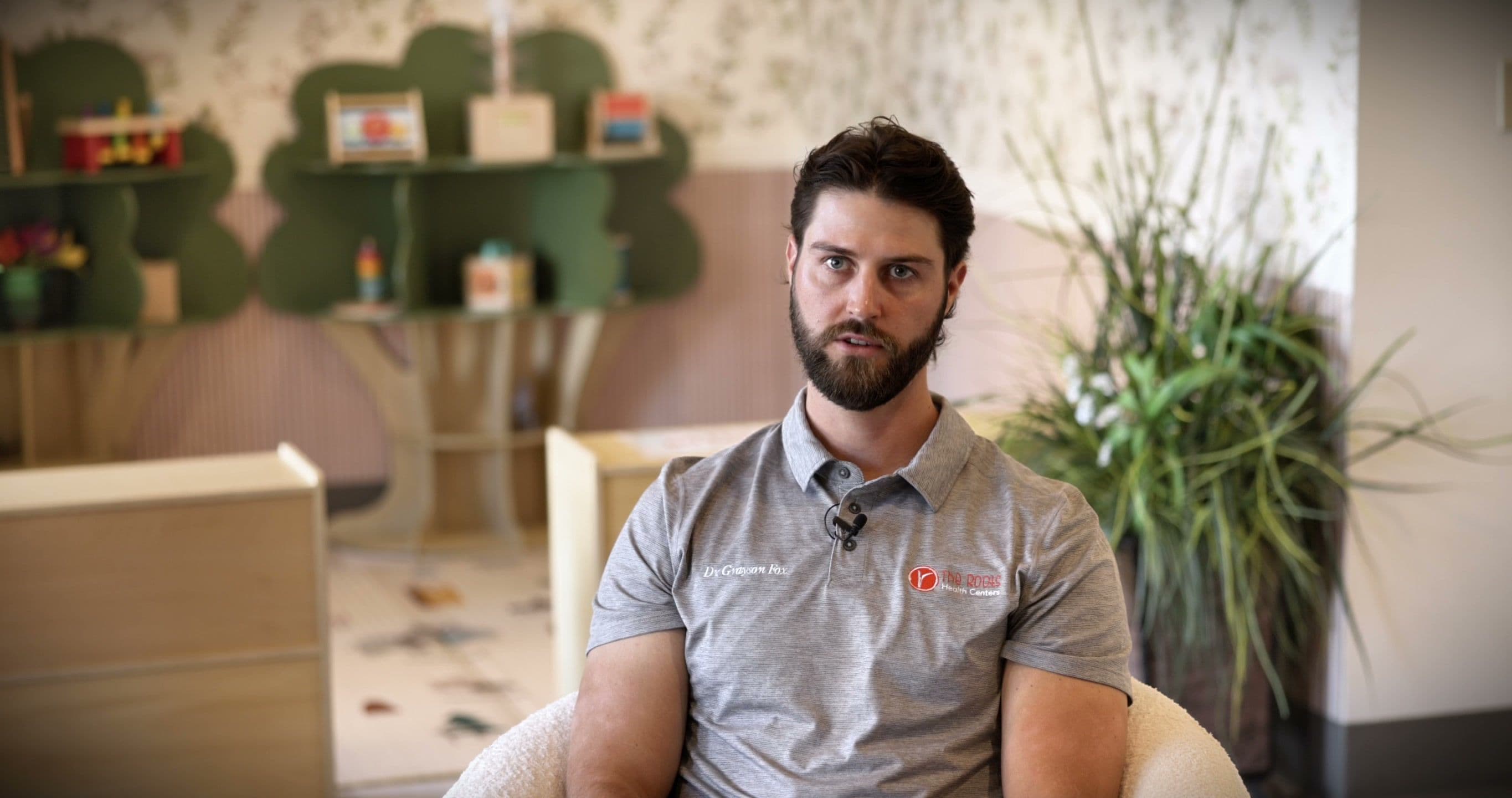
Dr. Grayson Fox, DC
Head shaking is a common, usually normal part of baby development. Learn why babies shake their heads, the signs that mean it is time to call your pediatrician, and how our team can help.
You look over at your baby in the crib, the car seat, or your arms, and they are shaking their head side to side, again and again. It can stop you in your tracks. Is this normal? Is something wrong? Take a breath, mama. Baby shaking head side to side is very common, and most of the time it is a normal part of development: a way babies soothe themselves, explore movement, or practice new skills. Sometimes it is a sign of something worth a closer look, like ear discomfort, teething, or tightness in the neck. Below, our team walks through the common reasons babies shake their heads, the signs that mean it is time to call your pediatrician, and what a gentle, nervous-system-focused check can add. This is educational information for parents, not a diagnosis.
Why Do Babies Shake Their Heads?
Babies are wired to move. Every new motion teaches their brain something about balance, body position, and the world around them. Head shaking is one of the earliest movements a baby can make on purpose, so it shows up for a lot of reasons.
Self-soothing
Rhythmic motion is calming. Many babies rock or shake their heads gently as they settle to sleep, much like they were rocked in the womb and in your arms. If your baby shakes their head while drifting off and then sleeps peacefully, self-soothing is a likely explanation.
Discovering movement and their senses
As neck strength develops, babies start to notice that turning their head changes what they see and hear. Shaking the head side to side feeds the vestibular system (the inner-ear balance system), and many babies simply enjoy the sensation. You may notice your baby giggling while they do it.
Practicing "no"
Somewhere around the end of the first year, many babies start shaking their heads as a gesture. At first it may be imitation, and then it becomes communication. When babies start shaking their head "no" is different for every child, and that is okay.
Tiredness and overstimulation
A busy day, a noisy room, or a missed nap can leave a baby overwhelmed. Turning away and shaking the head can be your baby's way of shutting out some of the input.
When Head Shaking Can Signal Discomfort
Sometimes head shaking is your baby's way of telling you something does not feel right. Look at what comes along with it.
- Ear discomfort. Babies cannot point to an ear that hurts, so they may rub, tug, or shake their head, especially when lying down. Fussiness at night, fever, or a recent cold make ear infections more likely. This is a reason to call your pediatrician.
- Teething. Sore gums can send discomfort toward the ears and jaw, and some babies shake or rub their heads to cope.
- Neck tightness or a strong side preference. If your baby shakes or turns their head much more easily one way, prefers to feed on one side, or seems uncomfortable on their tummy, muscle tightness in the neck may be part of the picture. A pattern like this can be related to torticollis, and it is worth having checked.
- Itchy skin or cradle cap. Rubbing the head against the mattress can look like shaking.
- Sensory seeking. Some children crave more movement input than others. Strong, frequent head shaking that seems driven rather than relaxed can be part of how a child processes sensation, which our team looks at through a sensory processing lens.
When to Worry About Baby Head Shaking
Most head shaking is harmless, but call your pediatrician promptly if you notice any of the following:
- Head shaking with a fever, unusual sleepiness, poor feeding, or vomiting
- Pulling or tugging at an ear along with fussiness or fluid from the ear
- Head shaking that looks like stiffening, jerking, staring spells, or eye movements that seem out of your baby's control
- Your baby is not responding to sounds or to their name
- Loss of skills your baby already had, such as babbling, sitting, or reaching
- Head shaking that began after a fall or a bump to the head
Call 911 or go to the emergency room if your baby has a seizure, is very hard to wake, has trouble breathing, or seems seriously unwell after a fall.
If something feels off, trust your instincts. You know your baby better than anyone, and it is always okay to ask.
Is Head Shaking a Sign of Autism in Babies?
This is one of the most searched questions about head shaking, and it is a completely understandable worry. On its own, head shaking is common in typically developing babies and is not a reason to assume autism.
What matters is the bigger picture. Pediatricians look at things like eye contact, responding to their name, babbling, pointing, sharing smiles, and whether repetitive movements crowd out play and connection. If you are noticing several of these differences together, bring them up at your next well-child visit or sooner. Early conversations are always worthwhile.
At Little Roots, we support families of children on the autism spectrum and children with sensory differences, and we always work alongside your pediatrician rather than in place of them.
Gentle Ways to Support Your Baby at Home
- Watch the pattern. Note when the head shaking happens: before sleep, during feeds, when tired, or when lying on one side. A short note on your phone can help your pediatrician or our team.
- Offer plenty of floor time. Supervised tummy time and play on a blanket help build neck and core strength.
- Switch sides. Alternate the side you feed from and the direction your baby faces in the crib so they look both ways.
- Lower the input. If head shaking shows up with overstimulation, try a dim, quiet room and slow, gentle rocking.
- Keep the sleep space safe. Follow your pediatrician's safe-sleep guidance: baby on their back, on a firm, flat surface, with nothing loose in the crib.
- Check the ears and gums. Look for redness, swelling, drool, or new teeth, and mention anything you see to your pediatrician.
How Little Roots Can Help
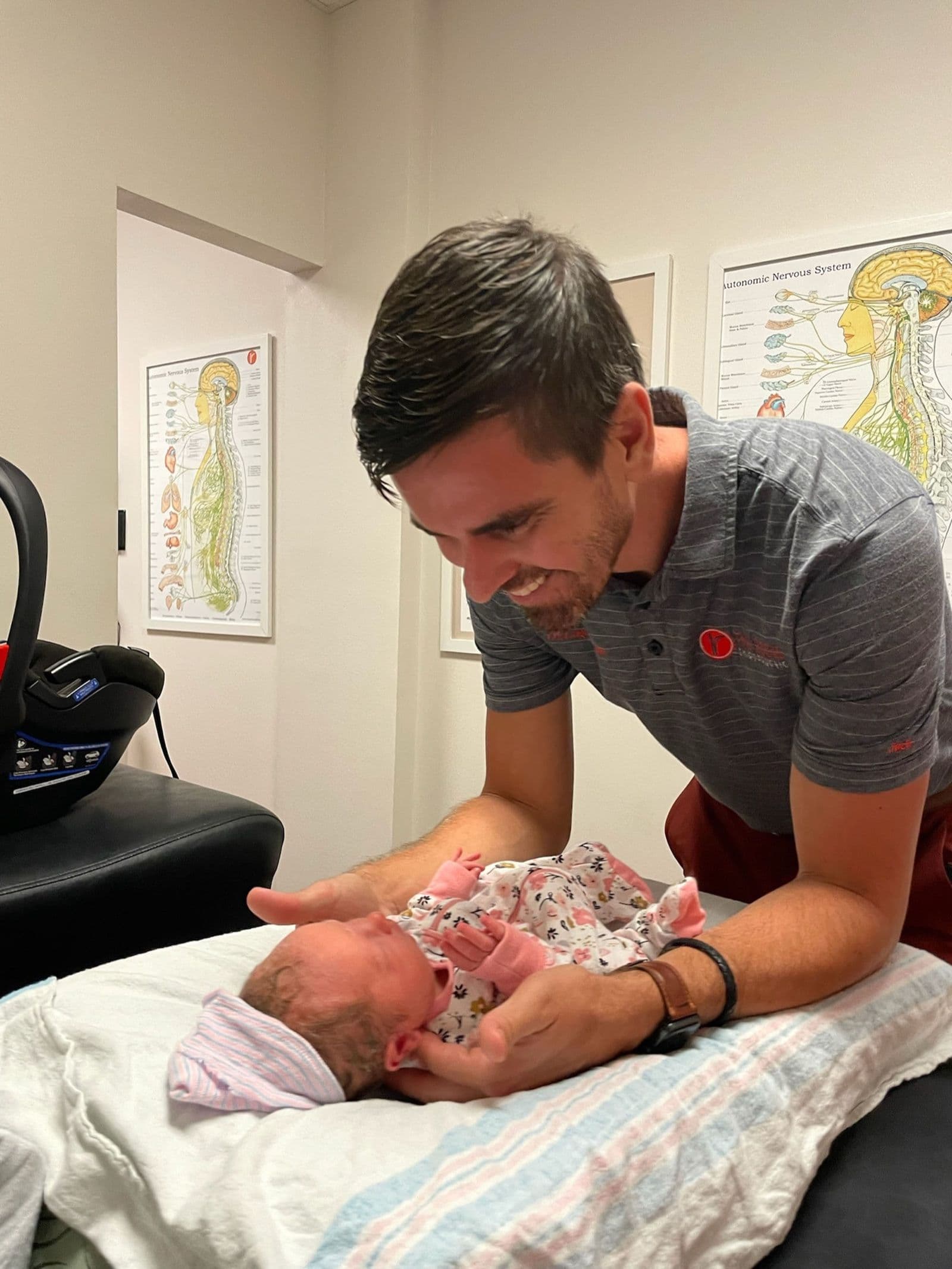
At Little Roots Pediatric Chiropractic in Lakewood Ranch, our team looks at how your baby's nervous system and body are working together. A visit starts with listening. We want to hear what you have noticed, from feeding to sleep to the way your baby turns their head.
Our infant chiropractic care includes a gentle neurological evaluation and a look at neck motion, posture, and muscle tone. If we find tension or restricted motion, we use very gentle, light-touch techniques designed for babies. If anything suggests your baby needs a medical evaluation, we will tell you and help you connect with the right provider.
Each child is different. We take a personalized approach based on what your child's nervous system is showing us, and we never promise a specific outcome.
Frequently Asked Questions
Why is my baby shaking his head side to side?
The most common reasons are self-soothing, exploring movement, tiredness, and learning new gestures. Ear discomfort, teething, and neck tightness can also play a role, so look at what comes with it.
When do babies start shaking their head no?
Many babies begin shaking their heads as a gesture toward the end of their first year, often by imitating the adults around them. Every child develops at their own pace.
Is baby shaking head side to side normal?
Yes, in most cases. Gentle head shaking during sleep or play with a happy, feeding, growing baby is usually a normal part of development.
When should I worry about my baby shaking their head?
Call your pediatrician if head shaking comes with fever, ear pulling, unusual sleepiness, poor feeding, loss of skills, not responding to sounds, or movements that look out of your baby's control.
Is head shaking a sign of autism in babies?
Head shaking alone is common and is not a sign of autism by itself. If you notice it alongside other differences in eye contact, babbling, or responding to their name, talk with your pediatrician.
Let's Look at the Whole Picture Together
If your baby's head shaking has you wondering, you do not have to figure it out alone. Book an appointment with our team at Little Roots in Lakewood Ranch. We will listen, take a gentle look, and help you understand what your baby's body may be telling you.
Learn More
Conditions we help with
Ear Infections
When a child gets four, six, eight ear infections in a year, the question isn't just 'which antibiotic?' — it's why drainage keeps failing. Gentle chiropractic care targets the eustachian tube mechanics and vagal tone that make drainage possible in the first place.
Learn moreTorticollis & Head Shape
Head tilt, flat spots, asymmetric jaw — these are often the same story told from different angles. Gentle in-arms work helps the system release the holding pattern that's keeping your baby stuck on one side.
Learn moreSensory Processing
Sensory processing isn't a personality quirk — it's the nervous system trying to filter a world that feels overwhelming. Care that calms the system gives your child more room to be themselves.
Learn moreRelated Services
Related Reading
Related articles
Baby Prefers One Side: Head Turning Preference and When to Look Closer
If your baby always turns their head the same way, you're not imagining it. Here's what a one-sided preference can mean, gentle ways to encourage both sides, and when to ask for help.
Read articleTorticollis in Babies: A Gentle Parent's Guide to Head Tilt and Flat Head
A warm, reassuring guide for parents who notice a head tilt, a favored side, or a flat spot, and want to understand torticollis in babies and gentle next steps.
Read articleEar Infections and Chiropractic: Why Your Child's Ears Keep Getting Infected
Chronic ear infections in kids often follow a frustrating cycle of antibiotics and ENT referrals. Here's what the nervous system has to do with it — and how pediatric chiropractic care can support your child's ability to drain and heal naturally.
Read articleKeep Reading
More for growing families
Newborn Sleep Position: Back to Sleep, Side Sleeping, and Flat Spots
The safest newborn sleep position is flat on the back for every nap and every night. Here is why side sleeping is not advised, and gentle ways to help prevent flat spots.
Pregnancy Shortness of Breath: Why It Happens and When to Call Your OB
Feeling winded while pregnant is common, but it can be unsettling. Learn why it happens, gentle ideas to try, and the warning signs that mean calling your OB or midwife right away.
Pregnancy Bloating and Gas: Why It Happens and Gentle Ways to Cope
Pregnancy bloating and gas are common and uncomfortable. Learn why they happen, how to tell bloating from baby growth, gentle ideas to try, and when to call your OB or midwife.
Questions about your child?
Schedule a consultation and let's talk through your family's needs together.
Book a Consultation(941) 932-4611