

Baby Prefers One Side: Head Turning Preference and When to Look Closer
Dr. Grayson Fox, DC
If your baby always turns their head the same way, you're not imagining it. Here's what a one-sided preference can mean, gentle ways to encourage both sides, and when to ask for help.
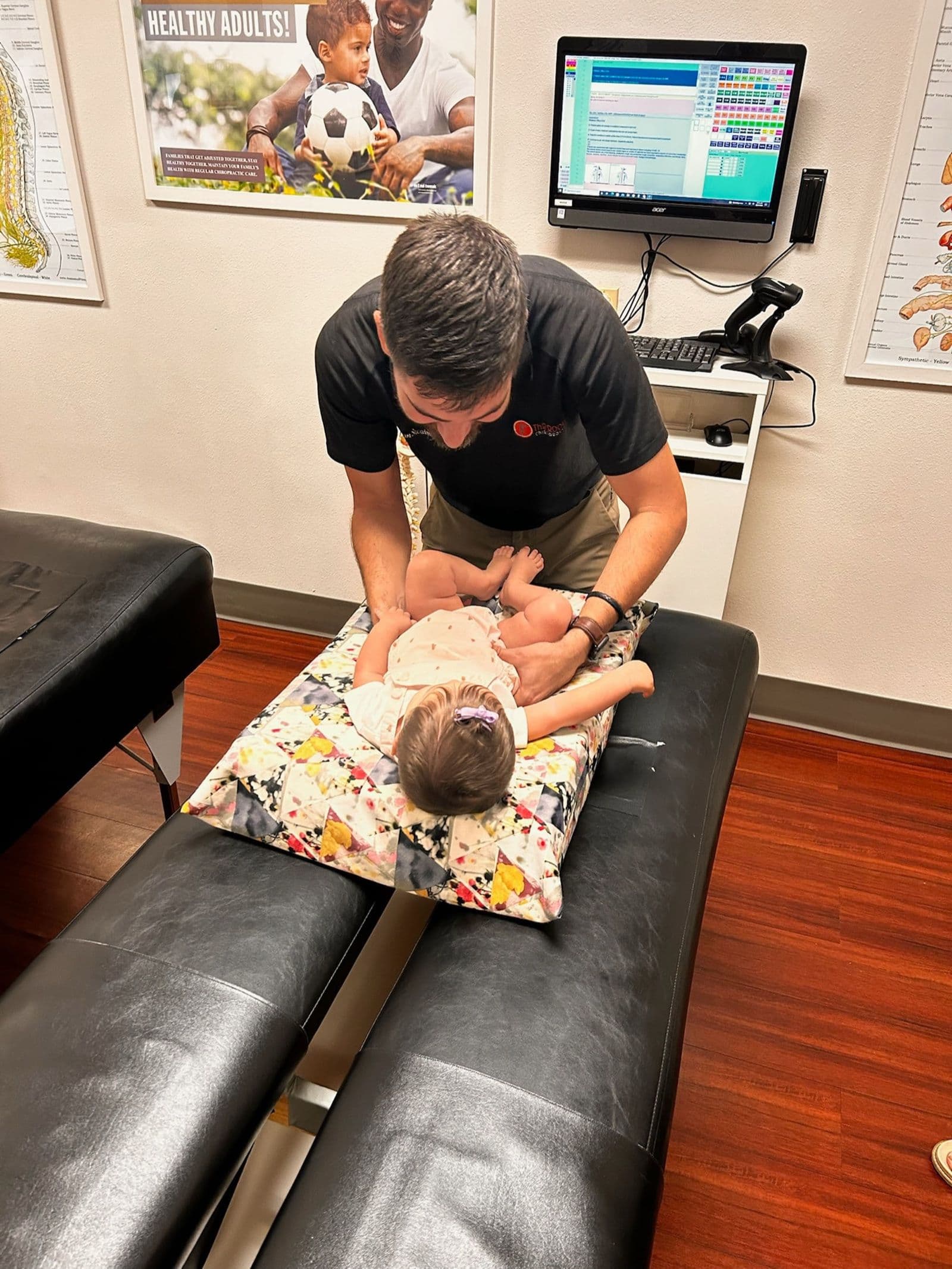
You lay your baby down and their head turns right. You try again, and it turns right again. You feed them on the left, but they seem happier on the other side. If your baby prefers one side, it's natural to wonder whether it's just a quirk or something to pay attention to. The short answer: many babies show a mild preference for turning their head one way, and often it's a simple habit shaped by how they lie, feed, and look around. But a strong, consistent preference can sometimes be a signal worth a closer look. Below, we'll walk through why it happens, what to watch for, gentle everyday ways to encourage both sides, and when to ask your care team. This is educational, not a replacement for your pediatrician's guidance.
What Does 'Baby Prefers One Side' Actually Look Like?
Parents describe it in different ways. You may notice that your baby:
- Mostly turns their head to the same side when lying on their back
- Nurses or takes a bottle more easily on one side
- Fusses when you try to turn their head the other way
- Tilts their head to one side, as if the ear is reaching toward the shoulder
- Looks toward a favorite window, parent, or sound and rarely checks the other direction
- Develops a flatter spot on one side of the head
- Seems stiff or tight when carried or positioned on one side
Seeing one or two of these now and then is common. Seeing several, day after day, is the pattern that tells you it's worth asking questions.
Why Babies Develop a Head-Turning Preference
There is rarely one single cause. A preference often grows out of a few small things that add up.
Positioning before and during birth. Babies spend the last stretch of pregnancy tucked into a small space, and some settle into a favorite position. Birth itself can also place stress on a baby's neck. Our post on birth-related stress on a baby's neck explains how that can show up in the early months.
Habit and environment. Where the crib sits, where the light comes from, which side you walk in from, and which way you usually hold your baby can all draw their attention to the same side again and again. Babies love to look at faces and light.
Muscle tightness in the neck. Sometimes the muscles on one side of the neck feel tighter, which makes turning the other way less comfortable. A tight neck muscle can be related to a condition called torticollis, which you can learn about in our torticollis page and our parent's guide to torticollis in babies.
Limited time on their tummy. Babies who spend most of their awake time on their back, in a carrier, or in a seat have fewer chances to practice turning and lifting their head in both directions. Our guide to tummy time offers gentle ideas.
Spending long stretches in containers. Car seats, bouncers, and swings are useful, but long stretches in them can keep the head in one position. See our post on container baby syndrome for more on that.
Comfort and feeding. A baby may find one nursing or bottle-feeding position more comfortable, which can reinforce the same head turn.
Why a Strong Preference Can Matter
A baby's skull is soft and still growing. When a head rests on the same spot most of the time, that area can gradually flatten. This is called positional plagiocephaly, and you can read more in our post on flat head in babies. A flat spot is usually not painful, but it can be a sign that the preference deserves attention, since the two often go hand in hand.
There is also a movement side to the story. Turning the head in both directions is part of how babies explore, track faces, and later learn to roll and sit. When one direction feels harder, babies can start to favor one side of their whole body. This is one reason we like to look at how a baby moves as a whole, not just the head and neck. If you're curious how this fits into the bigger picture, see our overview of baby milestones. Each baby moves on their own schedule, so we focus on what your baby's body is showing us rather than comparing to anyone else.
Gentle Ways to Encourage Both Sides at Home
These are everyday ideas parents commonly try. They are not a substitute for an evaluation, and you should never force your baby's head to turn. Keep everything calm and playful.
- Change the scene. Move toys, mobiles, or a light source to the less-favored side so your baby has a reason to look that way.
- Switch sides at the crib. Alternate which end of the crib your baby's head lies on, and approach from different directions.
- Offer both feeding positions. If it's comfortable for both of you, alternate which side you nurse or hold the bottle on. A lactation consultant can help if one side is hard for latch.
- Plan tummy time. Supervised time on their tummy while they are awake encourages turning both ways and builds neck strength.
- Hold them differently. Alternate which arm you carry your baby in, and try side-lying play on the less-favored side while you watch closely.
- Limit long stretches in seats and carriers. Take regular breaks on a flat, safe surface.
- Follow safe sleep guidelines. Always put your baby to sleep on their back on a firm, flat surface, and follow your pediatrician's safe sleep advice. Do not use pillows, wedges, or positioners to hold the head in place.
If your baby resists strongly, cries when you try to turn them, or the preference doesn't seem to soften with these changes, that's a good time to ask for help instead of pushing harder.
When to Look Closer
It's reasonable to ask your care team about your baby's head-turning preference if you notice:
- A preference that is strong and consistent, even after you've shifted toys and positions
- A flat spot or uneven head shape that seems to be changing
- A head tilt that stays tilted to one side
- A firm lump or tight band in the neck muscle
- One side of the face or jaw that looks different from the other
- Difficulty feeding on one side, or fussiness when the head is turned a certain way
- Delays in rolling, reaching, or using both hands or sides of the body
- Your own sense that something isn't right. Parents are very good at noticing patterns
The sooner you ask, the more options you usually have, and asking doesn't commit you to anything. Mention it at your next pediatrician visit, or reach out to us directly. We love questions.
How Our Team Looks at It
At Little Roots Pediatric Chiropractic, our team starts by listening to what you've noticed at home and watching how your baby moves. A visit may include a gentle look at how your baby's head, neck, spine, and hips move, along with a neurological evaluation that helps us understand how your baby's nervous system is responding.
Pediatric chiropractic care for infants is very gentle. It uses light, comfortable touch designed for tiny bodies, and our infant chiropractic page explains what that looks like. Each baby is different, so we take a personalized approach based on what your baby's nervous system is showing us. If we see something that calls for another kind of provider, such as your pediatrician, we'll say so and help you coordinate.
When to Seek Prompt Medical Care
Contact your pediatrician promptly, or seek urgent care, if your baby has a head tilt or turn that appears suddenly, especially after a fall or injury; a fever with a stiff neck; unusual sleepiness or difficulty waking; vomiting that doesn't stop; a bulging soft spot; or trouble breathing or feeding. Don't wait for a regular appointment in those situations.
Frequently Asked Questions
Why does my baby only turn their head to one side?
Often it's a mix of how they were positioned before birth, where they look and lie each day, and sometimes tightness in the neck muscles. A mild preference is common. A strong, lasting one is worth asking your care team about.
Is it normal for a baby to prefer one side when sleeping?
A little preference is common, but it shouldn't be rigid. Alternating the direction your baby faces in the crib and following safe sleep guidelines can help. If your baby seems unable or unwilling to turn the other way, ask for an evaluation.
Will my baby grow out of a head-turning preference?
Some babies naturally even out as they become more mobile, while others benefit from added support. Because it's hard to tell which is which at home, it's reasonable to have it checked.
Can a pediatric chiropractor help with head-turning preference?
A pediatric chiropractor can look at how your baby's neck and spine are moving, offer gentle care, and give you positioning ideas for home. Each baby is different, so the first step is an evaluation.
Take the Next Step
If your baby always seems to look the same way, you don't have to wonder alone. Book an appointment with our team at Little Roots in Lakewood Ranch, and we'll walk through what you've noticed and what an evaluation may involve.
Learn More
Conditions we help with
Related Services
Related Reading
Related articles
Torticollis in Babies: A Gentle Parent's Guide to Head Tilt and Flat Head
A warm, reassuring guide for parents who notice a head tilt, a favored side, or a flat spot, and want to understand torticollis in babies and gentle next steps.
Read articlePlagiocephaly: What to Do About a Baby's Flat Head
A flat spot on your baby's head is common and usually manageable at home. Here's what causes it, what actually helps, and when to loop in a specialist.
Read articleTummy Time: Why It Matters, Why Babies Resist It, and How to Make It Work
Tummy time resistance is one of the most common new-parent concerns we hear at Little Roots. Here's when to start, how much to aim for, and when struggles are worth a closer look at your baby's nervous system.
Read articleKeep Reading
More for growing families
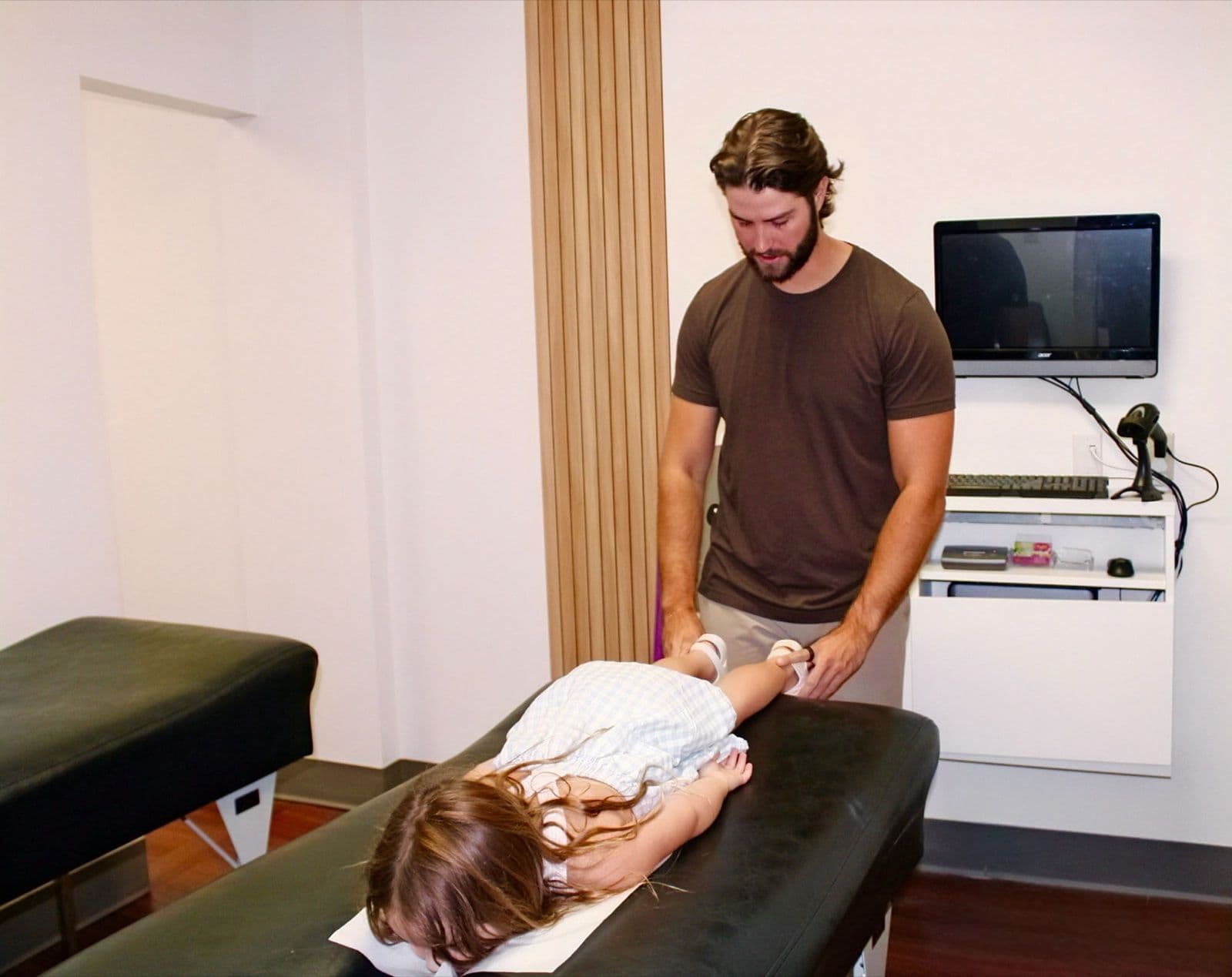
Preschooler Meltdowns After Daycare or School: Why Pickup Gets Hard
If your preschooler holds it together all day and falls apart at pickup, you're not alone. Here's why after-school meltdowns happen and gentle ways to help.
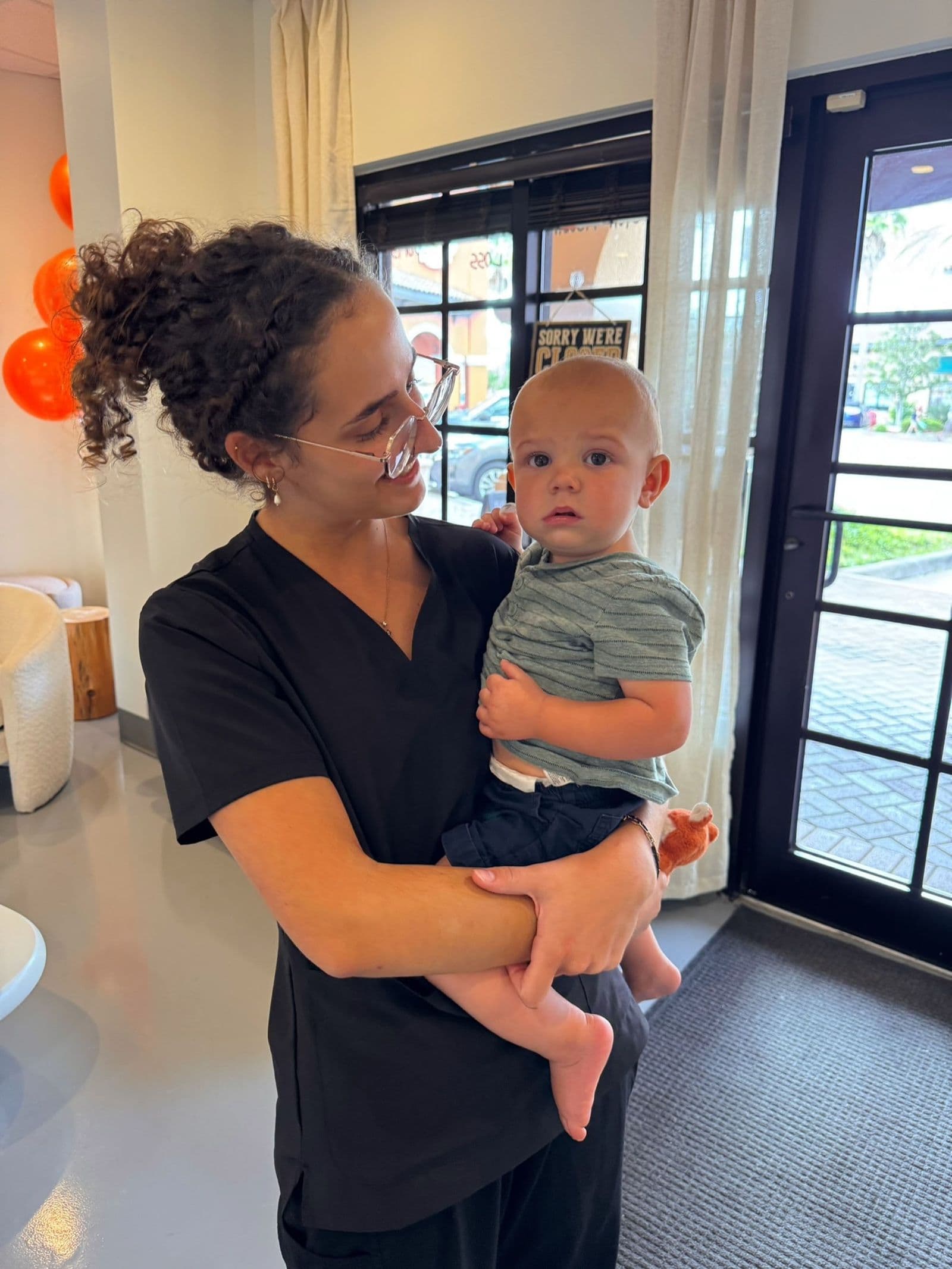
Toddler Nap Transition: Dropping From Two Naps to One
Naps getting shorter, bedtime getting harder? Here are the signs of a toddler nap transition from two naps to one, plus gentle ways to ease the change.
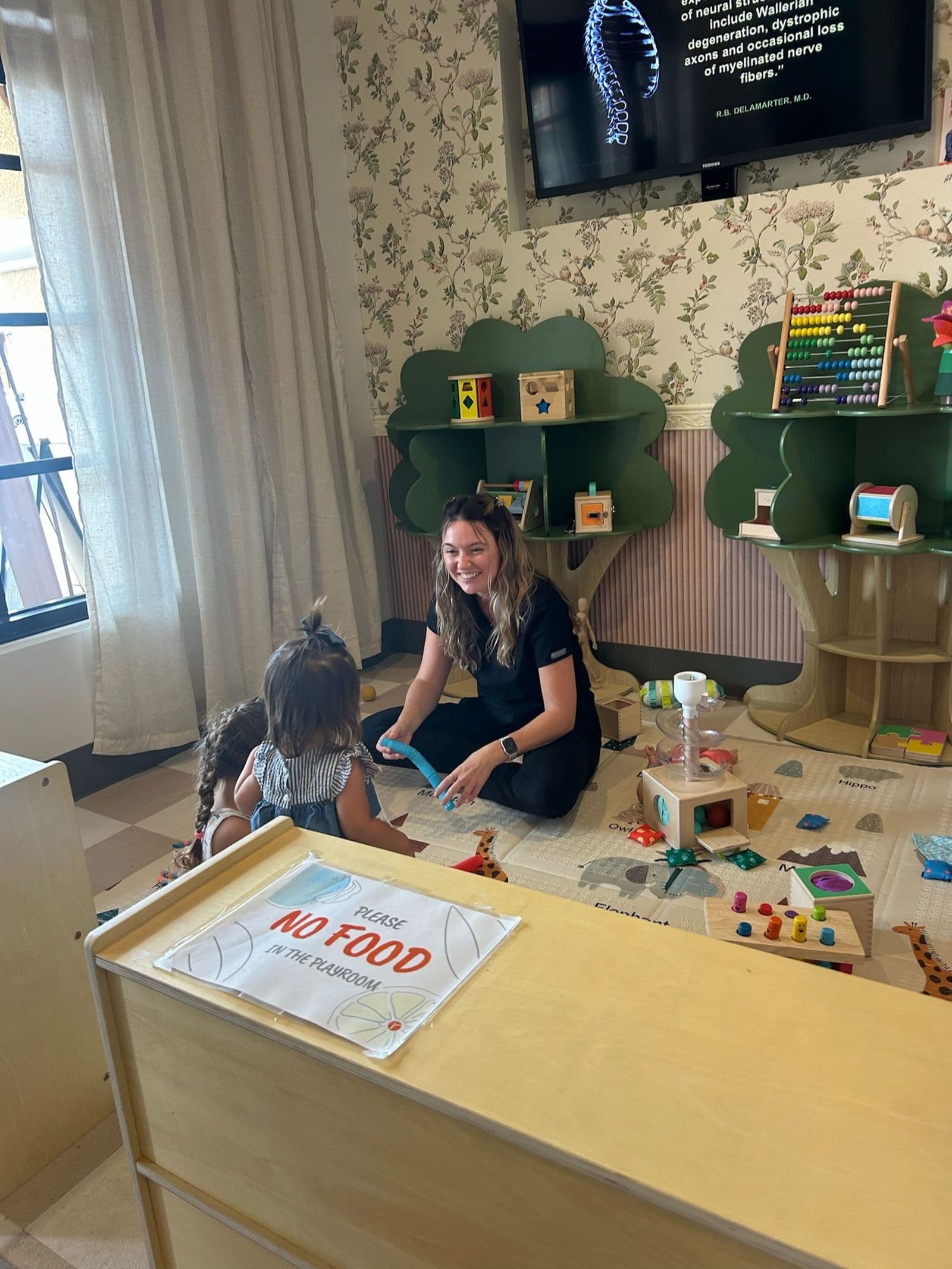
Child Stomach Ache: When It's More Than a Stomach Bug
Tummy aches are one of the most common complaints in childhood. Here's what may be behind the ones that keep coming back and when to check in with a professional.
Questions about your child?
Schedule a consultation and let's talk through your family's needs together.
Book a Consultation(941) 932-4611