

Container Baby Syndrome: Why Too Much Time in Seats and Carriers Matters
Dr. Grayson Fox, DC
Car seats and bouncers have their place, but too much time in "containers" can affect how babies move and develop. Here's what to watch for.
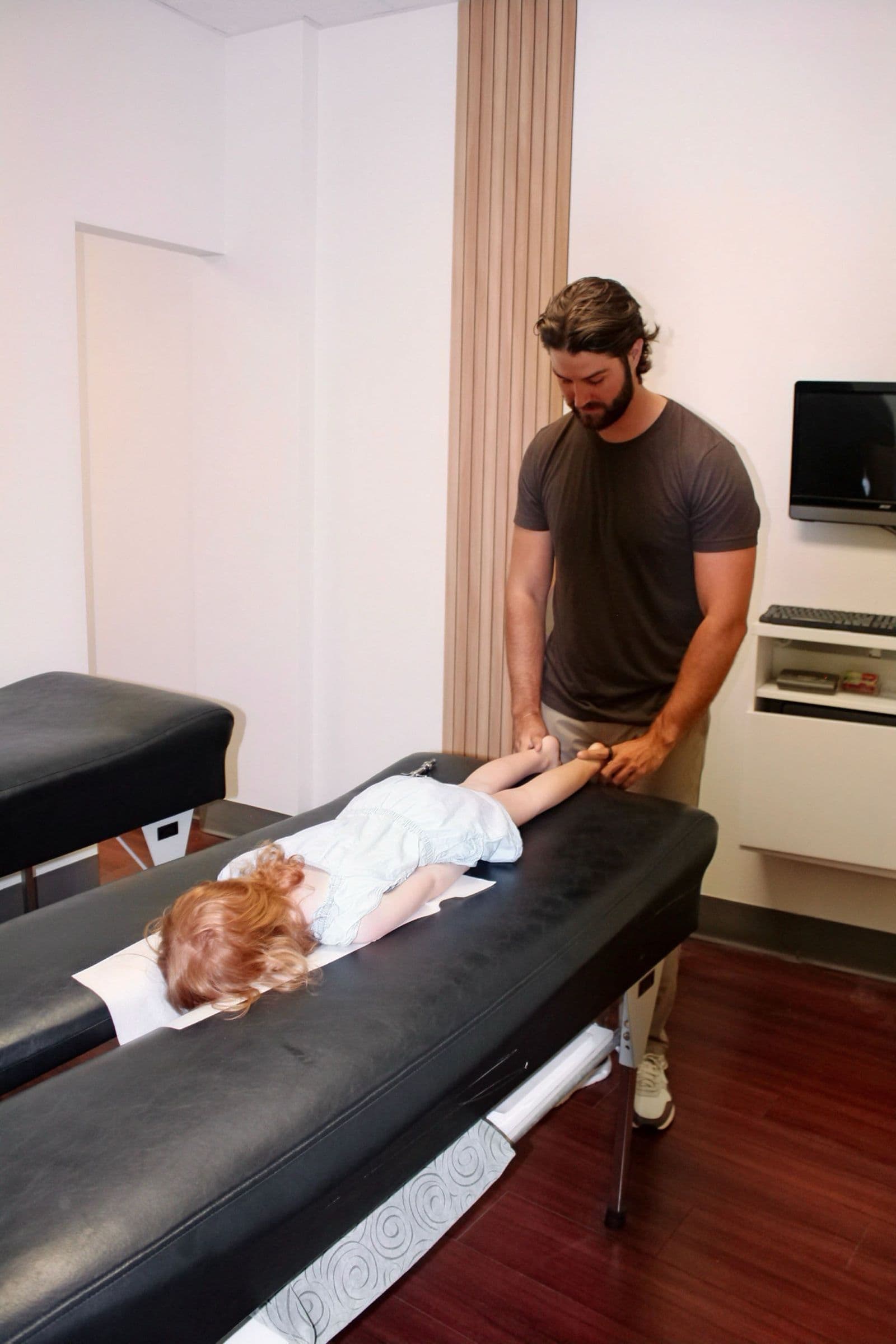
If your baby spends big chunks of the day moving between the car seat, the bouncer, the swing, and the stroller, you're not doing anything wrong — those tools exist because they genuinely help parents get through the day. But pediatric providers have started using the term "container baby syndrome" to describe what can happen when a baby spends the majority of their awake time in these seats rather than moving freely on the floor. It's not a medical diagnosis, and it's not a judgment on your parenting — it's a pattern worth understanding, because a baby's body and nervous system develop through movement, and containers, by design, limit it.
What "Container Baby Syndrome" Actually Means
The term describes a cluster of effects that can show up when a baby spends extended stretches of time — day after day — in car seats, bouncers, swings, carriers, and other equipment that holds the body in one fixed position. It's not about using any one of these occasionally; it's about the cumulative total across a day, week after week, when floor time and free movement become the exception rather than the norm.
Babies are born needing to build strength and coordination through repetition — pushing up during tummy time, reaching for a toy just out of reach, rolling, and eventually crawling. Time spent contained in a seat is time that isn't going toward that repetition.
Signs Worth Paying Attention To
Every baby develops on their own timeline, and one seat-heavy afternoon isn't a red flag. But a pattern of the following is worth a closer look:
- A flat spot developing on one area of the back of the head (plagiocephaly)
- A preference for turning the head to one side, or resistance to turning it the other way
- Reaching gross motor milestones like rolling, sitting, or crawling later than expected
- Noticeable fussiness or resistance specifically during tummy time or floor play
- Looking "floppier" or less engaged with tummy-down positions than with being upright in a seat
None of these on their own mean something is wrong — they're simply worth mentioning at a well visit or a pediatric evaluation so a fuller picture can be put together.
Why Movement Matters So Much in the First Year
A baby's nervous system is being wired, quite literally, through movement and sensory input during the first year of life. Every push-up during tummy time, every wobble while learning to sit, and every reach for a toy is building strength, coordination, and the neural pathways that support everything from crawling to eventually walking and running.
Time spent in a container is time spent in a fixed, often curled or reclined position, with limited opportunity to work against gravity or explore a range of motion. Occasionally, that's completely fine — a car ride is a car ride. The concern is when it adds up to become the default way a baby spends their day.
Container Time and Head Shape
One of the more visible effects of extended container time is on head shape. A baby's skull is soft and still forming in the first several months, and consistent pressure on the same spot — whether from a car seat, swing, or even always facing the same direction in the crib — can contribute to a flat spot developing. This often shows up alongside a preference for turning the head one direction, sometimes related to torticollis, a tightness in the neck muscles that can make turning the other way uncomfortable.
The two can feed each other: a baby who prefers one side spends more time with pressure on the same spot, and pressure on that spot can, over time, make the preferred side feel more comfortable still.
How Much Floor Time Is Enough?
There's no single magic number, and every family's schedule looks different — a personalized approach based on your baby's actual behavior matters more than hitting an arbitrary target. What tends to help is simply making floor time and tummy time the default whenever your baby is awake and you're both able to be present for it, and treating containers as tools for specific situations (a car ride, a moment you genuinely need both hands free) rather than the resting state of the day.
Short, frequent stretches of tummy time work better for most babies than one long session, especially early on. Our tummy time guide goes deeper into why babies resist it and how to make it work.
Where Gentle Chiropractic Care Fits In
If a baby has developed a strong side preference, some tightness through the neck, or seems to be working harder than expected to move against gravity, gentle pediatric chiropractic care can be a helpful piece of the picture. At Little Roots Pediatric Chiropractic, a first visit starts with a conversation and a gentle, hands-on look at how your baby is moving, followed by a soft neurological evaluation — nothing that resembles the adjustments adults receive.
The goal isn't to replace floor time or tummy time, but to support easier, more comfortable movement so your baby can actually engage in that floor time instead of resisting it. Each baby is different, so we take a personalized approach based on what your baby's body is actually showing us.
Frequently Asked Questions
Is it bad to use a car seat, swing, or bouncer? No — these tools exist for good reasons, and using them isn't harmful on its own. The concern is specifically about the cumulative total across a day, week after week, becoming the default instead of the exception.
What is container baby syndrome, exactly? It's not a formal medical diagnosis, but a descriptive term for effects that can show up when a baby spends the majority of awake time in seats and carriers rather than moving freely, including flat spots, side preferences, and slower progress toward gross motor milestones.
How do I know if my baby has a flat spot from container time? Look at the back and top of the head from above, ideally with your baby's hair still short. An asymmetry, or a noticeably flat area on one side, is worth mentioning at a well visit or pediatric evaluation.
Can container baby syndrome affect crawling or walking? Extended time in containers means less practice with the movements that build toward crawling and walking, which can be part of the picture if a baby is reaching those milestones later than expected. Every baby develops on their own timeline, so this is one piece of context, not a diagnosis on its own.
When should I bring this up with a provider? If you're noticing a consistent flat spot, a strong side preference, resistance to tummy time, or gross motor milestones that seem delayed, it's worth mentioning at your next well visit or pediatric evaluation so the full picture can be looked at together.
Containers have a real place in modern parenting, and using them isn't something to feel guilty about. The goal is simply making sure floor time and free movement get their fair share of your baby's day too. If you'd like a gentle evaluation of how your baby is moving, book an appointment with our team at Little Roots Pediatric Chiropractic in Lakewood Ranch.
Little Roots Pediatric Chiropractic, 8209 Natures Way, Unit 117, Lakewood Ranch, FL 34202. (941) 932-4611.
Learn More
Conditions we help with
Related Services
Related Reading
Related articles
Plagiocephaly: What to Do About a Baby's Flat Head
A flat spot on your baby's head is common and usually manageable at home. Here's what causes it, what actually helps, and when to loop in a specialist.
Read articleTummy Time: Why It Matters, Why Babies Resist It, and How to Make It Work
Tummy time resistance is one of the most common new-parent concerns we hear at Little Roots. Here's when to start, how much to aim for, and when struggles are worth a closer look at your baby's nervous system.
Read articleTorticollis in Babies: A Gentle Parent's Guide to Head Tilt and Flat Head
A warm, reassuring guide for parents who notice a head tilt, a favored side, or a flat spot, and want to understand torticollis in babies and gentle next steps.
Read articleKeep Reading
More for growing families

Head Shape and Helmet Therapy: When It's Needed — and When It Isn't
A flat spot on your baby's head can be alarming to notice. Here's how head shape typically develops, when helmet therapy is genuinely needed, and what else may help first.

What to Expect at Your Baby's First Pediatric Chiropractic Visit
A step-by-step walkthrough of what actually happens at your baby's first pediatric chiropractic visit — the conversation, the gentle evaluation, and what care looks like for an infant.
Seasonal Allergies in Kids: A Gentle, Nervous-System-Supportive Approach
Seasonal allergies in kids often show up as a runny nose, congestion, or a child who just seems "off" for weeks. Here's what's happening and gentle, drug-free ways to offer support.
Questions about your child?
Schedule a consultation and let's talk through your family's needs together.
Book a Consultation(941) 932-4611