

Baby Milestones: Crawling, Sitting, and Walking — What to Expect
Dr. Grayson Fox, DC
Sitting, crawling, and walking all happen on a wide, normal range. Here's what baby milestones typically look like and when a closer look is worth it.
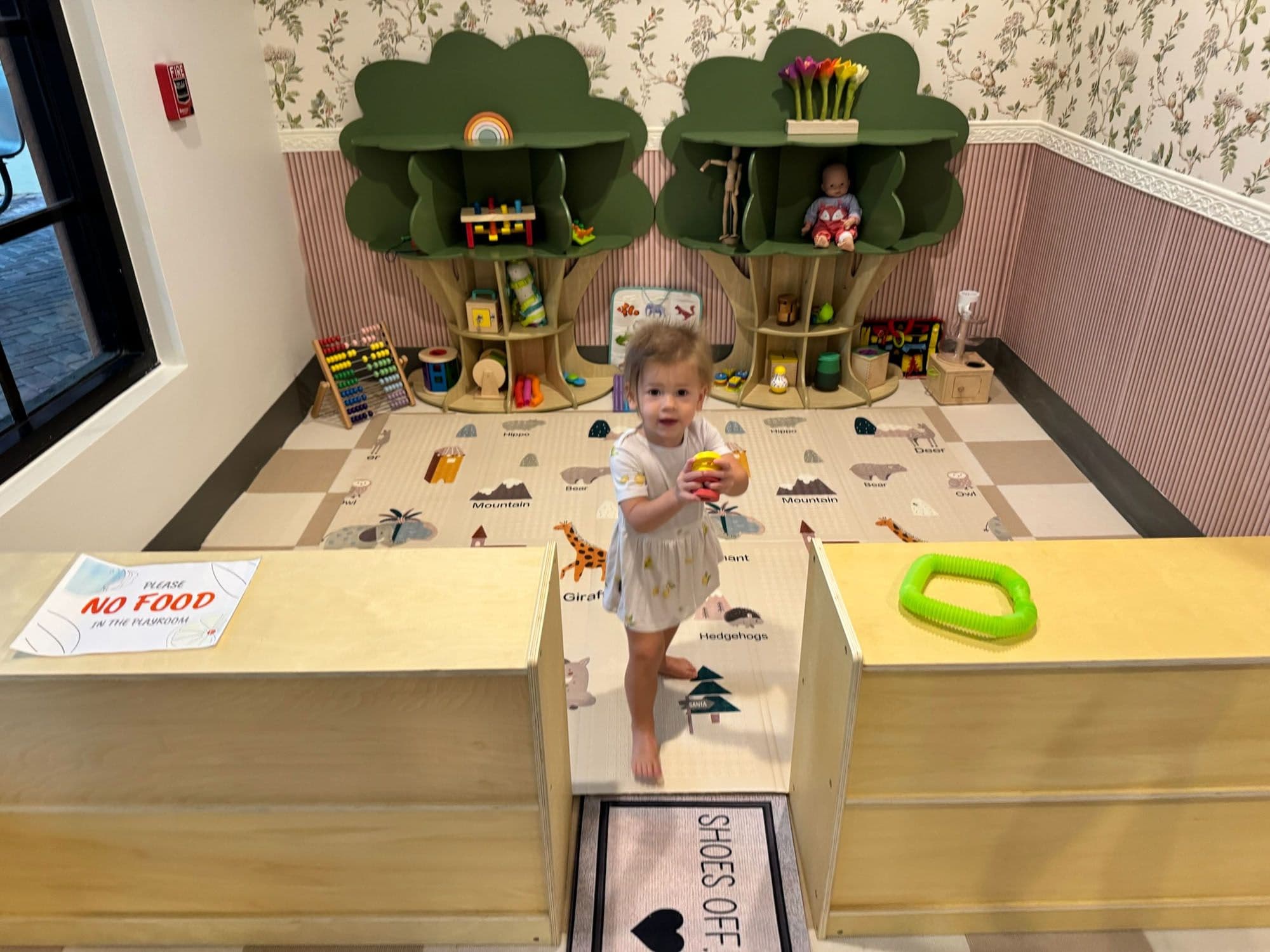
Every parent milestone-checks — did she roll over yet, is he sitting up like his cousin did, why isn't she crawling yet? Baby milestones like sitting, crawling, and walking follow a wide, normal range, and comparing your child to a chart, or to another baby, can create worry that isn't always warranted. Here's what these milestones generally look like, why the range is so wide, and what our team looks at when parents bring milestone questions to Little Roots Pediatric Chiropractic.
What Are Baby Milestones, Really?
"Milestones" are simply common markers of physical development — rolling, sitting, crawling, pulling to stand, walking — that most babies reach within a fairly wide window. They're a helpful general guide, not a strict schedule. Two babies can both be developing completely normally and still hit the same milestone months apart from each other.
Sitting: What to Expect
Most babies begin sitting with support around 4–6 months and progress to sitting independently, without needing a hand or a pillow for balance, somewhere in the 6–8 month range. Independent sitting typically follows a baby building enough core and trunk strength to hold themselves upright, which is part of why tummy time matters so much in the months before. If tummy time has been a struggle in your house, that's worth understanding, since the same muscles used for tummy time also support sitting.
Crawling: What to Expect
Classic hands-and-knees crawling often appears somewhere between 7 and 10 months, though the range here is especially wide. Some babies scoot on their bottom, some army-crawl on their belly, and a meaningful number of babies skip crawling altogether and move straight to pulling up and walking — all of which can be a normal developmental path. What matters more than the exact style is whether your baby is exploring, shifting their weight, and generally becoming more mobile over time.
Walking: What to Expect
Pulling to stand and cruising along furniture usually starts somewhere around 9–12 months, with independent steps often following between 11 and 15 months. Plenty of healthy toddlers don't take confident independent steps until closer to 16–18 months. Early walking isn't a sign of being ahead, and later walking within this range isn't a sign of a problem — it's simply the normal spread of how mobility develops.
Why the Range Is So Wide
Genetics, body build, temperament, and even birth order can all play a role in when a baby reaches a physical milestone. A cautious baby who prefers to observe before attempting something new may hit a milestone later than a more physically impulsive sibling, without either pattern meaning anything about long-term development. Because the range is wide, a single missed "expected" date rarely tells you much on its own — the bigger picture matters more.
When Milestone Delays Are Worth a Closer Look
Most of the time, a milestone that arrives a little later than a chart suggests is simply part of your baby's own pace. It's worth mentioning to your pediatrician if your baby isn't attempting to sit with support by around 9 months, shows little interest in moving or exploring, consistently favors one side of their body, or loses a skill they'd already gained — these patterns fall under what's sometimes called developmental delays, and getting a clear picture early tends to help. A torticollis pattern or muscle tightness on one side can sometimes show up first this way, as an asymmetry in how a baby reaches milestones — moving, rolling, or reaching for toys more easily on one side than the other.
How Our Team Supports Physical Development at Little Roots
Part of what our team looks at during a visit is how well your baby's nervous system and musculoskeletal system are working together to support movement — things like symmetry, range of motion, and whether tension in the neck, hips, or spine might be making certain positions harder than they need to be. A visit typically starts with a consultation and a full neurological evaluation as part of our pediatric wellness care, so our team can understand your child's specific patterns before making any recommendations. Every baby is different, so we take a personalized approach based on what your baby's body is showing us.
Frequently Asked Questions
What age should a baby be sitting up on their own? Most babies sit independently somewhere in the 6–8 month range, though the normal window is wider than most charts suggest.
Is it normal for a baby to skip crawling? Yes. A meaningful number of babies move straight from sitting to pulling up and walking without ever crawling in the classic hands-and-knees style, and this isn't considered a red flag on its own.
What age do most babies start walking? Independent steps often begin somewhere between 11 and 15 months, with plenty of healthy toddlers walking confidently closer to 16–18 months.
Should I worry if my baby favors one side of their body? A consistent preference for one side — rolling, reaching, or turning the head mostly one direction — is worth mentioning to your pediatrician, since it can sometimes relate to muscle tightness or tension worth a closer look.
Can chiropractic care help support physical milestones? Some families explore gentle, nervous-system-focused pediatric chiropractic care as one piece of supporting their baby's overall movement and development, alongside — never instead of — their pediatrician's guidance.
Trust Your Instincts
If you have questions about your baby's development, or something about how they move just doesn't sit right with you, trust that instinct. Schedule a visit with our team at Little Roots Pediatric Chiropractic in Lakewood Ranch, and let's take a closer look together.
Learn More
Conditions we help with
Developmental Delays
Motor milestones, speech development, cognitive processing — all of it runs through a nervous system. When that system holds structural tension, it can limit what's available to your child. Gentle care creates more capacity, and more capacity compounds.
Learn moreTorticollis & Head Shape
Head tilt, flat spots, asymmetric jaw — these are often the same story told from different angles. Gentle in-arms work helps the system release the holding pattern that's keeping your baby stuck on one side.
Learn moreRelated Services
Related Reading
Related articles
Tummy Time: Why It Matters, Why Babies Resist It, and How to Make It Work
Tummy time resistance is one of the most common new-parent concerns we hear at Little Roots. Here's when to start, how much to aim for, and when struggles are worth a closer look at your baby's nervous system.
Read articleTorticollis in Babies: A Gentle Parent's Guide to Head Tilt and Flat Head
A warm, reassuring guide for parents who notice a head tilt, a favored side, or a flat spot, and want to understand torticollis in babies and gentle next steps.
Read articleKeep Reading
More for growing families
Preschooler Meltdowns After Daycare or School: Why Pickup Gets Hard
If your preschooler holds it together all day and falls apart at pickup, you're not alone. Here's why after-school meltdowns happen and gentle ways to help.
Toddler Nap Transition: Dropping From Two Naps to One
Naps getting shorter, bedtime getting harder? Here are the signs of a toddler nap transition from two naps to one, plus gentle ways to ease the change.
Child Stomach Ache: When It's More Than a Stomach Bug
Tummy aches are one of the most common complaints in childhood. Here's what may be behind the ones that keep coming back and when to check in with a professional.
Questions about your child?
Schedule a consultation and let's talk through your family's needs together.
Book a Consultation(941) 932-4611