

Condition
Developmental Delays
Every child has their own timeline — and a nervous system that shapes it
Motor milestones, speech development, cognitive processing — all of it runs through a nervous system. When that system holds structural tension, it can limit what's available to your child. Gentle care creates more capacity, and more capacity compounds.
By Dr. Logan Swaim · Last updated July 17, 2026
Get help with Developmental Delays
Three quick questions — we'll call you within 24 business hours.
Understanding Developmental Delays
What it is & why it shows up
Developmental delays is a broad umbrella — it might mean a toddler who isn't walking on schedule, a preschooler whose speech isn't where the pediatrician expects it, or a child whose motor coordination keeps getting flagged at school. If you've already got an OT, a speech therapist, or a developmental pediatrician on your team, you know the roadmap. What we offer is a layer most teams haven't looked at yet.
The nervous system is the infrastructure that everything else runs on. Motor milestones, speech processing, and cognitive development all depend on clear, coordinated signals flowing through the brainstem, upper cervical spine, and cranial nerves. Birth can put physical stress on those structures — even in routine deliveries. Gentle work that releases that stress doesn't bypass the developmental process; it gives the process a cleaner runway.
We work as a complementary layer alongside your existing team — never instead of speech therapy, OT, or developmental pediatrics. We're not going to promise a timeline or a specific outcome. What we can offer is a child whose nervous system is less burdened, and a family that feels like every stone has been turned.
What parents notice
Signs that bring families in
- Motor milestone delays — rolling, sitting, walking behind typical schedule
- Speech delays or difficulty forming words and sentences
- Weak core strength or poor postural control
- Coordination challenges — stumbling, difficulty with fine motor tasks
- Sensory differences that seem to slow down learning
- Difficulty with attention and cognitive flexibility
How we help
Our approach to developmental delays
- Full developmental history and current care-team review
- Structural assessment of the upper cervical spine and cranial base
- Featherlight, developmentally paced adjustments
- Neurological scan to identify areas of tension in the system
- Active coordination with OT, speech, and developmental specialists
- Parent coaching on how the nervous system and development interact
From the Clinic
Hear it from our doctors
Dr. Grayson Fox — Why Pediatric Chiropractic”
Inside Little Roots
What gentle care looks like.
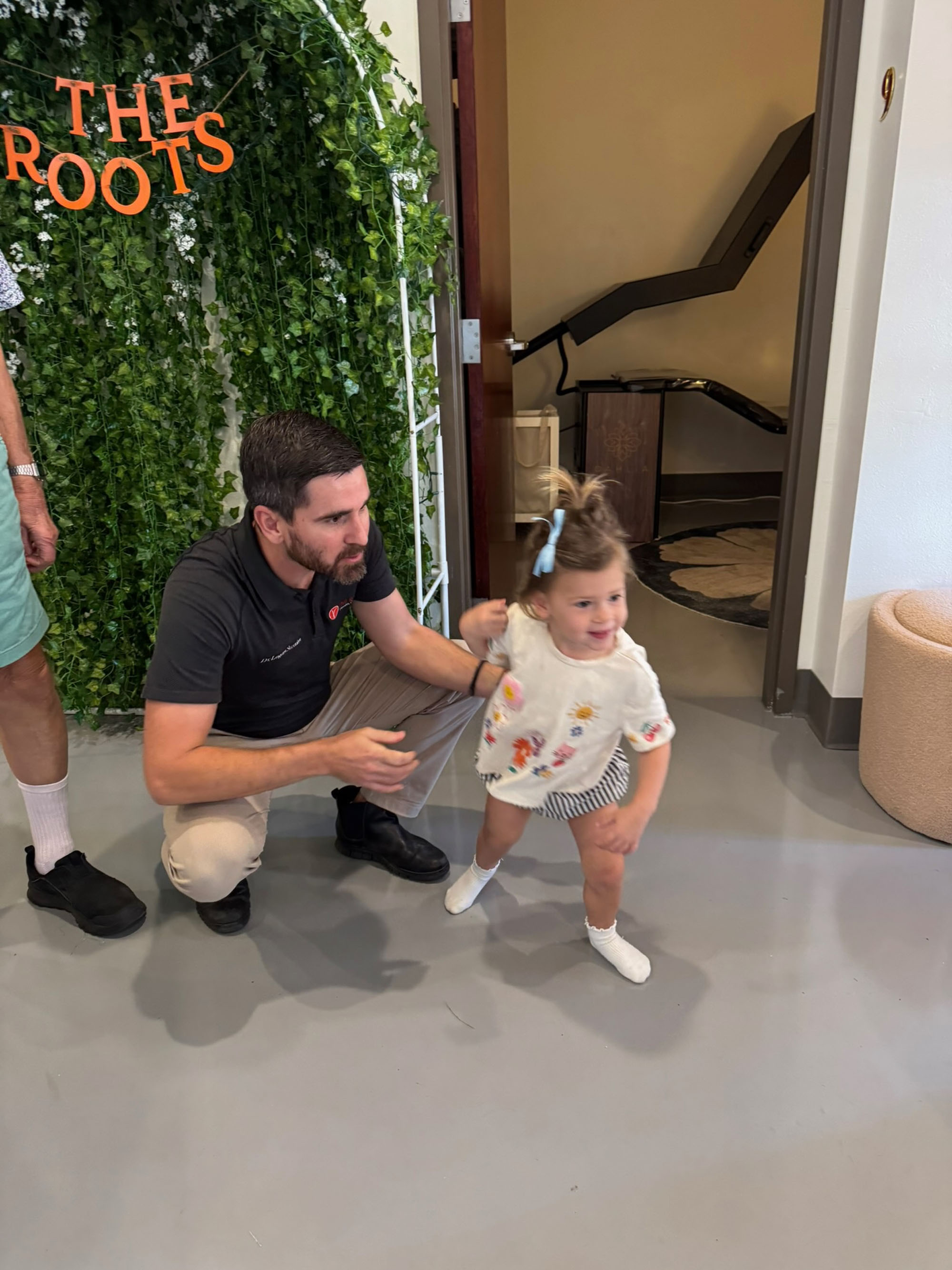
Family day — a Roots tradition.
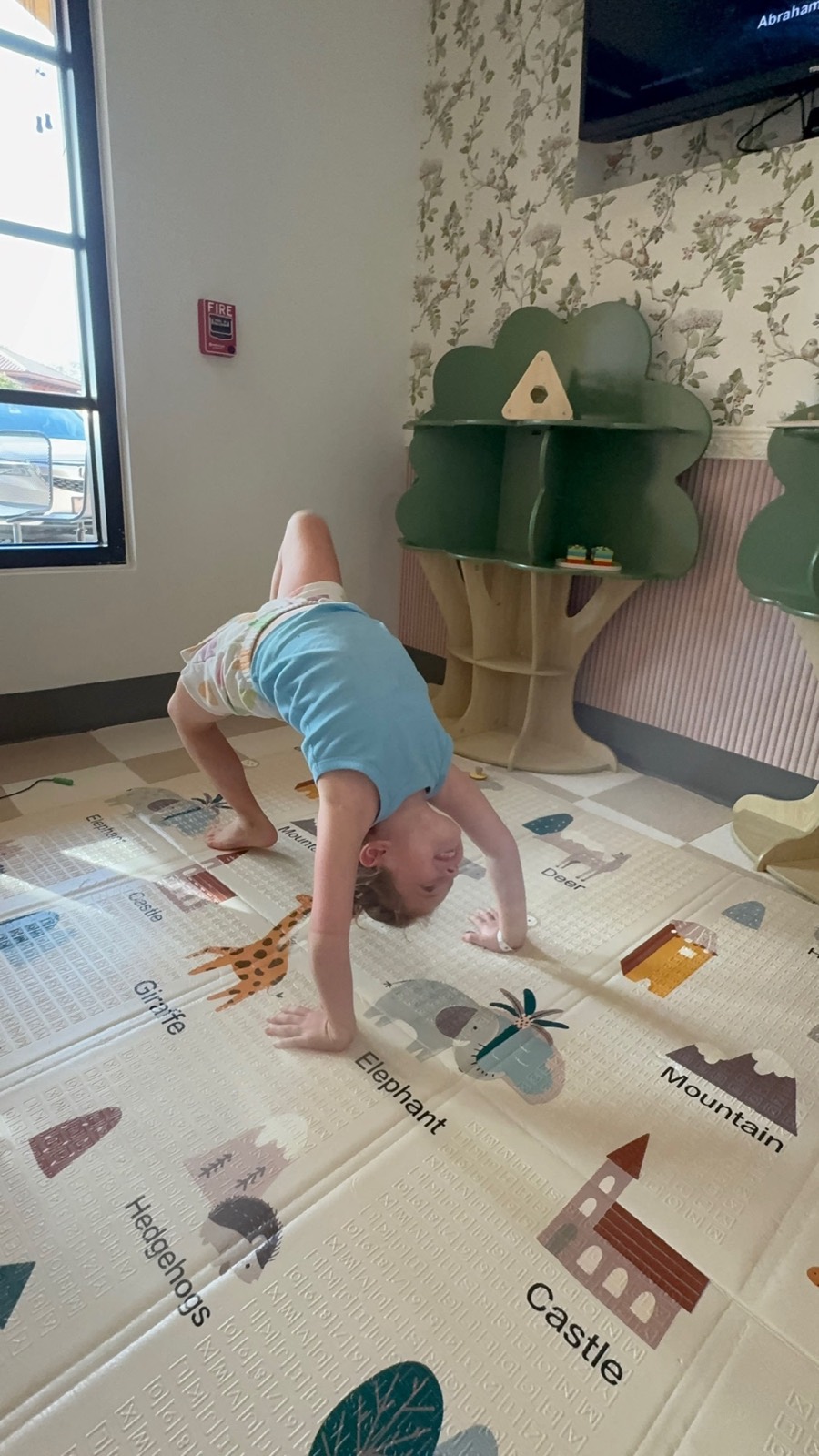
Strong, moving, thriving.
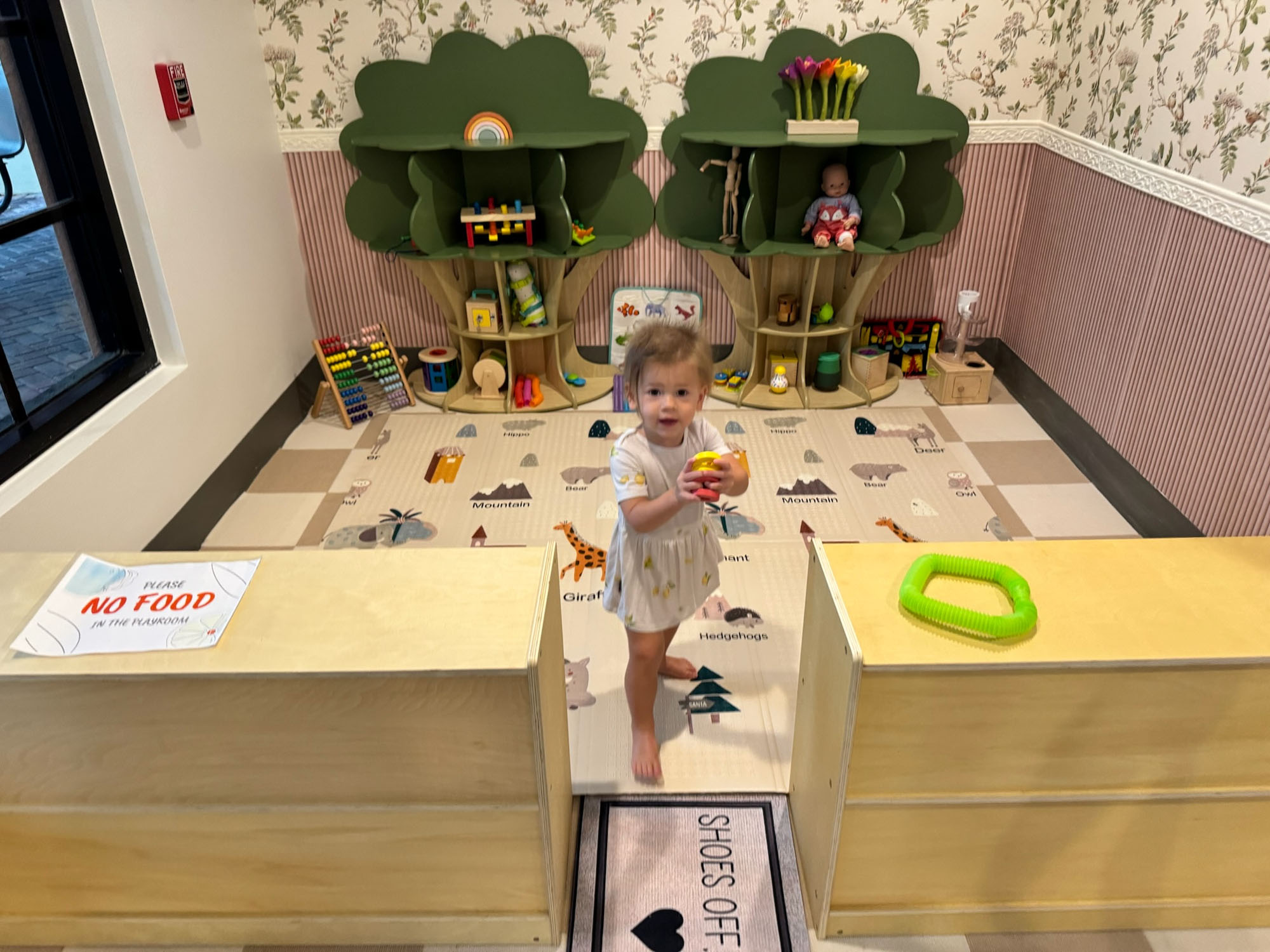
The treehouse — built for imagination.
Keep Exploring
Meet our team
Services that support this
Care we offer for developmental delays
Infant & Newborn Care
Specialized chiropractic care for newborns and infants, using pressure as light as testing the ripeness of a tomato.
Learn more →
Developmental Support
Specialized neurodevelopmental chiropractic for children navigating autism, ADHD, sensory processing, and other complex developmental needs.
Learn more →
Pediatric Wellness
Neurologically-focused chiropractic care for kids and teens — supporting healthy development, immune function, sleep, focus, and behavior.
Learn more →Read more
Articles for parents
Is Chiropractic Safe for Babies? What the Research Actually Shows
Parents ask us every week: is chiropractic safe for my baby? Here is what the published safety data says, what a newborn adjustment actually looks like, and how to find a qualified pediatric chiropractor in Lakewood Ranch.
ADHD and Chiropractic Care: How Nervous System Support Helps Kids Focus
Why more Lakewood Ranch families are adding nervous system support to their child's ADHD plan — what a neurological evaluation reveals and how it fits alongside OT, speech, and your pediatrician.
Other conditions we help with
You may also be looking at

Common questions
Frequently asked questions
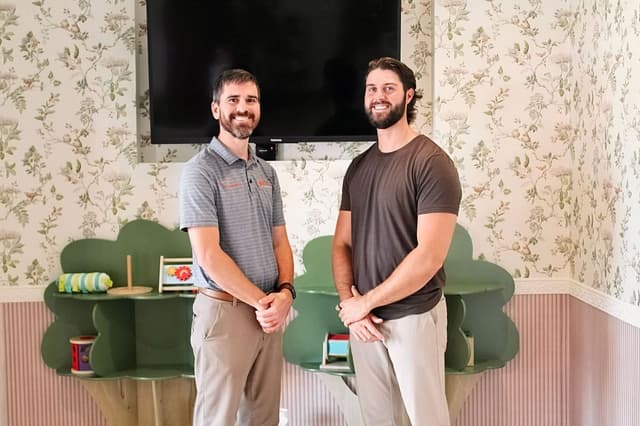
Our Doctors
A pediatric-trained team behind every visit
Little Roots is led by co-directors Dr. Logan Swaim, MS, DC and Dr. Laura Swaim, DC — both Webster Certified, Dr. Laura through the ICPA — alongside Dr. Grayson Fox, DC, who is PX-Certified with advanced training in chiropractic neurology and a dedicated pediatric focus. Carly Lovato, our office and lead case manager, and Yohanna Miller, our patient care coordinator, complete the team your family sees at every visit.
Meet the whole team →Want a personalized look at
your child's nervous system?
Start with a complimentary consultation. We listen first, evaluate gently, and recommend only if there's something we can help with.