

Anxiety in Kids: The Nervous-System Connection
Dr. Grayson Fox, DC
Anxiety in kids can look like stomachaches, meltdowns, or trouble sleeping as much as it looks like worry. Here's a gentle, nervous-system-first way to understand it.
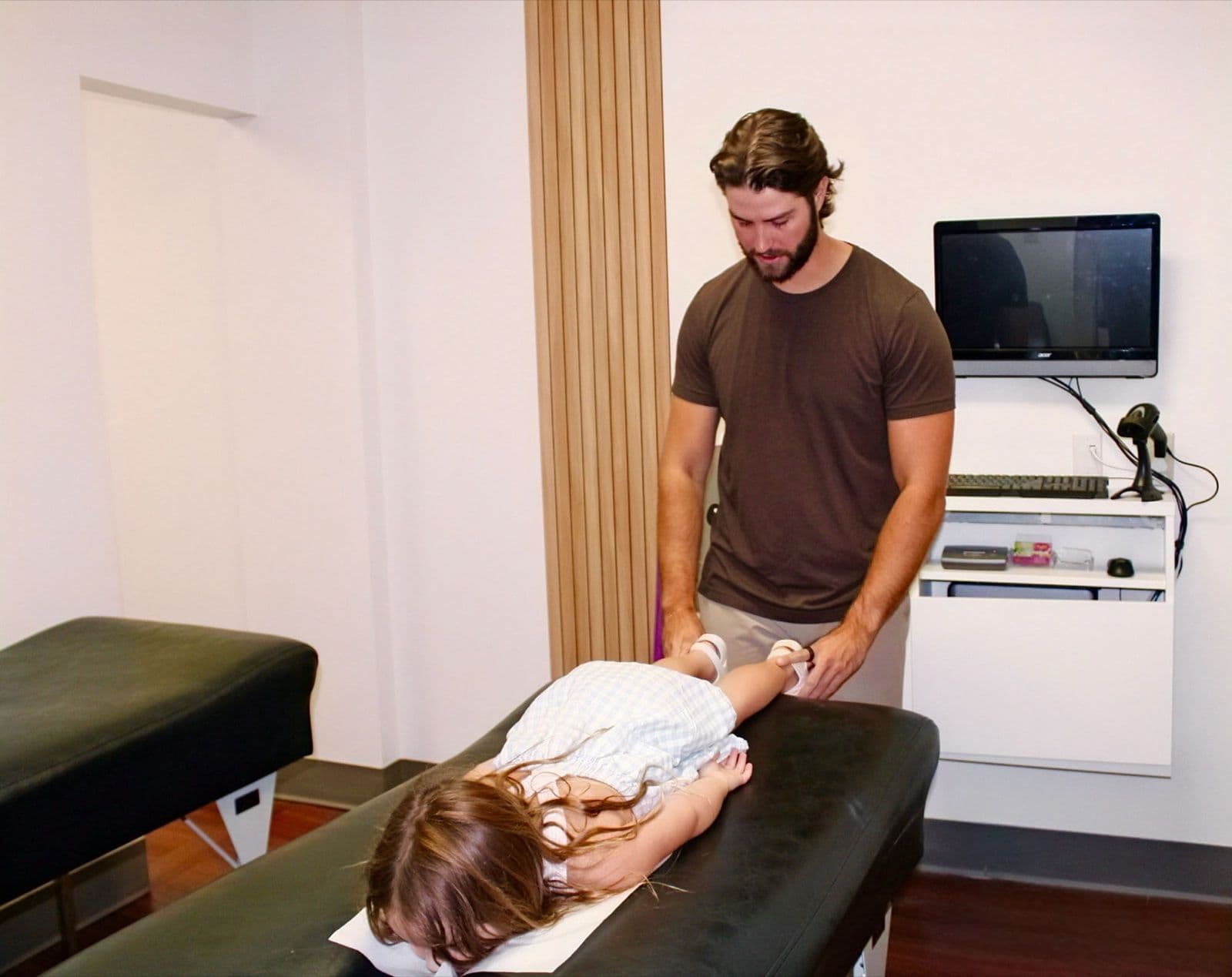
If your child's worry shows up as a stomachache before school, a meltdown over something that seems small, or a bedtime that keeps stretching later and later, you're not imagining a pattern — anxiety in children often shows up in the body before it shows up in words. Kids don't always have the vocabulary to say "I feel anxious." Instead, their nervous system does the talking: a racing heart, a clenched jaw, a stomach that won't settle, or a sudden burst of tears that seems to come from nowhere. Understanding anxiety as a nervous-system pattern — not just a mood or a phase — can help you respond to what your child's body is actually showing you.
Anxiety Is a Nervous-System Response, Not Just a Feeling
When a child feels threatened — even by something that isn't actually dangerous, like a spelling test or a new classroom — their nervous system can shift into a heightened, protective state. That state is meant to be temporary, helping the body respond quickly to a real threat. But for some kids, that heightened state doesn't settle back down easily. Their nervous system stays a little more "on" than it needs to be, which can make everyday transitions, new situations, or even ordinary disappointments feel bigger than they are.
This is why anxiety so often shows up as a physical experience for kids: a stomachache, a tight chest, restless legs, or trouble falling asleep. The body is doing exactly what it's designed to do — it's just doing it more often, or more intensely, than the situation calls for.
Common Signs of Anxiety in Children
Anxiety looks different from child to child, and it doesn't always look like worry on the surface. Patterns parents often notice:
- Frequent stomachaches or headaches with no clear medical cause
- Big reactions to small changes in routine or plans
- Trouble falling asleep, or waking frequently during the night
- Avoidance of certain activities, places, or social situations
- Irritability or meltdowns that seem to come out of proportion to the trigger
- Seeking a lot of reassurance, or asking the same question repeatedly
- Restlessness, fidgeting, or difficulty sitting still
Every child shows anxiety differently, and many of these signs overlap with normal childhood development — which is exactly why a pattern over time matters more than any single moment.
Why the Nervous System Matters Here
Your child's nervous system is constantly reading cues from their body and environment and deciding how safe or unsafe a situation is. When that system is well-regulated, it can shift smoothly between an alert state (useful for a test or a big game) and a calm, settled state (useful for sleep, connection, and rest). For some kids, that shifting doesn't happen smoothly — the nervous system gets a little stuck in the more alert, protective state, even when there's nothing to be alert about.
Our team at Little Roots looks at nervous-system regulation as one piece of the bigger picture for kids who seem anxious, tense, or stuck in a heightened state. This isn't a stand-in for mental health support — it's a complementary piece that looks at how the body itself may be holding onto tension and stress.
How Nervous-System Support May Help
A gentle, nervous-system-focused evaluation looks at how your child's body is holding tension — in the spine, the jaw, and the areas connected to the nervous system's stress response — rather than focusing on behavior alone. For some kids, supporting the body's ability to shift out of that heightened, protective state may help make it easier for them to settle, sleep, and self-regulate.
This pairs well with the tools a therapist, counselor, or pediatrician might already be using. Kids who also show sensory sensitivities alongside anxiety may find it helpful to read Sensory Processing Disorder in Kids, since the two often overlap. Families navigating attention and focus challenges alongside anxious patterns may also find ADHD and Chiropractic Care useful context.
Each child is different, and we take a personalized approach based on what your child's nervous system is showing us — never a one-size-fits-all plan, and never a specific timeline.
What You Can Do at Home
A few gentle, everyday practices that support a calmer nervous system alongside any professional support:
- Consistent routines, especially around sleep and mealtimes, give a child's nervous system predictable cues that help it settle.
- Slow, deep breathing practiced together — even just a few breaths before a transition — can help shift the body out of an alert state.
- Physical movement, like time outdoors or active play, gives built-up nervous-system energy somewhere to go.
- Naming feelings without fixing them ("it sounds like that felt scary") helps a child feel understood rather than corrected.
- Reducing screen time before bed, since bright screens and stimulating content can keep a nervous system in a more alert state right when it needs to wind down.
None of these replace professional support when it's needed — they're simply everyday ways to support the nervous system your child already has.
When to Reach Out for Support
Some worry is a normal part of childhood. It's worth reaching out for additional support — whether that's a pediatrician, a mental health professional, or our team — if anxiety is interfering with school, friendships, sleep, or daily routines on a regular basis, or if physical symptoms like stomachaches or headaches are frequent and unexplained. Getting more eyes on the pattern early tends to be more helpful than waiting to see if it resolves on its own.
Frequently Asked Questions
Can anxiety in children show up as physical symptoms? Yes — stomachaches, headaches, muscle tension, and sleep trouble are all common physical expressions of anxiety in kids, sometimes more noticeable than the worry itself.
Is anxiety in children just a phase? Some worry is a normal, temporary part of development. But when anxious patterns are frequent, intense, or interfering with daily life, it's worth a closer look rather than assuming it will pass on its own.
Can chiropractic care help with anxiety in kids? Our team at Little Roots looks at nervous-system regulation as one piece of support for anxious or tense kids, alongside — not instead of — any mental health or medical care already in place. Each child's plan is personalized to what their nervous system is showing us.
What's the difference between normal childhood worry and an anxiety pattern worth addressing? Frequency and intensity are the biggest clues. Occasional nerves before a big event are typical; worry that shows up often, interferes with sleep or school, or comes with frequent physical symptoms is worth a closer look.
How can I help my anxious child at home? Consistent routines, practicing slow breathing together, physical movement, and naming feelings without rushing to fix them are all gentle, everyday ways to support a child's nervous system.
If your child's worry seems to be showing up in their body as much as their words, our team would love to help you understand the fuller picture. Schedule a complimentary consultation at Little Roots Pediatric Chiropractic in Lakewood Ranch, and let's take a gentle look at what your child's nervous system is telling us.
Learn More
Conditions we help with
Anxiety in Kids
Anxiety isn't worry — it's the nervous system stuck in fight-or-flight when there's no fight to fight. Care that helps the body downshift gives kids more capacity to use the tools that actually work.
Learn moreSensory Processing
Sensory processing isn't a personality quirk — it's the nervous system trying to filter a world that feels overwhelming. Care that calms the system gives your child more room to be themselves.
Learn moreRelated Services
Related Reading
Related articles
Sensory Processing Disorder in Kids: How Nervous-System-Focused Chiropractic Care May Help
If your child melts down at loud sounds, scratchy tags, or busy rooms, you are not imagining it. Here is what sensory processing disorder is and how gentle care may help.
Read articleADHD and Chiropractic Care: How Nervous System Support Helps Kids Focus
Why more Lakewood Ranch families are adding nervous system support to their child's ADHD plan — what a neurological evaluation reveals and how it fits alongside OT, speech, and your pediatrician.
Read articleKeep Reading
More for growing families
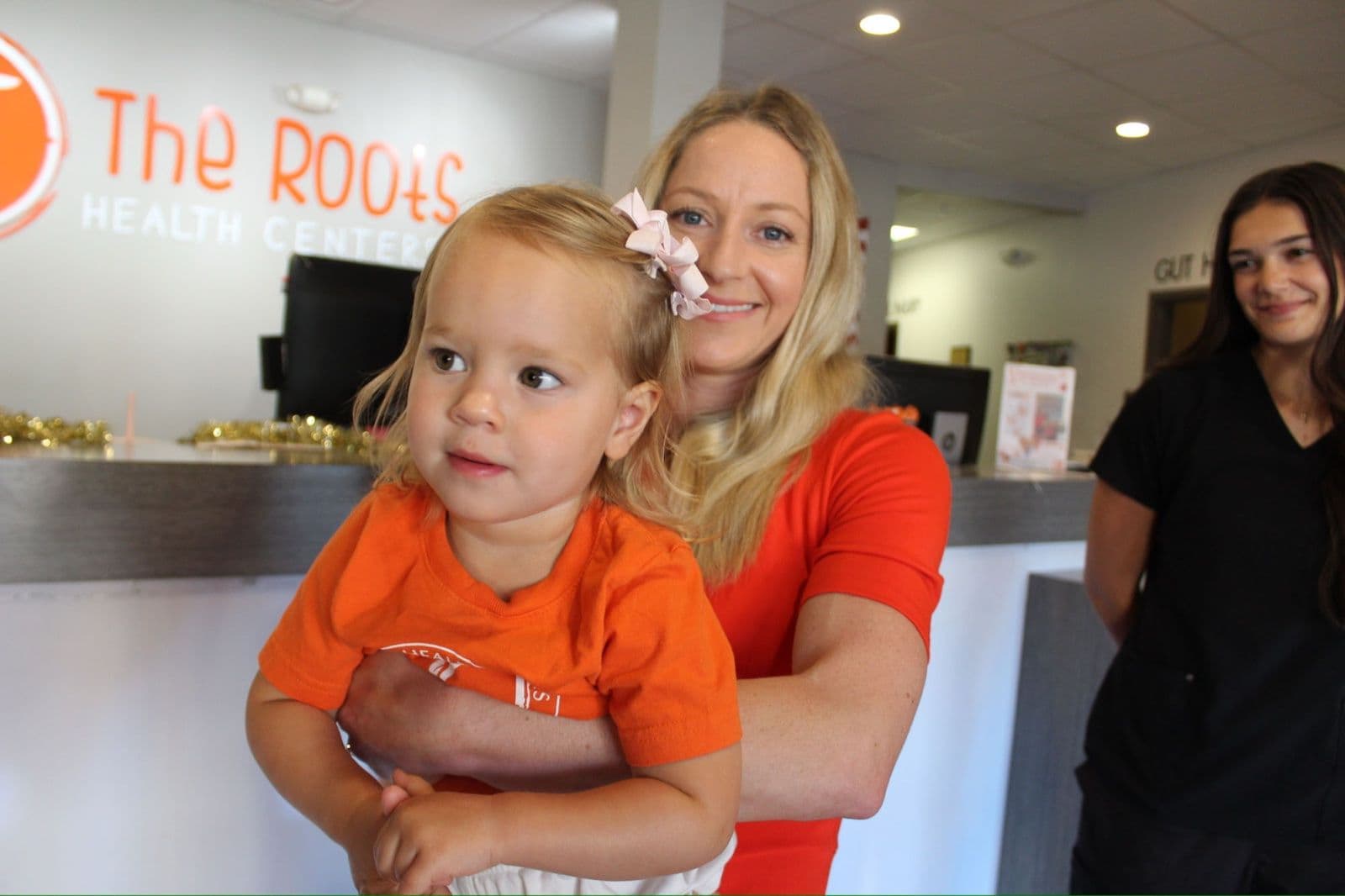
Toddler Bedtime Resistance: Why Bedtime Becomes a Battle
Stalling, stop-and-start requests, and tears at lights-out are common at this age. Here's what may be behind toddler bedtime resistance and gentle ways to support calm.
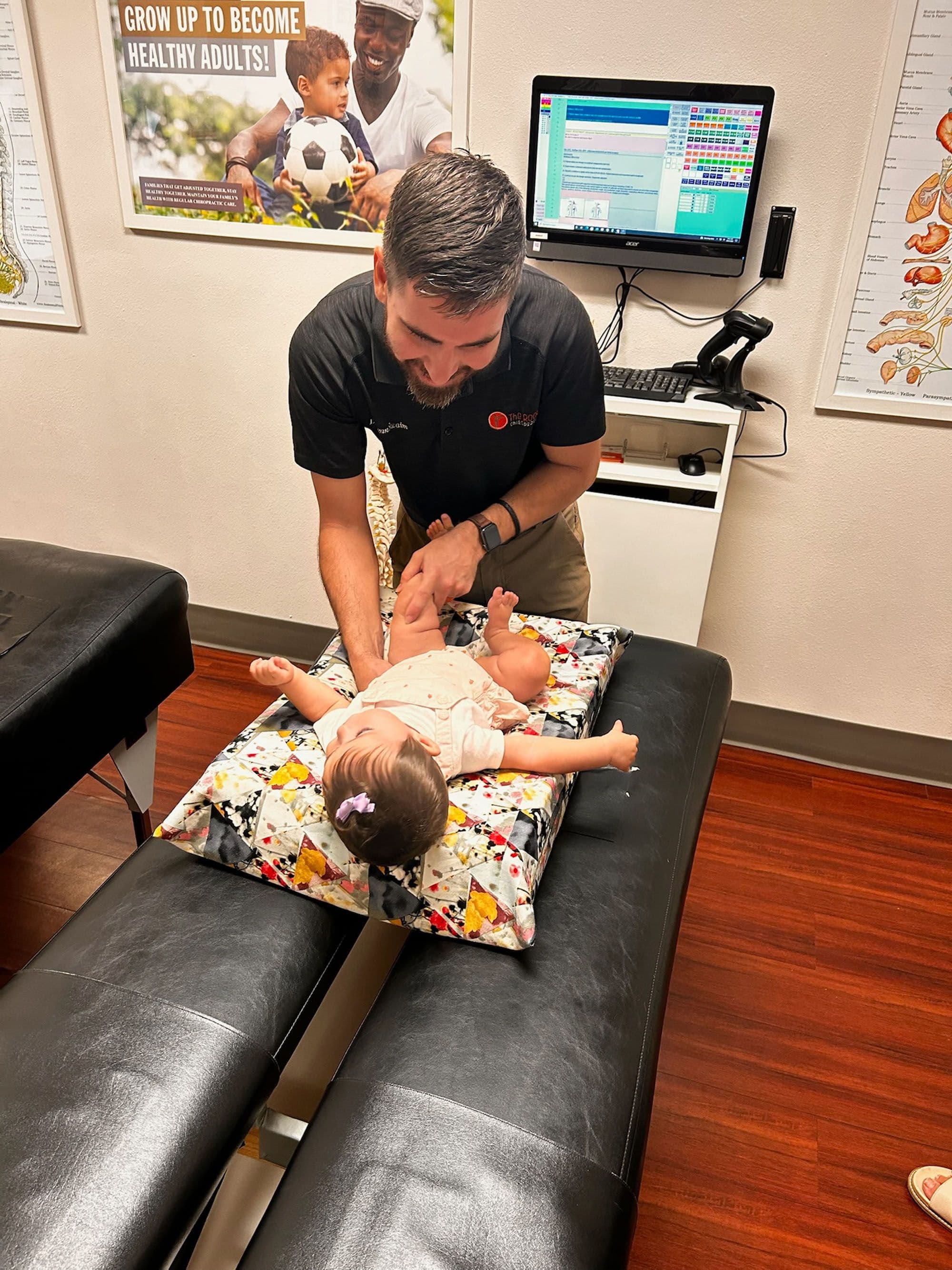
Birth-Related Stress on a Baby's Neck: What Parents Ask
Long labor, assisted delivery, or a tight fit late in pregnancy can leave parents wondering about their baby's neck. Here are the signs to notice and when to call your pediatrician.
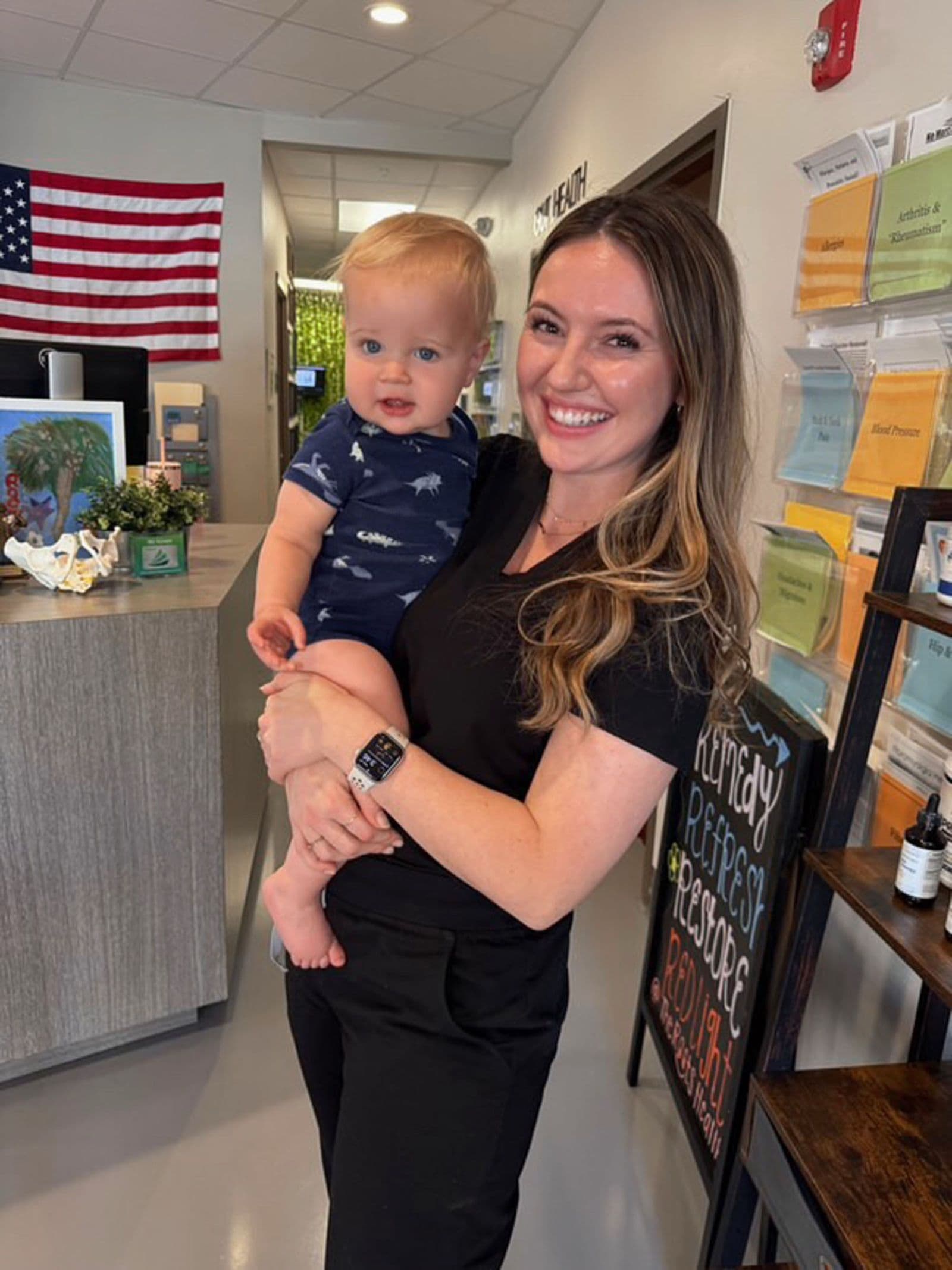
Baby Only Sleeps on You? Understanding Contact Naps
If your baby only sleeps on you, you're not doing anything wrong. Here's why contact naps happen, what your baby's nervous system is telling you, and gentle ideas to try.
Questions about your child?
Schedule a consultation and let's talk through your family's needs together.
Book a Consultation(941) 932-4611