

Why Is My Child Always Getting Sick? Immune Support Basics
Dr. Grayson Fox, DC
Frequent colds and illness can leave parents wondering what's normal. Here's the nervous-system and gut-health connection behind immune resilience, and gentle ways to support your child.
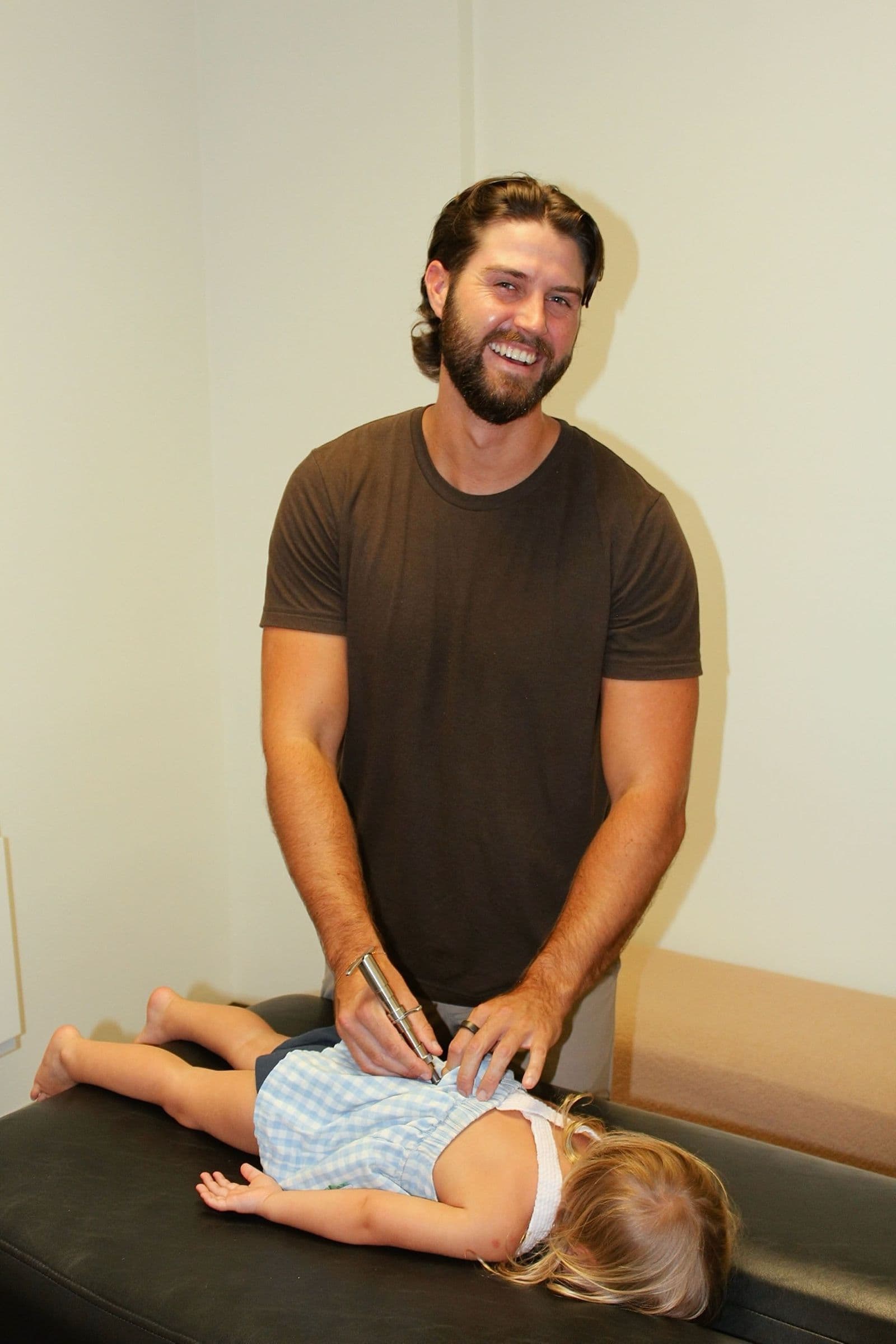
If it feels like your child is barely well before the next cold, cough, or stomach bug hits, you're not imagining it — and you're definitely not alone. Frequent illness is one of the most common worries parents bring to us at Little Roots Pediatric Chiropractic. The good news is there's a lot to look at beyond "just wait it out," starting with a piece that often gets overlooked: how well your child's nervous system is supporting the rest of their body, including their immune response.
What's Actually Normal When It Comes to Kids Getting Sick?
Young children, especially those in daycare, preschool, or with older siblings in school, are exposed to more germs than adults simply because they're still building their immune systems and sharing close space with other kids. Some amount of catching colds and bugs is a normal, expected part of early childhood — it's honestly part of how a young immune system learns. What's worth paying closer attention to is a pattern: illness after illness with little recovery time in between, infections that seem to linger longer than they should, or a child who never quite bounces back to their usual energy and appetite between bugs.
The Nervous System and Immune Function Connection
Your child's nervous system doesn't just control movement and sensation — it also plays a role in regulating the systems that keep the body in balance, including digestion, sleep, and immune response. When the nervous system is under stress or isn't communicating optimally with the rest of the body, it can show up as a body that struggles to recover as quickly as it should between illnesses. This is part of why our team looks at nervous system function as one piece of the whole-child picture — much like the nervous-system lens we use for colic in infants — rather than approaching each cold or stomach bug as an isolated event.
Common Threads Behind Frequent Illness
A few patterns tend to come up again and again with families dealing with a child who's frequently sick:
Gut health. A large portion of the immune system is closely tied to gut health, which is one reason picky eating and gut health in kids so often come up in the same conversation as frequent illness.
Sleep quality. Sleep is when a lot of the body's repair and immune work happens. A child dealing with ongoing sleep issues may have less capacity to recover between bugs.
Environmental exposure. Daycare, preschool, and school naturally mean more germ exposure — this one isn't necessarily a sign anything is wrong, just a reality of shared spaces.
Stress and big transitions. A new sibling, a move, starting school, or other big changes can affect a child's whole-body regulation, including immune resilience, even when it doesn't look like "stress" the way it might in an adult.
Screen time and activity levels. Movement supports circulation and overall regulation. A child who spends most of the day sedentary may have less of the natural movement that supports a well-functioning body, on top of whatever else is going on.
What Frequent Illness Doesn't Necessarily Mean
It's easy for a rough winter of colds to spiral into worry that something is fundamentally wrong with your child's immune system. Most of the time, that's not the case. A toddler starting daycare for the first time, a preschooler with several older siblings, or a family going through a big transition can all see a temporary uptick in how often illness shows up — without it reflecting a lasting problem. Try to notice the overall trend over months, not any single rough week, and remember that a busy cold season doesn't mean you're doing anything wrong as a parent.
Gentle, Drug-Free Ways to Support Your Child's Immune System
Prioritize consistent sleep. A predictable bedtime routine and enough total sleep for your child's age go a long way in supporting the body's natural recovery process.
Focus on whole-food nutrition. Meals built around whole foods, plenty of produce, and adequate protein give the body real building blocks to work with, rather than relying on any single "immune booster."
Reduce unnecessary overstimulation. Downtime matters. A packed schedule with little rest can add up, even for young children.
Support nervous system regulation. Gentle, nervous-system-focused pediatric chiropractic care is one piece some families choose to explore as part of supporting their child's overall function and resilience, alongside — never instead of — their pediatrician's care.
When Frequent Illness Might Signal Something More
Sometimes a pattern of frequent illness centers on one specific area, like recurring ear infections and the fussiness, ear-tugging, and disrupted sleep that come with them. If that sounds like your child, it's worth reading more about the connection between chronic ear infections and how the body handles ongoing congestion and pressure. In any case, persistent or recurring illness is always worth discussing with your child's pediatrician first, since our care is meant to support your child's overall function alongside their medical care, not replace it.
How Our Team Supports Whole-Child Health at Little Roots
Every child is different, so our team takes a personalized approach based on what your child's nervous system is showing us — never a one-size-fits-all plan and never a promise of a specific number of visits or a set timeline. A visit typically starts with a consultation and a full neurological evaluation, so we can understand your child's specific patterns before making any recommendations. From there, our team talks through what we're seeing and what a reasonable next step might look like for your family.
Frequently Asked Questions
Is it normal for young kids to get sick often? Yes, especially in the daycare and preschool years — it's a normal part of a developing immune system encountering new germs for the first time. What matters more than the number of illnesses is whether your child generally bounces back and has periods of feeling well in between.
Can chiropractic care help with a child's immune system? Nervous-system-focused pediatric chiropractic care is something some families explore as one piece of supporting their child's overall function and resilience. It's meant to complement — not replace — your pediatrician's guidance and care.
Does gut health really affect how often kids get sick? Gut health and immune function are closely connected, which is why nutrition and digestion often come up in conversations about frequent illness. It's one piece of a bigger picture that also includes sleep, stress, and overall nervous system regulation.
Should I be worried if my child seems to catch every bug going around? Widespread exposure at daycare or school explains a lot of this on its own. What's worth a closer look is a child who isn't recovering well between illnesses or who seems to be missing typical developmental energy and engagement — that's a good conversation to have with your pediatrician and our team.
What does a first visit at Little Roots look like? A first visit includes a consultation and a full neurological evaluation so our team can understand your child's specific nervous system patterns before making any recommendations for your family.
A Gentle Next Step for Your Family
If frequent illness has your family feeling like you're always one step behind, you don't have to figure it out alone. Schedule a visit with our team at Little Roots Pediatric Chiropractic in Lakewood Ranch, and let's look at the whole picture together.
Learn More
Conditions we help with
Ear Infections
When a child gets four, six, eight ear infections in a year, the question isn't just 'which antibiotic?' — it's why drainage keeps failing. Gentle chiropractic care targets the eustachian tube mechanics and vagal tone that make drainage possible in the first place.
Learn moreSleep Issues (Toddlers & Kids)
Bedtime battles, frequent night wakings, and 2 a.m. visits to your room aren't just phases — they're signals that a toddler or child's nervous system isn't downshifting the way it should. Gentle care helps it find the transition the body needs to rest.
Learn moreRelated Services
Related Reading
Related articles
Ear Infections and Chiropractic: Why Your Child's Ears Keep Getting Infected
Chronic ear infections in kids often follow a frustrating cycle of antibiotics and ENT referrals. Here's what the nervous system has to do with it — and how pediatric chiropractic care can support your child's ability to drain and heal naturally.
Read articleColic and the Nervous System: Why Your Baby Can't Stop Crying
Colic is often a nervous system problem, not a stomach problem. Learn why babies get colic, what's really happening, and how gentle pediatric chiropractic care helps.
Read articlePicky Eating and Gut Health in Kids: A Gentle Guide for Parents
Read articleKeep Reading
More for growing families
Baby Only Sleeps on You? Understanding Contact Naps
If your baby only sleeps on you, you're not doing anything wrong. Here's why contact naps happen, what your baby's nervous system is telling you, and gentle ideas to try.
Baby Won't Take a Bottle? Gentle Troubleshooting for Parents
A baby who refuses the bottle can leave any parent frazzled. Here are the common reasons, gentle things to try, and the signs that mean it's time to call your pediatrician.
Baby Constipation: What's Normal and Gentle Ways to Help
Straining, fussing, and hard little poops can worry any parent. Here's what's normal for babies, gentle ways to help, and when it's time to call your pediatrician.
Questions about your child?
Schedule a consultation and let's talk through your family's needs together.
Book a Consultation(941) 932-4611