

Picky Eating and Gut Health in Kids: A Gentle Guide for Parents
Dr. Grayson Fox, DC
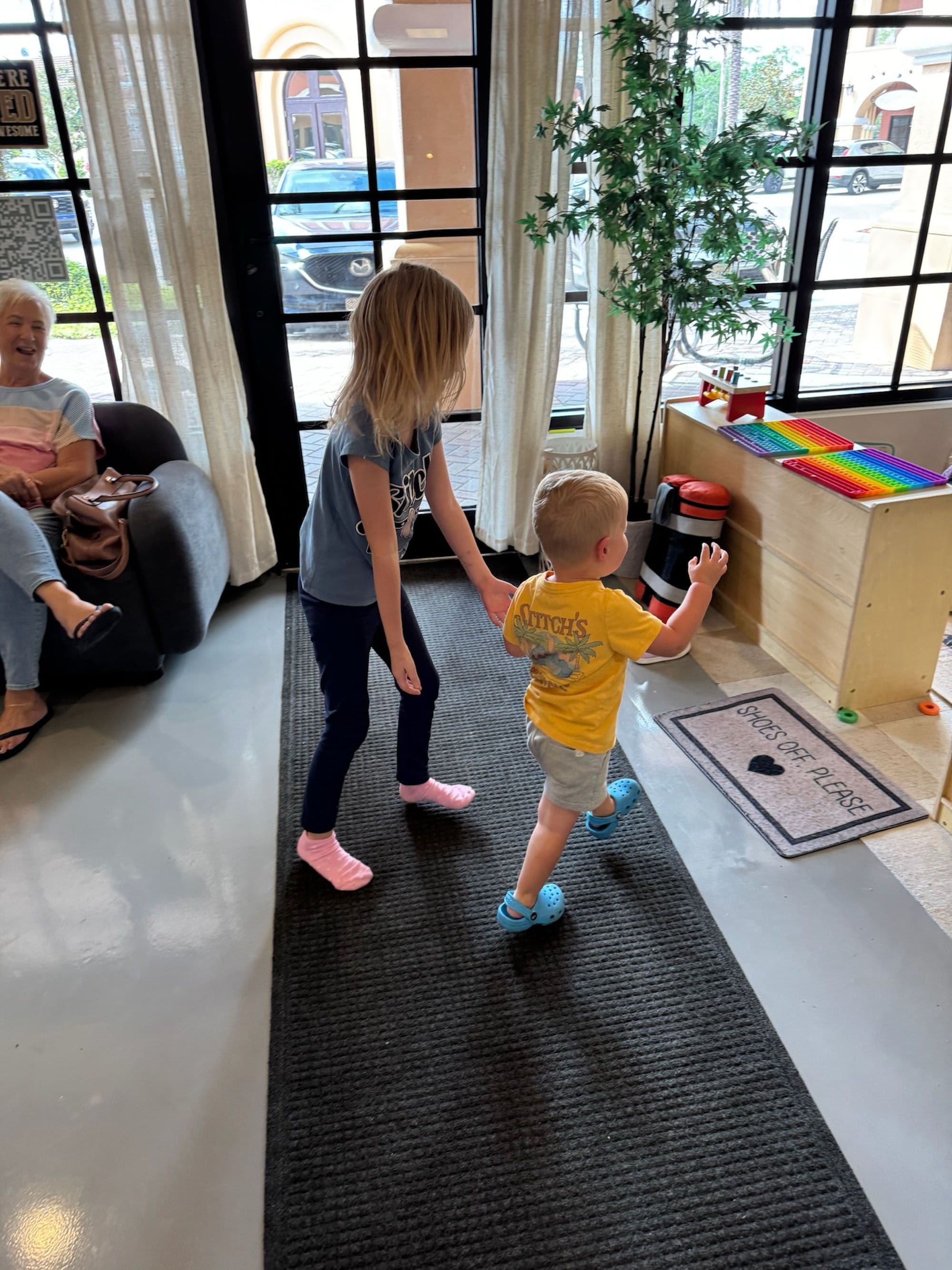
If mealtimes at your house have turned into a negotiation — or a full standoff — over three bites of chicken, you are far from alone. Picky eating is one of the most common concerns parents bring up with our team at Little Roots, and for good reason: it's developmentally normal, it's exhausting to live with day to day, and it often raises a quieter question underneath it — could there be more going on, like something with my child's gut or nervous system? Here's what's actually behind picky eating, the gut-health connection worth understanding, and gentle approaches that can help.
Why Picky Eating Is So Common in Toddlers
Somewhere between roughly ages two and six, many toddlers go through a phase often called "food neophobia" — a natural wariness of new or unfamiliar foods. It tends to show up right alongside a broader developmental push for independence and control, and food is one of the few areas where a toddler has real say over what goes in their body. A child who happily ate a wide variety of foods as a baby suddenly refusing anything but plain noodles is a very typical pattern, not a sign that something has gone wrong.
The Gut-Brain Connection in Picky Eating
Digestion and the nervous system are more connected than most people realize. The gut has its own dense network of nerves — sometimes called the "second brain" — that communicates constantly with the central nervous system. When a child's gut is uncomfortable, eating itself can become something the body starts to associate with discomfort, which can reinforce avoidance of food in general or specific textures. We've written more about toddler constipation and gentle ways to support it, since digestive comfort is often an overlooked piece of the picky-eating picture.
Is It Picky Eating, or a Sensory Sensitivity?
For some kids, what looks like stubbornness is actually a sensory response — a strong reaction to a food's texture, temperature, or smell that isn't really about the food being "yucky" in the way we'd assume. This is more common in kids who also show sensitivity to other textures, like clothing tags or messy hands, and it can overlap with broader sensory processing patterns. This isn't something to be alarmed about — it's simply useful information, because a child with a genuine sensory sensitivity often responds better to a different approach than a child who's mostly asserting independence.
Gentle Strategies That Actually Help
A few approaches many families find helpful:
- Keep exposure low-pressure. Research on feeding consistently shows that repeated, pressure-free exposure to a new food — sometimes many tries, without any expectation that it gets eaten — is what eventually builds familiarity. Pressure and bargaining tend to backfire.
- Try "division of responsibility." A widely used feeding approach: the parent decides what, when, and where food is offered; the child decides whether and how much to eat from what's offered. This takes the power struggle out of the equation.
- Involve your child in food prep. Kids are often more willing to try something they helped rinse, stir, or plate themselves.
- Serve one "safe" food alongside new foods. This keeps mealtime from becoming a hunger standoff while new foods stay on the table without pressure.
- Keep the tone calm. Toddlers pick up on tension around food fast, and a calm, neutral mealtime environment tends to support better eating over time more than urgency does.
Every child is different, and what works well for one toddler may not land the same way for another — our team can help you figure out what fits your child.
What About Filling Nutrition Gaps?
It's natural to worry that a limited diet means your toddler is missing key nutrients. In most cases, appetite and food variety average out over several days rather than any single meal — a toddler who eats almost nothing at dinner may make up for it at breakfast, and totals over a week tend to look more reasonable than one meal suggests. A pediatrician-recommended children's multivitamin can offer some reassurance during an especially restrictive stretch, but it isn't a replacement for the gut-comfort and low-pressure strategies above, which address why a child is avoiding food in the first place rather than just supplementing around it. If you're worried about a specific nutrient gap, your pediatrician can check with simple blood work rather than guesswork.
Building a Positive, Long-Term Relationship With Food
How picky eating gets handled now shapes how a child relates to food later. Kids who grow up with calm, pressure-free mealtimes tend to develop a healthier long-term relationship with eating than kids who were pushed, bribed, or bargained with around food. That doesn't mean every meal needs to be relaxed and easy — some days are simply hard — but the overall pattern matters more than any single dinner. Modeling variety yourself, eating together as a family when you can, and keeping your own comments about food neutral — avoiding labeling any food as "bad" or your child as "picky" within earshot — all support this over time.
What We Look At During a Pediatric Evaluation
When a family comes to Little Roots Pediatric Chiropractic with concerns about picky eating, our team looks at the whole picture rather than just the mealtime behavior — including how your child's nervous system and gut appear to be functioning day to day. A full neurological evaluation can help identify whether there's an underlying regulation piece contributing to the pattern. You can read more about what a pediatric evaluation involves. Each child is different, so we take a personalized approach based on what your child's nervous system is showing us.
When to Loop In Your Pediatrician
Picky eating is usually a developmental phase that eases with patience and a calm approach. It's worth a conversation with your pediatrician if your child is losing weight or not gaining as expected, gags or chokes frequently, eats an extremely limited list of foods, or shows significant distress around all meals rather than just some. These patterns are less common, but worth a professional look.
Frequently Asked Questions
Is picky eating in toddlers normal?
Yes — a wariness of new or unfamiliar foods is a very common developmental phase, often tied to a toddler's broader push for independence. Most children move through it gradually.
How do I get my picky toddler to eat more foods?
Low-pressure, repeated exposure tends to work better than bargaining or pressure. Many families also find a "division of responsibility" approach helpful: you decide what and when food is offered, and your child decides whether and how much to eat.
Could picky eating be connected to gut health?
It can be. Digestive discomfort can make a child associate eating with discomfort, which may reinforce food avoidance. Supporting digestive comfort is often an overlooked piece of the picture.
How can I get my picky eater to try vegetables?
Involving your child in preparing the food, serving new foods alongside a familiar "safe" food, and keeping the tone calm and pressure-free all tend to help more than insisting a food gets eaten.
Should I give my picky eater a multivitamin?
A pediatrician-recommended children's multivitamin can offer some reassurance during a restrictive stretch, but it works best alongside — not instead of — the gut-comfort and low-pressure feeding strategies that address why a child is avoiding food in the first place.
When should I be more concerned about picky eating?
If your child is losing weight, gagging or choking frequently, eating an extremely limited list of foods, or showing significant distress at most meals, it's worth a conversation with your pediatrician.
If you're navigating a picky eater and want a fuller picture of what might be contributing — gut comfort, sensory patterns, or nervous system regulation — our team is happy to help. Book a complimentary consultation at Little Roots Pediatric Chiropractic in Lakewood Ranch.
Little Roots Pediatric Chiropractic, 8209 Natures Way, Unit 117, Lakewood Ranch, FL 34202. (941) 932-4611.
Learn More
Conditions we help with
Related Services
Related Reading
Related articles
Toddler Constipation Relief: Gentle, Drug-Free Ways to Help Your Little One
If your toddler is straining, skipping days, or crying on the potty, you're not alone. Here's why it happens and gentle, drug-free ways to help your little one feel better.
Read articleSensory Processing Disorder in Kids: How Nervous-System-Focused Chiropractic Care May Help
If your child melts down at loud sounds, scratchy tags, or busy rooms, you are not imagining it. Here is what sensory processing disorder is and how gentle care may help.
Read articleWhat a Pediatric Chiropractor Does: A Gentle Guide for Parents
Wondering what a pediatric chiropractor actually does for kids and babies? Here's a gentle, plain-English look at the care, the first visit, and the concerns families bring in.
Read articleQuestions about your child?
Schedule a consultation and let's talk through your family's needs together.
Book a Consultation(941) 932-4611