

Chiropractic and ADHD: A Nervous-System Lens
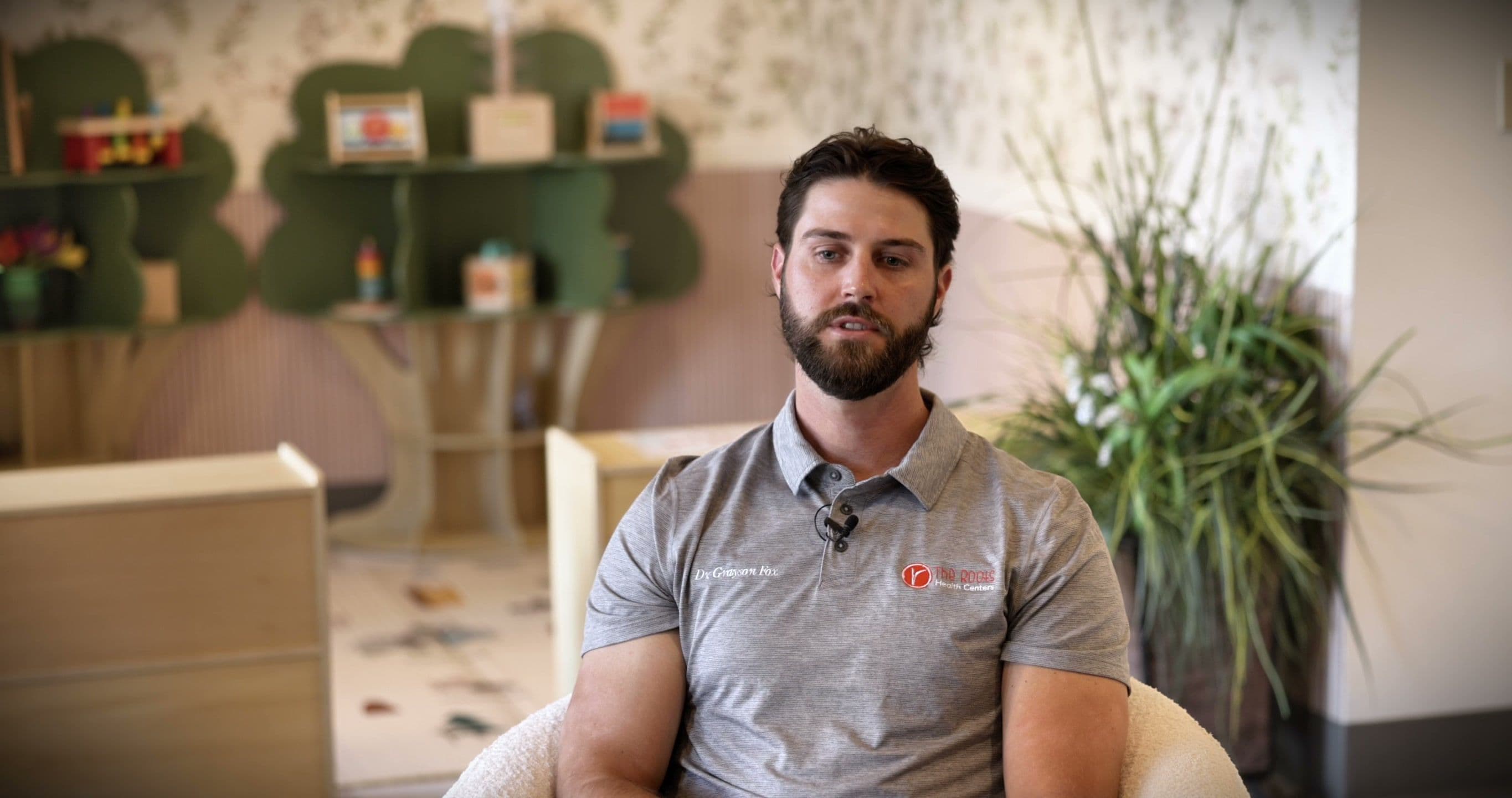
Dr. Grayson Fox, DC
Chiropractic care isn't a treatment for ADHD — but it can offer a nervous-system-focused lens that complements your child's care team. Here's an honest look.
If you've searched "chiropractor for ADHD," you've probably found a mix of big promises and outright skepticism — and neither extreme is particularly helpful when you're just trying to understand your child. Chiropractic care isn't a treatment for ADHD, and no reputable provider should tell you otherwise. What it can offer is a nervous-system-focused look at how your child's body is functioning, which is a different (and complementary) lens than the one most ADHD conversations start with. Here's how our team thinks about chiropractic and ADHD, and where it realistically fits.
What "Chiropractic for ADHD" Actually Means
Let's start with what this isn't: chiropractic care doesn't diagnose, treat, or cure ADHD, and it isn't a replacement for the medical and behavioral support a child with ADHD may need. What our team focuses on instead is the nervous system — how well it's regulating input, processing sensory information, and functioning day to day. For some families, understanding what's happening in that system is a helpful piece of a much bigger picture that includes pediatricians, therapists, teachers, and parents all working together.
The Nervous-System Connection
A child's nervous system is constantly taking in information — sound, light, movement, touch — and deciding what to respond to and what to filter out. When that regulation process is working smoothly, a child can generally shift between focus and rest without much friction. When it's not, that can look like difficulty settling, trouble filtering out distractions, or a body that seems to be in constant motion.
This is the lens our team brings to a child's care: not "fixing ADHD," but understanding how well a child's nervous system is supporting regulation, and whether tension or dysfunction in the spine may be part of what's making that harder. Every child's nervous system is different, so what we find — and what we recommend — depends entirely on what shows up during an evaluation.
What an Evaluation Looks Like for a Child With ADHD
If you bring your child in, the visit starts with a conversation — what you're noticing at home and school, your child's history, and what you're hoping to understand better. From there, our team performs a full neurological evaluation, along with any necessary X-rays, to get a clear picture of your child's nervous system and spine.
Every child's plan looks different, because every child's evaluation looks different. We don't hand out a generic protocol or promise a specific number of visits — what we recommend is based entirely on what we find, and it's built around your child, not a template.
Signs Parents Often Notice
Families who come in asking about ADHD and the nervous system often describe overlapping patterns, including:
- Trouble sitting still or a body that always seems to be moving
- Big reactions to sounds, textures, or lights that don't seem to bother other kids
- Difficulty shifting attention from one thing to another
- Trouble settling down at bedtime, even when clearly tired
- Meltdowns that seem out of proportion to what triggered them
Some of these overlap with what's sometimes described as sensory-processing support, which is its own related — but distinct — area. Our developmental support approach covers the nervous-system-first framework our team uses across ADHD, sensory, and focus-related concerns.
What This Isn't
To be direct: this isn't a claim that chiropractic care resolves ADHD, and it isn't a substitute for the professional evaluation, therapy, or medical care your child's pediatrician or specialist may recommend. Think of it as one additional lens — a look at nervous-system function that can sit alongside, not instead of, the rest of your child's care team. If your child is already working with other providers, we're glad to be one part of that bigger picture, not the whole of it.
Frequently Asked Questions
Can a chiropractor diagnose ADHD? No. ADHD diagnosis is outside the scope of chiropractic care and belongs with a pediatrician or a specialist trained in that evaluation. Our team's role is focused on nervous-system function, not diagnosis.
Is chiropractic care for ADHD safe for kids? Pediatric chiropractic care uses gentle, low-force techniques suited to a child's developing body. Our team will always walk you through what an evaluation and any recommended care actually involves before starting.
How is chiropractic care for ADHD different from sensory processing support? The two overlap in the nervous-system regulation piece, but they're not the same thing. Our sensory-processing page covers that related area in more depth if you're not sure which describes what you're seeing.
Will chiropractic care replace my child's ADHD medication or therapy? No — it's not designed to, and our team will never suggest stopping or changing anything a physician has prescribed. This is meant to complement your child's existing care, not replace it.
How many visits will my child need? There's no set number. Every child's nervous system and needs are different, so any recommendations come directly from what your child's evaluation shows, not a standard timeline.
For the fuller picture of how we evaluate and support kids with attention challenges, see our pediatric chiropractor for ADHD overview — or explore what ongoing pediatric wellness care looks like at Little Roots.
If you're curious what a nervous-system-focused evaluation could show for your child, schedule a complimentary consultation at Little Roots Pediatric Chiropractic in Lakewood Ranch, FL, or call (941) 932-4611. Our team is happy to talk through what we do — and don't — offer before you ever book a visit.
Little Roots Pediatric Chiropractic, 8209 Natures Way, Unit 117, Lakewood Ranch, FL 34202.
Learn More
Conditions we help with
ADHD & Attention
ADHD isn't a behavior problem and chiropractic isn't a treatment for it. But care that helps the nervous system regulate gives kids with attention challenges more capacity to use the tools that work — and that's everything.
Learn moreSensory Processing
Sensory processing isn't a personality quirk — it's the nervous system trying to filter a world that feels overwhelming. Care that calms the system gives your child more room to be themselves.
Learn moreRelated Services
Keep Reading
More for growing families

What to Expect at Your Baby's First Pediatric Chiropractic Visit
A step-by-step walkthrough of what actually happens at your baby's first pediatric chiropractic visit — the conversation, the gentle evaluation, and what care looks like for an infant.
Seasonal Allergies in Kids: A Gentle, Nervous-System-Supportive Approach
Seasonal allergies in kids often show up as a runny nose, congestion, or a child who just seems "off" for weeks. Here's what's happening and gentle, drug-free ways to offer support.
Silent Reflux in Babies: The Reflux You Can't See
Not all reflux comes with spit-up. Silent reflux can cause real discomfort with none of the obvious signs — here's what parents should know.
Questions about your child?
Schedule a consultation and let's talk through your family's needs together.
Book a Consultation(941) 932-4611