

Toddler Picky Eating vs. Sensory Food Aversion: How to Tell Them Apart
Dr. Grayson Fox, DC
Almost every toddler goes through a picky-eating phase — but sometimes there's more going on. Here's how to tell ordinary pickiness apart from a sensory food aversion.
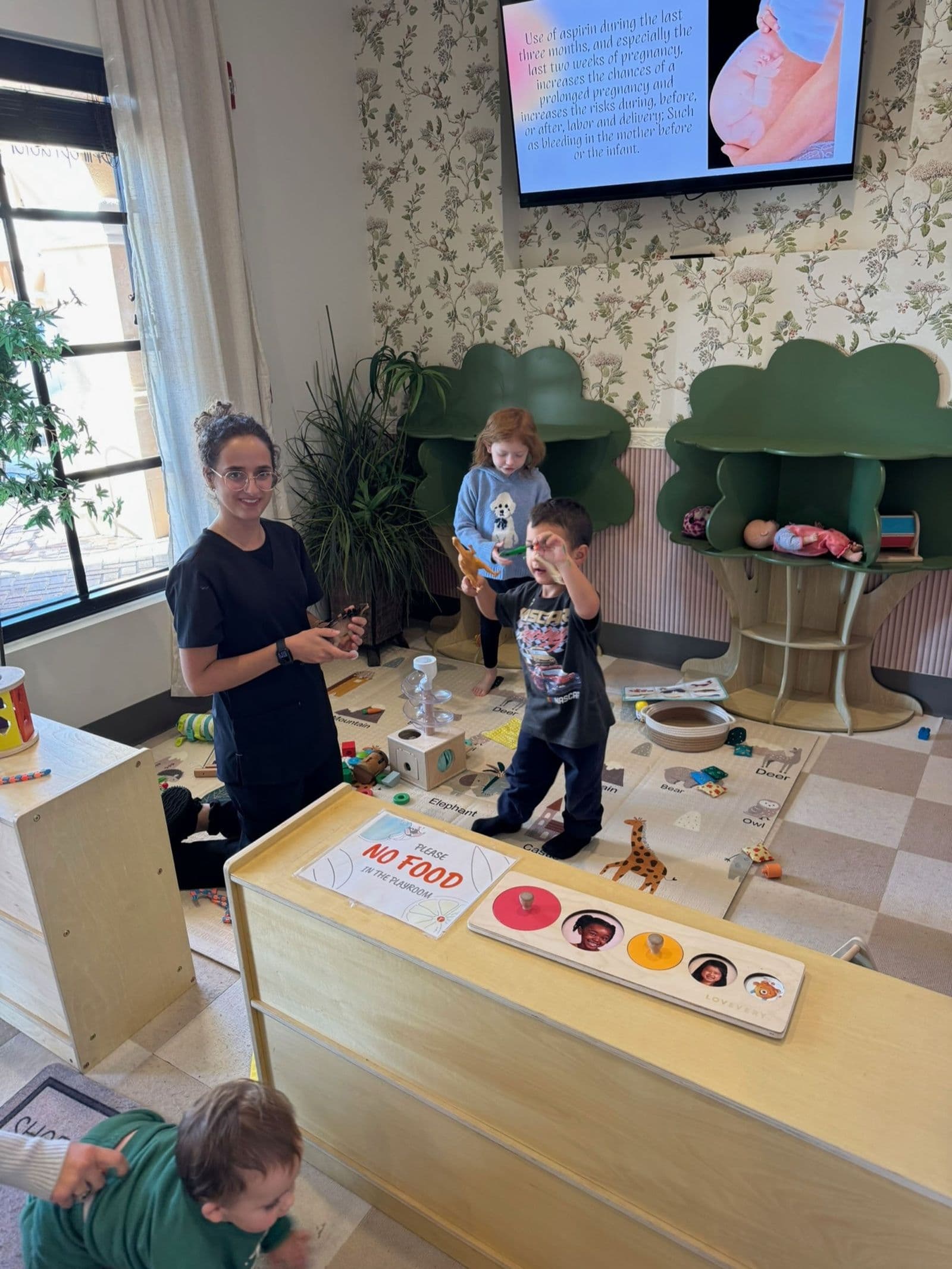
Nearly every toddler goes through a phase of refusing foods, insisting on the same five meals on repeat, or gagging at the sight of something green. Most of the time, this is completely normal toddler behavior — a mix of budding independence and a still-developing palate. But sometimes what looks like ordinary pickiness is actually a sensory food aversion, where texture, smell, or appearance genuinely overwhelms a child's nervous system. Telling the two apart matters, because they call for different kinds of support.
What Typical Picky Eating Looks Like
Ordinary toddler picky eating tends to follow a familiar pattern: a child rejects new foods on sight (sometimes called food neophobia), gravitates toward a small rotation of "safe" favorites, and may go through phases where an entire food category is suddenly off the table. It's frustrating for parents, but it's also developmentally normal — somewhere between ages 2 and 4, many toddlers become more cautious about what goes in their mouths as part of asserting control over their world.
Typical picky eating usually comes and goes. A food that was refused for weeks might suddenly be accepted again, and the pickiness tends to ease gradually as a child gets older, even if it never fully disappears in early childhood. We've written more about picky eating and the gut-health connection if you want a broader look at ordinary toddler food struggles.
What Sensory Food Aversion Looks Like Instead
A sensory processing difference is a different picture. Rather than simply preferring familiar foods, a child with a sensory food aversion may have a genuinely outsized reaction to specific textures, smells, temperatures, or even the sound a food makes when chewed. Gagging, spitting food out reflexively, or becoming visibly distressed — not just refusing — are common signs that something more than ordinary caution is going on.
A few patterns tend to point toward sensory aversion rather than typical pickiness: an extremely narrow list of accepted foods that doesn't loosen much over time, strong reactions to foods touching each other on the plate, refusing entire texture categories (all mixed textures, all "slimy" foods, all crunchy foods) rather than specific items, or sensory sensitivities that show up in other areas too — clothing tags, loud noises, or messy-hands play. When food refusal is this rigid and this intense, it's often less about taste preference and more about how a child's nervous system is processing sensory input.
Why the Distinction Actually Matters
Treating a sensory food aversion the same way you'd treat ordinary picky eating — more exposure, more pressure to "just try it" — can sometimes backfire, making mealtimes more stressful without actually expanding what a child eats. A child who is genuinely overwhelmed by a texture needs a different, gentler approach than a child who's simply asserting independence.
On the other hand, treating typical picky eating like a sensory issue can lead to unnecessary worry, or to accommodating a rotation of foods far more narrowly than a child actually needs. Getting an accurate read on which pattern you're seeing is the first step toward the right kind of support.
Signs Worth a Closer Look
A few signs are worth mentioning to your pediatrician, especially if more than one shows up together:
- Fewer than 10–15 accepted foods, with little movement over months
- Gagging or distress at the sight, smell, or touch of certain foods, not just refusal
- Sensory reactions that show up outside of mealtimes too, like avoiding certain clothing textures or covering ears around loud sounds
- Little to no growth in the range of accepted foods as your child gets older
- Mealtime distress that seems disproportionate to a simple food refusal
Every child's eating develops at its own pace, so one or two of these on their own isn't necessarily cause for concern — it's the overall pattern that's worth watching.
How Our Team's Approach Fits In
At Little Roots, our pediatric wellness evaluation takes a gentle look at how your child's nervous system is functioning overall — including how they're regulating and responding to sensory input — using techniques built specifically for children. We're not the team to diagnose a sensory processing disorder or provide feeding therapy directly; that work typically involves your pediatrician and, when appropriate, an occupational therapist who specializes in feeding.
Sensory food aversions sometimes show up alongside other sensory sensitivities, including ones that come up in the context of autism spectrum support — but a narrow diet on its own doesn't suggest autism, and most children with sensory food aversions don't have autism at all. What our team can offer is gentle support for the nervous-system regulation that often sits underneath sensory sensitivities, alongside whatever else your child's care team recommends. Our guide on sensory processing in kids goes further into this gentle, drug-free lens. Each child's plan is built around what their own evaluation shows — we don't promise a specific timeline or outcome, because every child's nervous system responds differently.
Gentle Ways to Support Either Pattern
Whether you're dealing with typical pickiness or something more sensory, a few approaches tend to help without adding pressure:
- Keep exposing new foods without requiring your child to eat them — repeated, low-pressure exposure (seeing, smelling, touching) builds familiarity over time
- Serve one new food alongside familiar favorites, rather than a plate of entirely new things
- Avoid mealtime battles over quantity or variety — pressure tends to increase resistance, not reduce it
- For sensory-sensitive kids, let them touch and explore food outside of mealtimes, with no expectation of eating it
- Keep mealtimes as calm and predictable as you can, since a regulated nervous system is more open to trying new things than a stressed one
Progress with either pattern tends to be gradual, and that's normal.
Frequently Asked Questions
Is picky eating in toddlers normal? Yes. Most toddlers go through a phase of food refusal and narrow preferences somewhere between ages 2 and 4. It's a normal part of development for the vast majority of kids.
How do I know if my toddler has a sensory food aversion? Look at the overall pattern rather than any single refused food: an extremely narrow accepted list that doesn't budge over time, gagging or distress rather than simple refusal, and sensory sensitivities showing up outside of mealtimes too are all worth mentioning to your pediatrician.
Can pediatric chiropractic care fix a sensory food aversion? No. Our team doesn't diagnose or treat sensory processing disorders directly. What we offer is gentle, nervous-system-focused support alongside your pediatrician's guidance and, when appropriate, feeding therapy from an occupational therapist.
Should I force my toddler to try new foods? Pressure tends to backfire for both typical picky eating and sensory aversion. Low-pressure, repeated exposure — without requiring your child to eat the food — tends to work better over time.
When should I bring picky eating up with our pediatrician? If your child's accepted food list is very narrow and isn't expanding over months, or if you're noticing sensory sensitivities beyond food, it's worth a conversation at your next visit.
If mealtime struggles have you wondering whether there's more going on than a picky phase, our team is happy to take a gentle look at how your child's nervous system is functioning. Schedule a visit with Little Roots Pediatric Chiropractic in Lakewood Ranch.
Little Roots Pediatric Chiropractic, 8209 Natures Way, Unit 117, Lakewood Ranch, FL 34202. (941) 932-4611.
Learn More
Conditions we help with
Sensory Processing
Sensory processing isn't a personality quirk — it's the nervous system trying to filter a world that feels overwhelming. Care that calms the system gives your child more room to be themselves.
Learn moreAutism Spectrum Support
Chiropractic care doesn't treat autism — it supports the nervous system that your child lives in. A system with less tension and more capacity can show up more fully in the therapies, school, and daily life you've already built around them.
Learn moreRelated Services
Related Reading
Related articles
Keep Reading
More for growing families
Sleep Regressions Beyond 4 Months: What's Normal at Each Age
If sleep falls apart again after the 4-month regression finally settled, you're not imagining it. Here's what's typically happening at 8, 12, 18, and 24 months, and gentle ways to help.
Nursing Strikes: Why Babies Suddenly Refuse the Breast
One day nursing is going fine, the next your baby won't latch at all. Here's what a nursing strike actually is, common triggers, and how to get through it.
Baby's Crooked Smile or Asymmetrical Face: What It Can Mean
A crooked smile or uneven face in a newborn is common and usually has a simple explanation. Here's what typically causes it, and when to loop in your pediatrician.
Questions about your child?
Schedule a consultation and let's talk through your family's needs together.
Book a Consultation(941) 932-4611