

Baby Won't Take a Bottle? Gentle Troubleshooting for Parents
Dr. Grayson Fox, DC
A baby who refuses the bottle can leave any parent frazzled. Here are the common reasons, gentle things to try, and the signs that mean it's time to call your pediatrician.
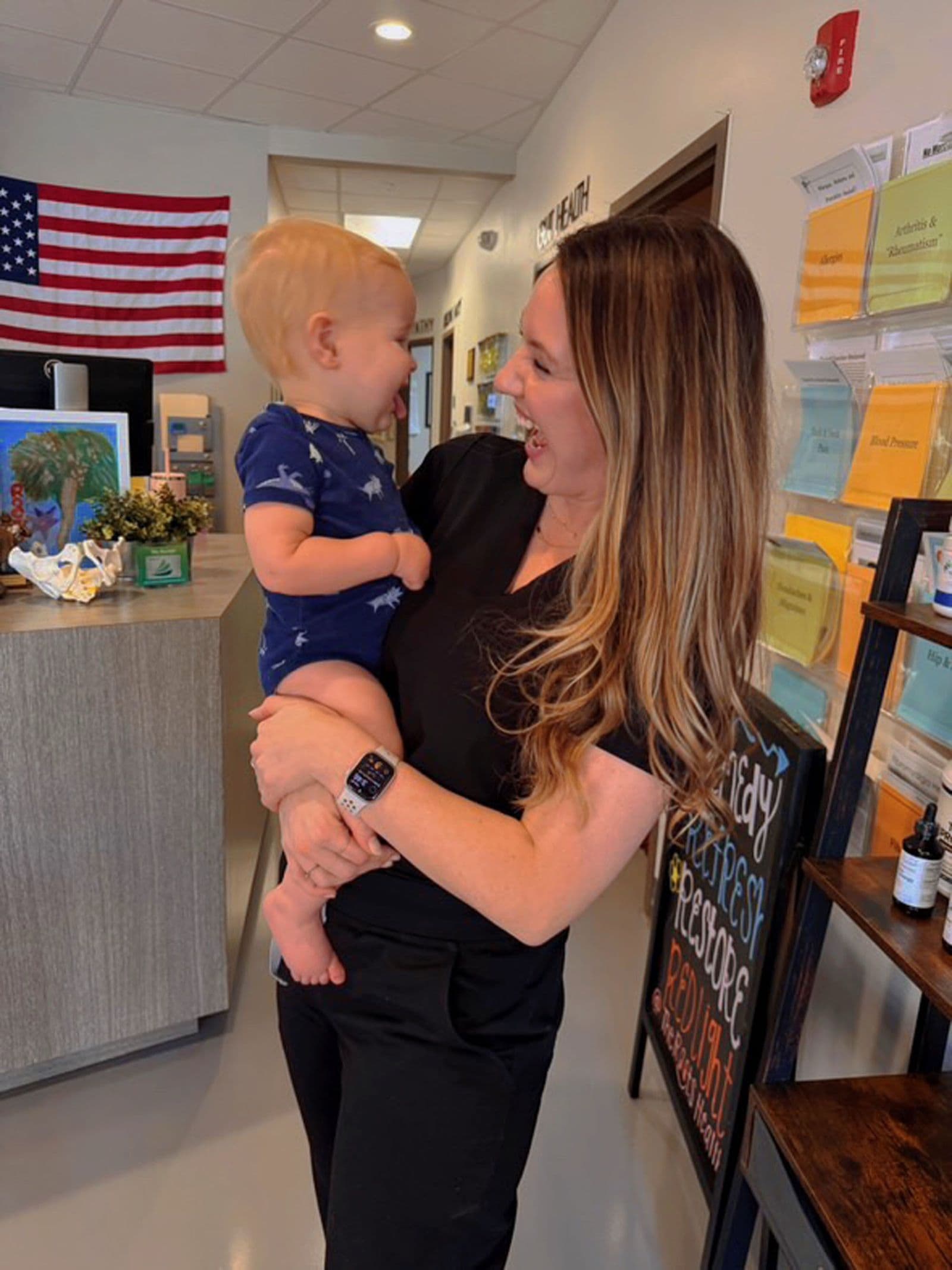
If your baby turns their head, clamps their mouth shut, or cries the moment a bottle appears, you're not doing anything wrong, and you're far from the only parent in this spot. When a baby won't take a bottle, the cause is usually something simple: the nipple shape, the temperature, who is offering it, the timing, or your baby's comfort in the moment. Sometimes a physical issue, such as tension in the jaw and neck or a gassy tummy, makes feeding uncomfortable. Below, we'll walk through the common reasons babies refuse a bottle, gentle things to try, and the signs that mean it's time to call your pediatrician. This is educational and not a replacement for your pediatrician's advice, especially if you're worried your baby isn't getting enough to eat.
Why Babies Refuse a Bottle
A bottle is a very different experience from the breast, and some babies simply need time to adjust. The common reasons include:
- Preference for the breast. Babies who nurse well often wonder why anyone would change the plan, especially if the bottle flows differently.
- Nipple flow and shape. A flow that is too fast can feel overwhelming, and one that is too slow can be frustrating.
- Temperature. Some babies are particular about milk that is warmer or cooler than they expect.
- The person offering it. A baby who can smell milk on a nursing parent may refuse a bottle from that parent and take it more calmly from someone else.
- Timing. A baby who is overly hungry or overly tired may be too worked up to learn something new.
- Discomfort. Gas, reflux-like fussiness, congestion, or tension in the jaw or neck can make sucking and swallowing feel unpleasant.
Gentle Things to Try
Try changing one thing at a time so you can tell what helps:
- Pick a calm moment. Offer the bottle when your baby is awake, alert, and a little hungry rather than frantic.
- Let someone else offer it. Another caregiver, with you out of sight, can make a big difference.
- Try paced feeding. Hold your baby fairly upright and keep the bottle roughly horizontal so milk flows gently and your baby can pause. Let your baby set the rhythm.
- Experiment with nipples. A slower-flow, wider or more breast-like shape may feel more familiar. Ask your pediatrician or lactation professional for suggestions.
- Adjust the temperature. Warming the nipple or milk slightly may help some babies accept it.
- Make it playful. Let your baby touch and mouth the nipple without pressure. Feeding should never feel like a fight.
- Change positions. Some babies prefer being held facing outward or in a different arm than they nurse in.
If a feeding is going badly, take a break and try again later. A calm baby learns more than a distressed one.
When It May Be Physical
Sometimes a baby refuses a bottle because something about feeding hurts or is hard. Clues that comfort may be part of the picture include:
- Your baby always turns toward one side, or seems to prefer one side for nursing
- Clicking sounds, leaking milk, or a poor seal around the nipple
- Arching, pulling off, and crying during feeds
- Lots of gas, spit-up, or fussiness around feeding. Our guides to newborn gas relief and colic cover related patterns
- Difficulty with latch at the breast, which we discuss in tongue-tie and latch struggles
- A sudden change in a baby who was feeding well, which can be a nursing strike. See our post on why babies suddenly refuse the breast, because many of the same ideas apply to the bottle
These are worth mentioning to your pediatrician, who can rule out medical causes and refer you to a lactation consultant or feeding specialist when appropriate.
How Neck and Jaw Tension Can Affect Feeding
Sucking and swallowing are surprisingly complex. They depend on the muscles of the jaw, tongue, and neck all working together, and on a nervous system that coordinates them. Birth positioning, tight quarters late in pregnancy, or a long delivery can leave some babies with tension through the neck or a strong preference to turn one way. A baby like that may feed more comfortably on one side than the other, or resist certain positions.
At Little Roots Pediatric Chiropractic, our team uses very gentle, age-appropriate techniques and looks at how your baby moves, turns, and settles. We work alongside your pediatrician and feeding specialists, not in place of them. Our goal is to help you understand what your baby's body is telling you and whether gentle chiropractic care may be a good fit as part of your team. We make no promises about outcomes, and every baby is different. Our overview of torticollis explains one common pattern of neck tension in infants.
When to Call Your Pediatrician Right Away
Contact your pediatrician promptly, or seek emergency care if needed, if your baby:
- Has noticeably fewer wet diapers than usual
- Seems unusually sleepy, hard to wake for feeds, or limp
- Is losing weight or isn't gaining as expected
- Has a fever, especially in a young infant
- Vomits forcefully or repeatedly, or has green or bloody vomit
- Shows signs of dehydration such as a dry mouth, no tears, or a sunken soft spot
- Struggles to breathe while feeding
Parents' instincts matter. If something feels off, make the call.
Frequently Asked Questions
Why won't my baby take a bottle from me?
Many breastfed babies associate the nursing parent with nursing. They can smell milk and expect the breast, so the bottle feels confusing. Often another caregiver can offer it more successfully.
What should I do if my baby refuses a bottle?
Stay calm, take a break if the feed is turning stressful, and try again later with one small change, such as a different nipple, position, or caregiver. Check with your pediatrician if you're concerned about how much your baby is taking in.
Is it normal for a baby to refuse a bottle?
Yes. Bottle refusal is common, especially in babies who are mostly breastfed. Most babies can learn with patience and gentle practice, but each baby's timeline is their own.
Can discomfort make a baby refuse the bottle?
It can. Gas, congestion, reflux-like symptoms, and tension in the jaw or neck may make feeding uncomfortable. A pediatrician can help sort out what is going on.
Want a Second Set of Eyes?
If feeding has become stressful and you'd like someone to look at how your baby moves and settles, we're here for you. Book an appointment at Little Roots Pediatric Chiropractic in Lakewood Ranch, and we'll listen, take a careful look, and talk through gentle next steps alongside your pediatrician.
Learn More
Conditions we help with
Colic
Colic isn't a personality trait — it's often a baby's nervous system stuck on high alert. Gentle chiropractic care helps the system downshift so feeding, sleeping, and being held start to feel okay again.
Learn moreTorticollis & Head Shape
Head tilt, flat spots, asymmetric jaw — these are often the same story told from different angles. Gentle in-arms work helps the system release the holding pattern that's keeping your baby stuck on one side.
Learn moreRelated Services
Related Reading
Related articles
Nursing Strikes: Why Babies Suddenly Refuse the Breast
One day nursing is going fine, the next your baby won't latch at all. Here's what a nursing strike actually is, common triggers, and how to get through it.
Read articleNewborn Gas Relief: Gentle, Drug-Free Ways to Help Your Baby
Squirming, grunting, knees pulled up — gas is one of the most common reasons newborns get fussy. Here's what helps, gently and without medication.
Read articleKeep Reading
More for growing families
Baby Constipation: What's Normal and Gentle Ways to Help
Straining, fussing, and hard little poops can worry any parent. Here's what's normal for babies, gentle ways to help, and when it's time to call your pediatrician.
Baby Fell Off the Bed? What to Do First and What to Watch For
Your baby just rolled off the bed and your heart is pounding. Here's what to do first, the warning signs that mean emergency care, and what to watch for afterward.
Toddler Clumsiness and Coordination: When to Pay Attention
Trips, bumps, and wobbly balance are part of being a toddler. Here's what's typical, what's worth a closer look, and gentle ways to support coordination at home.
Questions about your child?
Schedule a consultation and let's talk through your family's needs together.
Book a Consultation(941) 932-4611