

Baby Grunting in Sleep: What's Normal and When to Look Closer
Dr. Grayson Fox, DC
Those snorts, squeaks, and grunts from the bassinet can sound alarming at 2 a.m. Here is why newborns do it, what is usually normal, and which signs deserve a closer look.
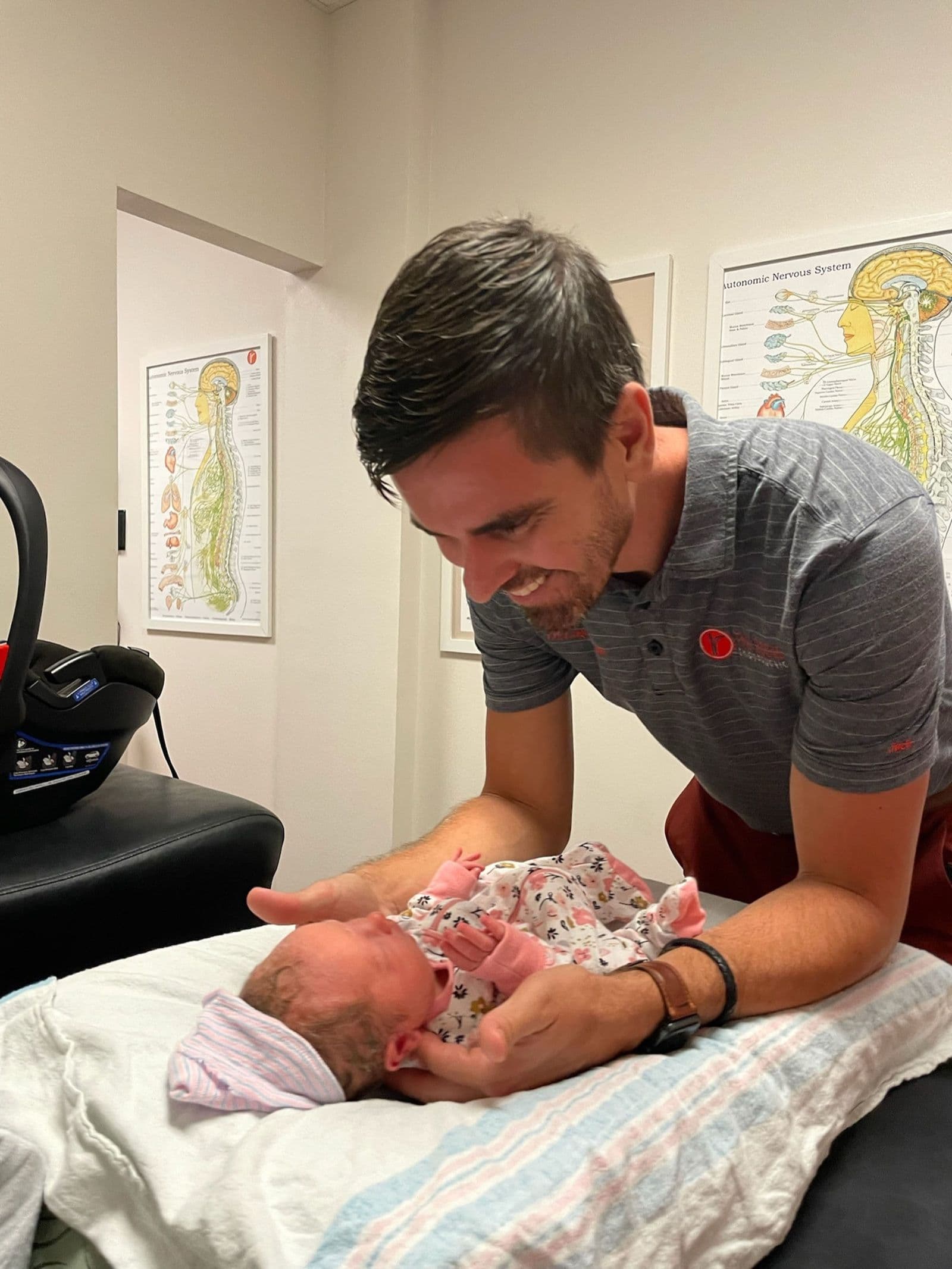
You finally get your newborn down, tiptoe away, and then you hear it: grunting, squeaking, snorting, sometimes a full-body strain that sounds like they are lifting something heavy. If you are searching for why your baby is grunting in sleep, here is the reassuring short answer. Grunting is very common in newborns and young babies, and it is usually a normal part of how a brand-new body learns to breathe, digest, and move between sleep stages. Some patterns do deserve a closer look, though, and we will walk through both. Below we explain why babies grunt, what is typically normal, the signs worth mentioning to your pediatrician, and gentle ways to support comfortable sleep. This is educational information, not a diagnosis, and your pediatrician is the right person to evaluate breathing.
Why Babies Grunt in Their Sleep
Newborns are still working out many things we take for granted. A few of the most common reasons for sleepy grunting include:
- Active sleep. Babies spend a large share of their sleep in a lighter, active stage. During it they twitch, squirm, make faces, and make noise, even though they are not fully awake.
- Tiny, narrow airways. A newborn's nasal passages are very small, so a little mucus or milk residue makes a surprisingly big sound. Our post on baby congestion and stuffy noses explains what parents commonly notice.
- Learning to pass gas and stool. Babies are new at coordinating their tummy muscles. Grunting and straining are often part of getting a bowel movement or releasing gas, even when everything is working normally. See our guide to newborn gas relief.
- Digestion in progress. A full, still-developing tummy can make for noisy, wiggly sleep after feeds.
- Immature breathing patterns. Newborn breathing is naturally irregular. It may speed up, slow down, or pause very briefly. Many parents are surprised by how uneven it sounds.
- Reflux or spit-up. Milk coming back up can cause grunting, swallowing, and squirming. Our articles on silent reflux in babies and reflux vs. colic describe what parents see.
What Is Usually Normal
Grunting is more likely to be ordinary when:
- Your baby grunts or squeaks but settles back to sleep on their own
- Breathing looks easy and relaxed between the noises
- Skin color stays healthy and pink
- Your baby feeds well, has wet diapers, and gains weight as their pediatrician expects
- Awake time is alert and comfortable
Many parents describe a baby who sounds like a tiny farm animal all night and wakes up perfectly happy. That is a very common picture. A quick note on your phone about when the grunting happens, and what your baby was doing before it started, can be helpful if you decide to ask about it later.
Signs Worth Mentioning to Your Pediatrician
Occasional grunting is not the same as labored breathing. Call your pediatrician promptly if you notice:
- Grunting with every breath, including while awake
- Fast breathing, flaring nostrils, or the skin between the ribs pulling in with each breath
- Pauses in breathing that seem long, or color changes around the lips or face
- Poor feeding, unusual sleepiness, or difficulty waking
- Fever, especially in a very young baby
- Persistent coughing, wheezing, or noisy breathing that does not clear
If your baby ever seems to be struggling to breathe, has blue-tinged lips or skin, or you are frightened by what you see, seek urgent medical care right away. Trust your instincts. You know your baby best.
We do not diagnose or manage breathing conditions at Little Roots. That belongs with your pediatrician or an appropriate specialist. What we can do is listen carefully to what you are noticing and look at how your baby is moving, feeding, and regulating.
The Nervous System and Comfortable Sleep
A newborn's nervous system is still organizing itself. Sleep, digestion, breathing, and movement all depend on that system learning to coordinate, which is part of why so many early-days sounds and wiggles settle as babies grow. When parents tell us their baby seems tense, arches often, or has trouble settling after feeds, we like to take a gentle look at the whole picture, including the neck and spine, which can be stressed by a snug fit in the womb or the birth process.
Our post on why babies arch their backs and our guide to tummy time cover related patterns many parents ask about. If your baby seems uncomfortable with feeding or digestion, you can read about reflux and about sleep issues in babies and kids, and learn how our infant chiropractic care works. Each child is different, and we take a personalized approach based on what your child's nervous system is showing us.
Gentle Ideas That May Help at Home
These are general comfort ideas, not medical advice, and they do not replace your pediatrician's guidance:
- Follow safe-sleep guidance. Place your baby on their back on a firm, flat sleep surface with nothing loose in the sleep space, as your pediatrician recommends.
- Give a little extra burping time. Gentle burping during and after feeds can ease trapped air.
- Try tummy time while awake. Supervised tummy time can help babies build the strength and coordination that support digestion and movement.
- Keep the room comfortable. A comfortable room temperature and gentle humidity may help with stuffy noses. Keep any humidifier clean.
- Stay patient with the noise. Letting your baby settle a moment before you pick them up can show you whether they are actually awake or just in active sleep.
- Write down what you notice. Timing, loudness, and how your baby feeds and behaves afterward help your pediatrician understand the picture.
We are happy to talk through how these fit your family when you visit.
Frequently Asked Questions
Why do babies grunt in their sleep?
Most often it is part of normal newborn sleep. Babies spend a lot of time in active sleep, have tiny nasal passages, and are still learning to coordinate breathing and digestion, so they grunt, squeak, and wiggle even while resting.
Is baby grunting in sleep normal?
Usually, yes, especially when breathing looks easy between the noises and your baby feeds and grows well. Grunting with every breath, fast breathing, or color changes should be checked promptly.
When do babies stop grunting in their sleep?
Every baby is different, so there is no set age. Many parents notice the noises ease as babies grow, their airways get larger, and their digestion and sleep patterns mature. If you are unsure, your pediatrician can reassure you.
Can gas or reflux cause a baby to grunt?
They can. Straining to pass gas or stool and milk coming back up can both lead to grunting and squirming. If your baby seems uncomfortable with feeds, mention it to your pediatrician.
Can a pediatric chiropractor help with grunting?
Breathing during sleep should be evaluated by your pediatrician. At Little Roots we focus on supporting your child's nervous system and overall development, and we welcome the chance to hear what you are noticing.
Questions About Your Little One's Sleep?
If you are wondering about your baby's sleep, feeding, or how they are regulating overall, our team would love to meet you. Book an appointment and we will listen to your observations and take it from there.
Learn More
Conditions we help with
Sleep Issues (Toddlers & Kids)
Bedtime battles, frequent night wakings, and 2 a.m. visits to your room aren't just phases — they're signals that a toddler or child's nervous system isn't downshifting the way it should. Gentle care helps it find the transition the body needs to rest.
Learn moreReflux
Spit-up is normal. Arching through feeds, crying after eating, sleeping fitfully, and never seeming satisfied — that's reflux, and it's almost always a nervous-system regulation story before it's a digestion story.
Learn moreRelated Services
Related Reading
Related articles
Newborn Gas Relief: Gentle, Drug-Free Ways to Help Your Baby
Squirming, grunting, knees pulled up — gas is one of the most common reasons newborns get fussy. Here's what helps, gently and without medication.
Read articleSilent Reflux in Babies: The Reflux You Can't See
Not all reflux comes with spit-up. Silent reflux can cause real discomfort with none of the obvious signs — here's what parents should know.
Read articleBaby Congestion and Stuffy Nose: Gentle, Drug-Free Ways to Help Your Baby
Baby congestion relief doesn't have to mean medication. Here's what actually helps at home, and the signs that mean it's time to call your pediatrician.
Read articleKeep Reading
More for growing families

Toddler Snoring: When It's Normal and When to Look Closer
Hearing your toddler snore can be sweet or worrying. Here is what is often normal, which signs are worth mentioning to your pediatrician, and gentle ways to support better sleep.

Breastfeeding Back Pain: Posture Tips for Nursing Moms
Hours of feeding can leave your neck, shoulders and back aching. Here is why breastfeeding back pain happens and the gentle posture changes that may help.

Baby Spit-Up vs. Vomit: How to Tell the Difference
Your baby just brought up a feed, and you're wondering if it's normal spit-up or something more. Here's how to tell the difference and when to call your pediatrician.
Questions about your child?
Schedule a consultation and let's talk through your family's needs together.
Book a Consultation(941) 932-4611