
Pediatric Chiropractor Certifications Explained: What Webster and PX-Certified Actually Mean
Dr. Grayson Fox, DC
"Certified pediatric chiropractor" gets used loosely online. Here's what real credentials like Webster Technique and PX-Certification actually mean for your child's care.
"Certified pediatric chiropractor" gets used loosely online, and it can be hard to tell what actually stands behind the phrase. There's no single national board that certifies every pediatric chiropractor the way, say, a pediatrician is board-certified. What matters more is which specific credentials a doctor has earned, and what those credentials actually train them to do. Here's a parent's guide to the real certifications behind pediatric and prenatal chiropractic care — and what our team at Little Roots Pediatric Chiropractic actually holds.
The Webster Technique: The Credential Most Parents Have Heard Of
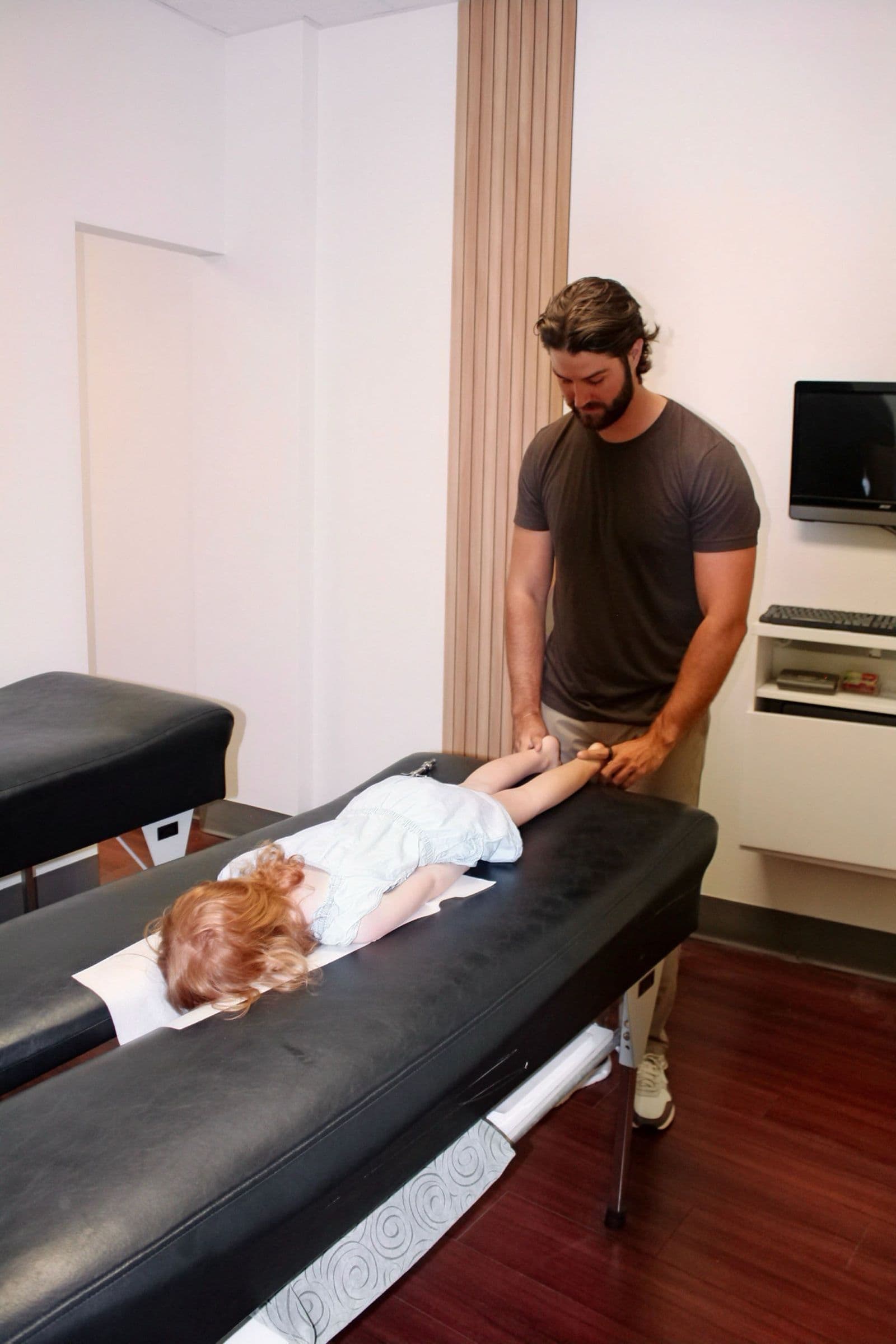
The Webster Technique is a specific, gentle chiropractic approach developed for use during pregnancy, focused on supporting pelvic balance and nervous-system function. It's taught and certified through the International Chiropractic Pediatric Association (ICPA), and it requires hands-on training beyond a standard chiropractic degree. At Little Roots, our co-director is ICPA Webster Technique certified, which means she's completed that specific coursework and clinical training — not just adjusted her general approach for pregnant patients. If a provider advertises prenatal care but can't point to Webster certification specifically, it's worth asking what training actually backs that claim.
PX-Certification: Advanced Training in Pediatric Nervous-System Care
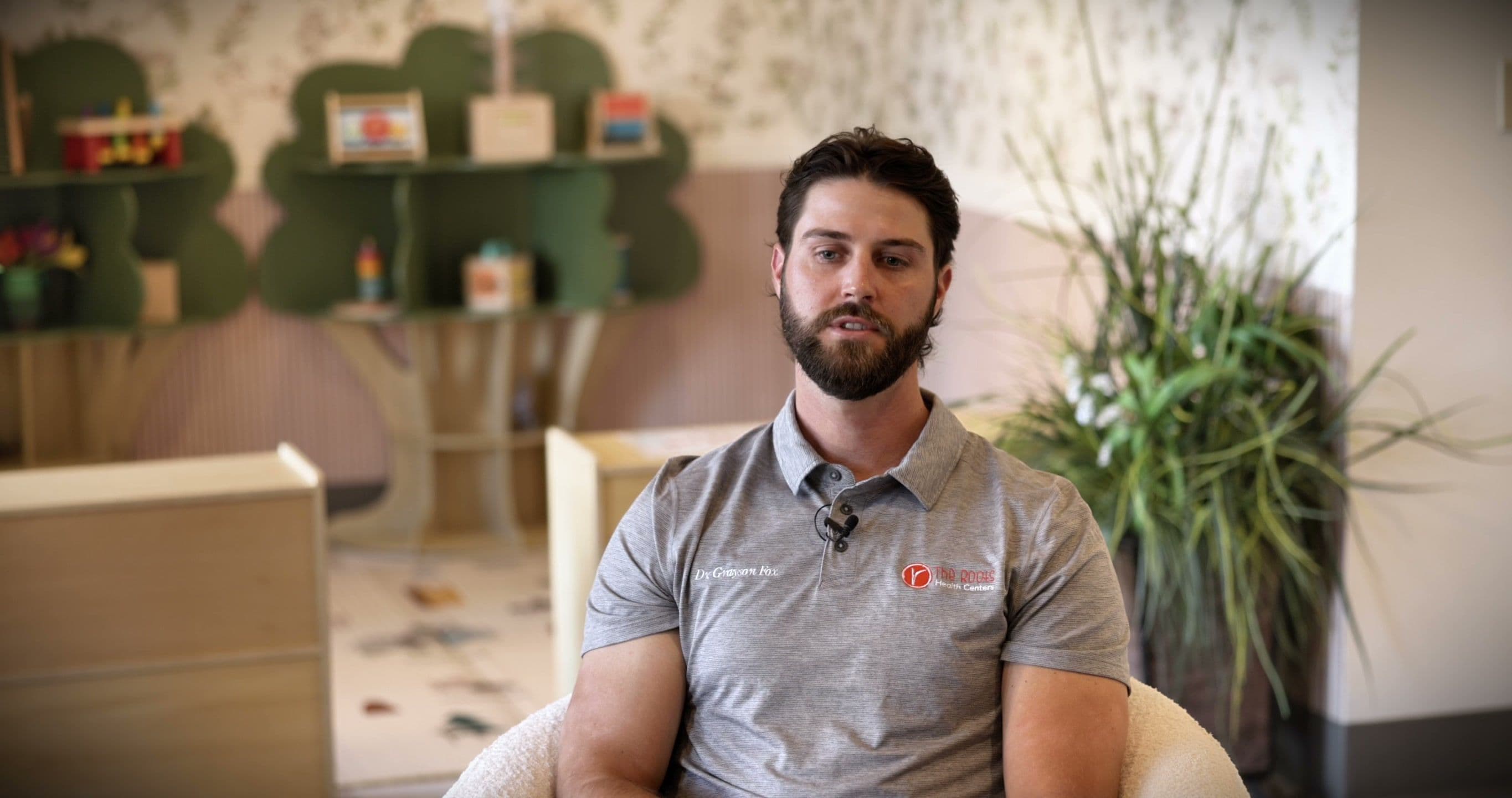
Dr. Grayson Fox, who joined our team in 2025, is PX-Certified, with advanced training in chiropractic neurology as it applies to children. That credential reflects additional education focused specifically on how a child's developing nervous system functions and how it can be supported — beyond the general chiropractic curriculum every DC completes. It's a different lane from Webster certification (which is prenatal-focused) and reflects a doctor who has gone further in pediatric-specific coursework after chiropractic school.
Why the Distinction Actually Matters
A general chiropractic degree covers the spine and nervous system broadly, but working with infants and children calls for a different touch, different landmarks, and an understanding of how a child's nervous system changes as they grow — crawling, walking, hitting developmental milestones. Credentials like Webster and PX-Certification exist because that additional training isn't automatic. When you're looking into care for colic, a breech pregnancy, or general developmental support, the specific certifications behind the provider are a reasonable thing to ask about, not just whether their website says "pediatric."
What to Ask Before Choosing a Pediatric Chiropractor
A few honest questions can tell you a lot: What specific pediatric or prenatal certification does the doctor hold, and through which organization? How much of their practice is actually focused on children and expecting mothers, versus a general adult practice that also sees kids? What does a first visit for your child actually involve — is there a full evaluation before any hands-on care, or does it skip straight to adjustment? A provider who's genuinely trained for pediatric and prenatal care should be able to answer all of this clearly.
Our Team's Training at Little Roots
Our team combines ICPA Webster Technique certification for prenatal care with Dr. Fox's PX-Certification and advanced training in pediatric chiropractic neurology — real, specific credentials, not a generic "we see kids too" approach. Every visit starts with a consultation and a full neurological evaluation, whether it's a newborn, a toddler, or an expecting mother, so care is based on what your child's nervous system is actually showing us. Each child is different, and we take a personalized approach from there — we don't promise a specific number of visits or a set timeline for any child.
What a First Visit With a Certified Provider Actually Looks Like
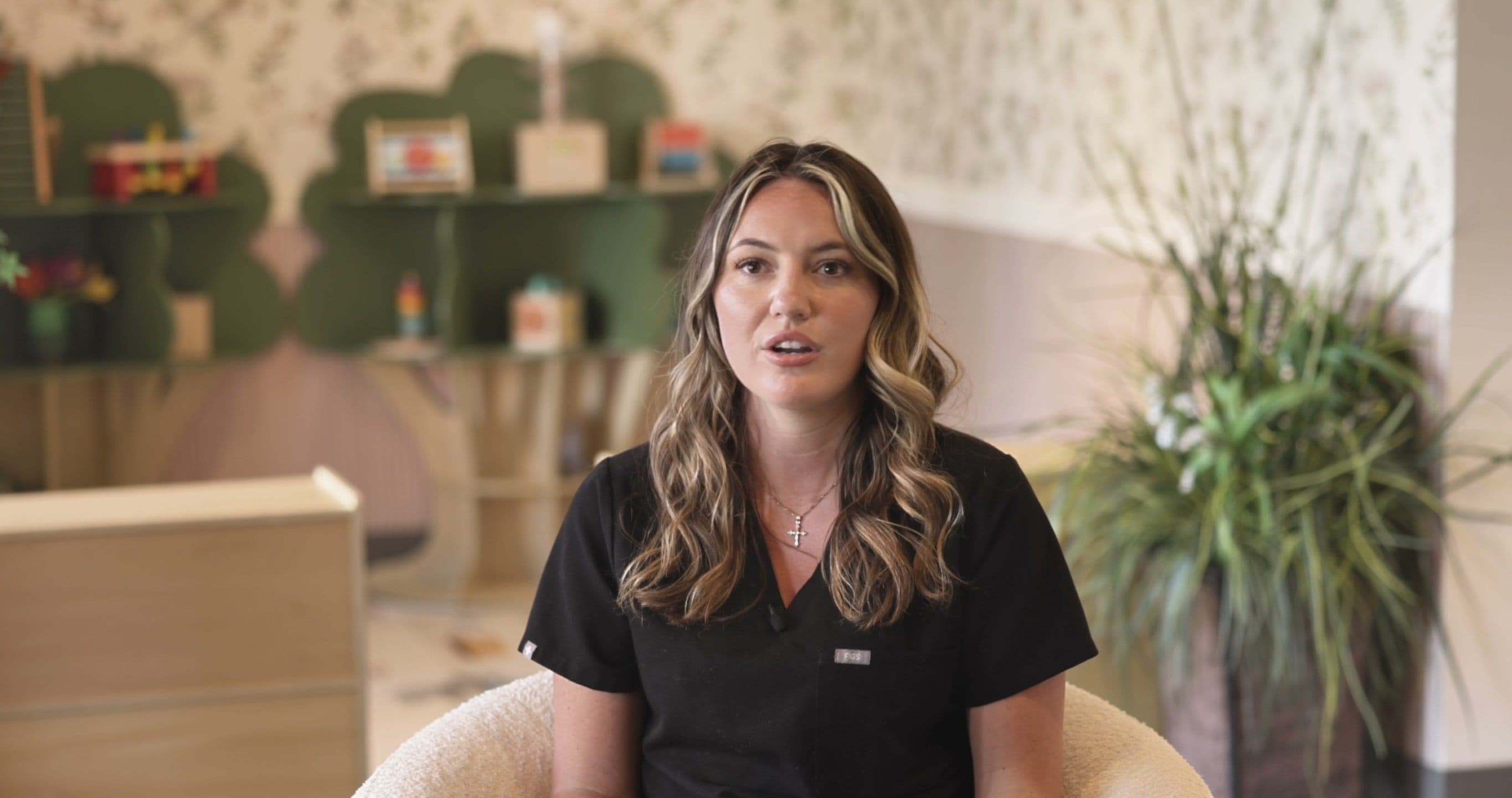
Walking into a pediatric-focused practice for the first time should feel noticeably different from a general adult visit adapted for a child. At Little Roots, that first visit starts with a consultation where we listen to what you've noticed about your child — sleep, feeding, behavior, posture, whatever brought you in. From there, every visit includes a full neurological evaluation appropriate for your child's age, whether it's an infant chiropractic visit for a newborn or a visit for an older child. Only after that evaluation do we talk about what a personalized plan could look like, and any hands-on care is adjusted for a child's size and developmental stage — nothing about it resembles an adult adjustment scaled down. If a provider skips straight from paperwork to hands-on care without an evaluation in between, that's a reasonable moment to ask more questions about their pediatric-specific training.
A Real-World Example: Why Training Changes What's Being Assessed
Consider two children who both present with frequent night waking. A general practice might address it the same way it addresses most complaints — a standard adjustment based on what's tender or restricted. A provider with pediatric-specific training is looking at a different set of landmarks: how the child's nervous system is regulating overall, whether a developmental pattern is part of the picture, whether feeding or digestion could be connected, and what's actually appropriate for that child's age and stage. The training doesn't change the fact that every child is different — it changes what the provider knows to look for in the first place, and why our approach stays personalized rather than protocol-driven.
Frequently Asked Questions
Is there a national board certification for pediatric chiropractors? Not in the way there is for pediatricians. Pediatric-focused chiropractic training comes through specific credentials like ICPA Webster certification and post-graduate pediatric neurology coursework, rather than one universal board.
What is ICPA Webster certification? It's a hands-on certification through the International Chiropractic Pediatric Association, focused on a gentle technique used during pregnancy to support pelvic balance and nervous-system function.
What does PX-Certified mean? It reflects advanced, post-graduate training in chiropractic neurology as it applies specifically to children's developing nervous systems.
Do all chiropractors have pediatric training? No. A general chiropractic degree covers adults and children at a basic level, but working confidently with infants and kids typically requires additional, specific coursework beyond that.
How do I know if a provider is actually trained for my child? Ask directly what pediatric or prenatal certification they hold and through which organization — a genuinely trained provider will be able to answer specifically.
Does a pediatric certification mean every child gets treated the same way? No. No two children are the same, and a personalized plan is built from your child's own evaluation — certifications describe a provider's training, not a fixed protocol applied to every child.
Is PX-Certification the same as being board-certified in pediatrics? No. PX-Certification reflects focused, post-graduate training in pediatric chiropractic neurology through a specific program — it isn't a general pediatric board certification, since no single board certifies pediatric chiropractors the way pediatricians are board-certified.
You can see what those certifications look like in practice on our Webster Technique page — or come meet our pediatric chiropractor in Lakewood Ranch team in person.
Curious what a visit built around real pediatric and prenatal training looks like? Schedule a visit at Little Roots Pediatric Chiropractic in Lakewood Ranch, and our team will walk you through a full evaluation for your child or your pregnancy.
Little Roots Pediatric Chiropractic, 8209 Natures Way, Unit 117, Lakewood Ranch, FL 34202. (941) 932-4611.
Learn More
Conditions we help with
Colic
Colic isn't a personality trait — it's often a baby's nervous system stuck on high alert. Gentle chiropractic care helps the system downshift so feeding, sleeping, and being held start to feel okay again.
Learn moreBreech Positioning
When a baby is breech, it usually means the uterus has uneven tension — not that your baby is stuck. Webster Technique, performed by Dr. Laura Swaim (ICPA Webster Certified), addresses that tension so your baby has the space to turn on their own.
Learn moreRelated Services
Related Reading
Related articles
What a Pediatric Chiropractor Does: A Gentle Guide for Parents
Wondering what a pediatric chiropractor actually does for kids and babies? Here's a gentle, plain-English look at the care, the first visit, and the concerns families bring in.
Read articleIs Chiropractic Safe for Babies? What the Research Actually Shows
Parents ask us every week: is chiropractic safe for my baby? Here is what the published safety data says, what a newborn adjustment actually looks like, and how to find a qualified pediatric chiropractor in Lakewood Ranch.
Read articleKeep Reading
More for growing families
Container Baby Syndrome: Why Too Much Time in Seats and Carriers Matters
Car seats and bouncers have their place, but too much time in "containers" can affect how babies move and develop. Here's what to watch for.
What to Expect at Your Baby's First Pediatric Chiropractic Visit
A step-by-step walkthrough of what actually happens at your baby's first pediatric chiropractic visit — the conversation, the gentle evaluation, and what care looks like for an infant.
Seasonal Allergies in Kids: A Gentle, Nervous-System-Supportive Approach
Seasonal allergies in kids often show up as a runny nose, congestion, or a child who just seems "off" for weeks. Here's what's happening and gentle, drug-free ways to offer support.
Questions about your child?
Schedule a consultation and let's talk through your family's needs together.
Book a Consultation(941) 932-4611