

Growth Spurts in Babies: Why They Happen and How to Get Through Them
Dr. Grayson Fox, DC
Suddenly fussier, hungrier, or not sleeping like usual? A growth spurt might be why. Here's what's happening in your baby's body and how to get through it.

If your baby suddenly seems hungrier than usual, fussier for no clear reason, and waking up more at night after weeks of sleeping fine, you're probably in the middle of a growth spurt. Growth spurts in babies are real, physical events — not just a fussy phase — and knowing what's actually happening in your baby's body can make the days (and nights) a lot less confusing.
What Is a Growth Spurt, Really?
Babies don't grow at a steady, predictable pace. Instead, growth tends to happen in bursts — short windows where your baby's body ramps up rapid physical development, then settles back into a slower pace. During these windows, your baby's body is working hard: building tissue, adding length, and making developmental leaps, all of which takes extra energy and can temporarily throw off feeding and sleep patterns that felt settled just days before.
When Do Growth Spurts Happen?
While every baby is different, growth spurts are commonly reported around 7–10 days, 2–3 weeks, 6 weeks, 3 months, and 6 months — though timing varies quite a bit from baby to baby. Rather than watching the calendar, it's usually more useful to watch your baby: a cluster of fussiness, extra hunger, and disrupted sleep that shows up together over a few days is a more reliable sign than any specific age.
Common Signs of a Growth Spurt
A growth spurt often shows up as a cluster of changes rather than just one:
- Increased hunger — nursing or bottle-feeding more frequently, sometimes described as cluster feeding
- Extra fussiness or clinginess, even in babies who are usually easygoing
- Disrupted sleep, including more night wakings or shorter naps
- General crankiness that doesn't have an obvious cause like teething or illness
- A noticeable jump in length or weight at the next pediatrician visit
The combination of these signs, especially when they show up together and ease within a few days, is a strong clue you're dealing with a growth spurt rather than something else.
Growth Spurts and Your Baby's Nervous System
Rapid physical growth doesn't just affect your baby's body size — it also places new demands on a still-developing nervous system that's working to regulate feeding, digestion, and sleep all at once. When growth is happening quickly, that regulation can feel temporarily off-balance, which is part of why fussiness and sleep disruption often show up together during a growth spurt. Supporting your baby's nervous-system regulation during these stretches — through gentle care, consistent routines, and close connection — is one piece of helping your baby move through a growth spurt more comfortably.
How to Get Through a Growth Spurt
A few gentle approaches many parents find helpful:
- Feed on demand. Growth spurts increase caloric needs, so more frequent feeding is your baby's body asking for what it needs — not a sign that anything is wrong with your milk supply or routine.
- Expect more contact time. Extra clinginess is common; babywearing or extra holding can help your baby feel regulated during a demanding stretch.
- Protect rest where you can. Sleep may be disrupted, but keeping a consistent bedtime routine helps signal safety and predictability even when naps are shorter than usual.
- Give it a few days. Most growth spurts ease within about a week, and your baby's usual rhythm typically returns once the growth burst is complete.
- Watch your own bandwidth, too. Extra feeding and less sleep are demanding on parents as well — accepting help during these stretches isn't a failure, it's practical.
If fussiness, feeding changes, or sleep disruption last well beyond a week or two, or come with other concerning signs, it's worth checking in with your pediatrician rather than assuming it's a growth spurt.
When Our Team Can Help
Growth spurts are a normal part of development, but for some babies, the added physical demands of rapid growth can coincide with tension or restriction that makes it harder for their body to regulate comfortably — especially if there was a difficult birth or your baby already shows signs of favoring one side. Our team's infant chiropractic approach looks at how your baby's nervous system and spine are functioning as part of pediatric wellness, gently supporting your baby's ability to regulate through demanding developmental stretches like sleep regressions and growth spurts alike. Every baby is different, so we build our approach around what your baby's body is actually showing us.
Frequently Asked Questions
How long do baby growth spurts last? Most growth spurts last a few days to about a week before your baby's feeding and sleep settle back into their usual pattern.
How do I know if it's a growth spurt or something else? A growth spurt usually shows up as a cluster of increased hunger, fussiness, and sleep disruption that eases within a week or so. Symptoms like fever, rash, or prolonged crying that doesn't respond to feeding or comfort are worth a call to your pediatrician.
Do growth spurts happen at the same time for every baby? No. While there are commonly reported windows, every baby's timing is different — it's more useful to watch your baby's behavior than a specific age.
Should I feed my baby more during a growth spurt? Generally, yes. Feeding on demand during a growth spurt helps meet your baby's increased caloric needs and typically settles back to normal once the spurt passes.
Can a growth spurt affect my baby's sleep for weeks? A true growth spurt usually eases within a week or two. Sleep disruption that continues much longer may be a separate pattern — like a sleep regression — worth looking into on its own.
If a growth spurt has left your little one extra unsettled, a gentle check with an infant chiropractor in Lakewood Ranch can be a reassuring next step.
If your baby's growth spurt has you exhausted and wondering whether something more is going on, our team would love to take a look. Schedule a complimentary consultation at Little Roots Pediatric Chiropractic in Lakewood Ranch.
Learn More
Conditions we help with
Related Services
Related Reading
Related articles
The 4-Month Sleep Regression: What's Happening and How to Help
Sleeping longer stretches one week, waking hourly the next? Here's what's really happening during the 4-month sleep regression, and gentle ways to help.
Read articleBaby Milestones: Crawling, Sitting, and Walking — What to Expect
Sitting, crawling, and walking all happen on a wide, normal range. Here's what baby milestones typically look like and when a closer look is worth it.
Read articleKeep Reading
More for growing families
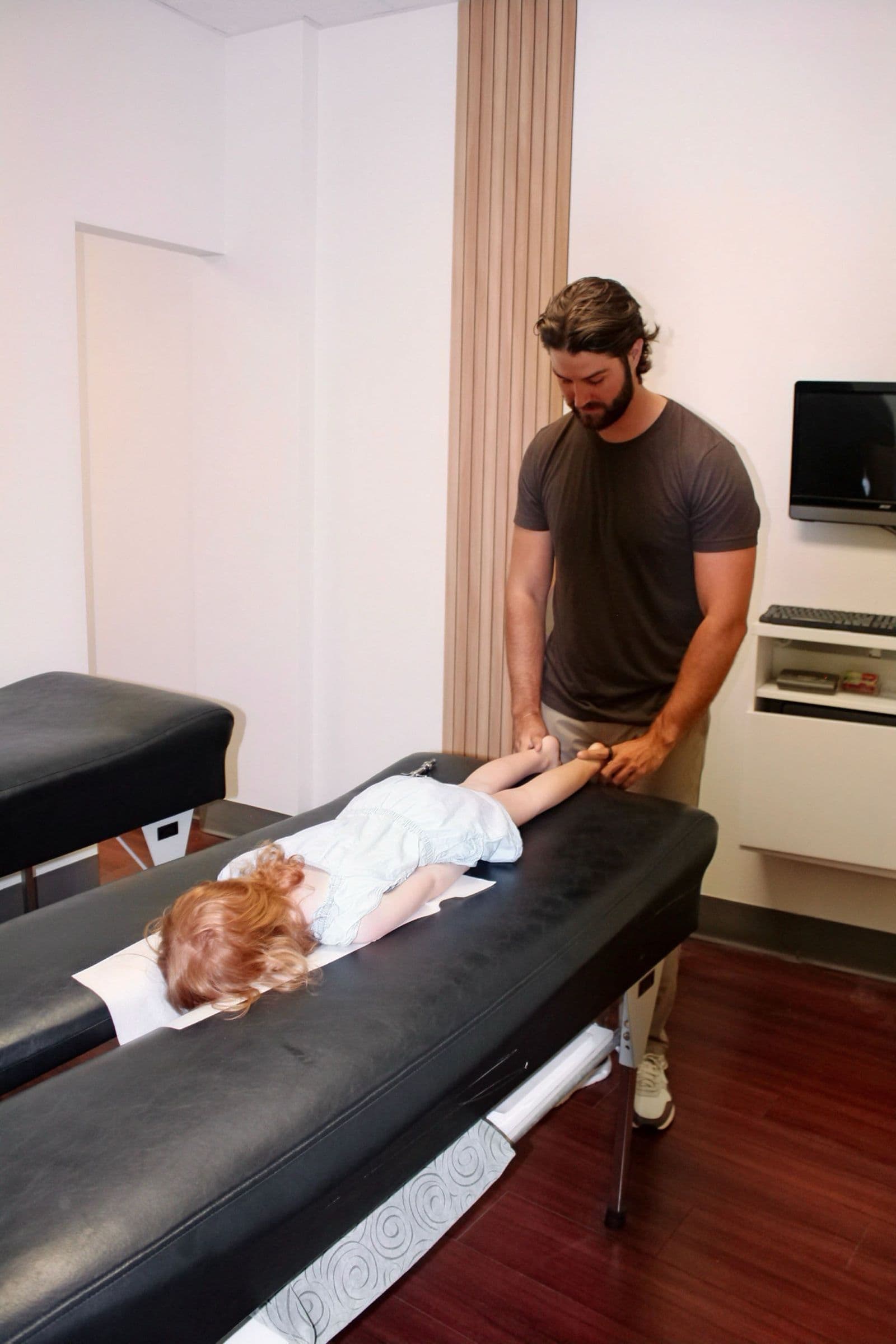
Container Baby Syndrome: Why Too Much Time in Seats and Carriers Matters
Car seats and bouncers have their place, but too much time in "containers" can affect how babies move and develop. Here's what to watch for.

What to Expect at Your Baby's First Pediatric Chiropractic Visit
A step-by-step walkthrough of what actually happens at your baby's first pediatric chiropractic visit — the conversation, the gentle evaluation, and what care looks like for an infant.
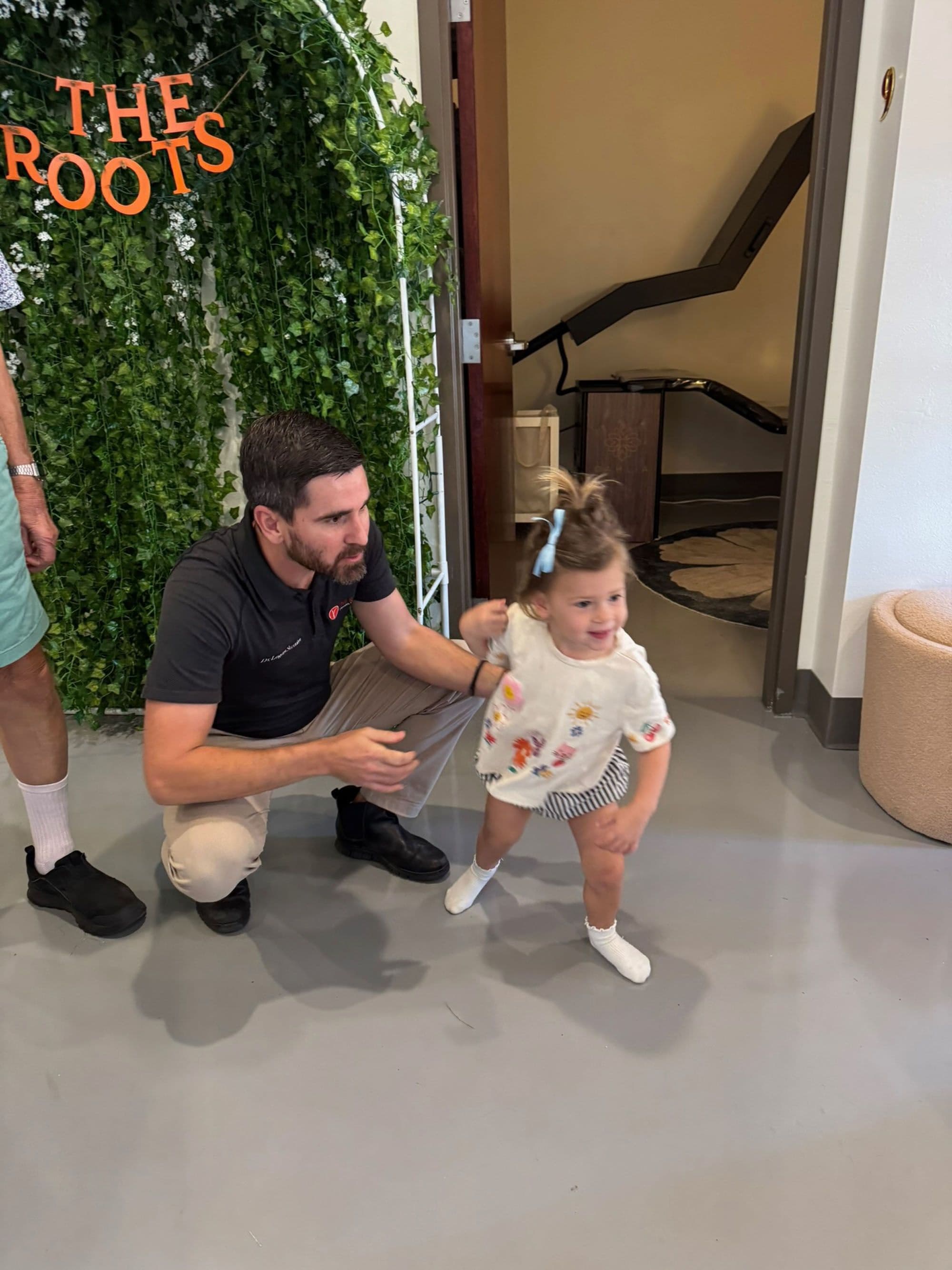
Seasonal Allergies in Kids: A Gentle, Nervous-System-Supportive Approach
Seasonal allergies in kids often show up as a runny nose, congestion, or a child who just seems "off" for weeks. Here's what's happening and gentle, drug-free ways to offer support.
Questions about your child?
Schedule a consultation and let's talk through your family's needs together.
Book a Consultation(941) 932-4611