

Knee Pain During Pregnancy: Why It Happens and Gentle Ways to Ease It
Dr. Grayson Fox, DC
Your knees ache on the stairs, getting up from the couch, or at night. Here is why knee pain shows up during pregnancy, the signs to call your provider about, and gentle ways to ease it.
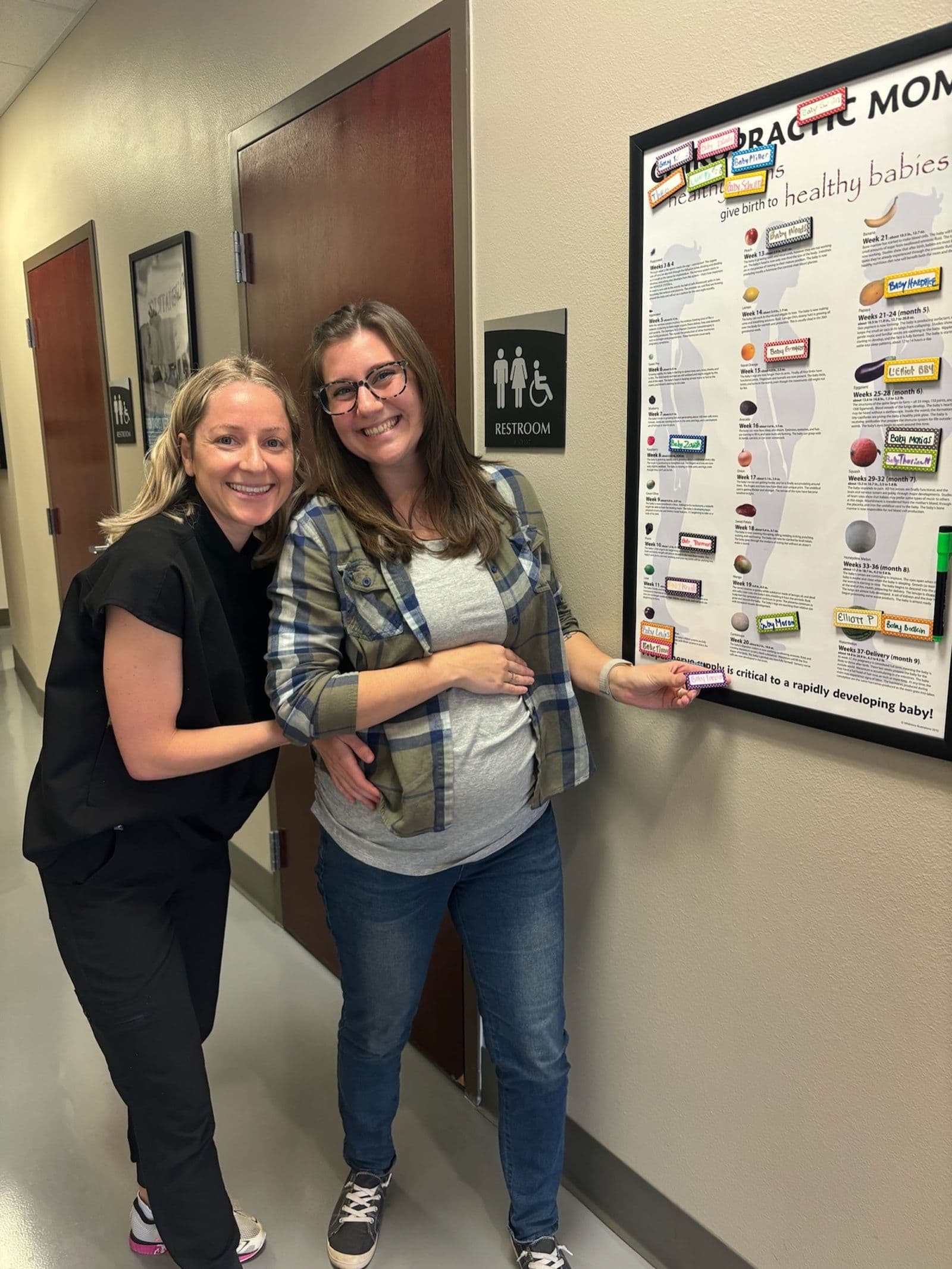
Your knees ache when you climb the stairs, push up from the couch, or roll over at night, and you are wondering if this is just one more part of growing a baby. Knee pain during pregnancy is common, mama, and in most cases it comes from the very normal changes your body is making: extra weight, looser ligaments, a shifting center of gravity, and fluid that settles in your legs. Those changes put more load on your knees and change the way they track with each step. The good news is that there is usually a lot you can do to feel more comfortable. Below, we walk through why knee pain shows up in pregnancy, the warning signs that mean you should call your OB or midwife, simple ways to ease it at home, and how our team in Lakewood Ranch supports moms through it. This is educational information, not a diagnosis, and your prenatal provider is always your first call.
First, When to Call Your Provider Right Away
Most knee pain in pregnancy is a muscle and joint issue. A few signs need prompt medical attention instead. Call your OB or midwife right away, or go to urgent care or the ER, if you notice:
- One leg that is swollen, warm, red, or tender, especially in the calf or behind the knee. Pregnancy raises the risk of blood clots, and this can be a sign of one.
- Sudden shortness of breath or chest pain. Call 911.
- Sudden swelling of the face, hands, or feet along with a bad headache, vision changes, or pain under the ribs. These can be signs of preeclampsia.
- A hot, very swollen knee with fever, which can point to infection in the joint.
- Knee pain after a fall, or a knee that locks, gives way, or will not hold your weight.
- Numbness or weakness in the leg or foot that does not go away.
When in doubt, call. Your provider would always rather hear from you.
Why Pregnancy Can Cause Knee Pain
Your knees are carrying more
Every step, squat, and stair puts several times your body weight through your knees. As your baby grows, that load rises, and the front of the knee, where the kneecap glides over the thigh bone, often feels it first. That is why stairs and getting up from low chairs tend to hurt the most.
Relaxin loosens your ligaments
Your body makes a hormone called relaxin to help your pelvis open for birth. It does not only act on the pelvis. It can loosen ligaments throughout the body, including the ones that keep your knees stable. Looser ligaments mean the muscles around the knee have to work harder, and the kneecap may not track as smoothly.
Your posture and stride change
As your belly grows, your center of gravity moves forward. Many moms start to lean back, lock their knees when standing, or walk with feet turned out. Over time those small shifts change how force travels through the hips, knees, and ankles. Your pelvis plays a big part here, and if you are also feeling pelvic pain during pregnancy, the two are often connected.
Your feet flatten a little
Extra weight and looser ligaments can let your arches drop. When the foot rolls in, the shin rotates and the knee follows, which can pull the kneecap off its usual track.
Fluid builds up
Swelling in the lower legs and around the knees is common, especially later in pregnancy and in Florida heat. Fluid can make the joint feel tight, stiff, or achy. Our guide to swelling in pregnancy covers what is normal and what is not.
Where It Hurts Can Offer Clues
- Front of the knee or around the kneecap: often linked to how the kneecap is tracking under the extra load. Usually worse on stairs, squatting, or after sitting a long time.
- Inside of the knee: often tied to feet rolling in and the knees drifting together, or to strain where the inner thigh and hamstring tendons attach.
- Outside of the knee: can come from a tight band of tissue running down the outer thigh, often along with hip pain.
- Behind the knee: often fluid or tight calf and hamstring muscles. Because a blood clot can also cause pain behind the knee or in the calf, a swollen, warm, or tender calf always needs a call to your provider.
- Knee pain plus hip or back pain: pain can travel down from the pelvis and low back, so the source is not always the knee itself.
These are patterns, not a diagnosis. A proper exam is the best way to know what is going on.
Gentle Ways to Ease Knee Pain During Pregnancy
Check with your OB or midwife before starting any new exercise. These are simple ideas many moms find helpful:
- Keep moving gently. Walking, prenatal yoga, and swimming keep the muscles around your knees strong without pounding the joint. A pool is a gift in Florida: the water takes weight off your knees.
- Strengthen your hips and thighs. Side-lying leg lifts, clamshells, and gentle bridges help the muscles that keep your knees tracking well.
- Soften your knees when standing. Try not to lock them. Keep a tiny bend and shift your weight often.
- Choose supportive shoes. Flat, cushioned shoes with good arch support usually feel better than flip-flops, heels, or worn-out sneakers.
- Take stairs one step at a time and use the railing. Lead with the stronger leg going up and the sore leg going down.
- Sit a little higher. Low couches mean a deep squat every time you stand. A firm cushion or a taller chair can help.
- Put your feet up. Raising your legs for a few minutes a few times a day may help with swelling.
- Use cool or warm packs. A cool pack wrapped in a cloth can soothe a puffy, achy knee, and warmth can relax tight muscles. Avoid heat on your belly.
- Sleep with a pillow between your knees. It keeps your hips and knees lined up when you are on your side.
Before taking any pain reliever, ask your OB, midwife, or pharmacist what is safe in pregnancy.
How Our Team Supports Moms With Knee Pain
Knee pain in pregnancy is rarely just about the knee. When we see a mom with achy knees, we look at the whole chain: how her pelvis is moving, how her hips and low back are carrying the load, and how her feet meet the ground. It is common for moms with knee pain to also mention pain during pregnancy in the hips, back, or pelvis, and those areas affect one another.
Our prenatal care is gentle and adapted to each stage of pregnancy, with positioning that keeps you and your baby comfortable. Care focuses on helping your pelvis and spine move well and supporting your nervous system as your body changes. We also share simple movement and posture tips you can use at home. We always work alongside your OB or midwife, and if anything we see needs their attention, we let you know.
Each mom is different, so we take a personalized approach based on what your body is showing us. If your knee pain comes with aching through the rest of your legs, our guide to leg pain during pregnancy covers the bigger picture.
Frequently Asked Questions About Knee Pain During Pregnancy
Is it normal to have knee pain during pregnancy?
Yes, it is common. Extra weight, looser ligaments, and changes in posture and stride all put more stress on your knees. Common does not mean you have to just push through it, though. Gentle movement, supportive shoes, and good alignment often make a real difference. Call your provider about any swelling in one leg, warmth, redness, or pain after a fall.
Is knee pain a sign of early pregnancy?
Knee pain is not one of the recognized early signs of pregnancy. Relaxin starts rising early, and some moms notice looser or achier joints in the first trimester, but knee pain on its own is not a reliable sign. A pregnancy test and your provider are the way to know.
When does knee pain start in pregnancy?
It can show up at any point, but many moms notice it more in the second and third trimesters, when weight gain, posture changes, and swelling add up. Every pregnancy is different.
Is knee pain common after pregnancy?
It can linger for a while after birth. Ligaments can stay looser for some time, and new-mom life brings lots of squatting, lifting, and carrying. If knee pain sticks around after your baby arrives, it is worth having it checked.
Gentle Prenatal Support in Lakewood Ranch
You deserve to feel good in your body while you grow your baby. If knee pain is making stairs, walks, or sleep harder than they need to be, our team at Little Roots would love to help. We see moms from Lakewood Ranch, Bradenton, and Sarasota. Book an appointment and we will listen to your story, look at the whole picture, and talk through gentle options with you.
Related Services
Related Reading
Related articles
Swelling in Pregnancy: What's Normal, and What's Not
Swollen feet and ankles are one of the most common pregnancy complaints. Here's why it happens, gentle ways to ease the pressure, and when to loop in your provider.
Read articlePregnancy Hip Pain at Night: Why Rolling Over Hurts
Waking up with hip pain every time you roll over? Here's why it happens in pregnancy, gentle sleep tweaks that may help, and when to check in with your provider.
Read articleKeep Reading
More for growing families
Leg Pain During Pregnancy: Common Causes and When to Call Your Provider
Aching, cramping, or shooting leg pain while you're pregnant? Here's how to spot the blood clot warning signs first, what usually causes leg pain in pregnancy, and gentle ways to feel more comfortable.
Postpartum Neck Pain: Why Your Neck Hurts After Baby and What May Help
Hours of looking down at feeds, a car seat on one arm, and broken sleep add up. Here is why postpartum neck pain is so common, gentle everyday ideas, and the signs that mean you should call your provider.
Postpartum Sciatica: Why Nerve Pain Can Linger After Baby and What May Help
Shooting pain down your leg was supposed to end with pregnancy. Here is why postpartum sciatica can linger after baby, gentle everyday ideas, and the signs that mean you should call your provider.
Questions about your child?
Schedule a consultation and let's talk through your family's needs together.
Book a Consultation(941) 932-4611